Esports, short for electronic sports, has rapidly evolved from a niche pastime to a billion-dollar industry. Once a hobby for gamers in basements and internet cafes, competitive gaming is now a global phenomenon, attracting millions of viewers and players alike. With a diverse range of games, lucrative sponsorships, and professional leagues, esports has not only changed the way people play but also how they watch and engage with video games. This blog explores the fascinating journey of esports, its influence on gaming culture, and its potential future trajectory.
The Origins of Esports: From Arcade to Arena
The origins of esports can be traced back to the early days of competitive gaming. In the 1970s and 1980s, arcade games like Space Invaders and Pac-Man introduced the concept of scoring and competition, though the scene was primarily informal. However, it wasn’t until the 1990s that esports began to take shape in a more organized way.
In 1997, the first major esports tournament, the Red Annihilation tournament for Quake, was held. This event attracted thousands of players and spectators, and the winner even received a Ferrari, which added a sense of prestige to the competitive gaming scene. This marked a turning point where gaming started to shift from being a solo activity to a spectator sport, setting the stage for what was to come.
During the early 2000s, esports continued to grow in popularity, especially in South Korea, where games like StarCraft became national obsessions. The rise of online multiplayer games and platforms like Battle.net and Xbox Live enabled gamers from around the world to compete against each other, further pushing the boundaries of competitive gaming.
The Explosion of Esports: A New Era
The real explosion of esports as a global industry occurred in the 2010s. Games like League of Legends, Dota 2, Counter-Strike: Global Offensive, and Overwatch became not only staples in the gaming community but also professional esports titles that boasted multimillion-dollar prize pools. In 2013, League of Legends held its first World Championship, which attracted 32 million viewers—more than the 2013 Super Bowl.
The growing viewership and increasing sponsorship deals from major companies, such as Coca-Cola, Intel, and Red Bull, cemented esports as a legitimate industry. The creation of professional esports leagues like the Overwatch League, League of Legends Championship Series, and Call of Duty League further established competitive gaming as a mainstream sport. These leagues operate much like traditional sports leagues, with regular seasons, playoffs, and global finals.
The Infrastructure of Esports: From Amateur to Professional
What makes esports unique is its blend of traditional sports structure and digital innovation. Much like conventional sports, esports has developed an intricate network of teams, leagues, and organizations. However, unlike traditional sports, where players typically start their careers in local leagues before entering the professional scene, esports players often rise to fame through online platforms such as Twitch, YouTube, and social media.
Esports Teams and Players
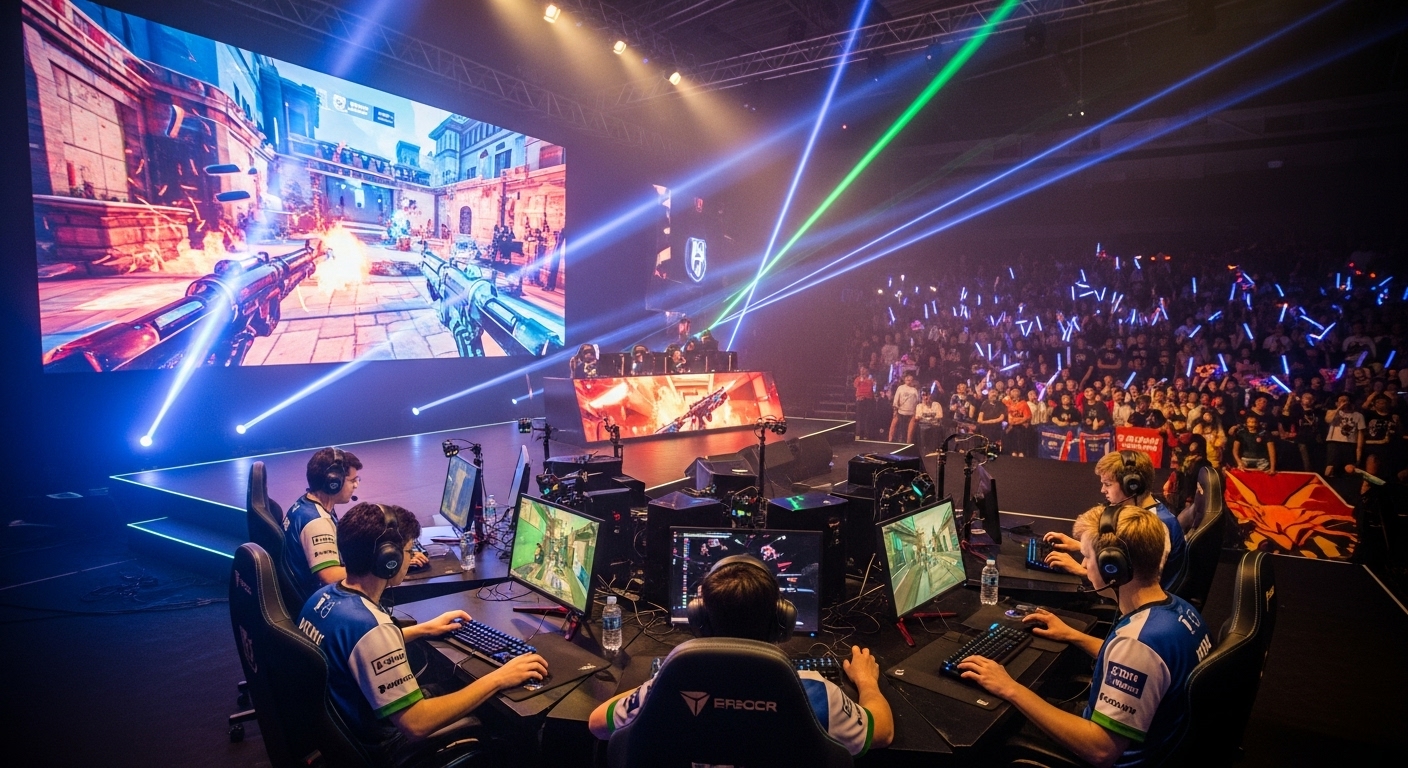
Esports teams are structured similarly to traditional sports teams. Players are often recruited at young ages, sometimes even in their teens, and trained rigorously to hone their skills in specific games. These players spend hours daily practicing, analyzing gameplay, and refining strategies, often under the guidance of coaches and analysts. Some of the most popular teams, such as Cloud9, Fnatic, and Team Liquid, have established themselves as household names, with highly skilled rosters competing in multiple games simultaneously.
For players, esports can be both a lucrative and grueling career. Top players can earn significant sums not only from tournament prizes but also through sponsorships, streaming revenue, and merchandise sales. Esports stars like Faker (Lee Sang-hyeok) from League of Legends or Ninja (Tyler Blevins), who made his name playing Fortnite, have become global celebrities, with millions of followers across social media platforms.
Broadcasting and Streaming
The way people watch esports is another key factor in its rapid rise. In the past, competitive gaming events were broadcast on niche channels or in local venues. Today, thanks to platforms like Twitch, YouTube Gaming, and Facebook Gaming, esports tournaments are available to a global audience in real-time. These platforms allow fans to watch their favorite players, interact with commentators, and participate in live chats, creating a vibrant and interactive viewing experience.
Twitch, in particular, has been a game-changer for esports, providing a platform for players to stream their gameplay and build personal brands. The ability to live stream content has also opened up opportunities for esports content creators, analysts, and influencers to make careers out of commenting on and analyzing games.
Esports Infrastructure: Arenas and Events
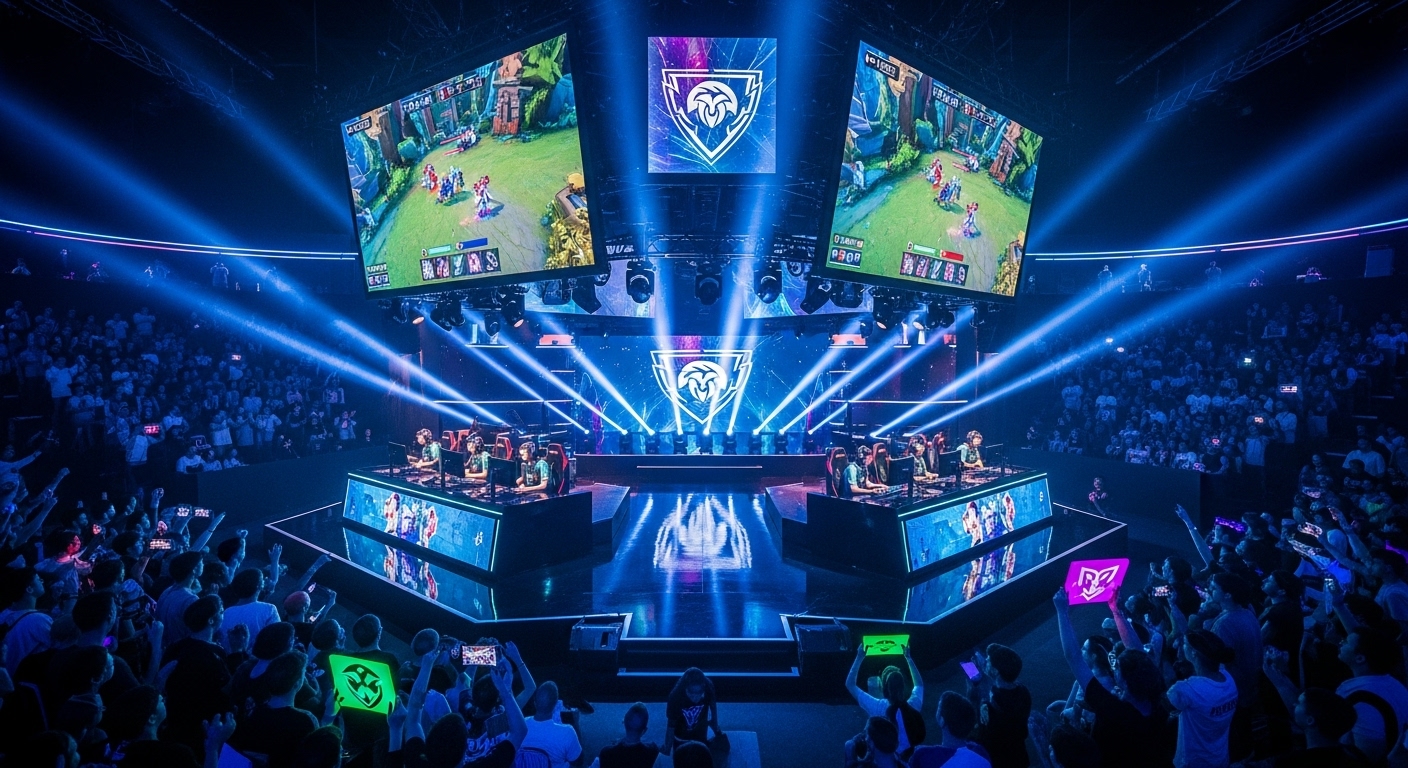
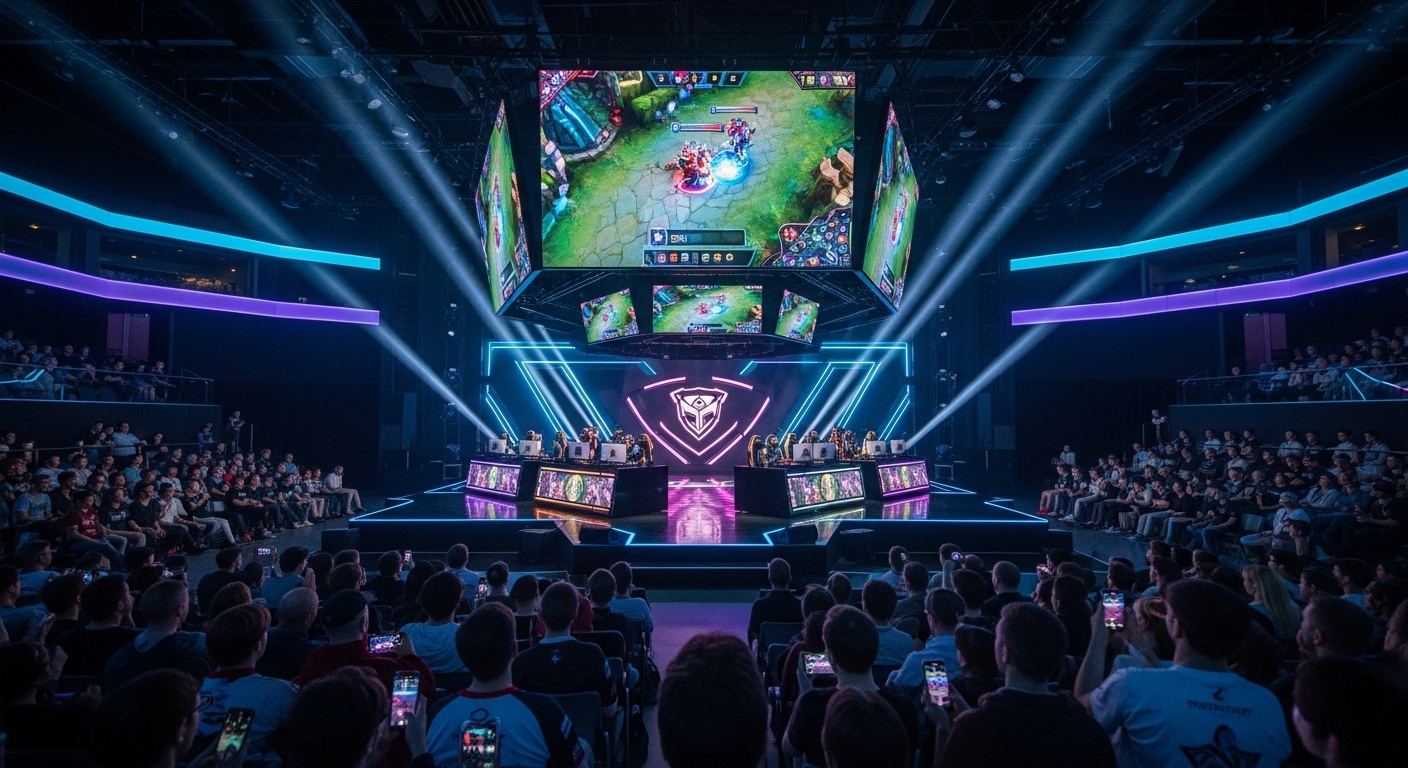
Major esports tournaments now take place in massive arenas with thousands of live spectators. These events are professionally organized, with high production values, sound systems, and broadcast setups that rival traditional sports broadcasts. For example, The International, the annual Dota 2 tournament, has been held at the KeyArena in Seattle, with a prize pool that has exceeded $40 million in recent years.
Additionally, esports events are often hosted in conjunction with fan festivals, cosplay competitions, and meet-and-greets with players, creating a festival-like atmosphere. These events not only attract fans but also provide opportunities for brands to connect with an engaged, youthful audience, further boosting the industry’s financial ecosystem.
The Business Side of Esports
As esports grew, so did its commercial potential. Major sponsors, advertisers, and even traditional sports franchises started taking notice of the industry. The esports ecosystem now includes a range of revenue streams, from media rights and sponsorships to merchandise and ticket sales.
Sponsorships and Advertisements
Corporate sponsors have played a pivotal role in the growth of esports. Companies like Intel, Red Bull, and BMW sponsor esports teams, tournaments, and events. The appeal of esports to sponsors lies in its massive, global, and engaged fanbase. Esports viewers are typically young, tech-savvy, and influential, making them a prime demographic for brands looking to target the next generation of consumers.
The Role of Traditional Sports Organizations
Interestingly, traditional sports organizations have also started investing in esports. Football clubs such as Paris Saint-Germain and Manchester City have launched their own esports teams, and basketball teams like Golden State Warriors and Philadelphia 76ers have made investments in esports ventures. This crossover between traditional sports and esports further legitimizes the industry and highlights its growing mainstream appeal.
The Future of Esports: What’s Next?
Looking ahead, the future of esports is incredibly promising. The industry is continuing to expand, with new games, new regions, and new formats emerging all the time. Virtual reality (VR) and augmented reality (AR) could soon play a significant role in esports, adding a new layer of immersion to both gameplay and viewing experiences. Furthermore, esports is likely to continue its expansion into new countries, particularly in regions like India and Latin America, where the gaming culture is still growing.
Esports as a Career Path
For younger generations, esports is becoming a viable career option. Professional gamers, content creators, team owners, and coaches are just some of the many roles that individuals can pursue within the esports ecosystem. Educational institutions are also beginning to offer esports scholarships and degree programs, helping to formalize esports as a legitimate career path.
Esports in Mainstream Media
Esports is also likely to become a more prominent fixture in mainstream media. With the rise of cable networks, streaming platforms, and international broadcasting deals, esports events will continue to receive more exposure. The integration of esports into global sports events, such as the Asian Games, could be the beginning of esports becoming a part of larger international sporting competitions.
Conclusion: The Esports Revolution is Just Beginning
Esports has come a long way from its humble beginnings in arcades and online communities. Today, it stands as a global entertainment powerhouse, rivaling traditional sports in terms of viewership, fan engagement, and commercial value. From professional players and teams to sponsorships and broadcasting, every aspect of esports has evolved to create a thriving ecosystem.
As the industry continues to grow and mature, the possibilities for esports are endless. With new technologies, new games, and new generations of gamers, esports is poised to become an even more significant part of our global entertainment landscape. For fans, players, and even investors, one thing is clear: the esports revolution is just getting started.