The Rise of Esports: The Digital Revolution of Competitive Gaming
Introduction: Esports as a Global Phenomenon
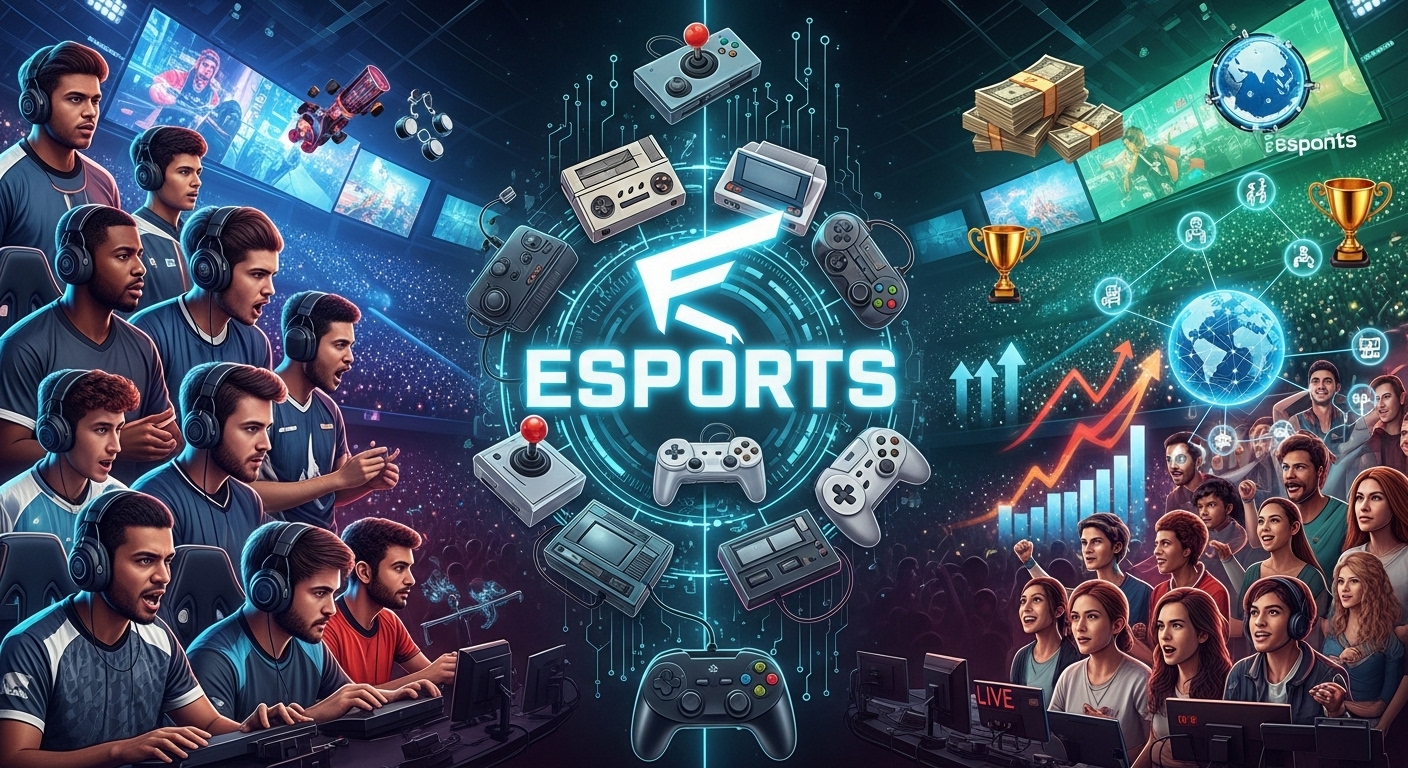
Esports, or electronic sports, has grown from a niche hobby into a global phenomenon that rivals traditional sports in popularity and economic impact. Once considered a pastime for casual gamers, competitive gaming has now become a multi-billion-dollar industry with professional leagues, international tournaments, and millions of fans worldwide. Esports is not just about playing video games; it is a complex ecosystem that combines skill, strategy, teamwork, entertainment, and technology. It represents a cultural shift in how people compete, interact, and consume entertainment in the digital age.
The Early Origins of Competitive Gaming
The roots of esports date back to the 1970s and 1980s, when video games first entered the public consciousness. Early arcade games like Pong, Space Invaders, and Pac-Man allowed players to compete for high scores, creating a rudimentary form of competition. These games were simple in design but powerful in their ability to bring people together. Arcades became social hubs where players honed their skills, exchanged strategies, and built local communities around gaming.
By the 1990s, competitive gaming began to take a more organized form. Fighting games such as Street Fighter and Mortal Kombat, along with real-time strategy games like StarCraft, introduced complexity and skill-based competition. Local and national tournaments emerged, drawing attention from gaming magazines and television networks. Players began to gain recognition for their abilities, setting the stage for the rise of professional esports.
The Role of Online Gaming in Esports Growth
The internet revolutionized competitive gaming by connecting players from around the world. Online multiplayer games allowed for real-time competition across continents, creating global communities. Games like Counter-Strike, Warcraft III, and Dota 2 became central to early online esports scenes. Players could now practice, strategize, and compete at a higher level without being limited by geography.
Online forums, social media, and streaming platforms enabled players to share tactics, watch professional gameplay, and form teams. This connectivity fostered a culture of learning, collaboration, and competition that accelerated the professionalization of esports. The accessibility of online gaming allowed talent to emerge from anywhere, democratizing competition and opening new pathways for aspiring professional gamers.
The Emergence of Professional Esports Leagues
As competitive gaming grew in popularity, professional leagues and organizations began to form. Titles such as League of Legends, Dota 2, Overwatch, and Counter-Strike became pillars of professional esports. These games featured structured leagues, official rankings, and international tournaments that mirrored traditional sports.
Professional esports teams emerged with contracts, coaching staff, analysts, and management, providing a level of organization similar to professional sports clubs. Sponsorships from major brands legitimized esports as a career path and created new economic opportunities. The establishment of professional leagues ensured standardized rules, fair competition, and recognition for players’ skills, elevating esports from hobby to profession.
Iconic Esports Titles and Their Impact
Certain games have had a profound influence on the development of esports. League of Legends popularized team-based competitive gameplay and created one of the most-watched esports leagues in the world. Its World Championship features millions of viewers and offers substantial prize pools, setting new standards for professional competition.
Dota 2 is known for its strategic depth and record-breaking prize pools, drawing top talent and global attention. Counter-Strike emphasizes precision, communication, and tactics, making it a staple of first-person shooter competition. Battle royale games such as Fortnite introduced a new competitive format that combines accessibility with high-level skill, attracting millions of players worldwide. Each title contributes to esports’ diversity, culture, and reach, appealing to different audiences and shaping the industry’s evolution.
Streaming Platforms and Audience Engagement
Streaming platforms like Twitch and YouTube Gaming have transformed esports into a spectator-driven phenomenon. Millions of viewers watch tournaments, live streams, and highlights daily, interacting with players and commentators. These platforms allow fans to feel connected to the action, building personal relationships with professional players and content creators.
Streamers also serve as cultural influencers, shaping trends, memes, and fan communities. The ability to stream gameplay live or post recorded content has democratized content creation, allowing amateur players to gain recognition and grow their own audience. Streaming has made esports accessible to a global audience, turning competitive gaming into mainstream entertainment.
Esports as a Career Path
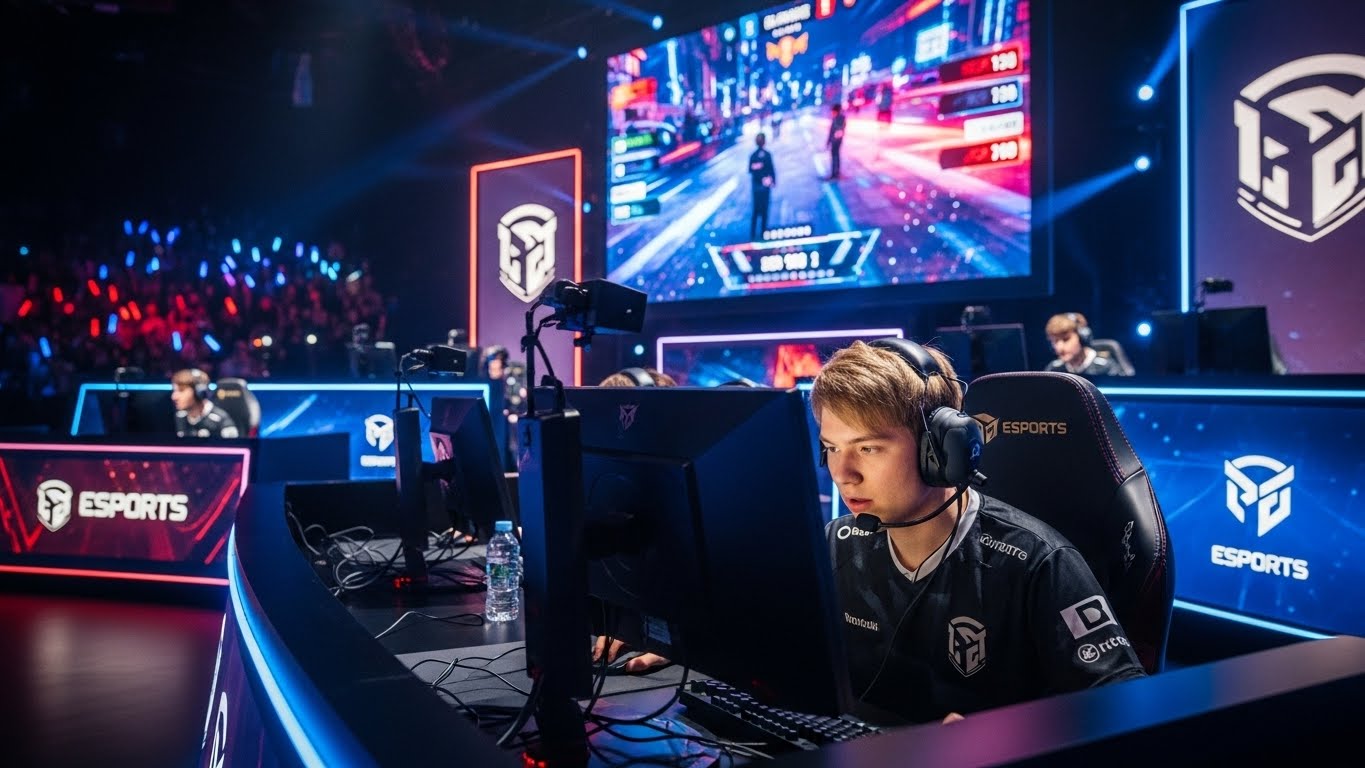
Professional esports players follow rigorous training regimens similar to traditional athletes. Daily practice can exceed eight to ten hours, focusing on mechanical skills, teamwork, strategy, and mental focus. Physical fitness and proper nutrition are also essential, as endurance and reaction time impact performance during long tournaments.
Coaches, analysts, and mental health professionals support players, helping them maintain consistency and manage stress. Top players earn salaries, sponsorships, and tournament winnings, making esports a viable and lucrative career. While the path to professional gaming is demanding, it offers recognition, financial reward, and personal fulfillment for those who excel.
Major International Tournaments
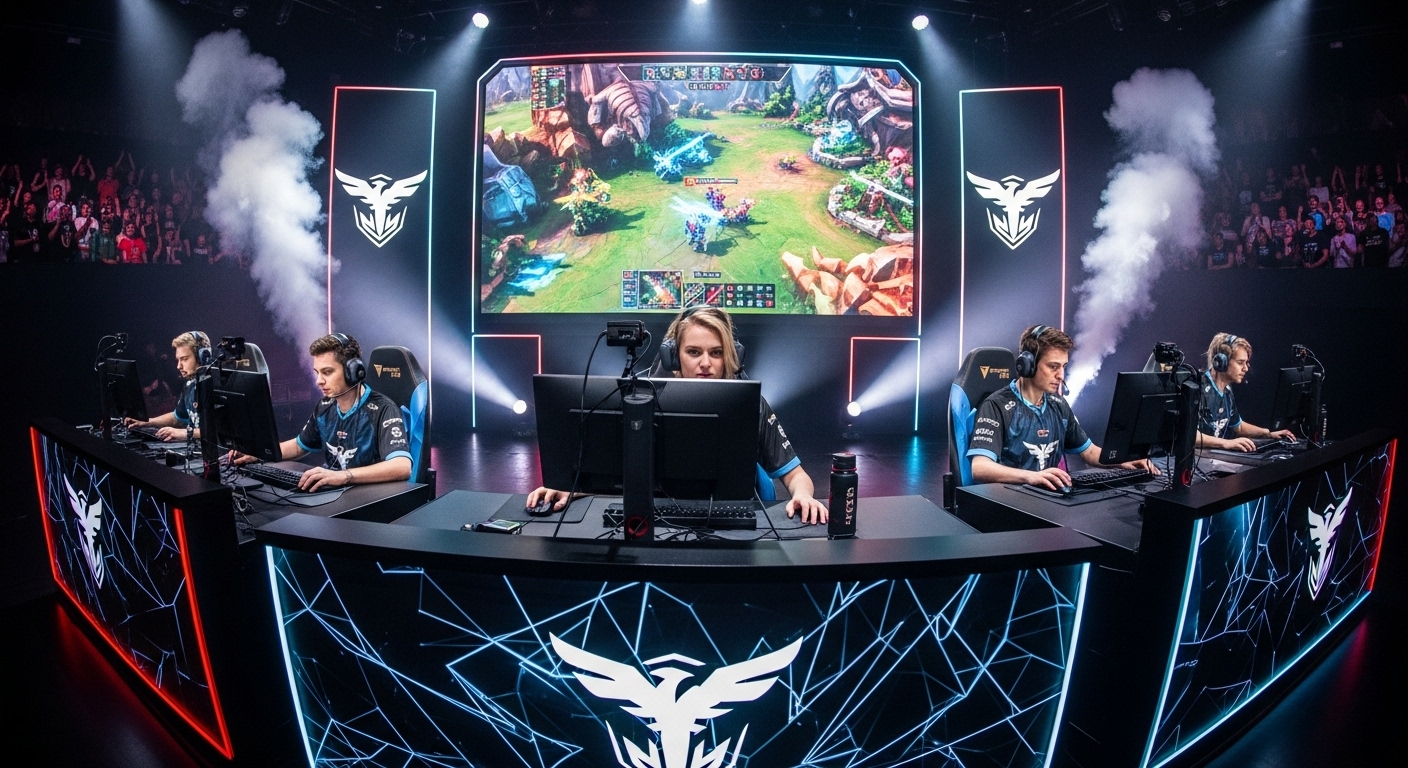
International esports tournaments attract global audiences and feature elaborate production, live commentary, and substantial prize pools. Events such as The International (Dota 2), the League of Legends World Championship, and the Fortnite World Cup showcase top-tier talent and strategic gameplay.
These tournaments are not only competitive events but also cultural spectacles, drawing fans from around the world. They foster community, highlight professional skill, and provide opportunities for emerging talent to gain visibility. The global nature of these competitions emphasizes the universality of esports and the growing cultural influence of competitive gaming.
Esports and Traditional Sports: Blurring the Lines
Esports shares many similarities with traditional sports, including teamwork, strategy, coaching, and rigorous practice. Professional leagues operate similarly to conventional athletic organizations, with franchised teams, contracts, and sponsorships. Universities now offer esports scholarships, and some countries officially recognize esports as a sport.
The mental and physical demands on esports athletes are comparable to those in traditional sports. Players must maintain focus, manage pressure, and perform consistently under competitive stress. Esports challenges traditional definitions of athleticism, highlighting skill, strategy, and reflexes as essential components of competition.
Cultural Influence of Esports
Esports has become a significant cultural force, influencing fashion, music, and entertainment trends. Iconic matches, legendary players, and memorable plays become part of mainstream culture, inspiring movies, documentaries, and television programs. The esports community also fosters creativity through fan art, cosplay, and streaming content.
Esports bridges cultural and generational gaps, connecting players and fans from different backgrounds. It demonstrates how digital media can unite diverse audiences around shared passion and competition, further solidifying its role as a cultural phenomenon.
Technology Driving Esports
Technology underpins the growth and success of esports. High-performance computers, gaming peripherals, and low-latency networks ensure fair and competitive gameplay. Streaming technology allows audiences to watch events in real time, while analytics and software tools help teams refine strategy and performance.
Emerging technologies such as virtual reality, augmented reality, and artificial intelligence are beginning to influence esports. AI assists in gameplay analysis, trend prediction, and strategy optimization, while VR and AR create immersive experiences for both players and spectators. Technological innovation ensures that esports continues to evolve and expand.
Health and Well-Being in Esports
The professional demands of esports require attention to both mental and physical health. Extended gaming sessions can lead to eye strain, poor posture, and repetitive strain injuries. Mental health challenges, including stress, anxiety, and burnout, are common among professional players.
Teams now employ psychologists, fitness coaches, and nutritionists to support player well-being. Maintaining physical fitness improves reflexes, endurance, and overall health, while mental health support ensures players can manage pressure and maintain focus. Holistic care reflects the professionalization of esports and parallels the approach used in traditional athletics.
Economic Impact of Esports
Esports has grown into a billion-dollar industry with multiple revenue streams. Sponsorships, advertising, merchandising, ticket sales, and media rights generate substantial income. Corporations view esports as an opportunity to engage with younger, digitally connected audiences.
Franchised teams, content creation, and international tournaments contribute to economic growth, providing employment opportunities and encouraging investment in technology and infrastructure. The industry’s financial expansion underscores esports’ legitimacy and long-term potential as a global entertainment sector.
Esports in Education
Educational institutions are increasingly incorporating esports programs, offering scholarships, competitive leagues, and academic courses. Esports teaches teamwork, strategic thinking, problem-solving, and technological literacy, preparing students for careers in gaming, technology, and media industries.
Programs in esports management, broadcasting, and game design provide pathways beyond professional play, contributing to the growth of the industry. The integration of esports into education highlights its legitimacy and potential to shape future career opportunities.
Challenges in Esports
Despite its rapid growth, esports faces challenges including regulation, fair competition, and player welfare. Cheating, match-fixing, and online toxicity threaten integrity and reputation. Cultural perceptions of esports as casual entertainment rather than a serious sport also persist.
Balancing professionalization, creativity, and community engagement is critical for sustainable growth. Addressing these challenges requires industry standards, ethical practices, and education to ensure esports remains credible and inclusive.
The Future of Esports
The future of esports is promising, with technological advancements and global expansion driving growth. Virtual reality, cloud gaming, and artificial intelligence will enhance gameplay, training, and audience engagement. International leagues and cross-platform tournaments will expand participation and fan bases worldwide.
Esports may continue integrating with traditional sports, creating hybrid events and collaborative competitions. Corporate investment, education, and media exposure will further elevate esports, cementing its place as a central component of modern entertainment and culture.
Conclusion: Esports as a Cultural and Competitive Force
Esports has transformed from small-scale competitions into a professional, global, and culturally significant industry. It challenges conventional definitions of sports, celebrates skill and strategy, and unites diverse communities. With technology, creativity, and global participation driving its growth, esports represents the future of interactive competition and entertainment.
For players, it offers professional opportunities, recognition, and personal fulfillment. For fans, it provides excitement, community, and cultural connection. Esports is more than gaming; it is a testament to human skill, innovation, and passion in the digital age, shaping the future of competition and entertainment.
Introduction: Esports as a Global Phenomenon
Esports, or electronic sports, has grown from a niche hobby into a global phenomenon that rivals traditional sports in popularity and economic impact. Once considered a pastime for casual gamers, competitive gaming has now become a multi-billion-dollar industry with professional leagues, international tournaments, and millions of fans worldwide. Esports is not just about playing video games; it is a complex ecosystem that combines skill, strategy, teamwork, entertainment, and technology. It represents a cultural shift in how people compete, interact, and consume entertainment in the digital age.
The Early Origins of Competitive Gaming
The roots of esports date back to the 1970s and 1980s, when video games first entered the public consciousness. Early arcade games like Pong, Space Invaders, and Pac-Man allowed players to compete for high scores, creating a rudimentary form of competition. These games were simple in design but powerful in their ability to bring people together. Arcades became social hubs where players honed their skills, exchanged strategies, and built local communities around gaming.
By the 1990s, competitive gaming began to take a more organized form. Fighting games such as Street Fighter and Mortal Kombat, along with real-time strategy games like StarCraft, introduced complexity and skill-based competition. Local and national tournaments emerged, drawing attention from gaming magazines and television networks. Players began to gain recognition for their abilities, setting the stage for the rise of professional esports.
The Role of Online Gaming in Esports Growth
The internet revolutionized competitive gaming by connecting players from around the world. Online multiplayer games allowed for real-time competition across continents, creating global communities. Games like Counter-Strike, Warcraft III, and Dota 2 became central to early online esports scenes. Players could now practice, strategize, and compete at a higher level without being limited by geography.
Online forums, social media, and streaming platforms enabled players to share tactics, watch professional gameplay, and form teams. This connectivity fostered a culture of learning, collaboration, and competition that accelerated the professionalization of esports. The accessibility of online gaming allowed talent to emerge from anywhere, democratizing competition and opening new pathways for aspiring professional gamers.
The Emergence of Professional Esports Leagues
As competitive gaming grew in popularity, professional leagues and organizations began to form. Titles such as League of Legends, Dota 2, Overwatch, and Counter-Strike became pillars of professional esports. These games featured structured leagues, official rankings, and international tournaments that mirrored traditional sports.
Professional esports teams emerged with contracts, coaching staff, analysts, and management, providing a level of organization similar to professional sports clubs. Sponsorships from major brands legitimized esports as a career path and created new economic opportunities. The establishment of professional leagues ensured standardized rules, fair competition, and recognition for players’ skills, elevating esports from hobby to profession.
Iconic Esports Titles and Their Impact
Certain games have had a profound influence on the development of esports. League of Legends popularized team-based competitive gameplay and created one of the most-watched esports leagues in the world. Its World Championship features millions of viewers and offers substantial prize pools, setting new standards for professional competition.
Dota 2 is known for its strategic depth and record-breaking prize pools, drawing top talent and global attention. Counter-Strike emphasizes precision, communication, and tactics, making it a staple of first-person shooter competition. Battle royale games such as Fortnite introduced a new competitive format that combines accessibility with high-level skill, attracting millions of players worldwide. Each title contributes to esports’ diversity, culture, and reach, appealing to different audiences and shaping the industry’s evolution.
Streaming Platforms and Audience Engagement
Streaming platforms like Twitch and YouTube Gaming have transformed esports into a spectator-driven phenomenon. Millions of viewers watch tournaments, live streams, and highlights daily, interacting with players and commentators. These platforms allow fans to feel connected to the action, building personal relationships with professional players and content creators.
Streamers also serve as cultural influencers, shaping trends, memes, and fan communities. The ability to stream gameplay live or post recorded content has democratized content creation, allowing amateur players to gain recognition and grow their own audience. Streaming has made esports accessible to a global audience, turning competitive gaming into mainstream entertainment.
Esports as a Career Path
Professional esports players follow rigorous training regimens similar to traditional athletes. Daily practice can exceed eight to ten hours, focusing on mechanical skills, teamwork, strategy, and mental focus. Physical fitness and proper nutrition are also essential, as endurance and reaction time impact performance during long tournaments.
Coaches, analysts, and mental health professionals support players, helping them maintain consistency and manage stress. Top players earn salaries, sponsorships, and tournament winnings, making esports a viable and lucrative career. While the path to professional gaming is demanding, it offers recognition, financial reward, and personal fulfillment for those who excel.
Major International Tournaments
International esports tournaments attract global audiences and feature elaborate production, live commentary, and substantial prize pools. Events such as The International (Dota 2), the League of Legends World Championship, and the Fortnite World Cup showcase top-tier talent and strategic gameplay.
These tournaments are not only competitive events but also cultural spectacles, drawing fans from around the world. They foster community, highlight professional skill, and provide opportunities for emerging talent to gain visibility. The global nature of these competitions emphasizes the universality of esports and the growing cultural influence of competitive gaming.
Esports and Traditional Sports: Blurring the Lines
Esports shares many similarities with traditional sports, including teamwork, strategy, coaching, and rigorous practice. Professional leagues operate similarly to conventional athletic organizations, with franchised teams, contracts, and sponsorships. Universities now offer esports scholarships, and some countries officially recognize esports as a sport.
The mental and physical demands on esports athletes are comparable to those in traditional sports. Players must maintain focus, manage pressure, and perform consistently under competitive stress. Esports challenges traditional definitions of athleticism, highlighting skill, strategy, and reflexes as essential components of competition.
Cultural Influence of Esports
Esports has become a significant cultural force, influencing fashion, music, and entertainment trends. Iconic matches, legendary players, and memorable plays become part of mainstream culture, inspiring movies, documentaries, and television programs. The esports community also fosters creativity through fan art, cosplay, and streaming content.
Esports bridges cultural and generational gaps, connecting players and fans from different backgrounds. It demonstrates how digital media can unite diverse audiences around shared passion and competition, further solidifying its role as a cultural phenomenon.
Technology Driving Esports
Technology underpins the growth and success of esports. High-performance computers, gaming peripherals, and low-latency networks ensure fair and competitive gameplay. Streaming technology allows audiences to watch events in real time, while analytics and software tools help teams refine strategy and performance.
Emerging technologies such as virtual reality, augmented reality, and artificial intelligence are beginning to influence esports. AI assists in gameplay analysis, trend prediction, and strategy optimization, while VR and AR create immersive experiences for both players and spectators. Technological innovation ensures that esports continues to evolve and expand.
Health and Well-Being in Esports
The professional demands of esports require attention to both mental and physical health. Extended gaming sessions can lead to eye strain, poor posture, and repetitive strain injuries. Mental health challenges, including stress, anxiety, and burnout, are common among professional players.
Teams now employ psychologists, fitness coaches, and nutritionists to support player well-being. Maintaining physical fitness improves reflexes, endurance, and overall health, while mental health support ensures players can manage pressure and maintain focus. Holistic care reflects the professionalization of esports and parallels the approach used in traditional athletics.
Economic Impact of Esports
Esports has grown into a billion-dollar industry with multiple revenue streams. Sponsorships, advertising, merchandising, ticket sales, and media rights generate substantial income. Corporations view esports as an opportunity to engage with younger, digitally connected audiences.
Franchised teams, content creation, and international tournaments contribute to economic growth, providing employment opportunities and encouraging investment in technology and infrastructure. The industry’s financial expansion underscores esports’ legitimacy and long-term potential as a global entertainment sector.
Esports in Education
Educational institutions are increasingly incorporating esports programs, offering scholarships, competitive leagues, and academic courses. Esports teaches teamwork, strategic thinking, problem-solving, and technological literacy, preparing students for careers in gaming, technology, and media industries.
Programs in esports management, broadcasting, and game design provide pathways beyond professional play, contributing to the growth of the industry. The integration of esports into education highlights its legitimacy and potential to shape future career opportunities.
Challenges in Esports
Despite its rapid growth, esports faces challenges including regulation, fair competition, and player welfare. Cheating, match-fixing, and online toxicity threaten integrity and reputation. Cultural perceptions of esports as casual entertainment rather than a serious sport also persist.
Balancing professionalization, creativity, and community engagement is critical for sustainable growth. Addressing these challenges requires industry standards, ethical practices, and education to ensure esports remains credible and inclusive.
The Future of Esports
The future of esports is promising, with technological advancements and global expansion driving growth. Virtual reality, cloud gaming, and artificial intelligence will enhance gameplay, training, and audience engagement. International leagues and cross-platform tournaments will expand participation and fan bases worldwide.
Esports may continue integrating with traditional sports, creating hybrid events and collaborative competitions. Corporate investment, education, and media exposure will further elevate esports, cementing its place as a central component of modern entertainment and culture.
Conclusion: Esports as a Cultural and Competitive Force
Esports has transformed from small-scale competitions into a professional, global, and culturally significant industry. It challenges conventional definitions of sports, celebrates skill and strategy, and unites diverse communities. With technology, creativity, and global participation driving its growth, esports represents the future of interactive competition and entertainment.
For players, it offers professional opportunities, recognition, and personal fulfillment. For fans, it provides excitement, community, and cultural connection. Esports is more than gaming; it is a testament to human skill, innovation, and passion in the digital age, shaping the future of competition and entertainment.