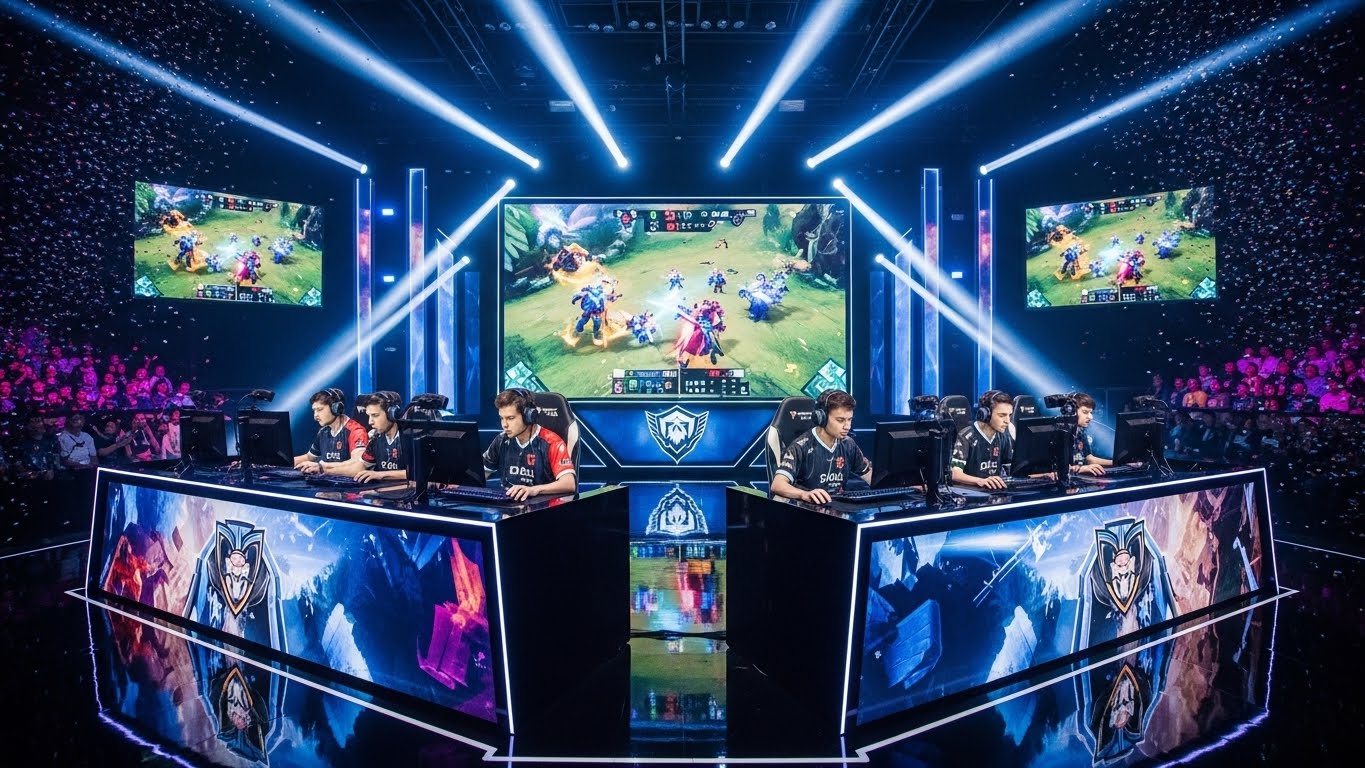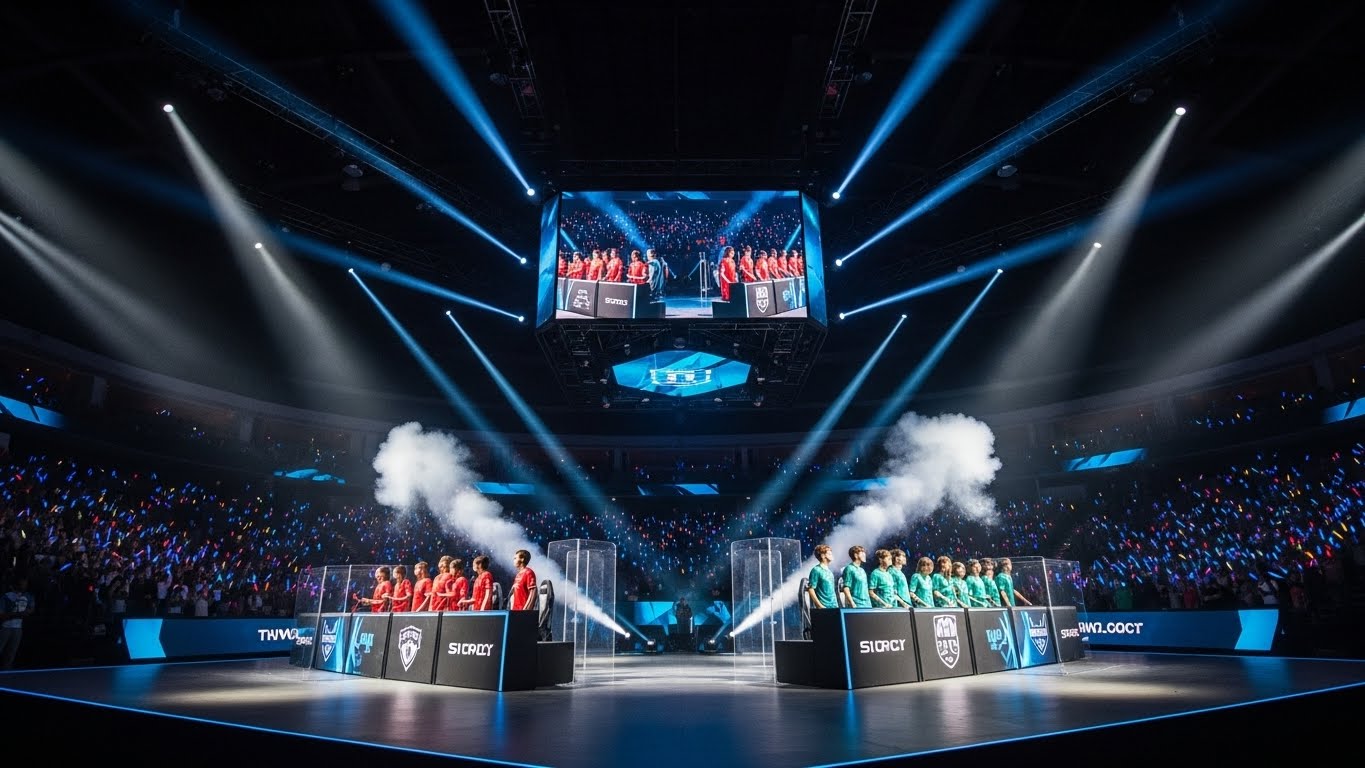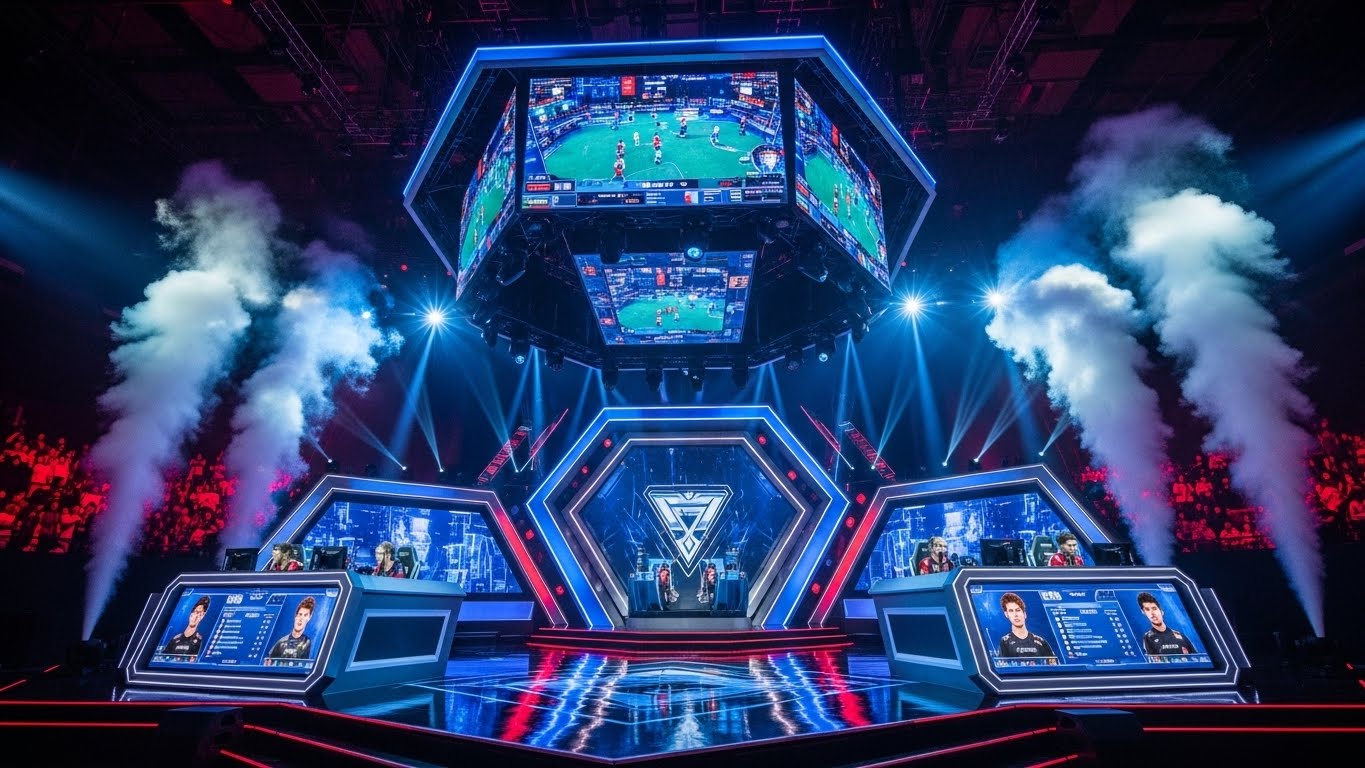
In recent years, esports has surged from a niche hobby into a booming global industry. What was once a small community of gamers watching and competing in tournaments in basements and arcades has now blossomed into a multi-billion-dollar enterprise with massive audiences, sponsorship deals, and professional teams. The esports world is fast, exciting, and full of opportunity, attracting millions of fans and players worldwide. But how did this once-obscure subculture grow into one of the most influential trends in entertainment?
In this blog post, we will explore the evolution of esports, its current state, the industries surrounding it, and what the future holds for this rapidly expanding phenomenon.
1. Understanding Esports: More Than Just Playing Games
Esports, short for “electronic sports,” refers to competitive video gaming, typically played in tournaments where professional players or teams face off against each other. While competitive gaming has existed in various forms for decades, the emergence of esports as a formalized industry is a relatively recent development.
The Basics of Esports
Esports is not just about playing video games. It involves strategy, teamwork, and skills at the highest level. Competitive gaming spans a wide variety of genres, from real-time strategy games like StarCraft to first-person shooters like Counter-Strike: Global Offensive and Call of Duty, as well as multiplayer online battle arena (MOBA) games like League of Legends and Dota 2.
Professional players dedicate countless hours to practice, refine their skills, and develop strategies in much the same way traditional athletes train for their respective sports. It’s also a team effort—many top esports titles are played in teams, with each member bringing unique skills to the table, whether it’s sharp reflexes, tactical thinking, or communication.
2. The History of Esports: From Arcade Competitions to Global Tournaments
Esports didn’t appear overnight. Its evolution has been shaped by advancements in technology, internet accessibility, and the changing landscape of entertainment. The early days of competitive gaming can be traced back to the 1980s when arcade games such as Space Invaders held tournaments and local competitions.
The Birth of Competitive Gaming
In the 1990s, as home computers and consoles became more widespread, so did the idea of multiplayer video games. Games like Quake and StarCraft brought people together in local area network (LAN) parties, where gamers would connect their computers and play against each other. These gatherings were some of the earliest forms of competitive gaming.
By the late 1990s and early 2000s, the internet became more accessible, and online multiplayer games like Warcraft III and Counter-Strike enabled gamers to compete in global tournaments. This laid the foundation for the professional esports leagues we see today.
The Emergence of Major Esports Tournaments
The first major esports tournaments began taking shape in the early 2000s, with organizations like Major League Gaming (MLG) and the World Cyber Games (WCG) hosting high-profile competitions. These tournaments attracted players from around the world, and the prize pools began to grow significantly. The League of Legends World Championship, which started in 2011, is a prime example of how esports competitions have evolved into global events, with millions of viewers and multi-million-dollar prize pools.
3. The Business of Esports: Sponsorship, Advertising, and Streaming
What truly distinguishes esports from traditional gaming is its massive financial ecosystem. Once seen as a hobby for passionate players, esports has transformed into a business with a complex web of sponsorships, advertising deals, and media rights agreements.
Sponsorships and Partnerships
Esports teams and tournaments attract a wide range of sponsors from outside the gaming industry. Traditional sports brands like Nike, Adidas, and Coca-Cola have all invested in esports, recognizing the massive potential of this new audience. These sponsorships cover everything from player gear to event broadcasting. Popular esports teams also sign lucrative deals with companies in sectors such as technology, telecommunications, and energy drinks.
The Role of Streaming
Streaming platforms like Twitch, YouTube Gaming, and Facebook Gaming have been instrumental in the growth of esports. These platforms allow viewers to watch live broadcasts of tournaments, practice sessions, and player interactions. Streaming also gives players a way to build personal brands, earn revenue through ads, subscriptions, and donations, and connect with fans.
For many top-tier players, streaming is a source of income that rivals, or even exceeds, their earnings from tournament prizes. The ability to reach global audiences and create personal content has opened up new career paths for gamers, further legitimizing esports as a viable industry.
Media Rights and Broadcasting
Television networks and streaming services are also keen to tap into the esports market. Major events like The International (Dota 2’s premier tournament) and League of Legends Worlds are often broadcast live on platforms like ESPN, YouTube, and Twitch. Media rights deals allow tournament organizers and game developers to reach millions of viewers and capitalize on the growing interest in esports.
4. The Esports Ecosystem: Teams, Players, and Coaches
At the heart of esports lies its players—individuals who possess exceptional skills and dedication to their chosen games. These players are often part of larger organizations or esports teams, which are structured similarly to traditional sports teams. Behind the scenes, there are coaches, analysts, and managers who help guide teams toward success.
Esports Teams and Organizations
Esports organizations such as Cloud9, T1, and Team Liquid have become household names in the gaming world. These teams recruit the best players, provide training facilities, and manage everything from marketing to sponsorships. Just like traditional sports teams, esports organizations have become brands that sign lucrative deals with sponsors, streamers, and advertisers.
The Role of Coaches and Analysts
While many people think of esports as a solo endeavor, the team dynamic is central to many of the most popular games. Teams have coaches who help players improve their performance, strategize for upcoming matches, and manage their mental health. Analysts, who break down games and provide tactical insight, are also a vital part of the process. These coaching staffs are crucial in a team’s success and are becoming increasingly sophisticated as esports becomes more professionalized.
Players: The Stars of the Show
Top players are treated like celebrities. Many have millions of followers on social media platforms, and some even sign multi-million dollar contracts. In games like League of Legends, Dota 2, and Overwatch, professional players are not just competing for prize money; they are also building personal brands and engaging with fans on a global scale.
5. The Audience: Why People Watch Esports
The appeal of esports is not limited to playing the games themselves. Millions of fans watch competitive gaming events as they would any traditional sporting event. But what exactly draws people to watch esports?
The Thrill of Competition
Much like traditional sports, esports offer fans the excitement of competition, the thrill of watching high-level performance, and the drama of close matches. Whether it’s the intense team fights in League of Legends or the clutch plays in Counter-Strike, esports provide a level of excitement and intensity that keeps audiences engaged.
Fan Engagement and Community
Esports also foster a sense of community. Fans can interact with players, join fan clubs, and participate in discussions about their favorite teams and games. Platforms like Twitch allow fans to chat live during events, creating an interactive experience that is distinct from traditional sports. Additionally, fans often have access to exclusive content, behind-the-scenes footage, and interviews, further strengthening their connection to the esports scene.
6. The Future of Esports: Growth, Challenges, and Sustainability
As esports continues to grow, it faces both opportunities and challenges. The global expansion of esports is expected to continue, but issues such as player health, mental well-being, and sustainability need to be addressed.
Expansion into New Markets
Esports is already a global phenomenon, with tournaments taking place in North America, Europe, Asia, and beyond. In the coming years, esports will continue to expand into new regions, including emerging markets in Latin America, Africa, and the Middle East. With the rise of mobile esports, the accessibility of competitive gaming will only increase.
Mental Health and Well-Being
One of the challenges facing esports is the mental and physical well-being of players. The long hours of practice, constant pressure to perform, and intense competition can lead to burnout and mental health issues. Many organizations are now implementing support systems, including psychologists and wellness programs, to help players cope with the stresses of professional gaming.
Sustainability of the Industry
As the esports industry grows, so does the need for long-term sustainability. Ensuring that tournaments, teams, and players can continue to thrive without burning out will require innovative approaches to sponsorships, media rights, and content creation. Additionally, addressing the environmental impact of large-scale events and reducing e-waste will be important for the future of esports.
Conclusion: Esports as the Future of Entertainment
Esports has evolved from a niche interest to a global powerhouse in the entertainment industry. With millions of viewers, top-tier sponsorships, and a growing number of professional players, esports is firmly established as one of the most exciting and fast-growing sectors of entertainment.
As the industry continues to grow, so too will the opportunities for players, teams, sponsors, and fans. The rise of esports is a testament to the power of digital communities and the universal appeal of competition, regardless of the medium. The future of esports looks bright, with new games, new technologies, and new opportunities emerging every year.
Esports has arrived, and it’s here to stay. The question now is not whether esports will continue to grow, but how it will shape the future of entertainment, gaming, and beyond.