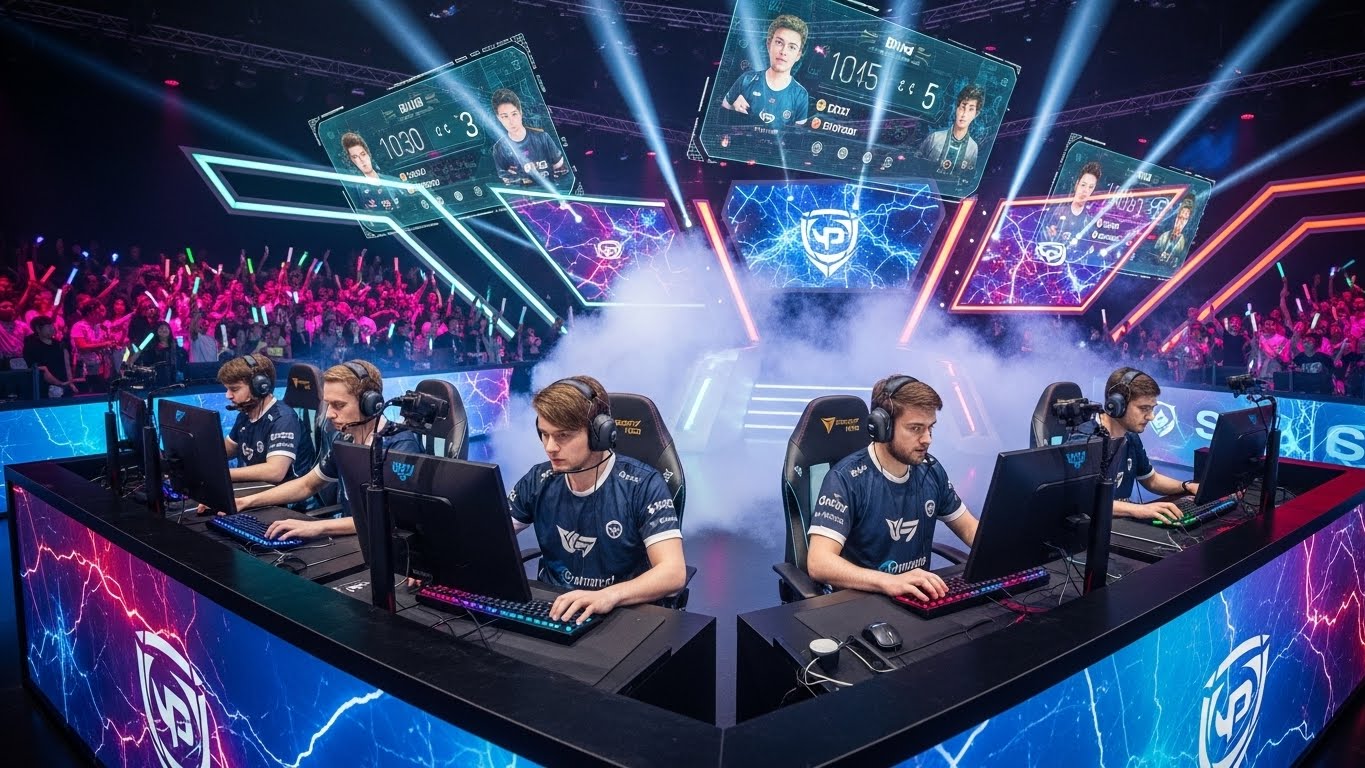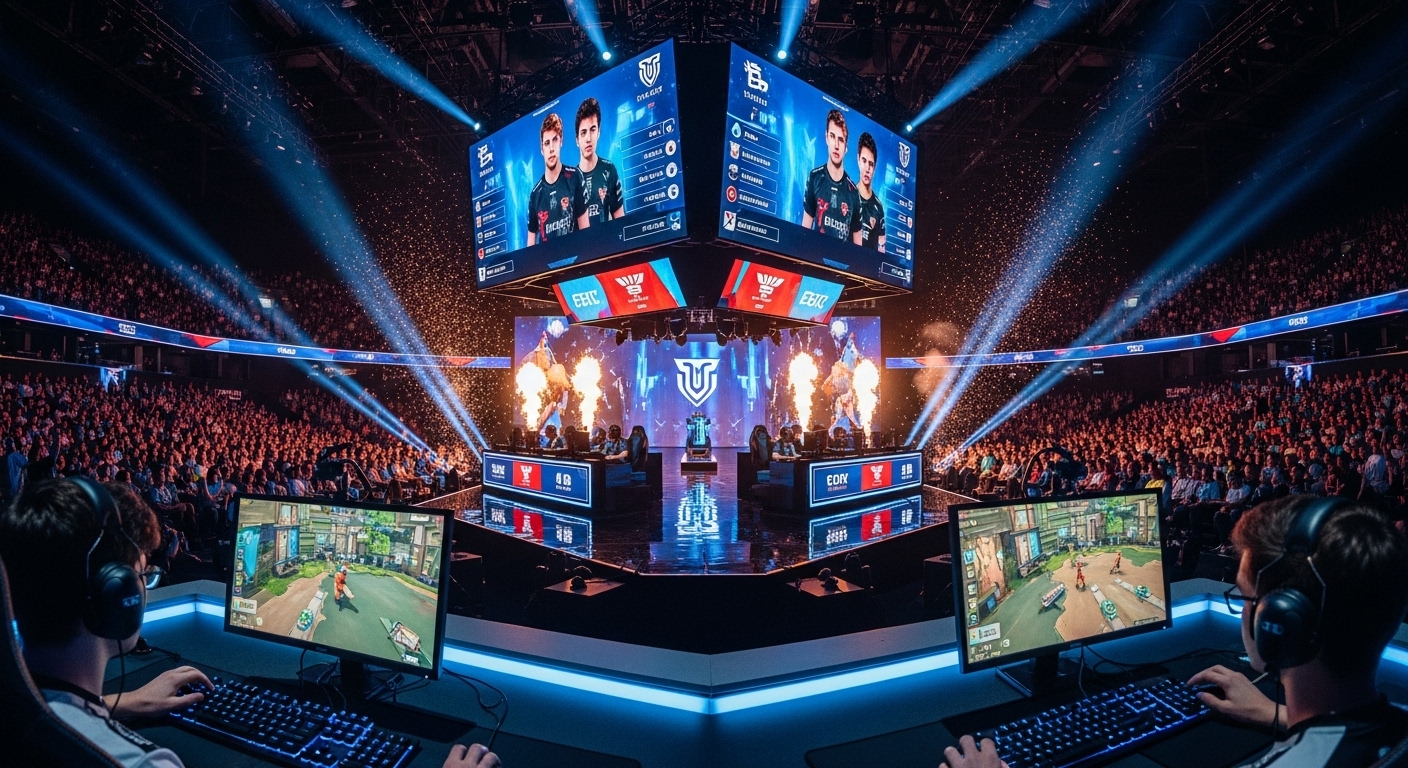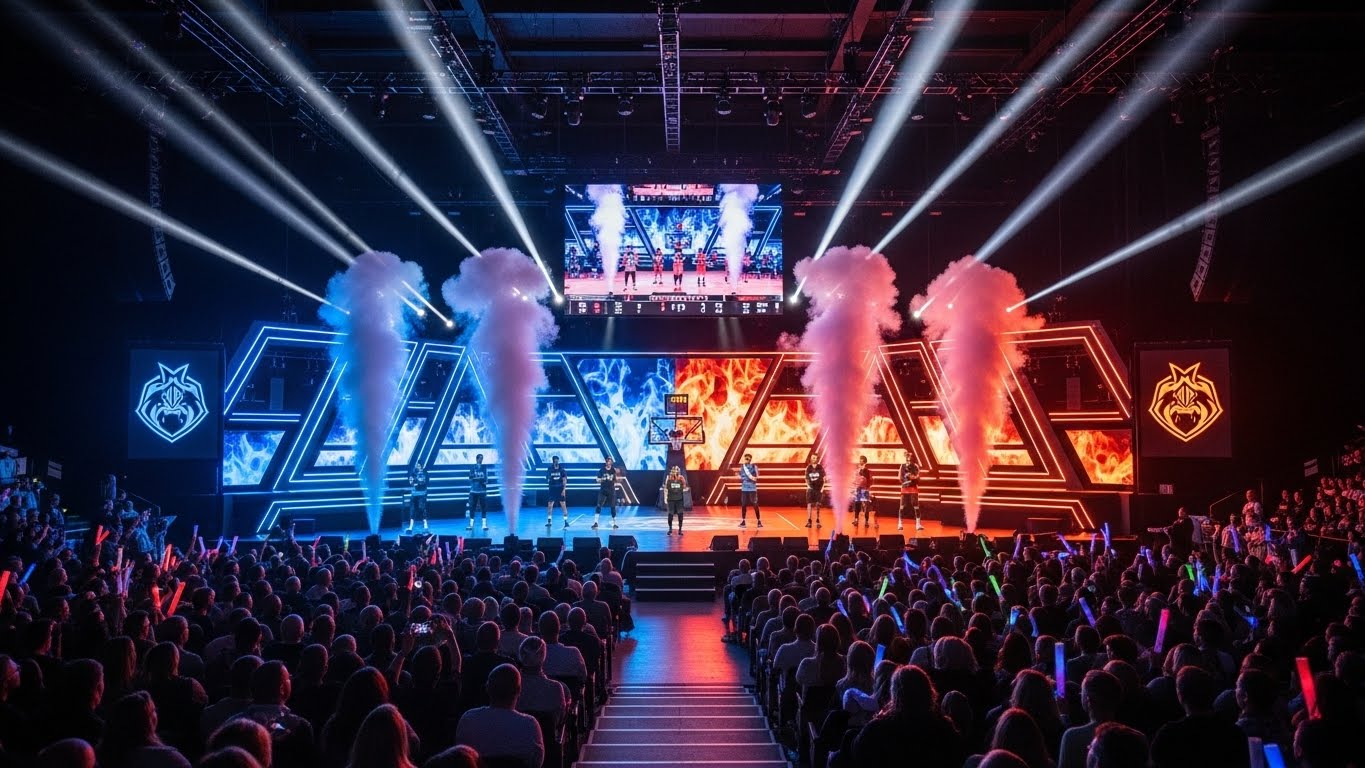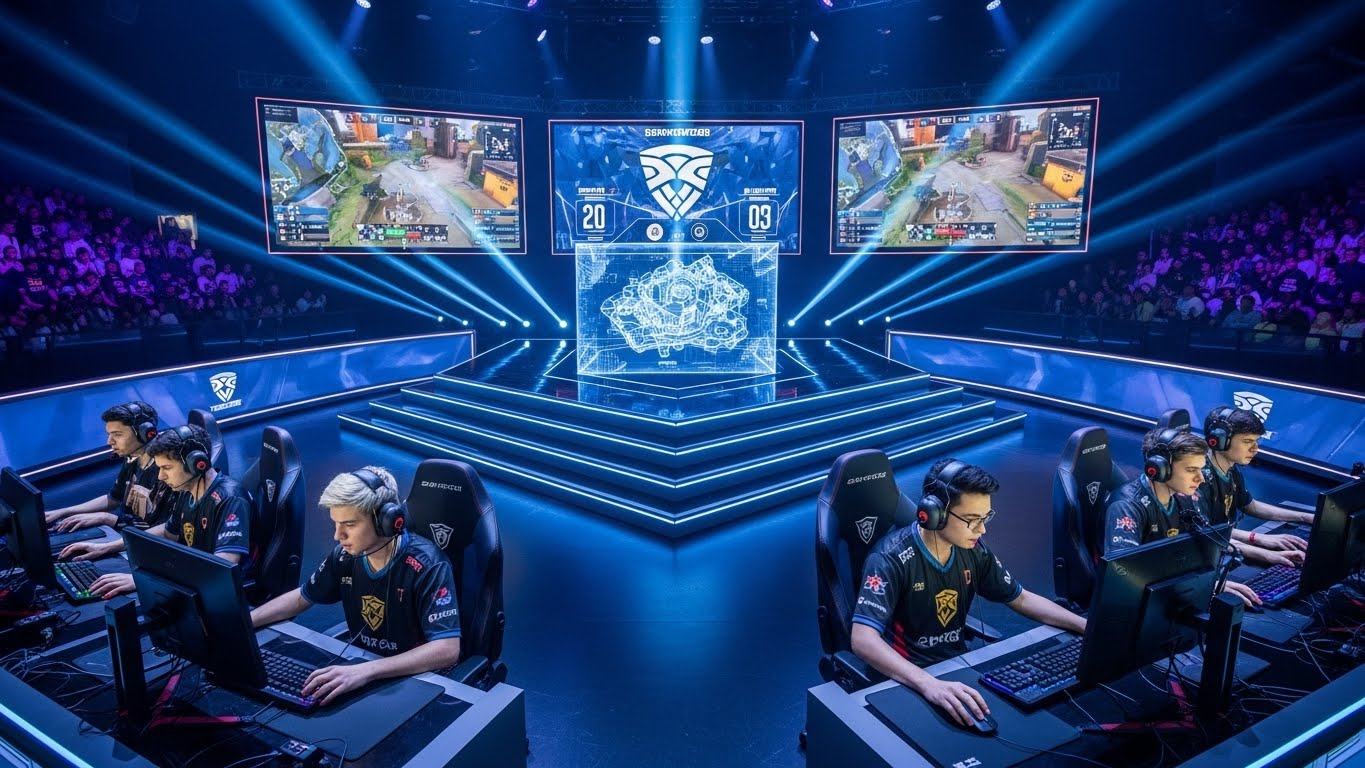
Esports has come a long way from its humble beginnings in arcades and local LAN parties. What was once considered a niche activity, enjoyed only by a select group of gamers, has evolved into a global industry worth billions of dollars. Today, competitive gaming is not only a spectator sport but also a full-fledged career for many players, with millions of viewers tuning in to watch tournaments, matches, and streams on a daily basis. In this blog post, we will take an in-depth look at the rise of esports, the factors that contributed to its growth, its current state, and what the future might hold for the industry.
The Early Days: From Arcade Games to Online Competitions
The concept of competitive gaming can be traced back to the late 20th century, when arcade games like Pong, Space Invaders, and Pac-Man first captivated audiences around the world. These early games were not designed for competition, but as gamers gathered in arcades, they began to compare high scores and challenge each other to beat records. This created a culture of competition that would later evolve into what we now know as esports.
In the 1990s, the gaming landscape began to shift as home computers and consoles made multiplayer gaming possible. Games like Quake, StarCraft, and Warcraft III were some of the first to introduce competitive multiplayer experiences. The advent of the internet allowed players to compete against each other from different locations, leading to the formation of online gaming communities and tournaments. As the technology advanced, so did the scope of the competitions, giving birth to what would become the modern esports industry.
The Professionalization of Esports: Major Leagues and Tournaments
The real turning point for esports came in the early 2000s when organizations like Major League Gaming (MLG) in the United States and ESL (Electronic Sports League) in Europe began to establish professional leagues and tournaments. These organizations provided a platform for players to compete in high-stakes, organized events, offering prize money, sponsorship deals, and media exposure. It was during this time that esports started to be viewed as a legitimate industry rather than just a hobby or pastime.
The launch of League of Legends in 2009 marked a major milestone in the growth of esports. Riot Games, the developer behind LoL, introduced the game with a focus on professional competition, which helped foster a thriving esports scene. The first League of Legends World Championship in 2011 was a game-changer for esports, setting the stage for the massive growth of the industry. In 2013, Riot Games raised the stakes by introducing a regular season for professional LoL teams, further solidifying the game’s position at the top of the esports pyramid.
The Appeal of Esports: What Makes It So Popular?
Esports’ appeal can be attributed to a number of factors that resonate with both players and viewers. One of the primary reasons for esports’ rapid growth is its accessibility. Unlike traditional sports, where players often need specialized training, equipment, and physical conditioning, esports allows virtually anyone with a computer or console to participate. The barrier to entry is relatively low, and many games are free-to-play, making it easier for a wide range of people to get involved.
Moreover, esports offers a unique blend of entertainment. Viewers are not just watching players; they are witnessing intense, high-level strategic battles where skill, teamwork, and split-second decisions can change the outcome of a game. Games like League of Legends, Dota 2, and Counter-Strike: Global Offensive offer complex strategies and constant updates, ensuring that the gameplay remains dynamic and fresh. For fans, watching the best players in the world compete is akin to watching professional athletes in traditional sports.
Another key factor is the rise of streaming platforms like Twitch and YouTube Gaming. These platforms have enabled players to stream their gameplay, interact with fans, and build a global following. For many viewers, esports has become more than just watching a game—it’s about connecting with the players, following their journeys, and being part of a larger community. The rise of influencers and content creators within the gaming space has also helped fuel the popularity of esports, with personalities like Ninja, Shroud, and Pokimane amassing millions of followers.
The Financial Boom: Esports as a Multi-Billion-Dollar Industry
Esports has transitioned from a niche hobby to a multi-billion-dollar industry. In 2023, the global esports industry was valued at over $1 billion, with projections indicating that it will continue to grow significantly in the coming years. This financial boom can be attributed to several factors, including sponsorships, media rights deals, and an increasing number of major tournaments with large prize pools.
Sponsorships have become one of the most significant revenue streams for esports. Major brands from industries such as technology, fashion, and energy drinks have been eager to tap into the rapidly growing gaming audience. Esports teams, players, and tournaments have secured sponsorship deals with global companies like Intel, Red Bull, and Coca-Cola, further legitimizing esports as a mainstream form of entertainment.
Prize pools for esports tournaments have also skyrocketed. For example, The International, an annual Dota 2 championship, consistently boasts one of the largest prize pools in esports history, with over $40 million in prize money in 2023. Other tournaments, such as the League of Legends World Championship and Counter-Strike: Global Offensive majors, also offer multi-million-dollar prize pools, attracting top-tier players from around the world.
In addition to sponsorships and prize money, esports organizations are capitalizing on media rights deals. Broadcasting rights for esports events have been sold to platforms like ESPN, Twitch, YouTube, and even traditional TV networks, expanding the reach of esports to mainstream audiences. These partnerships have brought esports to new heights and have played a crucial role in the industry’s growth.
The Global Impact of Esports
One of the most striking aspects of esports is its global reach. Unlike traditional sports, which often have regional fanbases and infrastructure, esports is inherently international. With games like League of Legends, Dota 2, and Counter-Strike being played by millions of people around the world, esports tournaments have the potential to reach audiences in every corner of the globe.
In countries like South Korea, esports is already considered a mainstream form of entertainment, with professional leagues and tournaments broadcast on national television. In the United States and Europe, esports has seen a steady rise in popularity, with sold-out arenas and packed live events. The global appeal of esports has also opened doors for players and teams from a variety of backgrounds, contributing to the diversity of the esports community.
Esports has also had a significant impact on the education sector. Many universities and colleges now offer esports programs and scholarships, recognizing the potential for competitive gaming to develop valuable skills such as teamwork, strategy, and leadership. In 2018, the National Association of Collegiate Esports (NACE) was founded in the United States to provide support for college esports teams. In Asia, esports has even been included as a demonstration sport in the Asian Games, further validating its status as a legitimate competition.
The Future of Esports: Where Is It Headed?
As esports continues to expand, the future holds exciting possibilities. One trend that is already gaining traction is the integration of new technologies like virtual reality (VR) and augmented reality (AR). These technologies could revolutionize the esports experience, making it more immersive for both players and viewers. VR could allow players to engage in virtual arenas, while AR could enhance live broadcasts by providing interactive overlays and real-time data analysis.
Another key development is the increasing presence of esports in mainstream sports. Traditional sports organizations are beginning to take notice of the growth of esports, with some even investing in or partnering with esports organizations. The NBA, for instance, has launched the NBA 2K League, a professional esports league based on the popular basketball video game. As esports continues to merge with traditional sports, we may see more hybrid events, where real-life athletes compete alongside esports professionals.
Diversity and inclusion will also play a major role in shaping the future of esports. Historically, esports has been dominated by male players, but there is a growing push for greater gender diversity within the community. More women are entering the competitive gaming space, and initiatives are being launched to encourage young girls to get involved in gaming and esports. As the community becomes more inclusive, it will open up opportunities for even greater innovation and growth.
Finally, sustainability will be a key focus for the future of esports. As the industry grows, there will be increased pressure to reduce its environmental impact. From energy consumption during live events to the carbon footprint of travel and production, esports organizations will need to adopt more sustainable practices to ensure the long-term viability of the industry.
Conclusion: Esports—A New Era of Entertainment
Esports has firmly established itself as a global force in the entertainment industry. What started as a hobby for gamers has grown into a multi-billion-dollar industry, with professional players, organizations, and fans around the world. The combination of accessibility, excitement, and community has made esports a major player in the entertainment landscape, and it shows no signs of slowing down.
As technology continues to evolve, esports will continue to innovate, offering new experiences for both players and viewers. With increased investment, growing diversity, and expanding global reach, esports is poised to become an even more integral part of our digital lives in the years to come. The future of esports is bright, and it’s a thrilling time to be part of this ever-evolving industry.