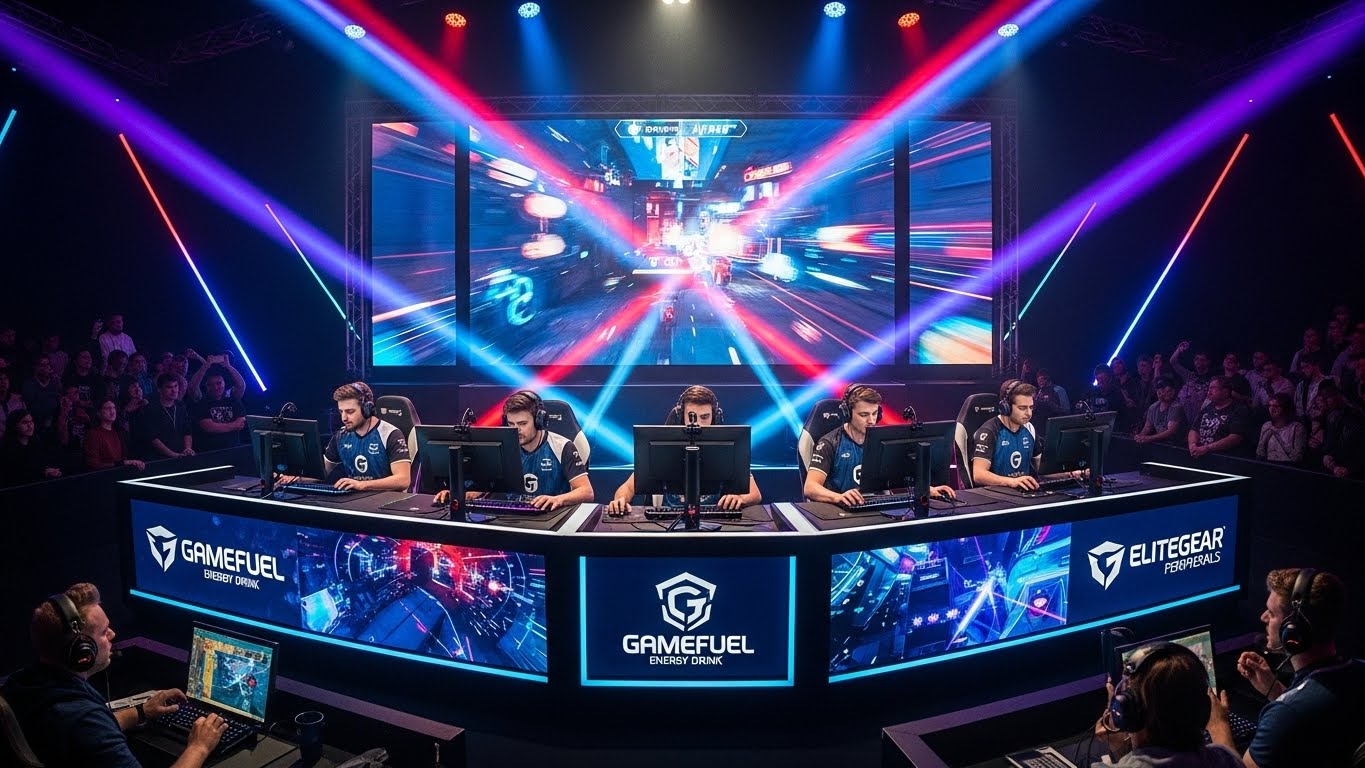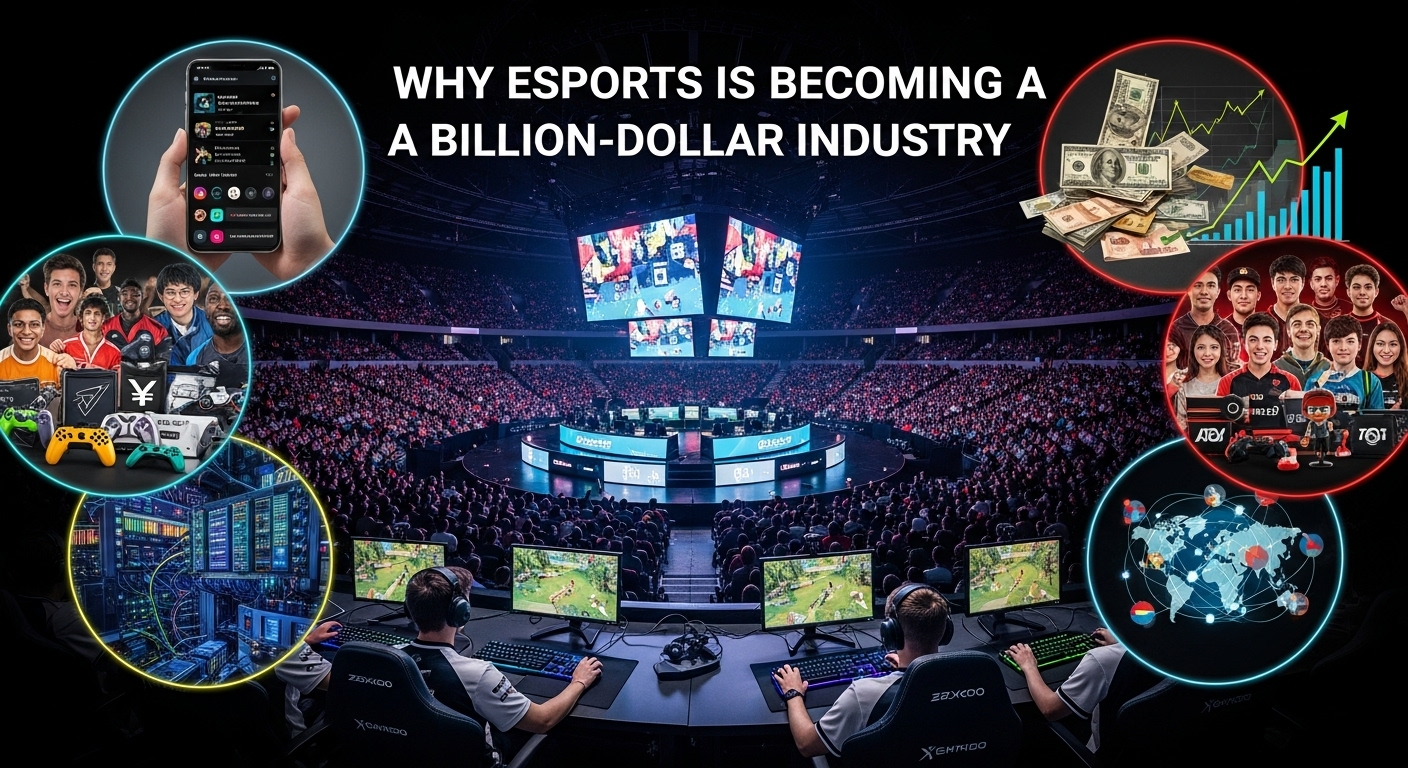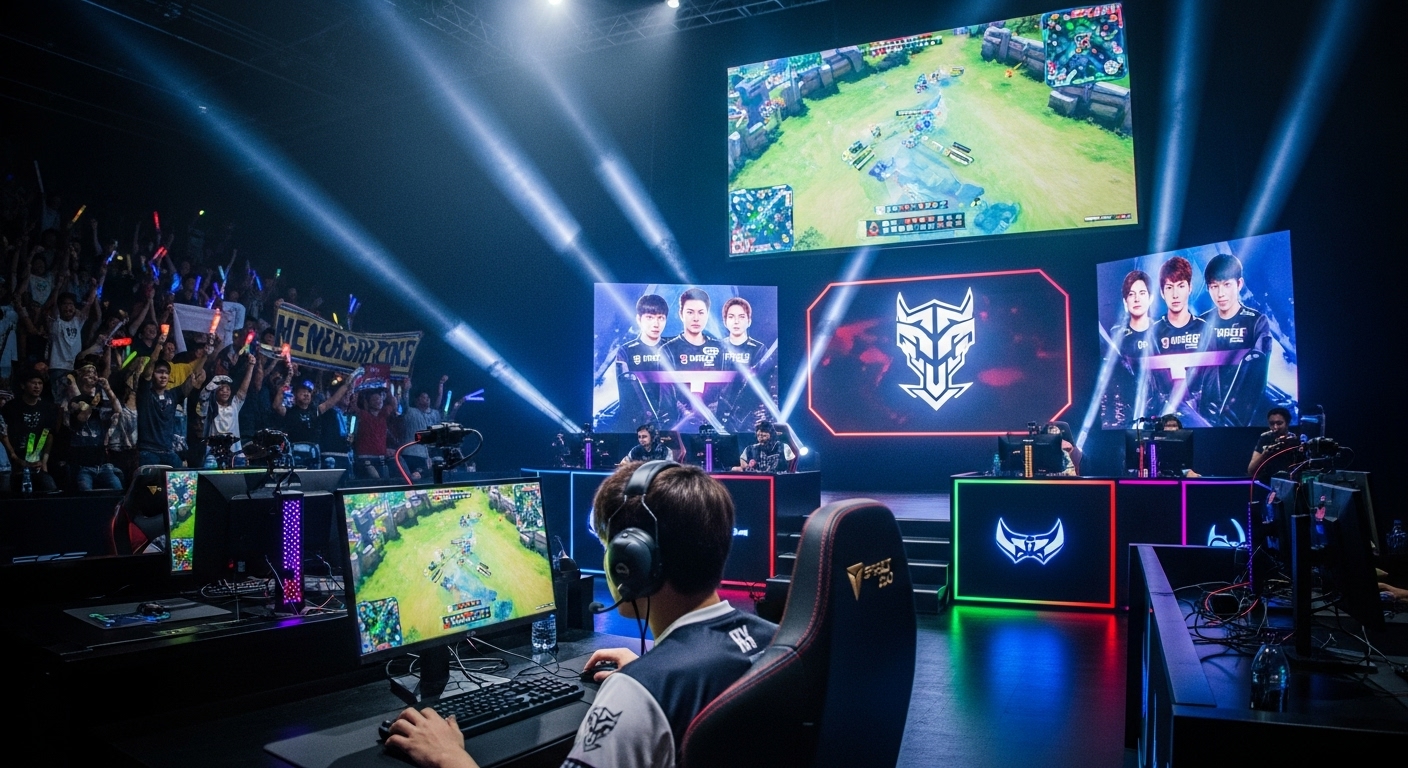
Esports, or competitive video gaming, has transformed from a small, niche hobby into a global industry worth billions of dollars. Once dismissed as a pastime for enthusiasts, esports now commands massive audiences, lucrative sponsorship deals, and professional athletes with fan bases rivaling traditional sports stars. The rise of esports demonstrates the intersection of technology, entertainment, and human competition, creating a cultural and economic force that shows no signs of slowing down.
This blog explores the evolution of esports, its global impact, technological advancements, player culture, economic significance, and the future of competitive gaming. By understanding how esports has developed, we can appreciate its significance not only as entertainment but also as a transformative social and technological phenomenon.
The Origins of Esports
The roots of esports trace back to the late 1970s and 1980s when the first video game competitions were organized. Early gaming contests, such as the Space Invaders Championship in 1980, attracted thousands of participants in arcades across the United States. These events were rudimentary by today’s standards, yet they laid the foundation for competitive gaming as a structured activity.
With the rise of personal computers and early consoles in the 1990s, multiplayer games such as Doom, Warcraft, and Quake created new opportunities for competitive play. Players could compete in local networks or small online communities, fostering rivalry, teamwork, and recognition. These games introduced the first esports stars, players whose skills and strategies set benchmarks for others to follow.
The Evolution of Competitive Gaming
The 2000s marked the formalization of esports as a global phenomenon. The rise of online gaming platforms and broadband internet allowed players to compete across continents. Titles such as StarCraft, Counter-Strike, and Warcraft III became staples of competitive gaming, attracting both amateur and professional players.
Professional tournaments started emerging, offering prize pools that, while modest by today’s standards, incentivized skill development and career aspirations. South Korea played a crucial role in esports’ early rise, particularly with StarCraft, which became a national obsession. Television networks broadcast matches, professional leagues were established, and players began earning sponsorships and salaries. This model demonstrated that competitive gaming could be both entertaining and commercially viable.
Major Esports Genres
Esports encompasses a wide variety of game genres, each with unique competitive structures and fan communities.
Multiplayer Online Battle Arenas (MOBAs)
Games like League of Legends and Dota 2 dominate the MOBA genre. These games involve teams of players controlling unique characters with distinct abilities, competing to destroy opponents’ bases. MOBAs are celebrated for their strategic depth, teamwork, and high skill ceiling, attracting millions of viewers worldwide.
First-Person Shooters (FPS)
FPS games such as Counter-Strike: Global Offensive, Call of Duty, and Overwatch emphasize reflexes, aim, and tactical coordination. FPS tournaments often feature high-stakes matches with intense audience engagement, and professional FPS players are regarded as some of the most skilled competitors in esports.
Real-Time Strategy (RTS)
RTS games like StarCraft II and Age of Empires focus on resource management, unit control, and strategic planning. RTS competitions demand fast decision-making and foresight, rewarding players with strong analytical and multitasking skills.
Battle Royale and Survival Games
Titles like Fortnite, PUBG, and Apex Legends have brought battle royale gameplay to esports audiences. These games combine survival mechanics with last-player-standing competition, creating unpredictable and exhilarating matches.
Fighting Games
Games such as Street Fighter, Tekken, and Super Smash Bros. emphasize one-on-one skill, reflexes, and mastery of character mechanics. Fighting game tournaments are often celebrated for their passionate communities and fan-driven culture.
The Rise of Esports Leagues and Tournaments
The professionalization of esports has been fueled by leagues and tournaments. The establishment of structured competitions has legitimized esports as a career path and a spectator sport.
Major tournaments like The International for Dota 2, the League of Legends World Championship, and CS:GO Major Championships offer multimillion-dollar prize pools, attracting top talent and massive audiences. Regional leagues, such as the Overwatch League and Call of Duty League, operate like traditional sports franchises with city-based teams, player contracts, and seasonal schedules.
Tournaments are not just about competition—they are entertainment spectacles. They feature professional commentary, live broadcasts, fan engagement events, and elaborate production values, making esports a full-fledged spectator experience.
The Global Impact of Esports
Esports has a far-reaching cultural and social influence. It bridges geographical, cultural, and linguistic barriers, creating a shared global community of players and fans. Online streaming platforms like Twitch, YouTube Gaming, and regional alternatives have enabled millions of people to watch matches, learn strategies, and interact with professional players in real time.
Esports also impacts education. Universities and colleges now offer scholarships for esports athletes, creating academic programs around game design, management, and competition. This formalization elevates esports as a respected avenue for skill development, career planning, and social engagement.
Moreover, esports has become an ambassador for digital culture, influencing music, fashion, and lifestyle. Top players often have celebrity-like status, with dedicated fanbases, sponsorship deals, and social media influence.
Technology Driving Esports
The growth of esports is inseparable from technological advancement. High-performance gaming PCs, low-latency internet connections, streaming infrastructure, and cloud computing all contribute to creating professional-grade competition environments.
Artificial intelligence and data analytics also play critical roles. Teams analyze gameplay footage, opponent tendencies, and statistical trends to refine strategies and improve performance. Hardware innovations, such as high-refresh-rate monitors, precision peripherals, and ergonomic gaming chairs, ensure that professional players can compete at peak performance.
Virtual reality and augmented reality are emerging frontiers in esports, potentially creating new genres of competitive gaming with immersive experiences that blur the line between physical and digital worlds.
The Economics of Esports
Esports is a billion-dollar industry with multiple revenue streams. Prize money, sponsorship deals, media rights, merchandise, and ticket sales contribute to a diverse economic ecosystem. Major technology brands, beverage companies, and apparel brands invest heavily in esports sponsorships to reach younger, tech-savvy audiences.
Streaming platforms monetize viewership through subscriptions, advertisements, and donations, creating opportunities for both individual content creators and professional teams. Additionally, esports betting has emerged as a lucrative sector, connecting fans to competitions in interactive and financially engaging ways.
The industry’s growth has also stimulated job creation beyond competitive play. Roles in broadcasting, event management, coaching, marketing, analytics, and game development have flourished, creating a full-fledged employment ecosystem around esports.
Player Culture and Training
Professional esports athletes exhibit discipline, skill, and dedication comparable to traditional sports players. Many teams maintain rigorous training schedules, focusing on strategy, reflexes, teamwork, and communication. Coaches and analysts provide guidance, breaking down gameplay, reviewing mistakes, and refining team synergy.
Esports culture also emphasizes mental health and wellness. The pressures of competitive gaming, coupled with long hours of practice, necessitate support systems that address stress, fatigue, and burnout. Nutrition, physical fitness, and mindfulness practices are increasingly part of the professional regimen.
Women and Diversity in Esports
While esports has historically been male-dominated, efforts to increase diversity and inclusion are gaining momentum. Female players, commentators, and content creators are gaining visibility and recognition, breaking stereotypes and inspiring the next generation. Organizations and tournaments are introducing initiatives to create safe and inclusive environments for all players.
Diversity in esports is not limited to gender. Players from various cultural and geographic backgrounds contribute to a global ecosystem, fostering cross-cultural interaction and understanding through shared gaming experiences.
Esports as Entertainment
Esports is as much about entertainment as it is about competition. High-quality production, storytelling, and fan engagement transform matches into spectacles. Professional commentators, often called casters, provide narrative and excitement that enhance viewer experience. Analysts break down complex strategies, making gameplay accessible to newcomers while keeping experts engaged.
Fan participation, including interactive voting, chat engagement, and community challenges, ensures that esports is a participatory and dynamic form of entertainment. These elements have made esports a staple of digital media consumption, competing with traditional sports in both audience size and fan engagement.
Challenges Facing Esports
Despite its rapid growth, esports faces several challenges. Regulatory issues vary across regions, impacting tournament organization, player contracts, and online betting. The risk of gambling addiction, especially among younger audiences, requires responsible oversight.
Player health and burnout remain significant concerns, necessitating guidelines for training, rest, and mental health support. Additionally, piracy, cheating, and toxic online behavior threaten the integrity of competitions and community experience. Addressing these challenges is crucial to ensuring sustainable growth and credibility for the industry.
The Future of Esports
The future of esports looks brighter than ever. Emerging technologies such as cloud gaming, AI-driven coaching, VR tournaments, and enhanced streaming capabilities promise to redefine competitive gaming. Esports will likely continue to expand its presence in mainstream media, with potential collaborations in film, television, music, and fashion.
The integration of esports into educational and professional pathways will further legitimize it as a career choice. Global accessibility will continue to increase, allowing more regions and demographics to participate. As the industry matures, it will likely see more standardization, professionalization, and cross-industry collaboration, cementing esports as a permanent fixture of global entertainment culture.
Conclusion
Esports has come a long way from its humble beginnings as arcade competitions to a multi-billion-dollar global phenomenon. It is a unique convergence of technology, skill, entertainment, and culture, influencing the way people play, watch, and engage with games.
The rise of esports demonstrates that competitive gaming is more than just a hobby—it is a legitimate sport, a form of entertainment, and an economic powerhouse. With advances in technology, growing inclusivity, and expanding global reach, esports is set to continue its upward trajectory, captivating audiences and inspiring the next generation of players worldwide.
The world of esports is a testament to human creativity, resilience, and the desire to compete and connect. As technology and culture evolve, esports will remain at the forefront, shaping the future of entertainment and redefining the boundaries of competition.