Introduction to the World of Esports
In the 21st century, one of the most fascinating revolutions in entertainment and competition has been the rise of esports. What began as small gaming tournaments among friends or local gaming clubs has transformed into a global industry worth billions of dollars. Esports, short for electronic sports, refers to competitive gaming where individuals or teams face off in video games at amateur and professional levels. Today, esports has evolved far beyond a niche hobby. It is a thriving ecosystem that includes professional players, coaches, analysts, event organizers, broadcasters, sponsors, and millions of devoted fans.
The appeal of esports lies not only in its entertainment value but also in its ability to connect people across borders, languages, and cultures. Through competitive gaming, people who might never meet in person share passion, rivalry, and community. Esports combines the thrill of traditional sports with the creativity and technology of the digital age, making it one of the most exciting cultural movements of the modern era.
The Evolution of Competitive Gaming
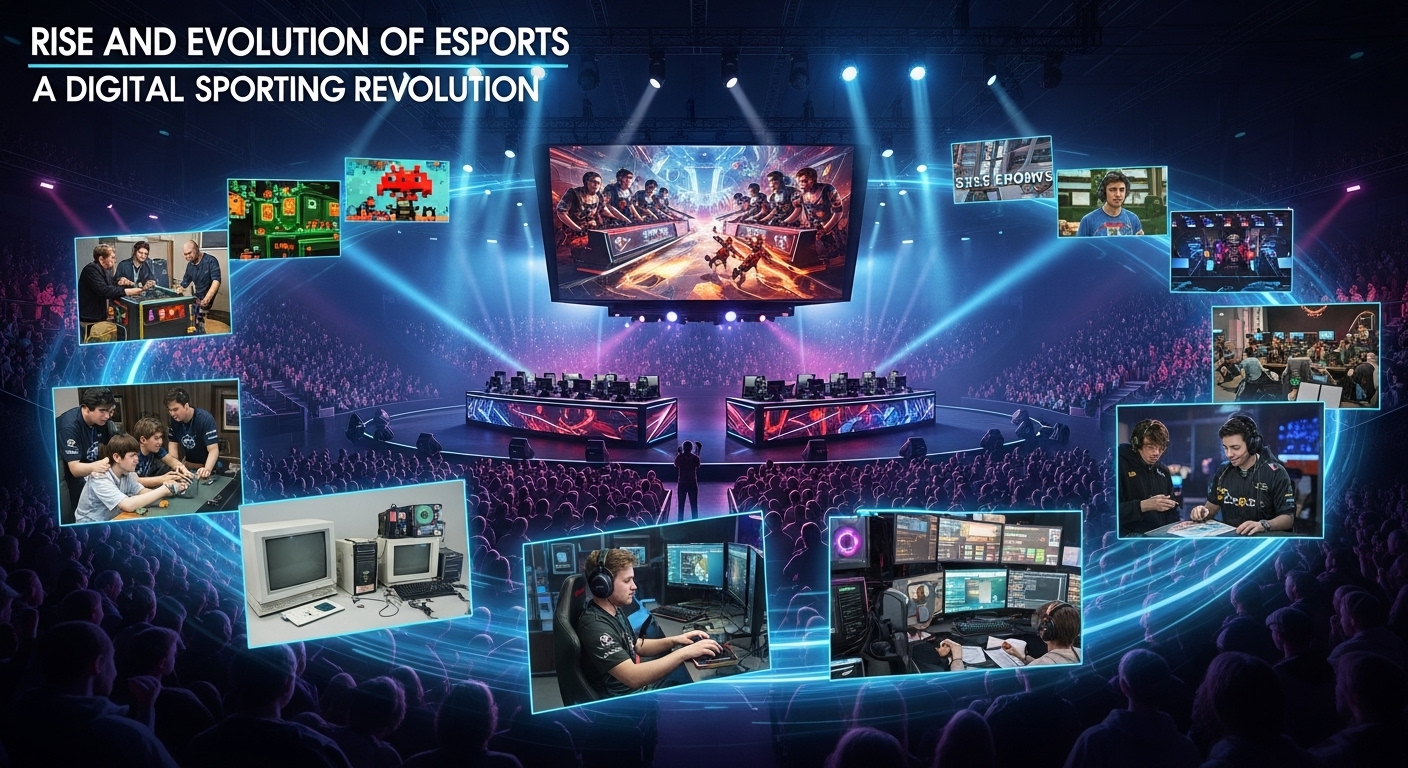
The journey of esports can be traced back to the early 1970s, when the first recorded video game competition took place at Stanford University. Students competed in a game called Spacewar, and the winner received a magazine subscription. From this humble beginning, the concept of gaming competitions slowly grew as arcade and console games gained popularity. In the 1980s, arcade tournaments and high-score competitions became more common, particularly with games like Pac-Man and Donkey Kong, where players would compete to reach record-breaking scores.
The 1990s brought about a major shift with the rise of personal computers and local area network (LAN) parties. Titles such as Doom, Quake, and StarCraft allowed players to battle each other in real time. This was the beginning of organized tournaments and leagues. The introduction of the internet in the late 1990s and early 2000s completely revolutionized gaming competitions, allowing players from different continents to compete instantly. Online multiplayer games such as Counter-Strike, Warcraft III, and Dota became the backbone of early esports.
As broadband internet became more accessible, the 2010s saw esports explode in popularity. Games like League of Legends, Dota 2, and Overwatch introduced structured leagues, global tournaments, and million-dollar prize pools. Streaming platforms such as Twitch and YouTube Gaming made it possible for millions of fans to watch their favorite players live, turning professional gamers into celebrities. Today, esports is no longer just about games—it’s an entire industry with production studios, training facilities, and sponsorship deals that rival traditional sports organizations.
The Growth of Esports as an Industry
The rapid expansion of esports has made it a major player in the global entertainment landscape. What sets esports apart from casual gaming is its professional structure. Teams are formed, contracts are signed, and players receive salaries, just like in football or basketball. Esports organizations now operate with managers, nutritionists, and mental health coaches to keep players at peak performance.
One of the biggest factors behind esports’ growth is accessibility. Unlike traditional sports that require specific physical conditions or expensive equipment, esports only requires a computer or console and a stable internet connection. This low barrier to entry allows talented players from all over the world to participate. Countries like South Korea, China, the United States, and Sweden have become esports powerhouses, producing some of the best teams and players in history.
Corporate sponsorship has also fueled the esports boom. Major brands from technology, energy drinks, fashion, and even automotive industries invest heavily in esports events. Tournaments are now broadcast on major TV networks, and arenas are packed with fans waving team flags and chanting for their favorite players. The prize pools have reached astonishing levels—some tournaments offer millions of dollars to the winners, solidifying esports as a legitimate career path.
The Rise of Professional Esports Players
The image of gamers has dramatically changed over the years. Once viewed as isolated individuals spending hours in front of screens, professional esports athletes are now seen as disciplined, strategic, and hardworking individuals. These players often train for 8 to 12 hours a day, refining their skills, studying opponents, and practicing teamwork. The level of dedication and commitment rivals that of professional athletes in traditional sports.
Many professional players begin their journey in their teenage years, honing their abilities online or through smaller regional tournaments. As they gain recognition, they are scouted by professional teams who provide them with training facilities, equipment, and financial support. Some players retire in their mid-20s due to the fast-paced nature of the industry, but many continue their careers as coaches, streamers, or content creators.
The fame and success of these players have made them role models for younger gamers around the world. Esports superstars are now featured in commercials, documentaries, and major media outlets. Their influence extends beyond gaming, shaping culture, fashion, and even technology trends.
The Role of Streaming and Digital Platforms
One of the most significant drivers behind the rise of esports has been live streaming. Platforms like Twitch, YouTube, and Facebook Gaming have turned competitive gaming into a spectator event. Millions of viewers tune in daily to watch tournaments, follow their favorite streamers, and engage with gaming communities. Unlike traditional television, these platforms allow for direct interaction between fans and players, creating a sense of connection and authenticity.
Streaming has also opened the door for amateur players to build audiences and earn income without being part of professional teams. Many gamers make a living through viewer donations, sponsorships, and subscriptions. This democratization of entertainment has given rise to a new generation of digital celebrities who have more influence over young audiences than traditional athletes or actors.
Moreover, streaming has allowed esports to reach a global audience in real time. Fans from Asia, Europe, and the Americas can watch the same tournament simultaneously, share reactions on social media, and create a shared global culture around gaming.
Major Esports Titles and Their Impact
Different games dominate different regions and audiences, but a few have shaped esports into what it is today. League of Legends stands as one of the most successful esports titles ever, with massive global tournaments like the World Championship drawing millions of viewers. Dota 2 is another giant, known for its enormous prize pools and complex gameplay. Counter-Strike: Global Offensive and its successor have defined competitive shooting games, combining teamwork, precision, and strategy.
Meanwhile, Overwatch, Valorant, and Rainbow Six Siege have brought new dimensions to tactical and hero-based shooters. FIFA and NBA 2K have bridged the gap between esports and traditional sports, allowing football and basketball fans to engage in digital competition. Fortnite and PUBG popularized the battle royale genre, where hundreds of players compete until only one remains.
Each of these games contributes to esports in unique ways—some focus on team strategy, while others emphasize individual skill. What they all share is the ability to captivate audiences, push players to their limits, and inspire innovation in game design and storytelling.
Esports Arenas and Global Tournaments
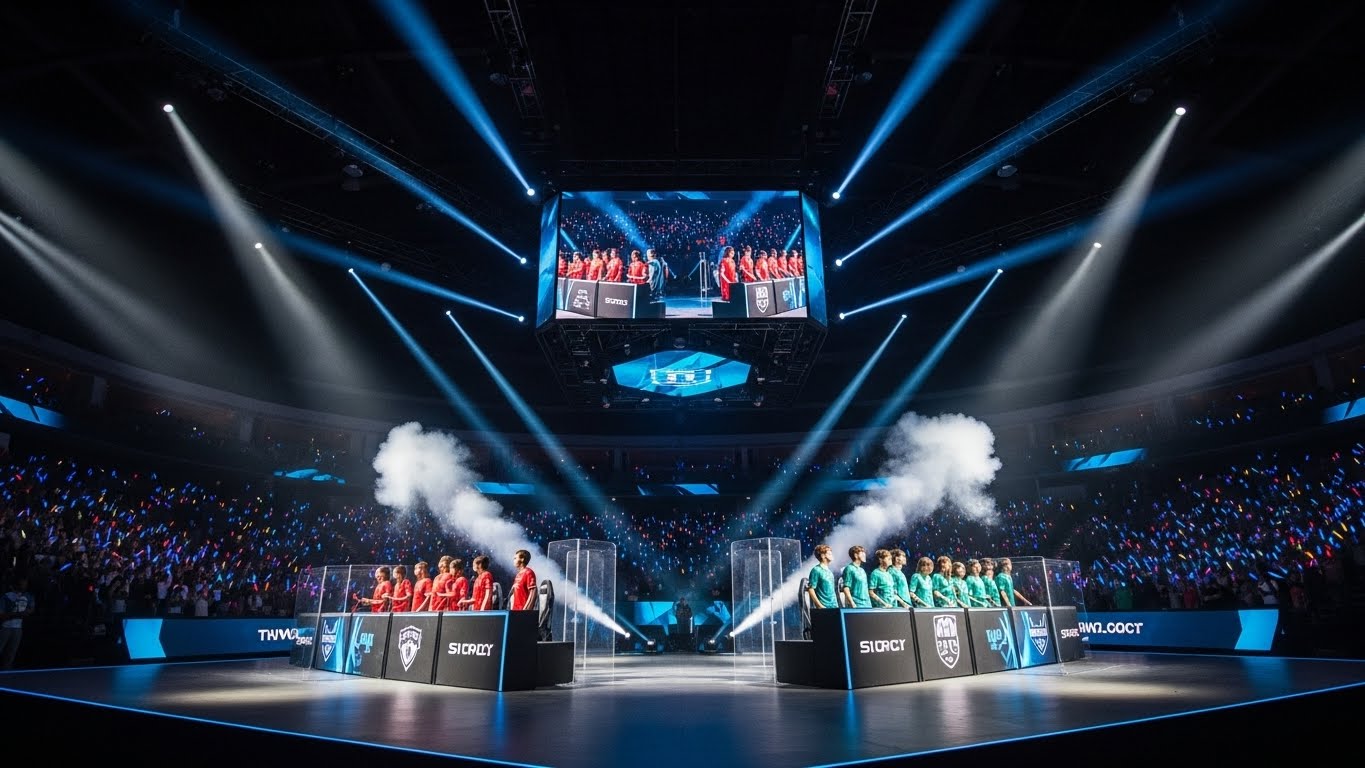
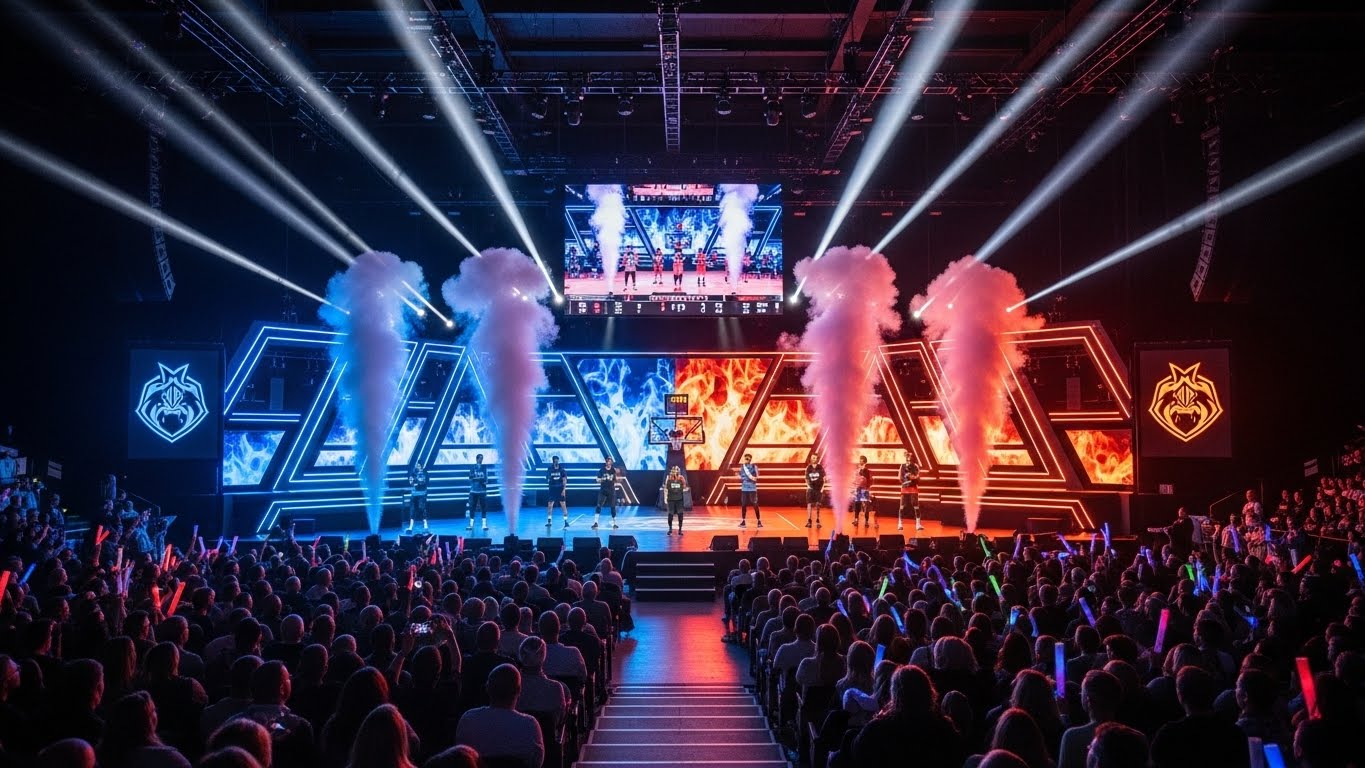
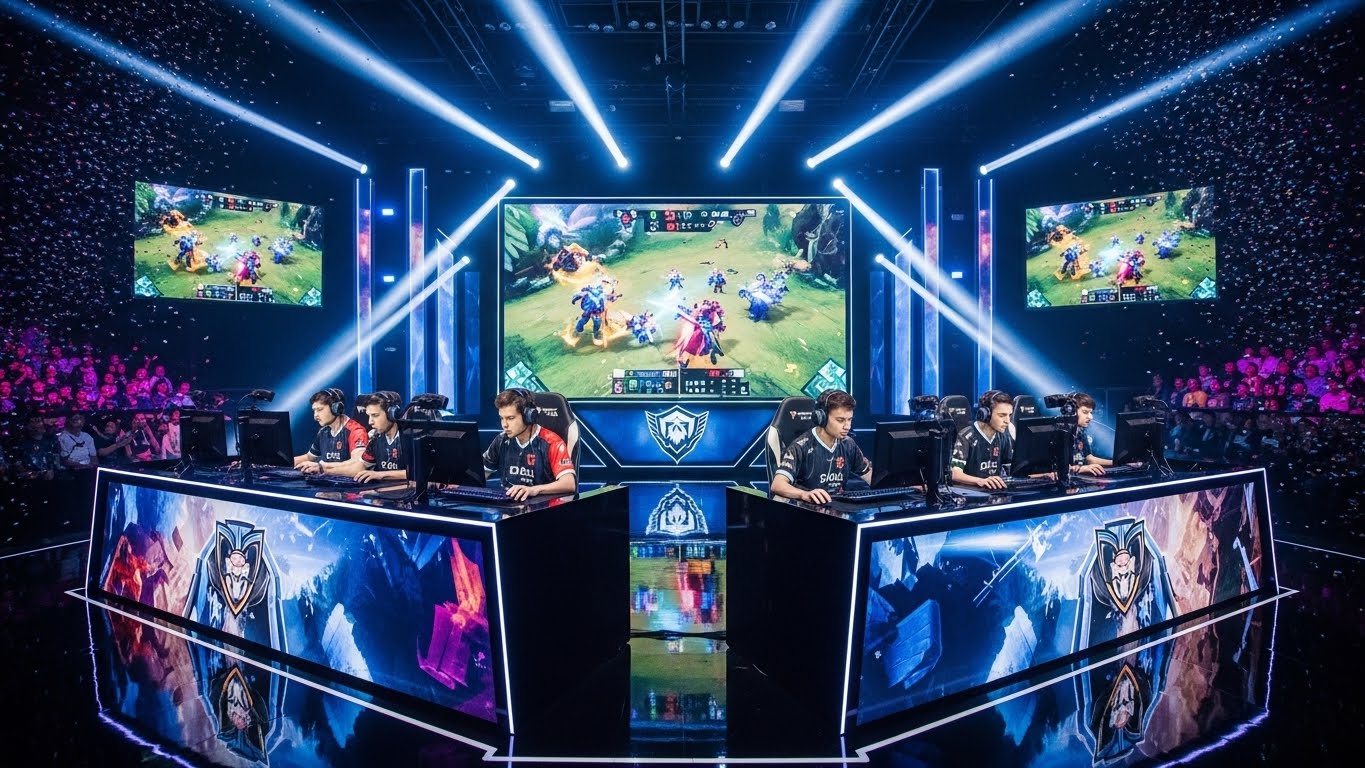
The experience of watching an esports tournament live is unlike anything else. Stadiums are filled with thousands of cheering fans, giant screens display every move of the players, and commentators narrate the action with the same intensity as traditional sports broadcasters. Events such as The International, League of Legends World Championship, and the Fortnite World Cup have become massive spectacles that attract global attention.
Esports arenas are now being built around the world, designed specifically for gaming competitions. These venues feature high-speed internet, advanced lighting systems, and immersive sound to enhance the viewing experience. Cities like Seoul, Los Angeles, Shanghai, and Berlin have become central hubs for esports events, further solidifying the industry’s global presence.
The Influence of Esports on Culture and Society
Esports is not just about competition—it has become a cultural phenomenon. It influences music, fashion, technology, and even education. Music artists collaborate with game developers to create theme songs or perform at tournament openings. Clothing brands design exclusive esports merchandise, and universities offer scholarships for talented players.
Esports has also contributed to changing perceptions of gaming. What was once dismissed as a waste of time is now recognized as a legitimate skill requiring discipline, strategy, and teamwork. Parents are more open to supporting children who pursue gaming careers, and educational programs around game design, marketing, and broadcasting are expanding.
Socially, esports has become a powerful tool for inclusion and diversity. Players from all backgrounds and countries compete on equal footing, and communities are formed based on shared interests rather than physical differences. Online gaming breaks barriers, allowing friendships and rivalries to form across continents.
Challenges Faced by the Esports Industry
Despite its success, esports faces several challenges. One of the main issues is the intense pressure placed on players. The competitive environment can lead to burnout, stress, and mental health struggles. Unlike traditional sports, where athletes have established support systems, esports is still developing comprehensive wellness programs.
Another challenge is the lack of standardization across tournaments and regions. Different organizations run leagues with varying rules and prize structures, leading to confusion and inconsistency. Player contracts and labor rights are also areas that need more regulation to protect professionals from exploitation.
Cheating, match-fixing, and hacking have also threatened the integrity of esports. With large amounts of money on the line, maintaining fairness is crucial. Anti-cheat software, stricter oversight, and better education for players are essential to ensuring credibility.
The Future of Esports
Looking ahead, the future of esports appears incredibly bright. As technology continues to evolve, virtual reality, augmented reality, and artificial intelligence will redefine how games are played and experienced. Esports is expected to integrate more deeply into mainstream culture, with partnerships between game developers, film studios, and music producers expanding its reach.
The inclusion of esports in major multi-sport events is already being discussed. Some countries have recognized professional gamers as athletes, and esports was recently featured as a demonstration event in international competitions. This growing acceptance signals that esports is on track to become as respected and structured as traditional sports.
In the coming decade, educational programs, corporate sponsorship, and government support are likely to grow. Esports will continue to create jobs in broadcasting, event management, marketing, and technology development. The industry will not only entertain but also drive innovation, collaboration, and cultural exchange.
Conclusion
Esports represents the perfect intersection of technology, creativity, and competition. What started as a pastime for enthusiasts has blossomed into a global movement that influences millions of lives. From professional players competing for glory to fans cheering online from every corner of the world, esports has redefined what it means to be part of a community.
As digital technology continues to advance, the boundaries between the physical and virtual worlds will blur even further. Esports will remain at the forefront of this transformation, shaping the future of entertainment, communication, and global connection. The digital arena has only just begun its journey, and the next chapters of esports promise to be even more thrilling, innovative, and inspiring.