Introduction
In just a few decades, the world of gaming has undergone a transformation unlike any other entertainment medium. What once began as friendly matches among small groups of arcade enthusiasts has grown into a billion-dollar industry known as esports. Today, esports—short for electronic sports—represents one of the fastest-growing forms of competition and entertainment worldwide. It combines technology, athleticism, strategy, and community in ways that redefine the meaning of sports in the digital age.
The journey of esports has been one of innovation, passion, and persistence. From the early days of LAN parties and cyber cafés to the grand arenas filled with thousands of roaring fans, esports has become a legitimate sport that attracts millions of viewers globally. As we explore its evolution, structure, and impact, we discover how this modern phenomenon has reshaped entertainment, culture, and even the future of work and education.
The Birth of Esports: Humble Beginnings
The concept of competitive gaming traces back to the early 1970s when the first known gaming competition took place at Stanford University. Students competed in the game Spacewar! for a year’s subscription to Rolling Stone magazine. Although small in scale, this event set the foundation for what would eventually become a global movement.
The 1980s marked a new era of gaming popularity, thanks to arcade games like Pac-Man, Donkey Kong, and Space Invaders. Tournaments began to appear more frequently, and game developers started recognizing the potential of competitive play to promote their products. The Space Invaders Championship organized by Atari in 1980 drew more than 10,000 participants, signaling the arrival of gaming as a public spectacle.
During the 1990s, technology advanced rapidly. Personal computers became more accessible, and the internet began to connect players across vast distances. Games like Doom, Quake, and StarCraft introduced multiplayer modes that allowed players to compete online. This period also witnessed the birth of professional gaming leagues and the first real esports organizations.
The Rise of Professional Esports Leagues
The late 1990s and early 2000s saw esports taking its first steps toward professionalism. Online gaming platforms like Battle.net and early tournaments such as the Cyberathlete Professional League (CPL) and Major League Gaming (MLG) gave gamers opportunities to compete for money and fame.
Korea emerged as a dominant force during this period. With government support and technological infrastructure, South Korea turned gaming into a respected profession. Titles like StarCraft: Brood War became cultural phenomena, and pro players were treated like celebrities. Televised matches and team sponsorships introduced a new business model for esports—one based on viewership, branding, and community engagement.
This professionalization changed the perception of gaming. No longer seen as a hobby for teenagers, it became a career path that demanded skill, strategy, and discipline. Players trained for hours each day, analyzed their opponents, and developed team tactics much like athletes in traditional sports.
Popular Games That Shaped Esports
Several titles have defined the landscape of esports through their gameplay, community, and competitive design.
StarCraft and the RTS Era
The real-time strategy (RTS) genre dominated early esports. StarCraft and its sequel StarCraft II required extraordinary multitasking, quick decision-making, and precise control. In South Korea, televised StarCraft matches became a national obsession, drawing millions of viewers.
Counter-Strike and Tactical Shooters
The Counter-Strike series, starting as a mod for Half-Life, revolutionized the first-person shooter (FPS) genre. It emphasized teamwork, communication, and accuracy, setting the standard for competitive FPS gaming. The modern version, Counter-Strike 2, continues to attract millions of players worldwide.
League of Legends and the MOBA Revolution
The multiplayer online battle arena (MOBA) genre emerged with Defense of the Ancients (DotA), later evolving into League of Legends and Dota 2. These games combined strategic depth with fast-paced action, making them ideal for spectators. The League of Legends World Championship became one of the most-watched annual events in esports history.
Fortnite and the Era of Battle Royale
In the late 2010s, Fortnite popularized the battle royale format, blending building mechanics with survival gameplay. Its tournaments attracted both professional gamers and celebrities, bringing esports into mainstream pop culture.
Fighting Games, Sports Simulations, and Beyond
Fighting games like Street Fighter, Tekken, and Super Smash Bros. created passionate communities around skill-based, head-to-head gameplay. Meanwhile, sports titles like FIFA, NBA 2K, and Rocket League blurred the line between traditional and digital athletics, appealing to sports fans who might not otherwise engage with esports.
The Esports Ecosystem: Teams, Players, and Organizations
Modern esports mirrors traditional sports in structure and operation. Teams, players, sponsors, and tournament organizers form an interconnected ecosystem.
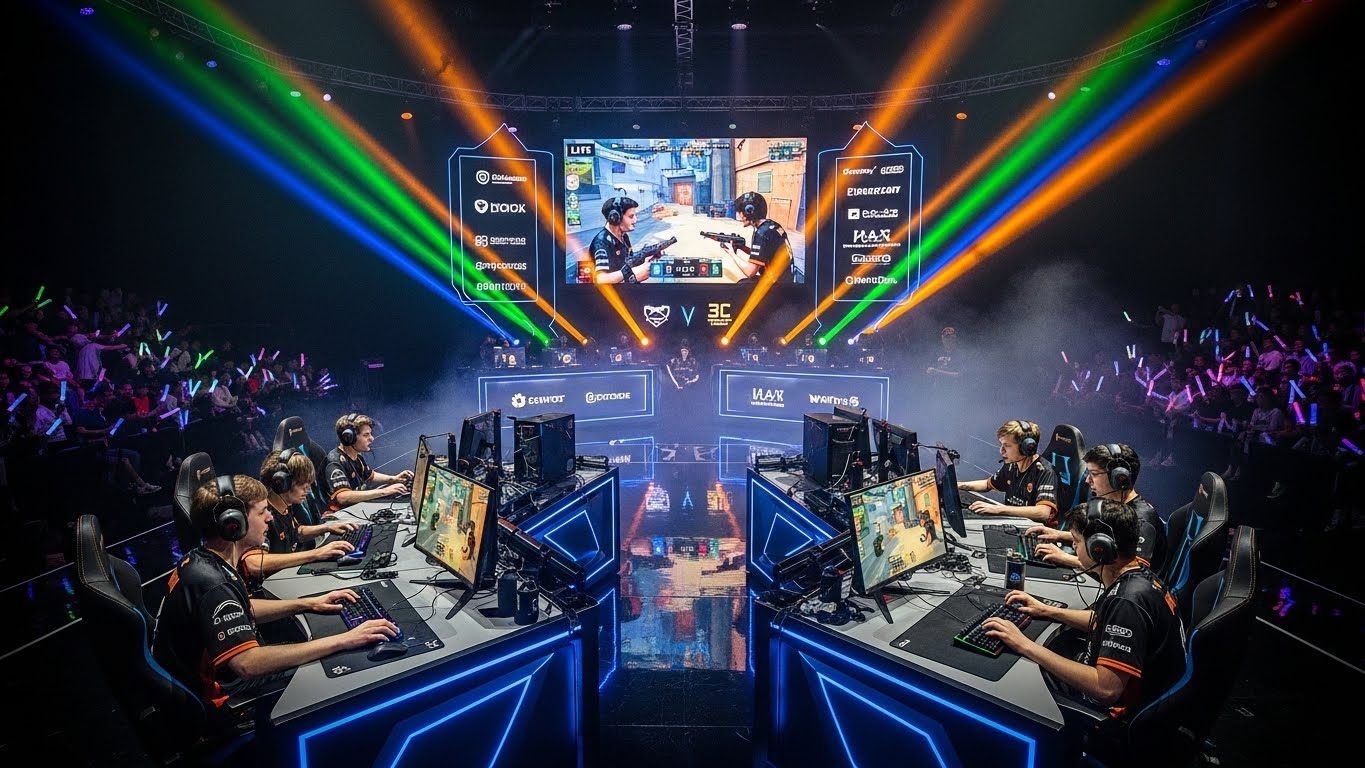
Professional teams such as Team Liquid, Fnatic, Cloud9, and T1 operate like sports franchises. They recruit players under contracts, provide coaching, nutrition, and mental health support, and represent sponsors across multiple game titles.
Players themselves have become global icons. Top competitors can earn millions through tournament winnings, streaming revenue, and endorsements. Esports stars like Faker, s1mple, and Bugha have inspired younger generations to pursue gaming professionally.
Tournament organizers play a crucial role in maintaining the competitive scene. Companies like Riot Games, Valve, and Blizzard not only create the games but also manage large-scale tournaments that attract global audiences. The success of these events depends on strategic partnerships with sponsors, broadcasters, and media outlets.
Esports as Entertainment: The Spectator Experience
One of the most significant drivers of esports’ growth is its entertainment value. Platforms like Twitch and YouTube Gaming have made it easy for anyone to watch live matches, follow their favorite players, and engage with communities.
Unlike traditional sports, esports transcends geography and language barriers. Fans can cheer for teams from different continents and interact with players directly through chat or social media. The accessibility of streaming has created a massive audience base that rivals mainstream sports events.
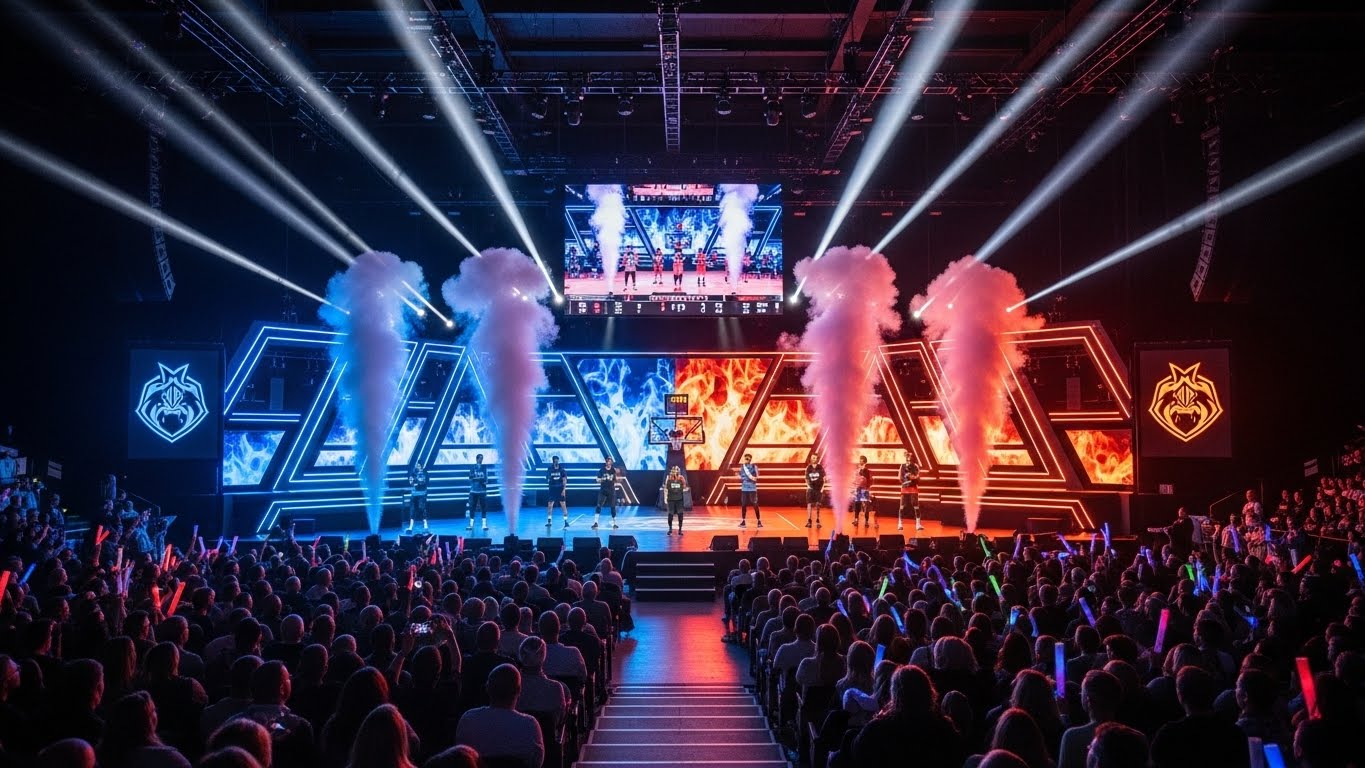
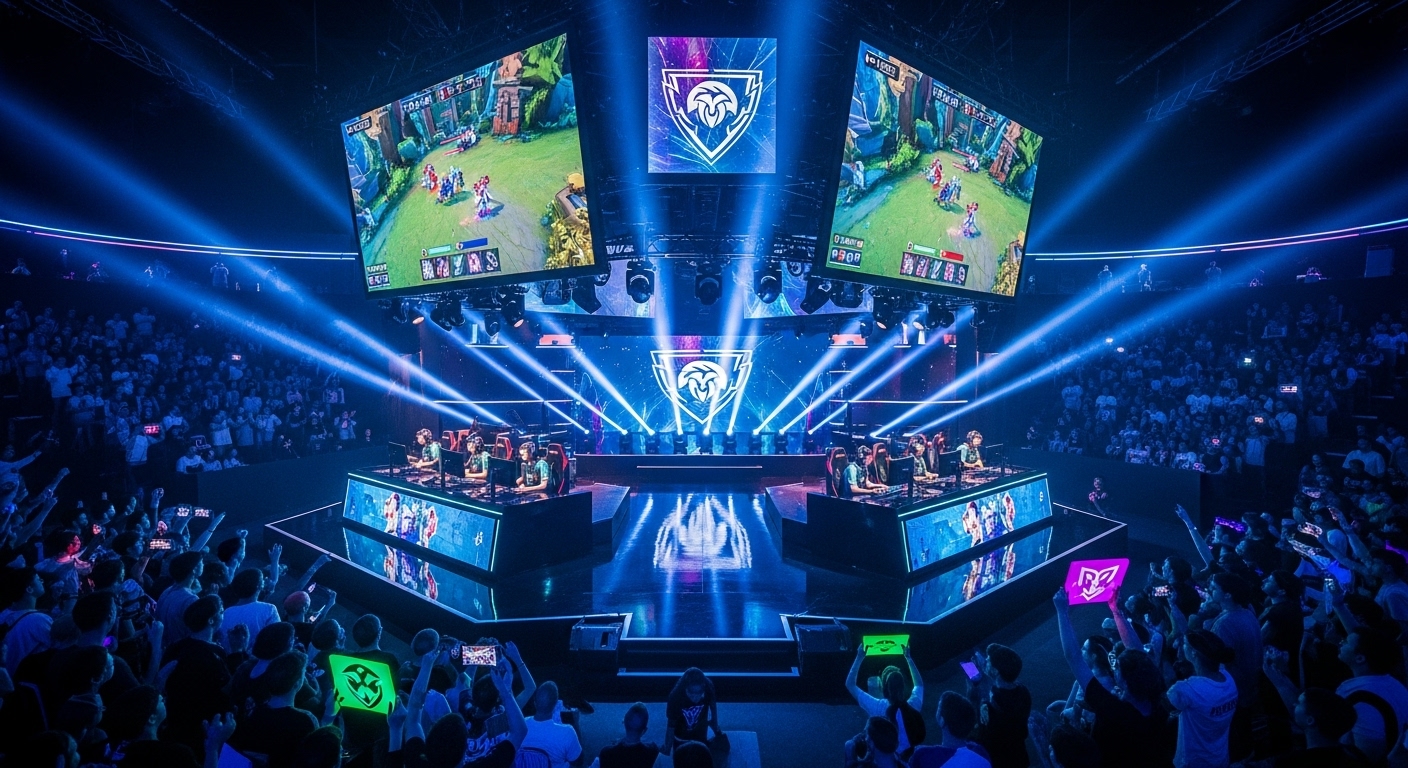
Major tournaments are now held in massive stadiums, complete with lights, commentary, and music. The energy of a live esports event is electrifying—fans chanting, players under pressure, and dramatic plays that ignite the crowd. The combination of digital action and human emotion creates a unique form of entertainment.
Technology and Innovation in Esports
The rapid evolution of technology has been central to the rise of esports. High-speed internet, powerful gaming PCs, and sophisticated streaming tools have enabled seamless competition and global connectivity.
Game developers now design titles with esports in mind, focusing on balance, spectator tools, and community engagement. Virtual and augmented reality are being explored as potential frontiers, offering immersive viewing experiences that make audiences feel part of the action.
Artificial intelligence and data analytics have also entered the scene. Coaches use data-driven tools to analyze player performance, optimize strategies, and predict opponents’ behaviors. This analytical approach mirrors traditional sports science, blending technology with athletic preparation.
The Business of Esports
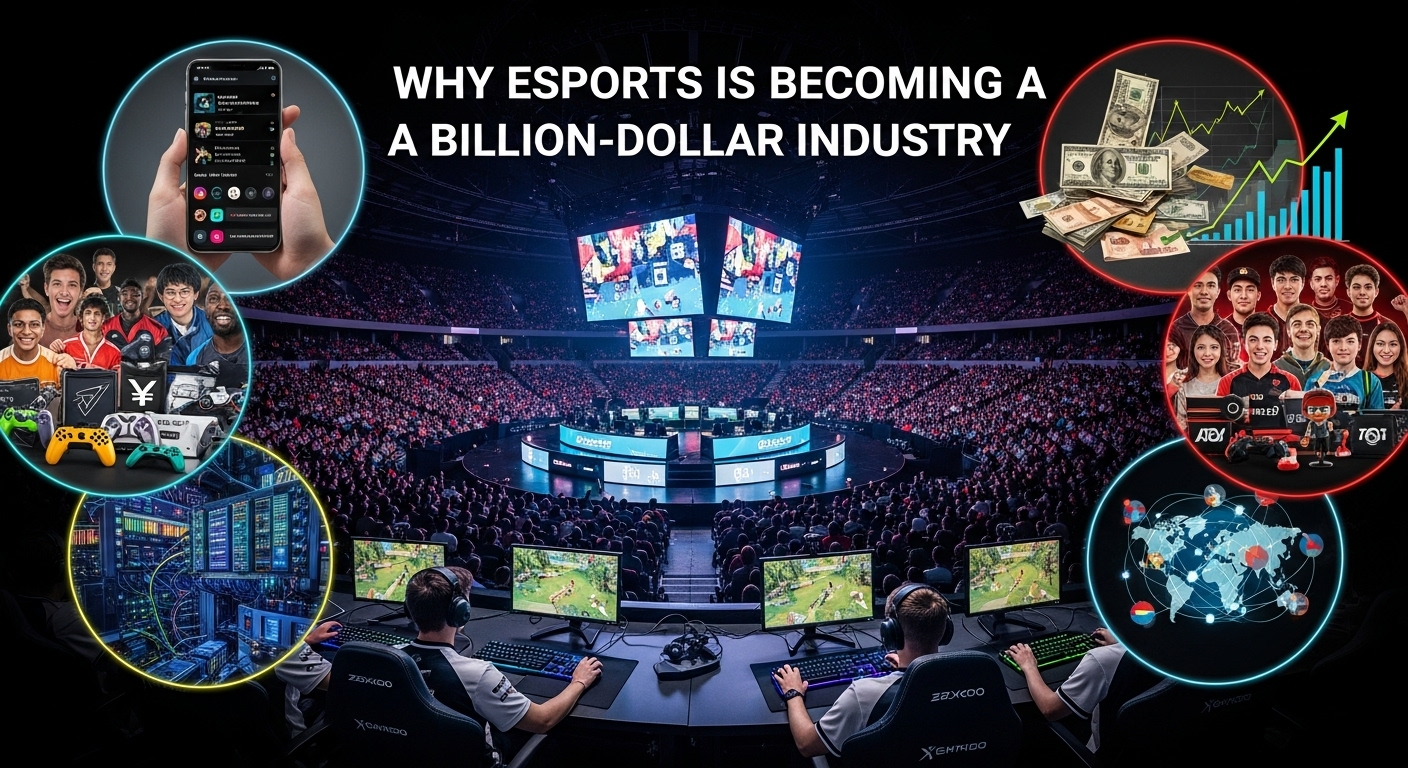
Esports is not just a passion-driven community—it’s a thriving industry. Global revenues have surpassed billions of dollars, fueled by sponsorships, advertising, merchandise, and media rights.
Brands ranging from tech giants to fashion labels invest in esports sponsorships. These partnerships target younger demographics who consume digital content more than traditional media. Esports organizations, in turn, gain financial stability and global exposure.
Franchise-based leagues, such as the Overwatch League and Call of Duty League, have introduced structured formats similar to traditional sports leagues. These systems attract investors, regulate competition, and enhance brand recognition.
Streaming platforms and social media serve as major revenue channels. Players and influencers monetize their audiences through donations, subscriptions, and sponsorships. This ecosystem encourages creativity and personal branding among gamers, expanding esports beyond competition into entertainment and culture.
Esports and Education: A New Pathway
In recent years, esports has found its way into educational institutions. Schools and universities have begun offering scholarships for talented players, treating gaming as a legitimate extracurricular pursuit. These programs encourage teamwork, discipline, and technological literacy.
Beyond competition, esports education covers subjects such as game design, broadcasting, marketing, and event management. Students gain exposure to a rapidly growing industry with diverse career paths—ranging from player management to content production.
The inclusion of esports in academia also helps break stereotypes about gaming. It promotes a balanced approach where passion for gaming aligns with personal growth and professional development.
Esports and Mental Health
While esports celebrates achievement and fame, it also brings unique mental and physical challenges. Professional players often face immense pressure to perform, maintain focus for long hours, and handle public scrutiny. The repetitive and sedentary nature of gaming can contribute to physical strain and fatigue.
Fortunately, awareness around mental health in esports has grown. Teams now employ psychologists, fitness trainers, and wellness coaches to ensure player sustainability. This shift mirrors the holistic approach seen in traditional sports, emphasizing that mental resilience is as important as mechanical skill.
The broader gaming community is also engaging in discussions about balance, self-care, and responsible play. As esports continues to mature, prioritizing player well-being will remain essential to its long-term success.
Global Impact and Cultural Influence
Esports has transcended borders and cultures. In countries like South Korea, China, and the United States, it has become part of mainstream entertainment. Esports tournaments fill stadiums, and national governments recognize professional players as athletes.
Culturally, esports has influenced fashion, music, and media. Collaborations between game publishers and artists have created crossover events that attract fans from different backgrounds. Esports personalities appear in commercials, documentaries, and television shows, blurring the lines between digital and celebrity culture.
Moreover, esports promotes global interaction. Players from different continents compete, communicate, and collaborate, fostering a sense of international community. In a world often divided by politics or geography, esports serves as a unifying force through shared passion.
Challenges Facing Esports
Despite its rapid growth, esports faces several challenges. One major issue is sustainability—balancing commercial success with player welfare and game longevity. Games rise and fall in popularity, and maintaining consistent competitive scenes requires constant adaptation.
Regulation is another concern. Unlike traditional sports governed by centralized authorities, esports lacks uniform rules across games and regions. Issues like match-fixing, cheating, and doping need stronger oversight.
Additionally, the inclusivity of esports is an ongoing discussion. While gaming is accessible, barriers such as gender inequality and regional disparities persist. Efforts are being made to create safer and more welcoming spaces for all participants.
The Future of Esports
Looking ahead, esports is poised to continue its ascent. With the growth of mobile gaming, cloud computing, and virtual reality, the next generation of esports will be more inclusive and immersive than ever.
Mobile esports, particularly in Asia and Africa, has already expanded access to competitive gaming for millions who may not own high-end PCs. Titles like PUBG Mobile and Mobile Legends dominate regional tournaments and generate massive audiences.
The integration of AI, analytics, and virtual experiences will reshape both competition and viewership. Imagine watching a match in virtual reality, standing on a digital battlefield next to your favorite player, or analyzing replays with real-time data visualization.
Esports may also find a place in major international events such as the Olympics, a topic that has sparked global debate. While opinions vary, the recognition of esports as a legitimate sporting discipline seems inevitable.
Conclusion
Esports represents the perfect fusion of technology, creativity, and competition. What began as friendly matches between enthusiasts has evolved into a global powerhouse that influences culture, entertainment, and business. It connects millions of people, breaks down barriers, and redefines what it means to be an athlete in the digital age.
The journey of esports mirrors humanity’s broader relationship with technology—how we adapt, innovate, and create meaning in new forms of expression. Whether you are a casual viewer, an aspiring professional, or a lifelong gamer, esports offers a window into the future of entertainment and community.
In the end, esports is more than just gaming. It is a celebration of skill, passion, and connection—a reminder that even in a virtual world, the human spirit of competition and collaboration thrives stronger than ever.