Introduction
Esports, or electronic sports, is no longer a niche hobby confined to a small group of enthusiasts. Over the last two decades, it has exploded into a multi-billion-dollar industry with a global following, shaping not just the gaming world but also the way we perceive competition, entertainment, and even culture. From its humble beginnings in internet cafes to sold-out stadiums and high-profile sponsorships, esports has firmly planted itself as a major player in the entertainment world. But what has fueled this meteoric rise, and what does the future hold for this digital revolution?
In this blog post, we will explore the origins of esports, the key factors behind its growth, the rise of professional players, and how the industry is reshaping the world of competition as we know it.
The Birth of Competitive Gaming
Competitive gaming has a long history, stretching back to the early days of arcade games. In the 1970s and 1980s, players gathered in arcades to compete for high scores in games like Pong, Space Invaders, and Pac-Man. These early competitions were informal, with little to no recognition beyond the local community. As home consoles like the Atari and Nintendo Entertainment System (NES) arrived, multiplayer games became more popular, and the concept of friendly competition grew.
However, it wasn’t until the rise of personal computers and the internet that competitive gaming began to evolve into what we now know as esports. In the mid-1990s, games like Warcraft and StarCraft offered the ability to connect players online and compete across long distances. The formation of online gaming communities and the rise of LAN (Local Area Network) parties laid the foundation for organized competitions, eventually leading to the first professional tournaments in the early 2000s.
The Growth of Esports: From Hobby to Global Industry
In the early 2000s, the esports scene began to take shape with the creation of organized tournaments and leagues. The release of games such as Counter-Strike, StarCraft, and Warcraft III helped cement esports as a serious form of competition. Esports pioneers, such as Cyberathlete Professional League (CPL) and World Cyber Games (WCG), were among the first to host large-scale international events, attracting both players and viewers from around the globe.
As the popularity of esports continued to grow, so did the financial investment in the industry. Major game developers, such as Riot Games, Blizzard, and Valve, began to invest heavily in esports infrastructure. The creation of major leagues like the League of Legends World Championship and The International (Dota 2) helped bring esports to a global audience, attracting millions of viewers and prize pools worth tens of millions of dollars. The rise of streaming platforms like Twitch and YouTube Gaming allowed fans to watch their favorite players and teams compete in real time, fueling the rapid expansion of the esports ecosystem.
What Makes Esports So Popular?
Esports has grown exponentially, and it’s clear that the appeal goes far beyond just gaming. Several key factors have contributed to its popularity:
Accessibility
Unlike traditional sports, esports requires no special facilities or equipment. All you need is a computer or a console, an internet connection, and a game to play. This accessibility has allowed millions of people around the world to join in on the action, from casual players to aspiring professionals.
Moreover, esports offers the unique advantage of allowing players to compete with others around the world, rather than being limited to local teams or leagues. The ability to connect with others across borders has built a truly global community.
Excitement and Spectacle
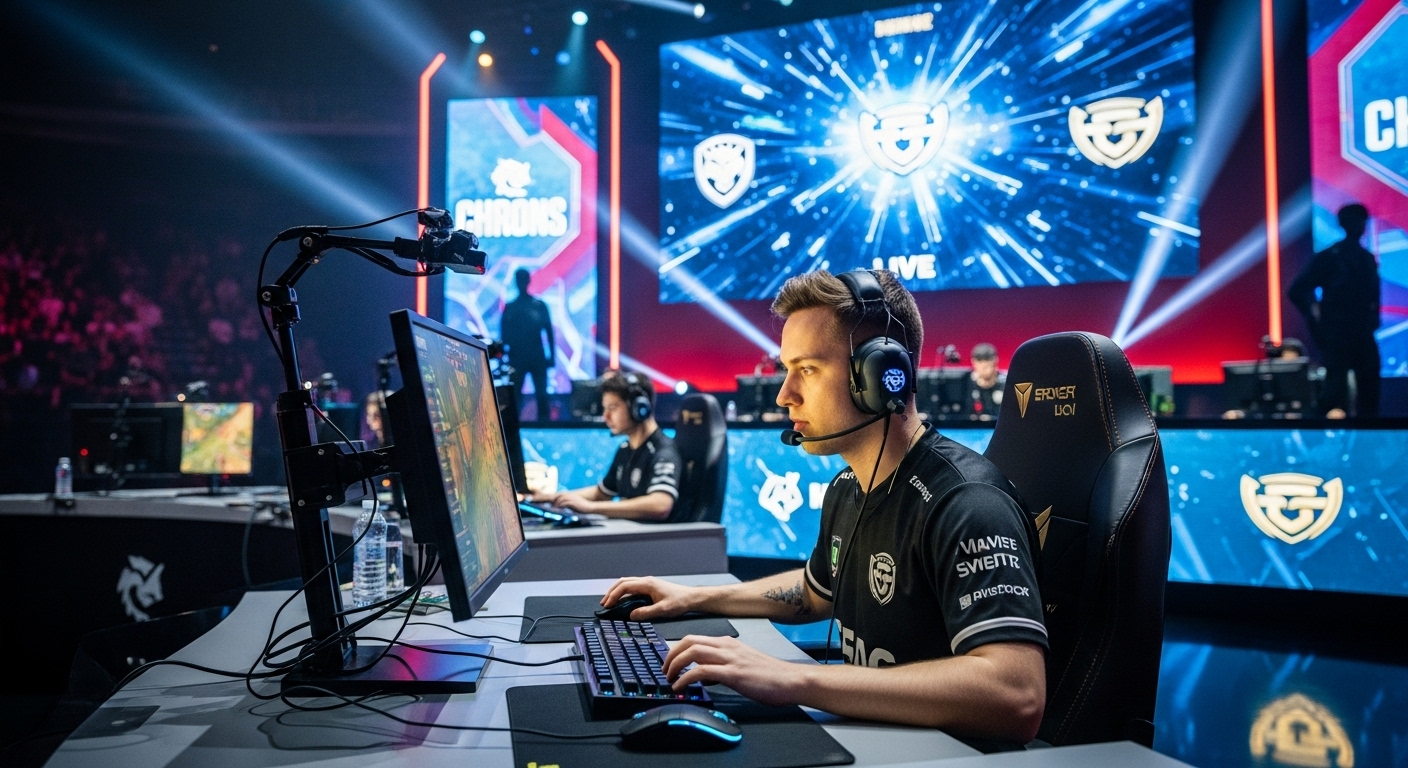
Esports tournaments are not just about the games themselves. They are massive, well-organized events with professional commentary, exciting live crowds, and highly polished production values. Much like traditional sports, watching esports can be an intense, emotional experience, with dramatic moments that captivate viewers. This level of entertainment has made esports a mainstream attraction, especially for younger audiences.
Constant Innovation
One of the reasons esports remains so engaging is that the games themselves are constantly evolving. Developers regularly release new patches, balance updates, and expansion content, keeping both players and viewers on their toes. Games like League of Legends and Fortnite are regularly updated, which ensures that the meta (the most effective strategies) remains fluid and fresh. This constant innovation keeps the esports scene dynamic, with new tactics and strategies emerging regularly.
The Social Aspect
Esports is a highly social activity, both for players and fans. Whether through in-game chat, streaming platforms, or fan forums, esports offers a rich social experience. Fans can interact with their favorite players, join communities, and share their passion for the games. Online platforms like Twitch allow fans to watch live streams and participate in discussions, which fosters a sense of community and belonging.
The Rise of the Esports Athlete
Much like traditional sports, esports has given rise to professional athletes who dedicate their lives to mastering their craft. Esports players are often young, with many starting their careers in their teens. The life of a professional esports athlete is rigorous and demanding, with long hours of practice and intense competition.
Training and Practice
Esports athletes practice for hours each day, perfecting their skills and strategies. This involves not only playing the game but also studying opponents, reviewing past performances, and working on mental focus. Just like any traditional sport, players work with coaches and analysts to fine-tune their strategies and improve their teamwork.
Mental Toughness
Esports may seem like a mental activity, but it is no less physically demanding than traditional sports. The intense concentration, decision-making under pressure, and the need for quick reflexes make esports just as taxing on the body and mind. As a result, many professional players undergo psychological training and work with sports psychologists to build mental toughness and resilience.
Longevity and Career Paths
Esports careers, however, tend to be short-lived compared to traditional sports. The average esports player’s career spans around 3-5 years, mainly due to the mental and physical strain of the profession. To combat this, many professional players transition into roles such as coaching, streaming, or broadcasting once they retire from active play.
The Business of Esports: Sponsorships, Revenue, and Investment
Esports has become a billion-dollar industry, with revenue coming from various streams such as sponsorships, advertising, media rights, and ticket sales. Major companies, including tech giants like Intel and Nvidia, energy drink brands like Red Bull, and even car manufacturers like Audi, have become key sponsors of esports teams and tournaments. These sponsorships provide financial support and help further legitimize esports as a professional career path.
Media Rights and Broadcasting
Just like traditional sports, broadcasting rights are a major source of revenue for esports tournaments. Platforms like Twitch, YouTube Gaming, and even traditional broadcasters like ESPN have secured media deals to broadcast major esports events. This exposure has allowed esports to reach broader audiences and further solidify its place in mainstream entertainment.
Prize Pools and Tournaments
Esports tournaments are known for their enormous prize pools. The International, an annual Dota 2 tournament, is particularly famous for its massive prize fund, which regularly exceeds $30 million. Prize pools not only attract top-tier talent but also drive viewership, as fans cheer on their favorite teams in the hopes of seeing them win a life-changing amount of money.
Esports Teams and Franchising
The rise of major esports leagues, such as the Overwatch League and the League of Legends Championship Series, has brought traditional sports-style franchising to esports. Teams now operate like businesses, with sponsorships, merchandise sales, and a fanbase driving revenue. This model has increased investment in the sector and brought greater financial stability to esports organizations.
The Cultural Impact of Esports
Esports has become more than just a competitive pursuit; it has influenced global culture in several ways.
Changing Perceptions of Gaming
What was once dismissed as a waste of time has now become a legitimate career choice for thousands of players around the world. As esports gains recognition in mainstream media, more parents, educators, and even governments are beginning to view gaming as a valuable skill-building activity. Esports is now being integrated into schools and universities, with scholarships offered to students who excel in competitive gaming.
Digital Innovation
Esports has driven the development of technology, from better internet infrastructure to more powerful gaming hardware. It has also pushed advancements in streaming technology and virtual reality, making the gaming experience more immersive for players and viewers alike.
Community Building and Social Interaction
Esports has fostered an international community of gamers, fans, and influencers. This sense of belonging has become a vital part of the esports ecosystem, where fans can engage with each other, celebrate their favorite players, and share in the excitement of global events.
The Future of Esports
As esports continues to grow, the future looks bright. The next decade may bring even more innovation in terms of technology, fan engagement, and competition formats. Virtual and augmented reality could redefine the way we experience esports, while artificial intelligence and machine learning may enhance gameplay and analysis.
In addition, esports is expected to continue expanding its global footprint, with more regions and countries embracing the sport and fostering local talent. Universities will likely play an even bigger role in the future, offering esports programs and scholarships to nurture the next generation of players, coaches, and analysts.
Conclusion
Esports is no longer just a hobby; it has become a global phenomenon that has reshaped the world of entertainment and competition. With its massive following, huge prize pools, and dedicated fanbase, esports is here to stay. As the industry continues to grow, it will undoubtedly impact not only the world of gaming but also the broader