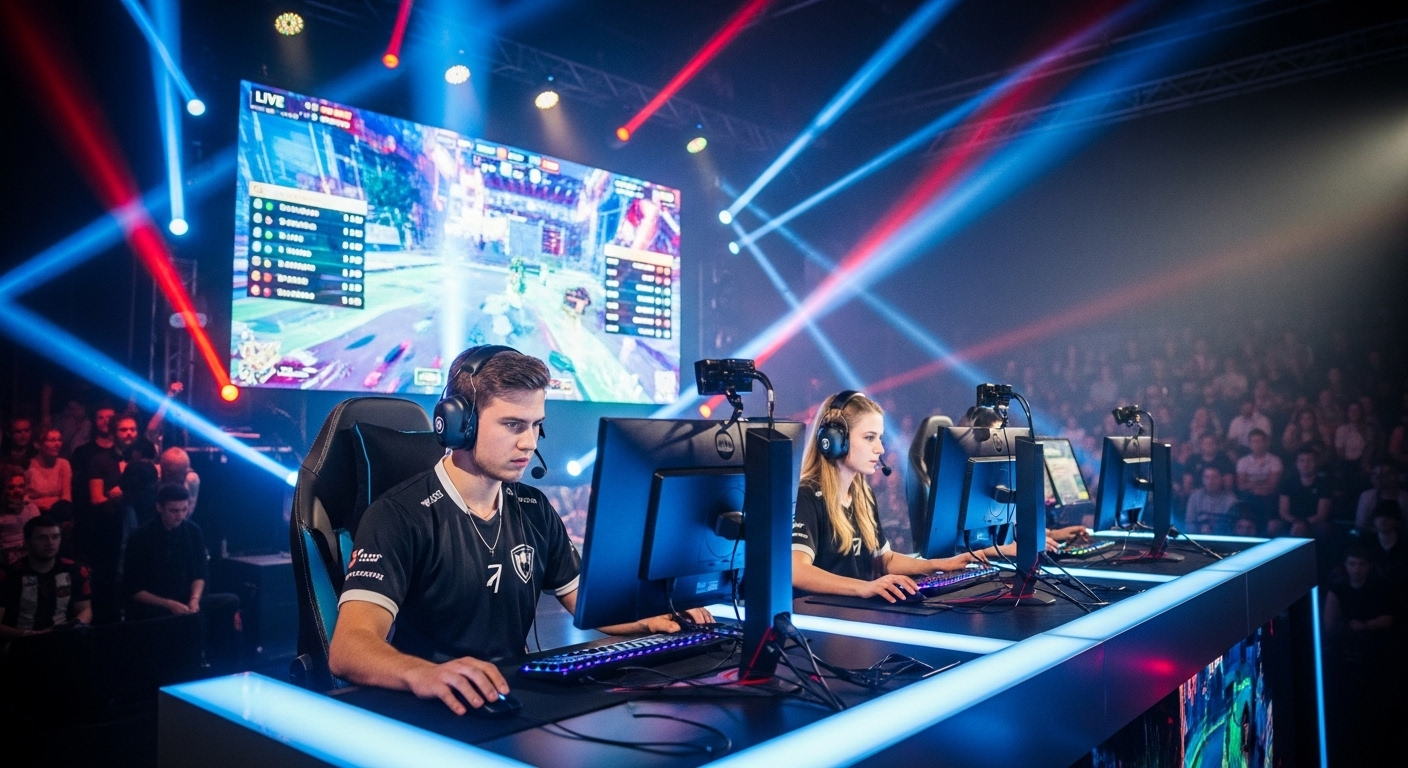
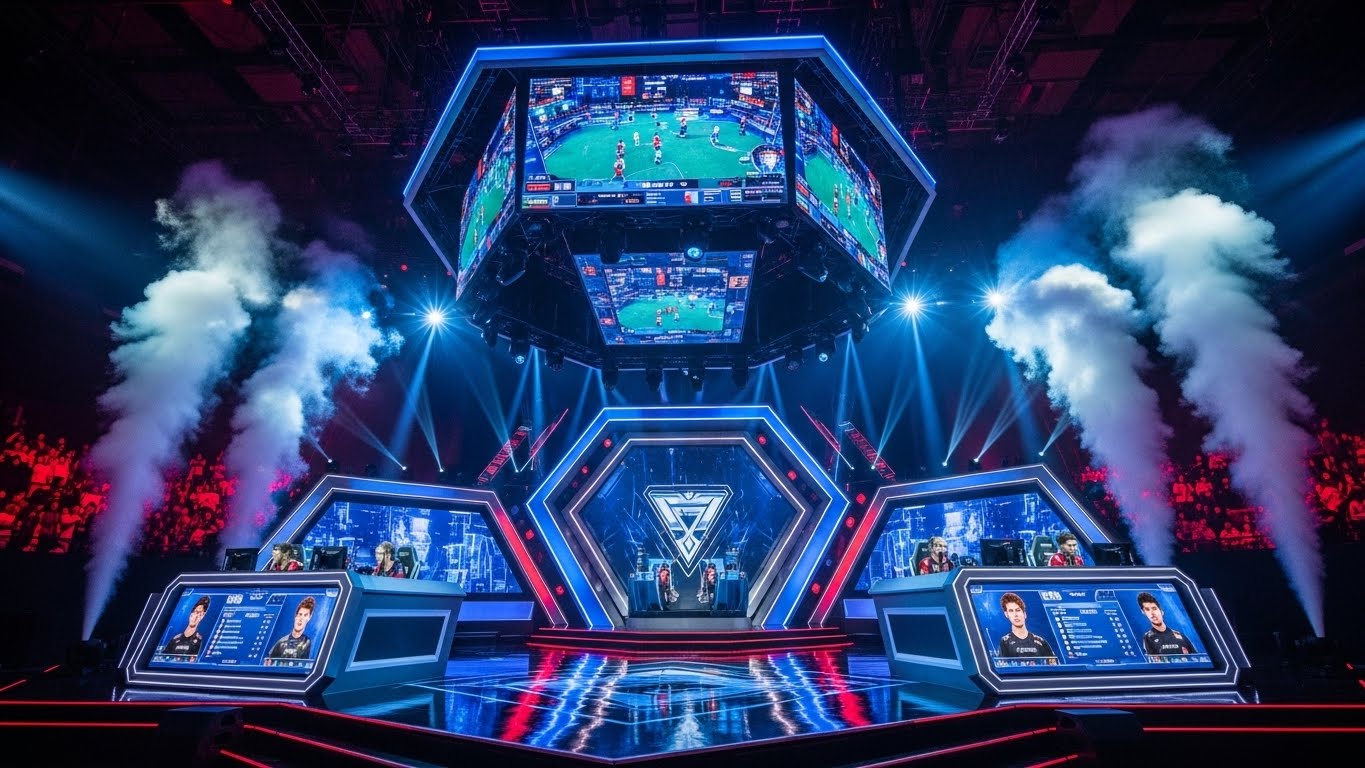
Esports has evolved from a niche hobby into a global entertainment powerhouse, and Europe plays a significant role in this transformation. With its diverse gaming cultures, rich history in competitive play, and a growing number of esports organizations, Europe is not just participating in the esports boom—it’s driving much of its growth. From innovative tournament structures to thriving professional leagues, Europe has become a key player in shaping the future of competitive gaming.
In this blog post, we’ll explore how Europe has become a dominant force in esports, examining its major tournaments, top teams, infrastructure, and the unique cultural factors that make it a powerhouse in the gaming world.
1. The Rise of Esports in Europe: A Cultural Evolution
From Passion to Profession
Europe has a long-standing tradition of gaming, with its roots dating back to the early 1990s when competitive gaming tournaments began to emerge. Countries like Germany, Sweden, and France were early adopters of esports, hosting some of the first LAN (Local Area Network) tournaments and competitions. Over time, the gaming culture expanded, and more nations joined the competitive scene.
However, what truly set Europe apart was its ability to blend esports with cultural elements. Gaming is not just a pastime in Europe; it’s a passion that resonates with millions of people. From casual gamers to professional players, the esports community in Europe thrives on its diversity, with gamers representing a wide range of countries, languages, and backgrounds. This multicultural aspect has created a unique, dynamic esports ecosystem where cross-border competitions and international tournaments are the norm.
2. The Major Esports Tournaments in Europe
High-Profile Events and Global Appeal
Europe is home to some of the world’s most prestigious esports tournaments, attracting top-tier players and millions of viewers from across the globe. These events not only showcase the best talent but also serve as a platform for the entire esports industry, with sponsorships, media coverage, and fan engagement playing a crucial role in their success.
- ESL One: ESL is one of the oldest and most reputable esports organizations in the world. ESL One tournaments are held in various European cities, drawing thousands of live spectators and millions of viewers online. The ESL One Cologne, held annually in Germany, is particularly famous for its Counter-Strike: Global Offensive tournaments, attracting the best teams from around the world.
- DreamHack: Known as one of the largest LAN festivals globally, DreamHack started in Sweden in 1994 and has since become a staple in the European esports calendar. It’s a celebration of gaming culture, offering everything from competitive tournaments in games like StarCraft II and League of Legends to a massive expo for gaming enthusiasts.
- The LEC (League of Legends European Championship): The LEC is one of the most prominent esports leagues in Europe, bringing together top League of Legends teams to compete in a highly structured, regional competition. The LEC serves as both a national and continental showcase, with the best teams from Europe battling it out for a chance to represent the region on the global stage at the League of Legends World Championship.
- IEM Katowice: While technically held in Poland, IEM (Intel Extreme Masters) is a premier event in the esports calendar that draws global attention. It’s known for its incredible CS:GO, StarCraft II, and Hearthstone tournaments, attracting top-tier players and setting the bar for competitive gaming in Europe.
These tournaments are not only competitive spectacles; they also help build local esports communities and foster a deep connection between players, fans, and the wider gaming industry. Europe’s ability to host such high-caliber events speaks volumes about its role in shaping the global esports landscape.
3. The Rise of Esports Organizations and Teams in Europe
Pushing Competitive Boundaries
In Europe, esports organizations have evolved into multi-million-dollar enterprises, with well-funded teams, professional coaches, and players who are regarded as athletes in their own right. These organizations are not just about competing—they are brands that represent the future of the industry.
- Fnatic: One of the most well-known esports organizations in Europe, Fnatic has teams in multiple games, including League of Legends, CS:GO, and Dota 2. The organization has been instrumental in shaping Europe’s competitive gaming scene and has a loyal fanbase that stretches across continents.
- G2 Esports: Another major player in European esports, G2 Esports is one of the most successful organizations, especially in League of Legends. With a highly successful roster and an international following, G2 is more than just a team—it’s a symbol of excellence in competitive gaming. G2’s impact extends beyond tournaments, as they continue to build a global esports brand with merchandise, collaborations, and a massive social media presence.
- Team Vitality: Based in France, Team Vitality has become one of the most prominent organizations in European esports, fielding top players in games like CS:GO, Rocket League, and Valorant. Their success in building a competitive, professional structure has made them a key player in Europe’s esports scene.
These organizations are not only making waves in European tournaments but are also setting the standard for professional esports teams worldwide. With dedicated training facilities, full-time coaching staff, and sponsorships from major global brands, esports organizations in Europe have built a robust ecosystem that attracts talent and investment.
4. The Role of Sponsorships and Partnerships
Fueling Esports Growth
The financial backbone of European esports is heavily supported by sponsorships and partnerships with major brands across various industries. Esports has become a lucrative opportunity for brands looking to engage with the gaming community, and Europe is at the forefront of these sponsorship deals.
- Tech and Hardware Sponsors: Companies like Intel, Nvidia, Razer, and Logitech have long been involved in the esports scene, providing gaming equipment, streaming technology, and hardware sponsorships. These partnerships help create the infrastructure that enables professional gamers to perform at their best.
- Media Partnerships: Television networks, streaming platforms, and digital media companies play a vital role in the growth of esports. In Europe, platforms like Twitch, YouTube, and Facebook have all been key partners in broadcasting major events. Esports events are now regularly featured on mainstream television, with millions of viewers tuning in for live broadcasts of major tournaments.
- Corporate Sponsorships: Major global brands, including Coca-Cola, Nike, Red Bull, and Mercedes-Benz, have all invested heavily in esports sponsorships. These brands sponsor teams, players, tournaments, and even individual streams, helping fuel the growth of the esports ecosystem in Europe.
The partnerships between esports organizations and big-name sponsors provide the resources needed to elevate the industry. The influx of investment enables teams to provide better training, travel, and compensation for players, while tournament organizers can invest in more elaborate events and larger prize pools. The mutually beneficial relationship between sponsors, teams, and players is a key factor in Europe’s dominance in esports.
5. Esports Infrastructure in Europe: A Thriving Ecosystem
Building the Future of Competitive Gaming
One of the key factors behind Europe’s success in esports is its investment in infrastructure. The region has developed a strong ecosystem of training facilities, esports academies, arenas, and broadcasting studios that help nurture talent and promote competitive gaming.
- Esports Arenas: Europe is home to several esports-specific arenas designed to host large-scale tournaments and live events. For example, the Spodek Arena in Katowice, Poland, is one of the most iconic esports venues in the world, hosting the Intel Extreme Masters tournament. These venues help create a live, immersive experience for fans and players alike.
- Esports Academies and Training Centers: To develop the next generation of esports professionals, European organizations have established training centers and academies. These facilities are equipped with the latest gaming technology and provide players with the resources they need to refine their skills. Teams like Fnatic and Team Vitality have invested in dedicated training spaces that are similar to those of traditional sports teams.
- Esports Education Programs: With the growing popularity of esports, educational institutions across Europe have also begun to offer esports-focused degree programs, where students can learn the intricacies of game design, broadcasting, management, and event coordination. This has helped professionalize the industry and create new career opportunities within the esports ecosystem.
6. The Cultural Impact of Esports in Europe
A New Form of Entertainment
Esports has become more than just a competitive activity—it’s a cultural phenomenon in Europe. The region’s diverse gaming community, fueled by fan engagement, streaming, and social media, has helped esports reach new heights of popularity.
- Fan Engagement: European esports fans are some of the most passionate and dedicated in the world. From attending live events to supporting their favorite teams on social media, fans play an active role in the growth of the industry. Esports is no longer just a spectator sport; it’s a community-driven activity where fans feel like part of the action.
- Streaming and Content Creation: With platforms like Twitch and YouTube, European gamers have the ability to stream their gameplay to a global audience. This has given rise to a new generation of content creators who use their platforms to entertain, educate, and engage with fans. Streamers in Europe are often the first to showcase new trends, strategies, and games, further strengthening the region’s influence in the esports space.
- Esports as a Career: As esports continues to grow in Europe, more people are viewing it as a viable career path. Professional gamers, streamers, coaches, analysts, and tournament organizers are now able to make a living from the esports ecosystem. The rise of esports as
a legitimate career option is contributing to its long-term sustainability and popularity in Europe.
Conclusion: Europe’s Continued Dominance in Esports
Europe has firmly established itself as a global powerhouse in the world of esports, with major tournaments, influential organizations, and an ever-growing fanbase. The region’s deep-rooted gaming culture, infrastructure, and commitment to innovation have laid the foundation for a thriving esports ecosystem. With continued investments in training, technology, and partnerships, Europe’s influence on the esports landscape is only set to grow.
As the esports industry continues to expand globally, Europe will undoubtedly remain at the forefront of this dynamic and exciting world, shaping the future of competitive gaming for years to come.