Introduction: The Digital Revolution of Sports
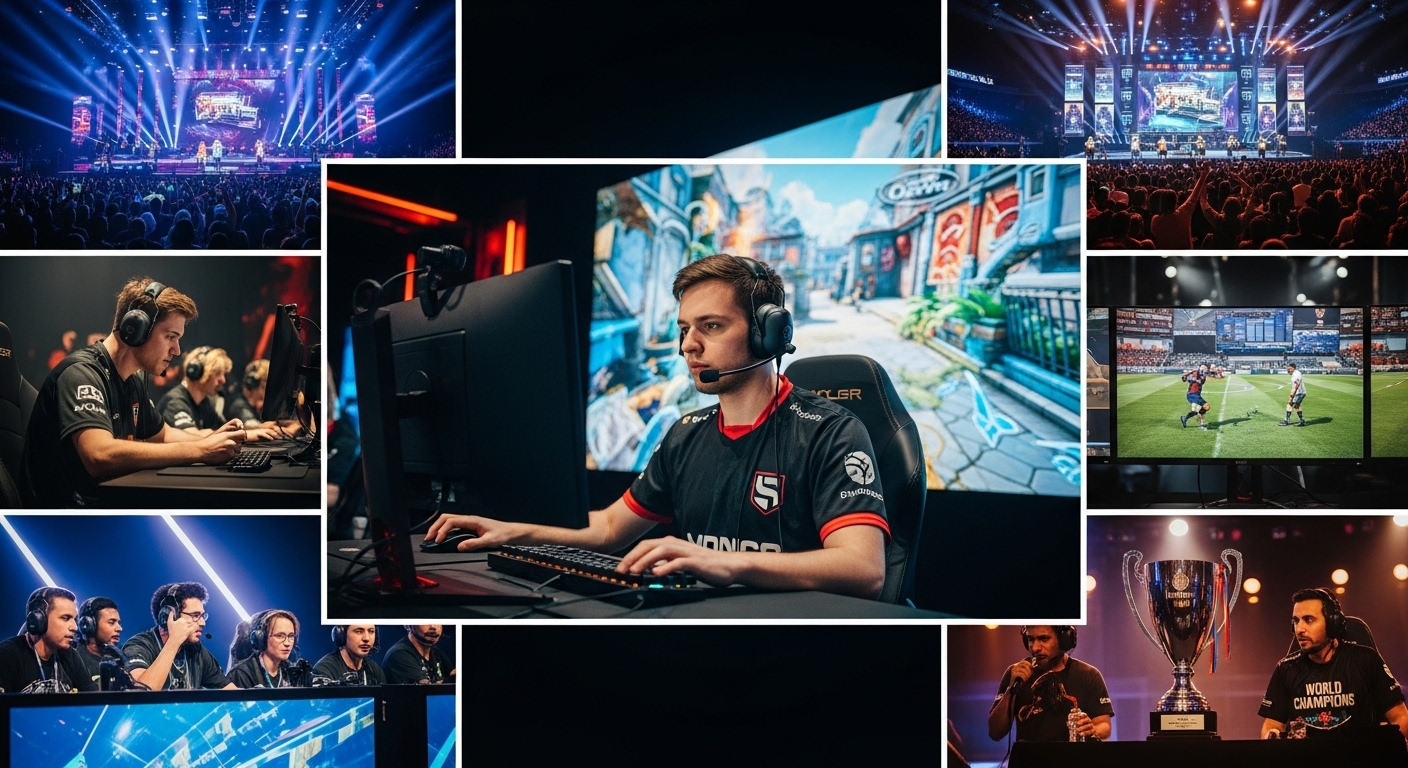
The world of sports has evolved dramatically over the past two decades. Traditional sports such as football, basketball, and cricket have maintained their global appeal, yet a new phenomenon has emerged that is redefining what it means to compete and entertain. Esports, or competitive gaming, has transformed from a niche hobby into a multi-billion-dollar industry with professional leagues, dedicated players, and millions of fans worldwide. This new form of entertainment merges technology, strategy, and skill, creating a global arena where talent and dedication define champions.
Esports is no longer confined to basements or small tournaments. It has become a cultural and social movement that impacts millions of people, from young players aspiring to be professionals to global audiences who tune in to watch tournaments live. This blog explores the growth, appeal, and future of esports, highlighting why it has become one of the most influential industries in modern entertainment.
The Origins of Esports: From Arcade Games to Global Tournaments
Esports has a surprisingly long history. Its roots can be traced back to the early days of arcade gaming, where players competed for high scores in games like Pac-Man and Space Invaders. These competitions were casual and community-driven, often held in small arcades with local audiences.
The rise of personal computers and multiplayer online games in the late 1990s and early 2000s marked a turning point. Games such as StarCraft, Counter-Strike, and WarCraft III became the foundation for competitive gaming, attracting organized tournaments with cash prizes. In particular, South Korea played a pivotal role in the early development of esports, building professional leagues and broadcasting competitions on television.
Today, esports has evolved into a highly professionalized industry with massive tournaments, live streaming platforms, and sponsorship deals rivaling those of traditional sports. The journey from humble arcade competitions to international tournaments demonstrates the unique appeal and potential of competitive gaming.
Why Esports Captivates Audiences Worldwide
Esports attracts millions of viewers and participants, and its appeal extends beyond simply playing games. Several factors contribute to its widespread popularity:
Accessibility
Unlike traditional sports, esports can be accessed by almost anyone with a computer, console, or mobile device. Players do not need expensive equipment or large stadiums to participate, making it one of the most inclusive forms of competitive entertainment.
Global Community
Esports connects players and fans across the globe. Online platforms allow people from different countries and cultures to compete, collaborate, and celebrate together. This sense of community creates a strong, loyal fan base.
Dynamic Gameplay
Esports offers constant innovation. Developers frequently release new games, updates, and features, ensuring that competitions remain fresh and unpredictable. Fans are drawn to the combination of skill, strategy, and fast-paced action.
Cultural Influence
Esports has become a part of popular culture, influencing fashion, music, and social media trends. Professional players are often seen as celebrities, while gaming content creators enjoy massive followings, further bridging the gap between gaming and mainstream culture.
Popular Esports Genres and Games
The esports ecosystem is diverse, encompassing several genres that cater to different audiences:
Multiplayer Online Battle Arena (MOBA)
MOBA games like League of Legends and Dota 2 dominate competitive gaming. They require strategic thinking, teamwork, and precise execution, making them exciting for both players and spectators.
First-Person Shooters (FPS)
FPS games, including Counter-Strike, Valorant, and Call of Duty, test players’ reflexes, accuracy, and teamwork. These games are known for intense, action-packed matches that captivate viewers worldwide.
Battle Royale Games
Titles like Fortnite and Apex Legends offer large-scale competitions with unpredictable outcomes, drawing millions of viewers. The combination of strategy, survival, and rapid decision-making keeps fans engaged.
Sports Simulations
FIFA, NBA 2K, and other sports simulation games allow fans to experience traditional sports digitally. They attract both gaming enthusiasts and fans of the physical sports themselves.
Each genre contributes uniquely to the esports industry, creating a rich and varied landscape that appeals to a global audience.
The Rise of Professional Esports Players
Professional esports players are the backbone of the industry. They dedicate countless hours to practice, strategy, and teamwork, often operating with the same discipline as traditional athletes.
Training and Preparation
Top players spend hours daily refining their skills, studying opponents, and analyzing gameplay. Many teams employ coaches, analysts, and even psychologists to maximize performance.
Team Dynamics
Esports is rarely about individual skill alone. Teams must communicate effectively, coordinate strategies, and adapt in real-time. The strongest teams are those that can function cohesively under pressure.
Challenges and Longevity
The competitive lifespan of esports athletes can be short due to high stress and mental demands. Many players transition into streaming, content creation, or coaching to continue their careers within the industry.
Professional esports players inspire aspiring gamers, demonstrating that dedication, strategy, and teamwork can lead to global recognition and success.
Esports Tournaments: Spectacle and Competition
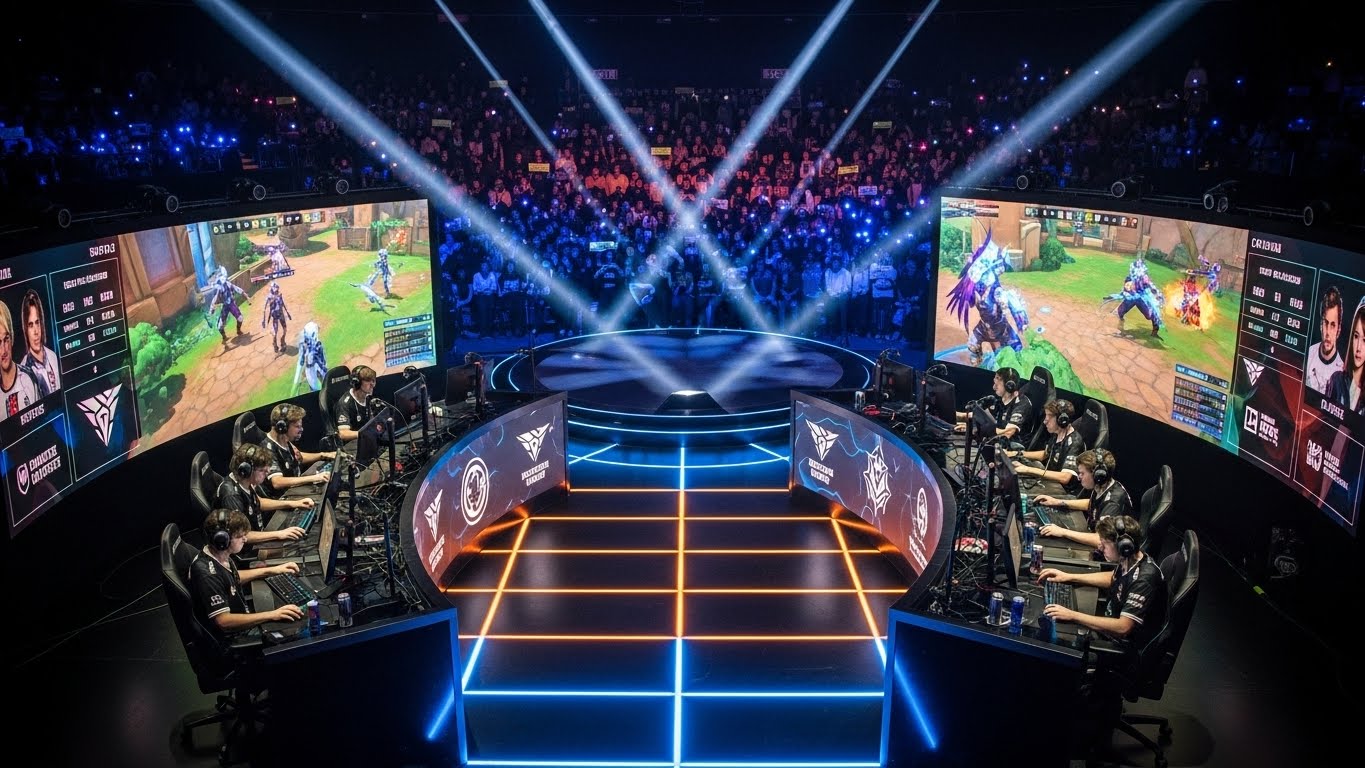
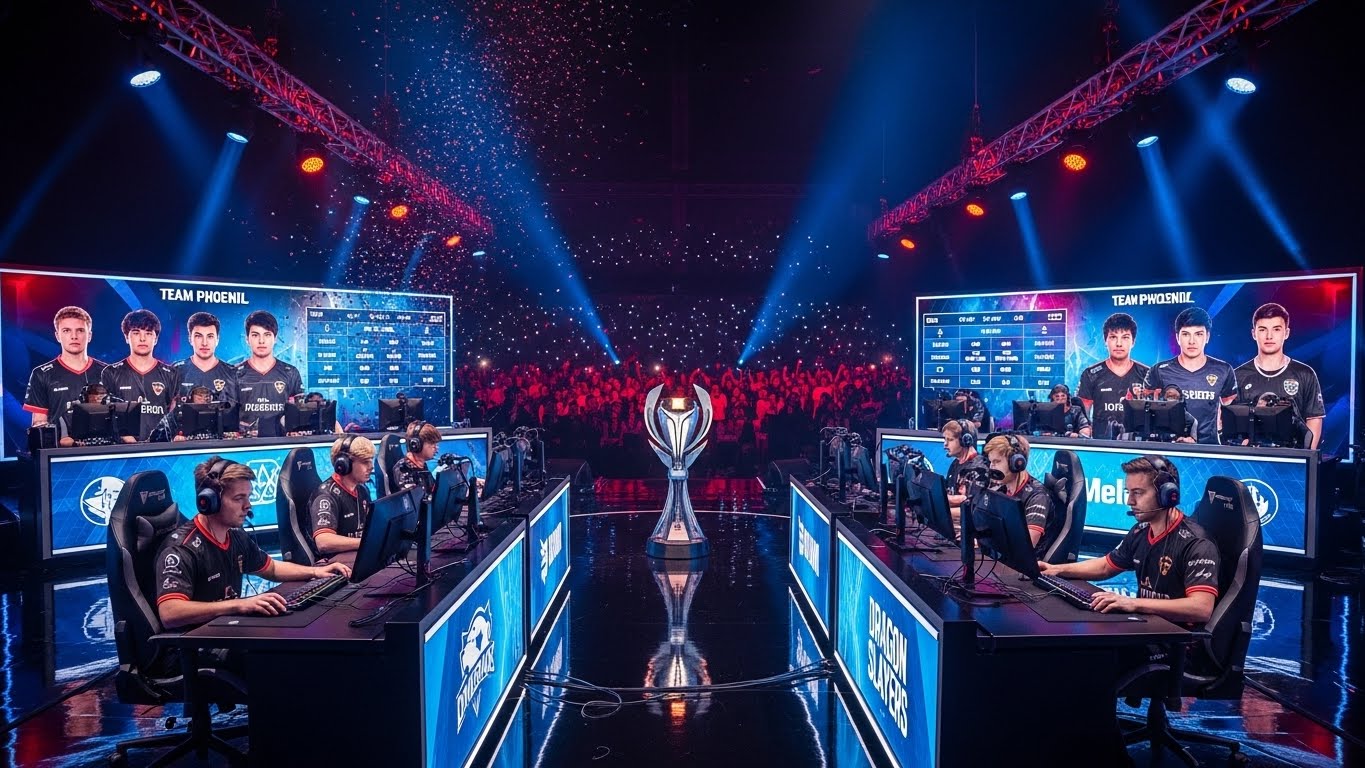
Major esports tournaments are global events, drawing millions of spectators both online and in-person. These competitions feature prize pools that rival or even exceed those of traditional sports events, attracting top players and massive audiences.
The tournaments are highly produced, with live commentary, dynamic camera angles, and large-scale arenas. Fans travel long distances to support their favorite teams, creating an electrifying atmosphere similar to traditional sporting events.
From League of Legends World Championship to The International for Dota 2, these tournaments showcase the competitive spirit, skill, and entertainment value that define esports.
The Role of Technology in Esports Expansion
Technology has been a driving force behind the rapid growth of esports.
High-Speed Internet
Reliable internet connections allow players from around the world to compete seamlessly, enabling global tournaments and online leagues.
Streaming Platforms
Services dedicated to game streaming allow players and fans to connect in real-time. Streamers can entertain millions while building personal brands and careers.
Artificial Intelligence and Analytics
Teams use AI and data analytics to study gameplay patterns, anticipate strategies, and enhance performance.
Emerging Technologies
Virtual reality, augmented reality, and cloud gaming are expanding the boundaries of esports, offering more immersive and accessible experiences.
Technology ensures that esports continues to innovate, reaching wider audiences and creating more engaging competitions.
The Business of Esports
Esports is a thriving industry with multiple revenue streams.
Sponsorship and Advertising
Major brands invest in teams, events, and individual players to reach a dedicated audience.
Broadcasting Rights
Tournaments are streamed worldwide, generating revenue from advertisements, subscriptions, and partnerships.
Merchandise and Ticket Sales
Teams and leagues sell apparel, collectibles, and tickets for live events, further strengthening fan engagement.
Game Developers
Developers are often central to the industry, creating games, organizing leagues, and supporting competitive ecosystems.
The business of esports supports players, organizers, creators, and a wide range of professionals, making it a robust and growing economic sector.
Esports and Education
Educational institutions are increasingly recognizing esports as a valuable tool for student engagement.
Scholarships
Universities now offer esports scholarships to talented players, providing financial support and educational opportunities.
Academic Programs
Courses in game design, esports management, broadcasting, and digital media prepare students for careers in the gaming industry.
Team Programs
School and college esports teams foster teamwork, strategy, and leadership skills, offering students an alternative path to success.
Esports in education demonstrates its potential to combine entertainment, skill development, and career preparation.
Cultural Impact of Esports
Esports is more than a form of entertainment—it is a cultural movement.
Fashion Influence
Gaming culture has inspired streetwear, team jerseys, and accessories, creating a unique style embraced by fans.
Music and Entertainment
Musicians collaborate with gaming companies, performing at digital concerts and creating game-inspired music.
Social Connectivity
Tournaments spark global conversations, with fans sharing highlights, memes, and analysis on social media.
Language and Trends
Gaming slang, strategies, and terminology are increasingly part of everyday language, reflecting esports’ cultural significance.
Challenges Facing Esports
Despite its growth, esports faces several challenges:
Player Burnout
High-pressure environments and long practice hours can lead to mental and physical exhaustion.
Regulation and Governance
The industry lacks standardized rules, making issues like cheating and match-fixing difficult to control.
Accessibility
Limited resources in some regions restrict participation and growth.
Sustainability
Maintaining audience interest and financial stability requires continuous innovation and adaptation.
Addressing these challenges is critical for esports to achieve long-term success and legitimacy.
The Future of Esports
The future of esports looks promising and full of possibilities.
Expansion of Global Tournaments
Esports competitions are expected to become larger, more accessible, and even more spectacular.
Integration with Entertainment
Esports will increasingly collaborate with movies, music, and other entertainment sectors, blurring the lines between gaming and mainstream media.
Technological Advancements
Virtual reality, augmented reality, and AI-driven analysis will enhance the competitive and viewing experience.
Educational Growth
Esports programs in schools and universities will continue to expand, preparing students for careers in the digital and gaming industries.
Mainstream Recognition
Esports is on track to gain broader acceptance, potentially being included in major international sporting events.
Esports is not just a passing trend—it is a permanent and growing part of global culture and entertainment.
Conclusion: Embracing the Future of Competition
Esports has transformed the concept of competition in the digital age. What began as casual gaming has evolved into a global phenomenon with professional players, massive tournaments, and cultural influence. Fueled by technology, strategy, and creativity, esports offers a new arena where skill, teamwork, and dedication are rewarded.
As esports continues to grow, it will inspire new generations of players, fans, and professionals, proving that competitive spirit thrives in both physical and digital arenas. In the modern era, esports is more than a game—it is a cultural revolution and a testament to the power of passion, innovation, and community.