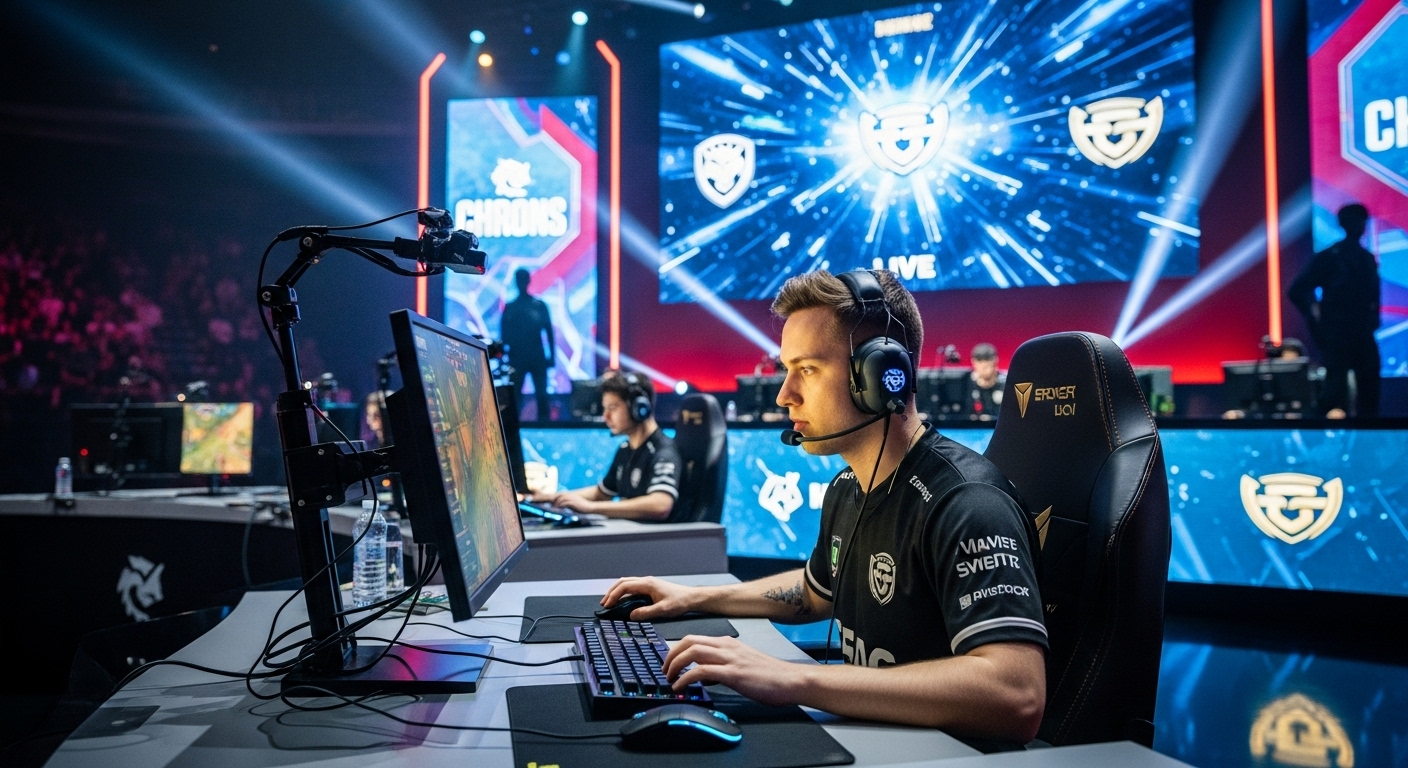
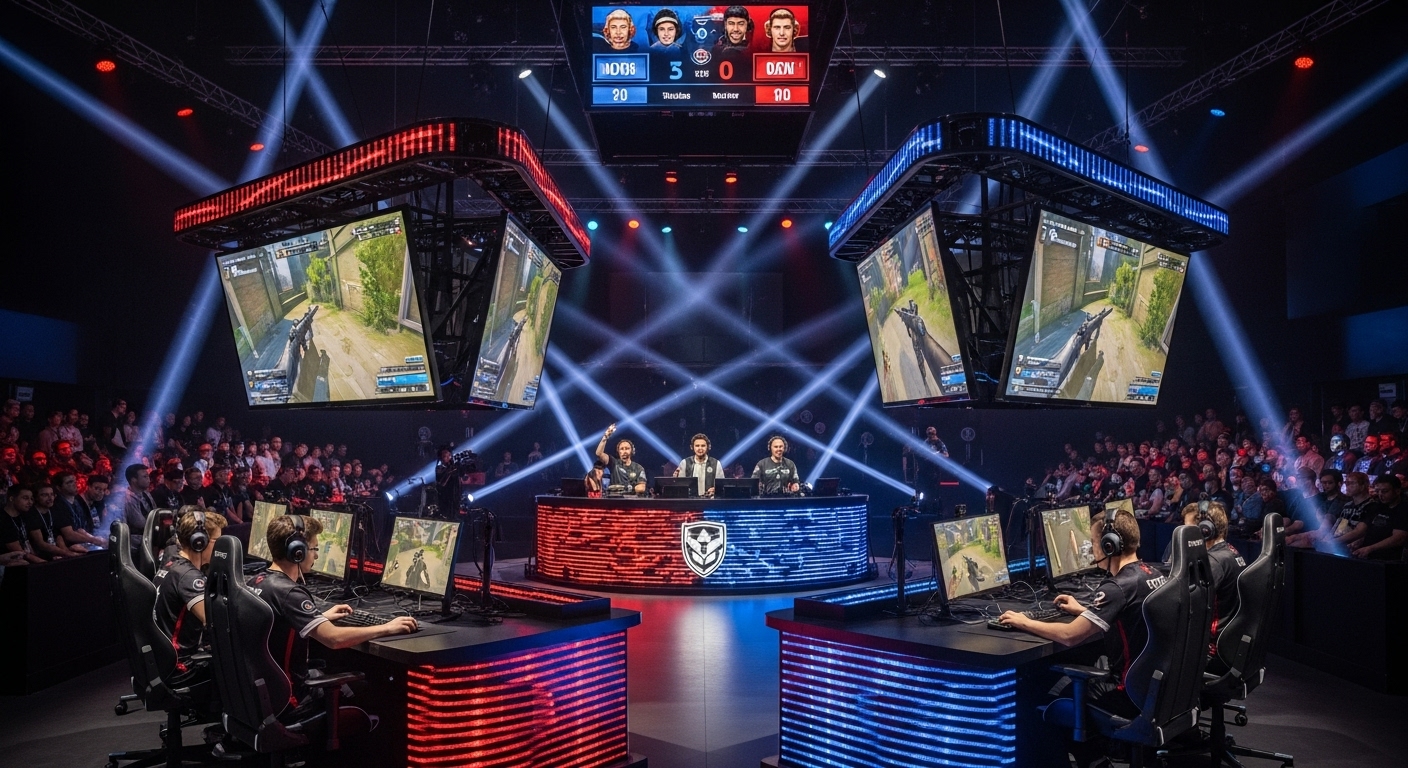
Esports, or competitive video gaming, has evolved into one of the most significant trends in global entertainment. What began as informal competitions between friends has blossomed into a multi-billion-dollar industry with millions of fans, players, and professional organizations. From high-stakes tournaments to passionate fan bases, esports has become a major force in the digital world. This blog post will explore the rapid growth of esports, its cultural influence, and why it’s reshaping the future of entertainment.
Understanding Esports: More Than Just Playing Games
At its core, esports is all about competition in the world of video games. However, unlike casual gaming, esports involves highly skilled players and organized teams battling it out in professional tournaments. These tournaments are often streamed live, attracting large audiences both online and in person. Popular esports titles include games like League of Legends, Dota 2, Counter-Strike: Global Offensive, Fortnite, and Overwatch, each offering its own unique competitive environment.
Esports is more than just playing for fun—it’s about mastering a game, developing strategies, and competing at the highest level. It requires immense focus, reflexes, teamwork, and dedication. As a result, players are seen as athletes in their own right, spending hours honing their skills and perfecting their gameplay, much like traditional athletes do in sports like football or basketball.
The Growth of Esports: From Casual to Professional
Esports didn’t start as the global spectacle it is today. In fact, it had humble beginnings in local gaming communities and small-scale tournaments. The rise of online multiplayer games in the late 1990s and early 2000s paved the way for competitive gaming to go global. With the advent of platforms like Twitch, YouTube Gaming, and other streaming services, esports began to gain significant traction.
One of the key milestones in esports’ growth was the launch of major tournaments with multi-million-dollar prize pools. For instance, The International for Dota 2 and the League of Legends World Championship now draw global audiences, with prize money reaching astronomical amounts. In addition, sponsorships from big brands like Coca-Cola, Intel, and Red Bull have given esports the credibility and financial backing it needed to grow into a legitimate professional career path.
Esports Teams: The Rise of Professional Organizations
Just like traditional sports, esports has evolved to feature organized teams that compete in leagues and tournaments. These professional teams often consist of highly skilled players from around the world, each specializing in a particular game or role. Teams such as Cloud9, Team Liquid, and FaZe Clan have become powerhouses in the esports world, signing top players and forming brands that are recognizable beyond the gaming community.
Esports teams operate similarly to traditional sports teams, with coaches, analysts, and support staff working behind the scenes to help the players reach their peak performance. Players sign contracts with these teams, which can include salary, sponsorship deals, and other benefits. In addition to the competitions themselves, these teams are also heavily involved in content creation, marketing, and fan engagement, all of which contribute to the ever-growing esports ecosystem.
Streaming and Community: The Heartbeat of Esports
One of the driving forces behind the growth of esports has been the rise of live streaming platforms like Twitch, YouTube Gaming, and Facebook Gaming. These platforms have given players the ability to broadcast their gameplay to a global audience, allowing fans to watch live matches, tutorials, and casual streams.
Twitch, in particular, has become the go-to destination for esports fans, offering live streams of major tournaments, casual gaming sessions, and real-time interactions between fans and their favorite players. This interaction is a defining feature of esports culture. Fans don’t just watch the games—they engage with the players, join live chats, and become an active part of the community. For many, this sense of connection and interaction with the players has helped build a deep loyalty to esports teams and events.
The Economic Impact of Esports
Esports has become a multi-billion-dollar industry, with revenue streams coming from a variety of sources. Prize money, sponsorships, media rights, ticket sales, and merchandise all contribute to the financial growth of the sector. In 2021, the global esports industry was valued at around $1.08 billion, and it’s projected to continue growing.
Sponsorship deals are one of the largest revenue drivers in esports. Brands from various sectors, including technology, energy drinks, and even clothing brands, are pouring millions into esports, sponsoring tournaments and teams. These sponsorships not only provide financial backing for the players and teams but also give brands the opportunity to reach a massive, tech-savvy audience.
Media deals have also played a crucial role in esports’ growth. Major broadcast networks like ESPN and Turner Sports have started airing esports events, making competitive gaming more mainstream. Additionally, streaming platforms such as Twitch and YouTube generate revenue from subscriptions, advertisements, and sponsorships, which further fuels the industry.
Esports as a Career Path
For years, gaming was viewed as a hobby or a pastime. But with the rise of professional esports, competitive gaming has now become a legitimate career path. Players, coaches, analysts, broadcasters, and content creators can all make a living from esports.
Professional players in games like League of Legends, CS:GO, and Fortnite can earn substantial salaries from tournament winnings, sponsorships, and streaming. Some top players have built personal brands and gained celebrity status within the esports world. However, the path to becoming a professional player is not easy. It requires countless hours of practice, intense dedication, and the ability to compete at the highest level.
Beyond players, there are numerous other career opportunities in esports, including roles in team management, event organization, video production, marketing, and broadcasting. As esports continues to grow, so does the demand for skilled professionals in these areas, making it a viable and exciting career option for many.
Esports and Its Impact on the Gaming Industry
Esports has had a profound impact on the gaming industry as a whole. Game developers are increasingly designing titles with competitive gaming in mind, creating balanced gameplay mechanics, and ensuring that their games are conducive to organized competitions. Many esports titles, such as Dota 2 and Fortnite, receive regular updates and tweaks to keep the competitive scene fresh and engaging.
Additionally, esports has helped bring gaming into the mainstream. What was once seen as a hobby for “nerds” is now a form of entertainment that appeals to a wide range of people, including both younger and older generations. Esports has also contributed to the growing popularity of gaming as a form of social activity, with many people connecting through online multiplayer games and participating in live-streamed tournaments.
The Future of Esports: What’s Next?
The future of esports looks incredibly bright. As technology continues to improve, we can expect even more immersive and exciting experiences for players and viewers alike. Virtual reality (VR) and augmented reality (AR) have the potential to revolutionize the way esports are played and viewed, making the experience even more engaging.
Esports will also continue to expand into new markets. Mobile gaming is already a dominant force in places like Asia, and games like PUBG Mobile and Arena of Valor are expected to grow in popularity globally. As esports continues to gain traction, it’s likely that more schools and universities will start offering scholarships and academic programs related to competitive gaming.
In addition, esports will likely become even more integrated with traditional sports. We could see more crossover events where esports athletes compete alongside traditional athletes, or hybrid events that combine elements of both.
Conclusion: Esports is Here to Stay
Esports has rapidly evolved from a niche hobby into a global industry, and its impact on entertainment, culture, and business cannot be overstated. With its ever-growing fan base, professional leagues, and multi-million-dollar prize pools, esports has firmly established itself as a major player in the world of competitive entertainment. Whether you’re a player, a fan, or someone who’s just beginning to explore this exciting world, one thing is clear—esports is here to stay, and its influence will only continue to grow in the years to come.