Introduction
Esports has become one of the most powerful movements in modern entertainment. What began as a simple pastime for video game enthusiasts has evolved into a worldwide competitive industry. Millions of players and fans come together through online platforms, turning digital gaming into a global phenomenon that rivals traditional sports in popularity, influence, and revenue.
The Beginning of Esports
The history of esports dates back to the early days of video gaming. In the 1970s and 1980s, small gaming tournaments were organized in universities and arcades, where players competed for fun and recognition. As technology improved, multiplayer games and internet connectivity gave rise to larger, more organized competitions. Titles like Counter-Strike, Dota, and StarCraft helped shape the foundation of professional gaming, paving the way for what we now call esports.
The Rise of Competitive Gaming
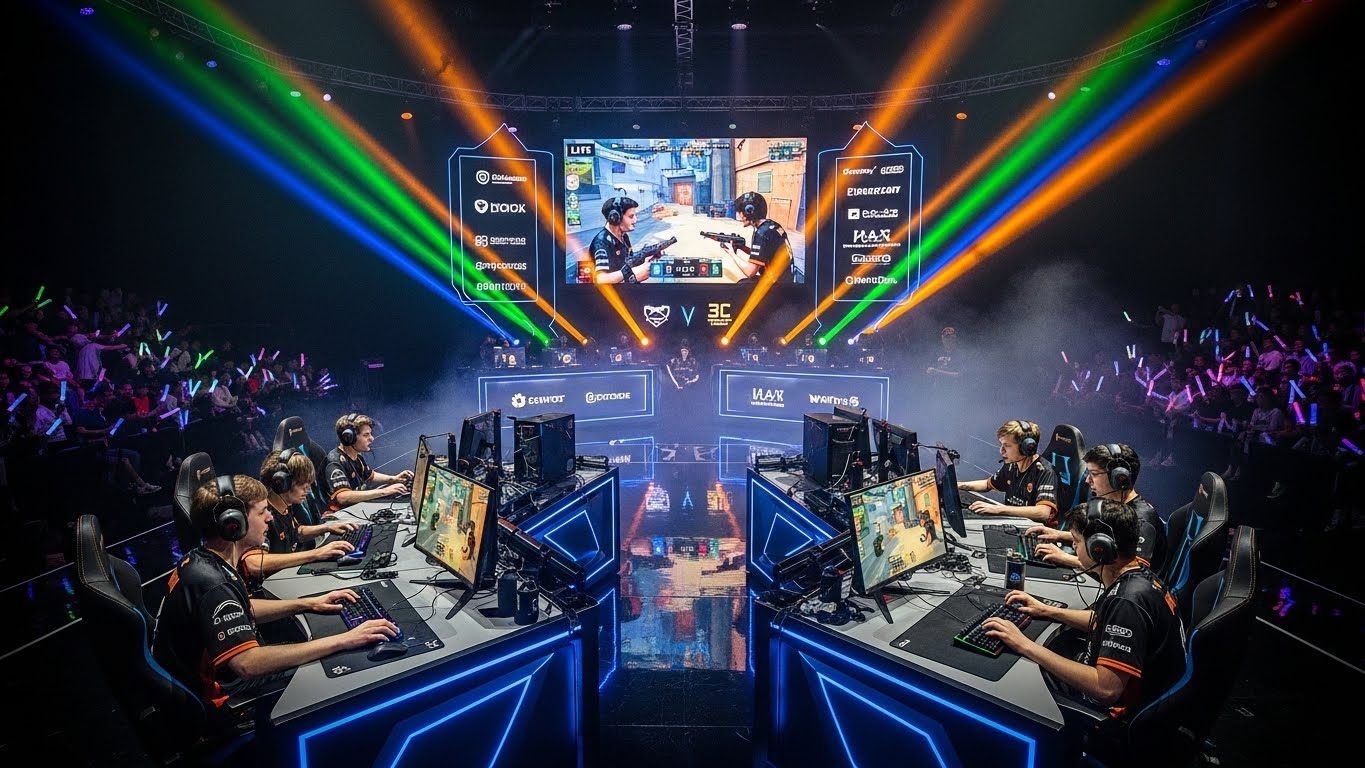
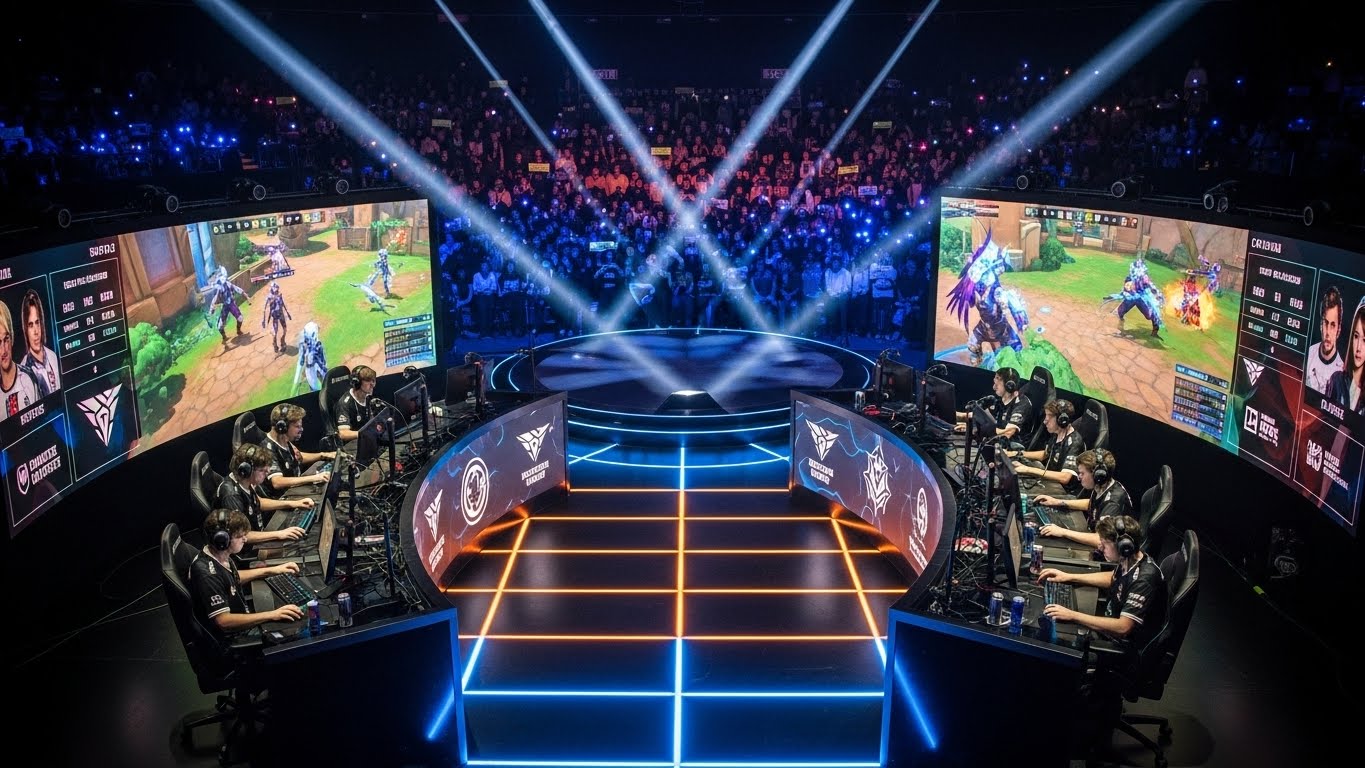
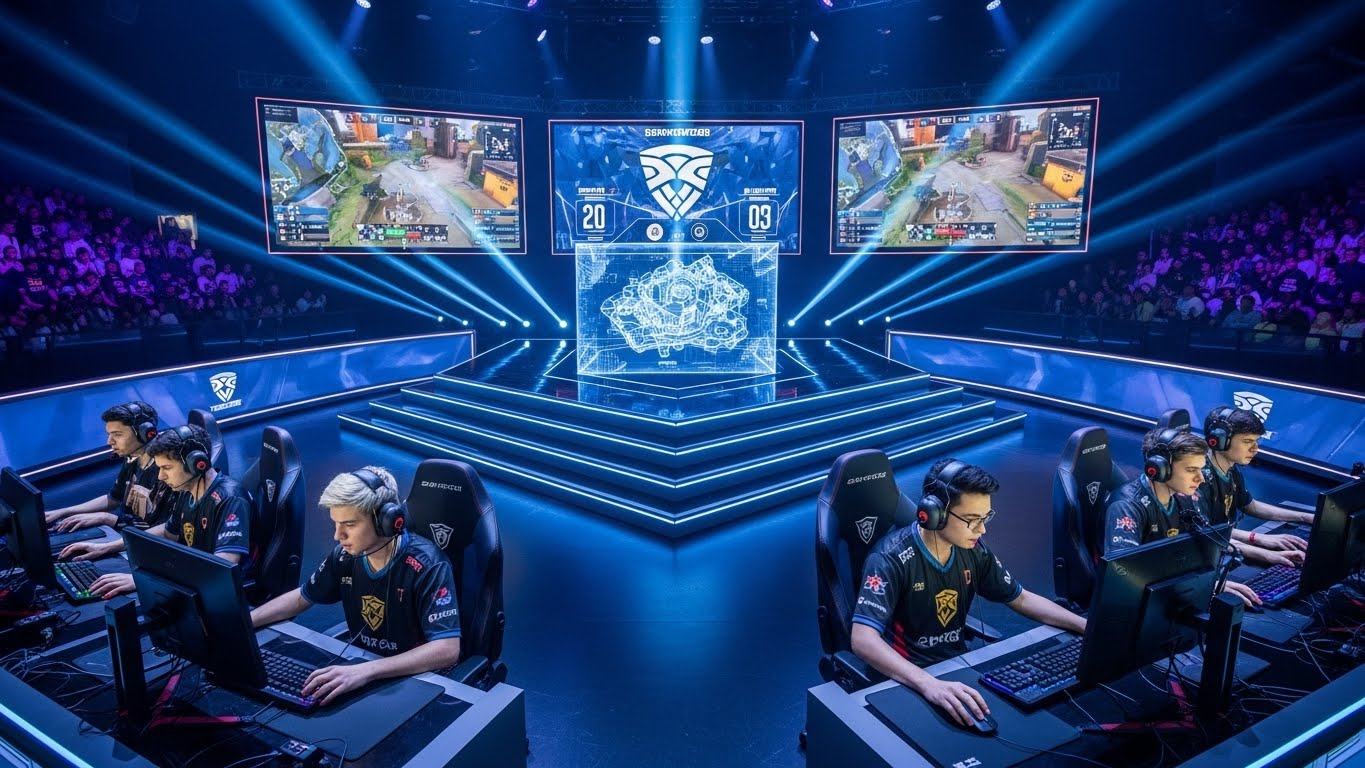
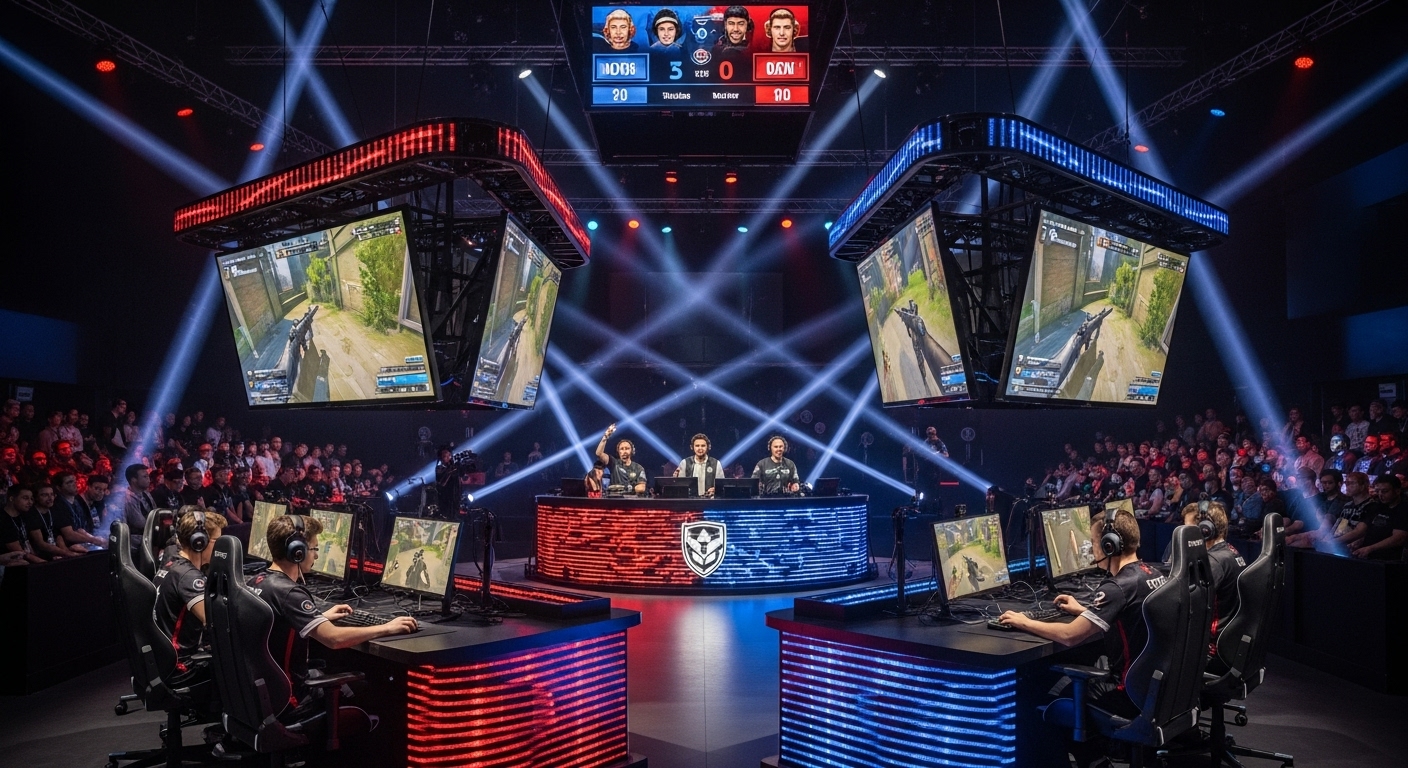
The 21st century marked a turning point for esports. With the expansion of high-speed internet and digital streaming, gaming tournaments began attracting millions of viewers. Professional teams were formed, sponsors joined in, and prize pools reached impressive amounts. Today, esports tournaments are hosted in massive arenas, drawing crowds that rival traditional sports events. The excitement, energy, and community surrounding esports have made it a defining feature of the modern entertainment era.
Life of a Professional Gamer
Behind the bright lights and large audiences, esports players dedicate immense time and effort to perfect their craft. Professional gamers follow strict schedules, often practicing for several hours a day to master their strategies, reflexes, and teamwork. Many belong to organizations that provide them with coaching, fitness training, and psychological support. Their journey requires discipline, focus, and resilience, proving that esports is not merely about playing games—it is about performing at the highest level of mental and physical endurance.
The Role of Technology
Technology is the heart of esports. From high-performance gaming systems to advanced streaming platforms, technology connects players and fans across the globe. Viewers can watch live matches from any part of the world, cheering for their favorite teams in real time. The rise of artificial intelligence, virtual reality, and augmented reality is also shaping the future of esports, making it more immersive and interactive than ever before.
The Global Impact of Esports
Esports has had an enormous cultural and economic impact worldwide. It has created job opportunities for commentators, event organizers, coaches, and content creators. Major companies invest in esports sponsorships, recognizing its value in reaching young and tech-savvy audiences. Moreover, esports has helped break cultural and geographical barriers, bringing together people from different backgrounds through their shared passion for gaming.
Esports in Education
The growing importance of esports has also reached educational institutions. Many schools and universities now offer esports programs, scholarships, and academic courses related to gaming, design, and digital media. These programs promote teamwork, communication, and problem-solving skills—qualities that are valuable both in gaming and in real-world careers.
The Future of Esports
The future of esports is bright and full of possibilities. With continuous technological advancements and growing mainstream acceptance, esports will keep expanding into new territories. Virtual reality competitions, global leagues, and youth training programs are set to make esports more inclusive and accessible than ever before. The line between traditional sports and esports will continue to blur, creating a new era of competitive entertainment.
Conclusion
Esports is more than just a form of gaming—it is a revolution in how people connect, compete, and celebrate talent. It has transformed digital play into a respected professional industry that inspires millions. As technology evolves and global interest increases, esports will remain at the forefront of innovation, culture, and competition, shaping the future of entertainment for generations to come.