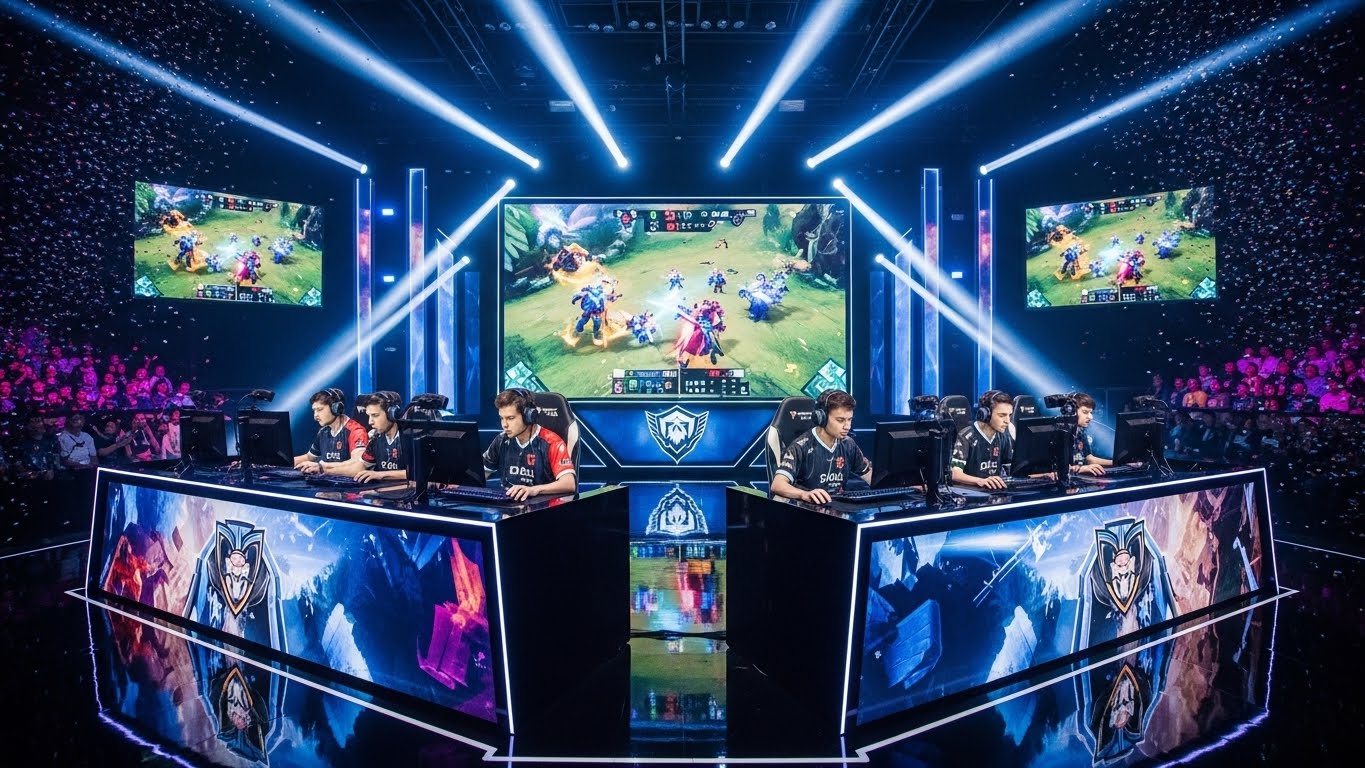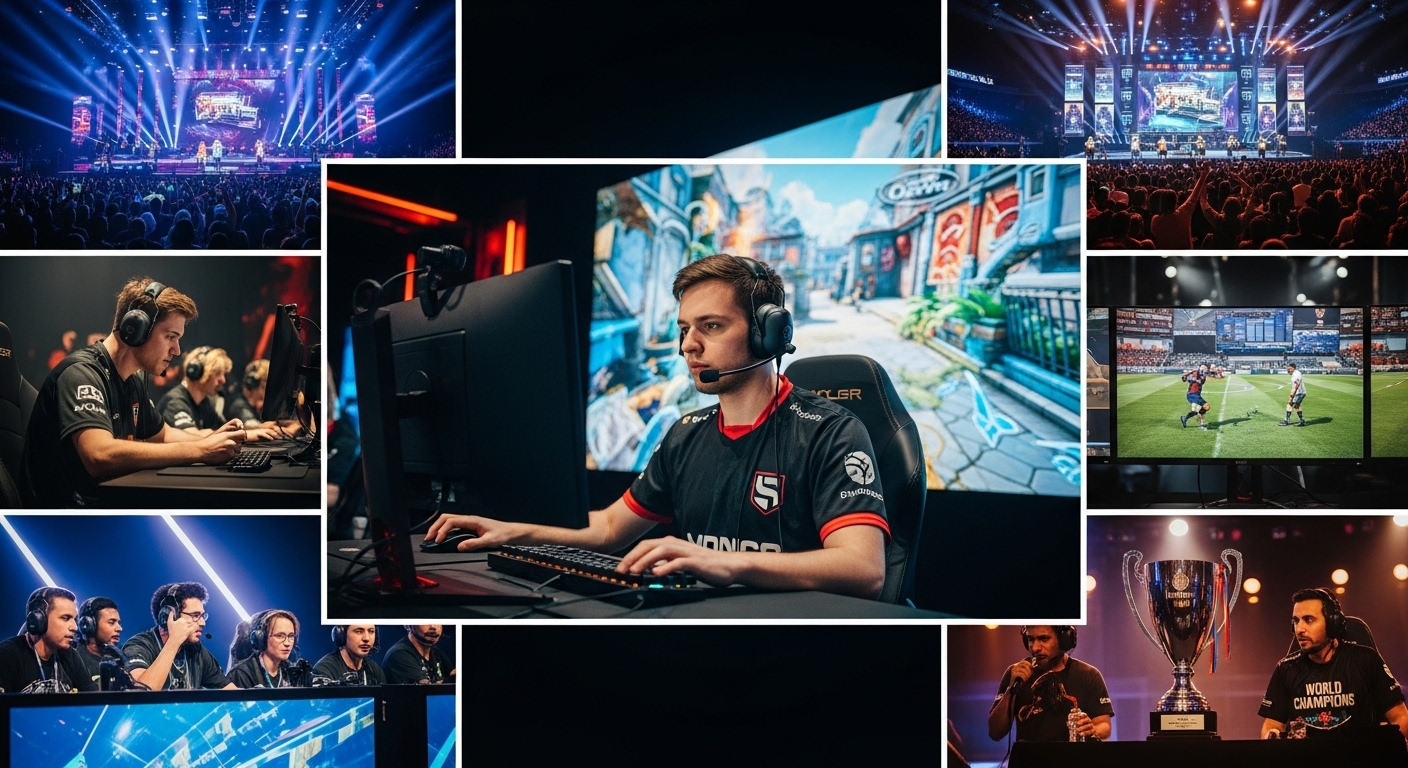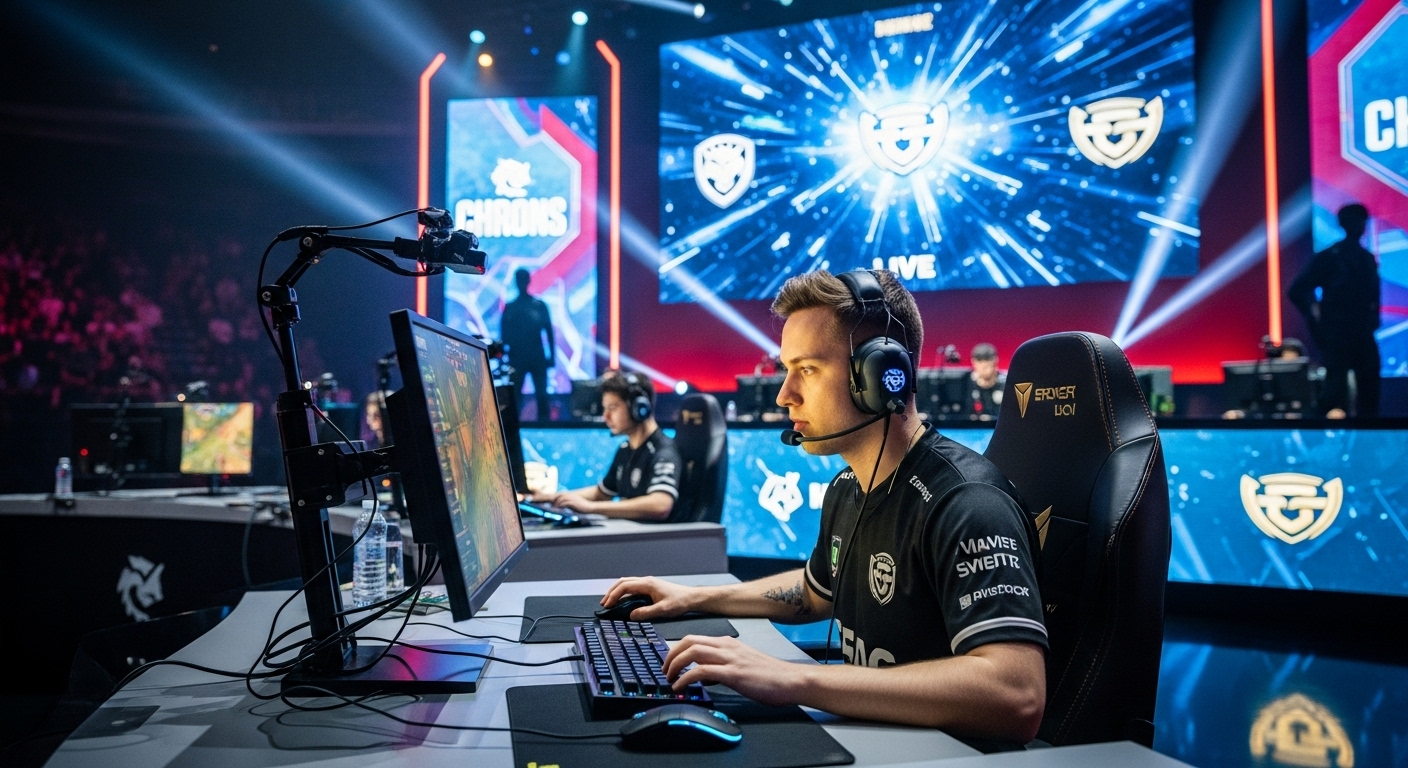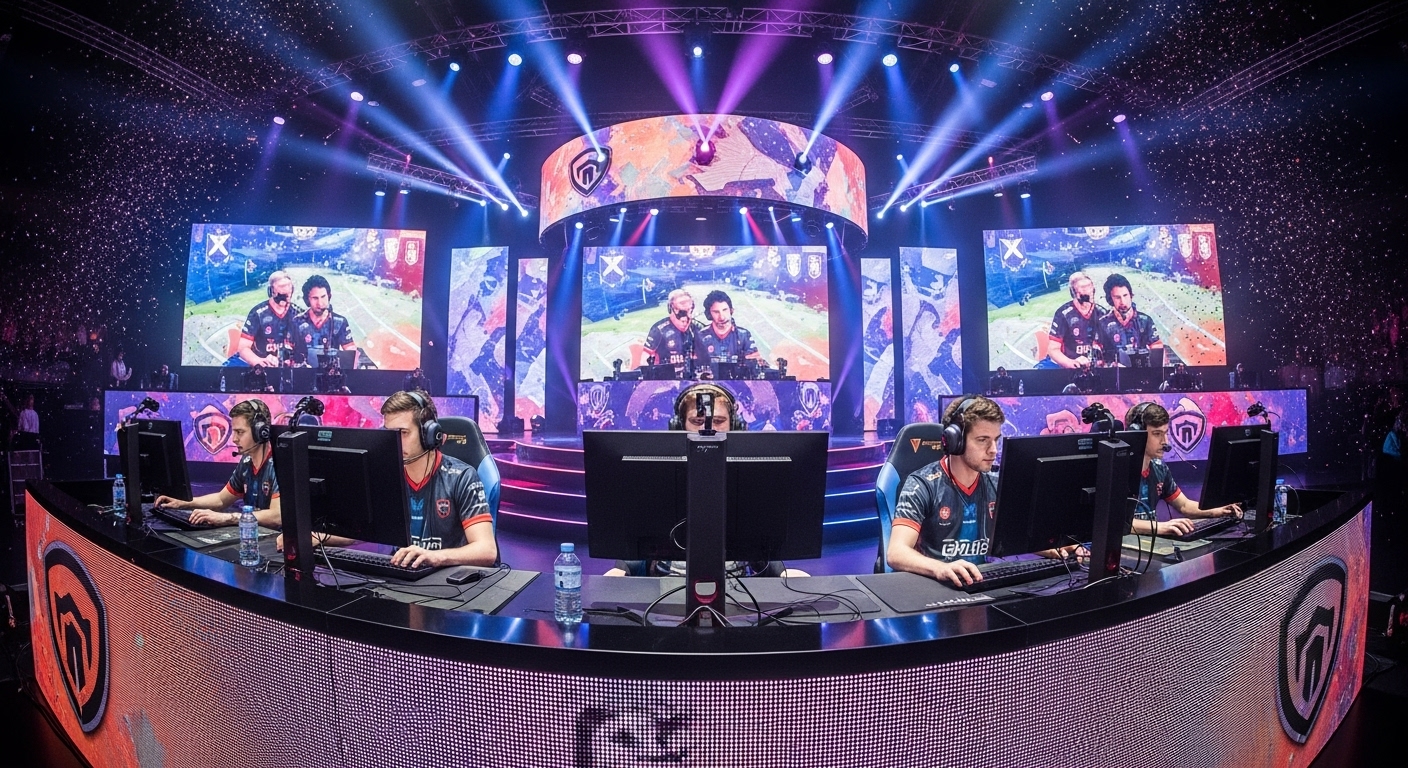
Esports has undergone a remarkable transformation from a niche activity enjoyed by a small community of gamers to a multi-billion-dollar global phenomenon. Once seen as a subculture relegated to the fringes of the gaming world, competitive gaming is now an established and thriving industry with millions of fans, professional players, and global events. This shift has fundamentally changed how we think about video games, competition, and entertainment, and it continues to redefine the landscape of digital sports.
In this blog post, we will explore the history, growth, and impact of esports, while examining how it has become one of the most influential and dynamic sectors of modern entertainment. We’ll take a closer look at the rise of professional gaming, the growing fanbase, the cultural significance of esports, and what the future holds for this exciting industry.
The Genesis of Esports: From Arcade Games to Online Competitions
The roots of esports can be traced back to the very origins of video games. In the 1970s and 1980s, arcade games like Pong and Space Invaders laid the foundation for competitive gaming. While these early games were simple by today’s standards, they introduced the idea of score-based competition. Local tournaments held at arcades and competitions between friends were among the first examples of gaming as a competitive activity.
However, it wasn’t until the late 1990s that esports began to take a more formal shape. The development of multiplayer online games such as Quake, StarCraft, and Warcraft III allowed players to compete against each other from remote locations, expanding the reach of competitive gaming beyond local environments. The creation of online gaming networks and the spread of high-speed internet made it easier for players to participate in tournaments without being physically present in the same room.
In 1997, the Cyberathlete Professional League (CPL) was established as one of the first major esports organizations. It hosted competitive tournaments for games like Quake and Unreal Tournament, providing players with the opportunity to showcase their skills in a more formalized environment. These early events set the stage for the growth of esports, offering prize money and recognition to the best players.
The Explosion of Esports: A Global Movement
By the early 2000s, the rise of broadband internet, coupled with the popularity of games like Counter-Strike, Warcraft III, and StarCraft, began to ignite a global competitive gaming scene. In South Korea, StarCraft became a national obsession, with professional players achieving celebrity status. This period marked the true birth of professional esports, as the country embraced the concept of organized, televised gaming tournaments. StarCraft tournaments were broadcast on national television, and dedicated esports channels were created to showcase competitive gameplay.
The establishment of professional leagues in South Korea, such as the Korean e-Sports Association (KeSPA), and the creation of global tournaments like The World Cyber Games (WCG) and Electronic Sports World Cup (ESWC), signaled the growing importance of esports on the world stage. During this time, esports started to gain momentum in the United States and Europe as well, thanks to the spread of broadband internet, the launch of platforms like Twitch for live streaming, and the growing popularity of games such as League of Legends, Dota 2, and Counter-Strike: Global Offensive.
In the last decade, esports has become a multi-billion-dollar industry, attracting massive investments from major brands, venture capitalists, and traditional sports organizations. Major global tournaments, such as the League of Legends World Championship and The International (for Dota 2), now offer prize pools in the tens of millions of dollars, while attracting millions of viewers both online and in person.
The Professional Esports Industry: Teams, Leagues, and Sponsorships
Esports has become a full-fledged industry, complete with professional teams, leagues, sponsorship deals, and a broad ecosystem of influencers and content creators. At the heart of the professional scene are the players and teams who compete in various titles across multiple genres, such as first-person shooters (FPS), real-time strategy (RTS), and multiplayer online battle arena (MOBA) games.
Professional Teams and Players
Today, esports is a career for many, with players dedicating their time to improving their skills and competing at the highest level. Some players are contracted by well-known esports organizations like Cloud9, Team Liquid, G2 Esports, Fnatic, and SK Telecom T1. These organizations manage their teams, sponsor their players, and help them build their brands. Professional players receive salaries from these teams, and they can earn additional income through tournament prize money, streaming, sponsorship deals, and merchandise sales.
Esports players must undergo rigorous training and maintain high levels of skill to stay competitive. Just like professional athletes in traditional sports, esports players follow strict training regimens, sometimes practicing for up to 12 hours a day. They participate in scrims (practice matches) against other teams, analyze game footage, develop strategies, and work with coaches and analysts to optimize their performance.
Esports Leagues and Tournaments
Esports competitions have become more structured in recent years, with the development of professional leagues and tournaments. Many esports titles now have their own league systems, such as the Overwatch League and the Call of Duty League. These leagues mirror traditional sports leagues, with teams representing cities or organizations and competing in regular seasons before heading into playoffs and championships.
Some esports games, like League of Legends and Dota 2, have massive annual tournaments that attract global attention. The League of Legends World Championship, for example, regularly draws over 100 million viewers across its various broadcasts. The International, the premier Dota 2 event, holds the record for the largest prize pool in esports history, often exceeding $30 million.
Esports tournaments are often broadcast live on streaming platforms like Twitch and YouTube Gaming. These platforms allow fans to watch the action as it unfolds, providing a level of accessibility that has helped esports reach a global audience. Many fans also enjoy interacting with players and casters through live chats, creating a more immersive experience.
Sponsorships and Media Partnerships
The growing popularity of esports has attracted major brands and media companies, who see it as a way to connect with younger, tech-savvy audiences. Esports organizations and tournaments have secured sponsorships from companies like Coca-Cola, Intel, Red Bull, and Nike. These sponsorships help fund tournaments, player salaries, and team operations, while giving brands exposure to millions of esports fans.
Television networks and digital media platforms have also jumped on the esports bandwagon. ESPN, Turner Sports, and NBC Sports have all aired esports events, while streaming platforms like Twitch and YouTube have become the primary destinations for live esports content. These media partnerships have helped esports gain mainstream visibility and credibility, further cementing its status as a major form of entertainment.
The Cultural Impact of Esports
Esports has had a profound impact on global culture, influencing everything from entertainment to social dynamics. The industry has played a key role in legitimizing gaming as a form of sport and entertainment, breaking down the traditional stigma associated with gaming.
Changing the Perception of Gaming
In the past, gaming was often seen as a solitary activity or a hobby for “nerds” and “geeks.” However, esports has helped reshape this narrative by showcasing the strategic, competitive, and team-oriented aspects of gaming. It’s no longer just about playing games for fun; it’s about excelling at a high level, developing skills, and participating in global events.
Esports has also helped elevate gaming into a social activity. Multiplayer games and esports tournaments bring people together from around the world, allowing them to bond over shared interests. Fans interact with each other online, engage in discussions about strategies and players, and follow their favorite teams and athletes through social media.
Building a Global Community
Esports has fostered a global community of fans, players, and creators. Whether it’s cheering for a favorite team or participating in online tournaments, esports has created a sense of belonging for people from all walks of life. The accessibility of digital platforms has helped bridge geographical and cultural divides, allowing people from different countries and backgrounds to connect over a shared love of gaming.
Fans of esports often feel a deep connection to the games they watch and the players they follow. This sense of community has led to the creation of fan clubs, forums, social media groups, and fan-created content. Esports personalities and streamers have become influencers, with millions of followers across platforms like Twitch and Instagram. These creators have built their own brands, interacting directly with fans and shaping the culture of esports.
The Future of Esports
The future of esports looks incredibly promising, with several exciting trends and innovations on the horizon. Here are some of the key developments to watch:
Integration with Traditional Sports
Esports and traditional sports are increasingly converging. Professional sports leagues like the NBA and NFL have launched their own esports leagues, such as the NBA 2K League and eNFL. These collaborations signal the growing recognition of esports as a legitimate form of competition on par with traditional sports.
Advancements in Technology
Advancements in technology will continue to shape the future of esports. Virtual reality (VR) and augmented reality (AR) could revolutionize competitive gaming by providing players and spectators with a more immersive experience. Artificial intelligence (AI) may also play a role in improving game mechanics, creating more dynamic and competitive environments.