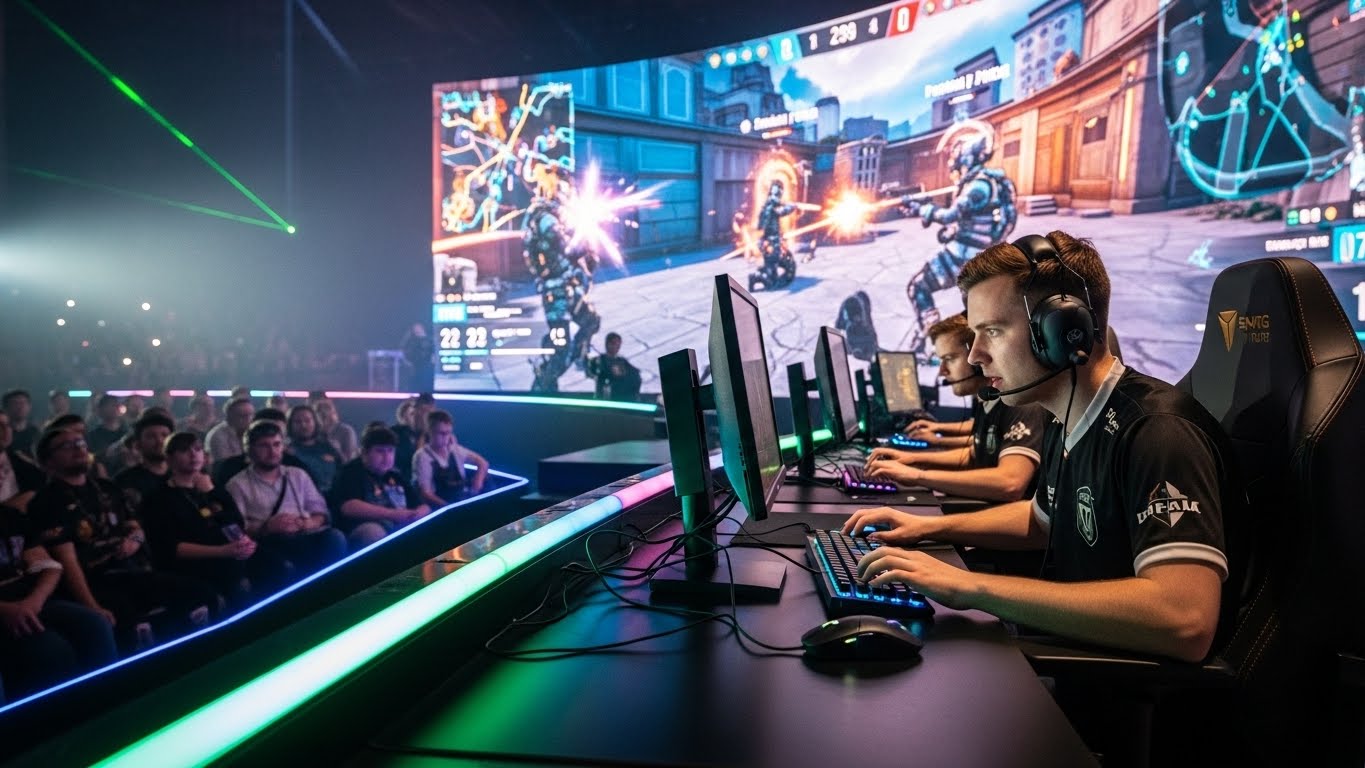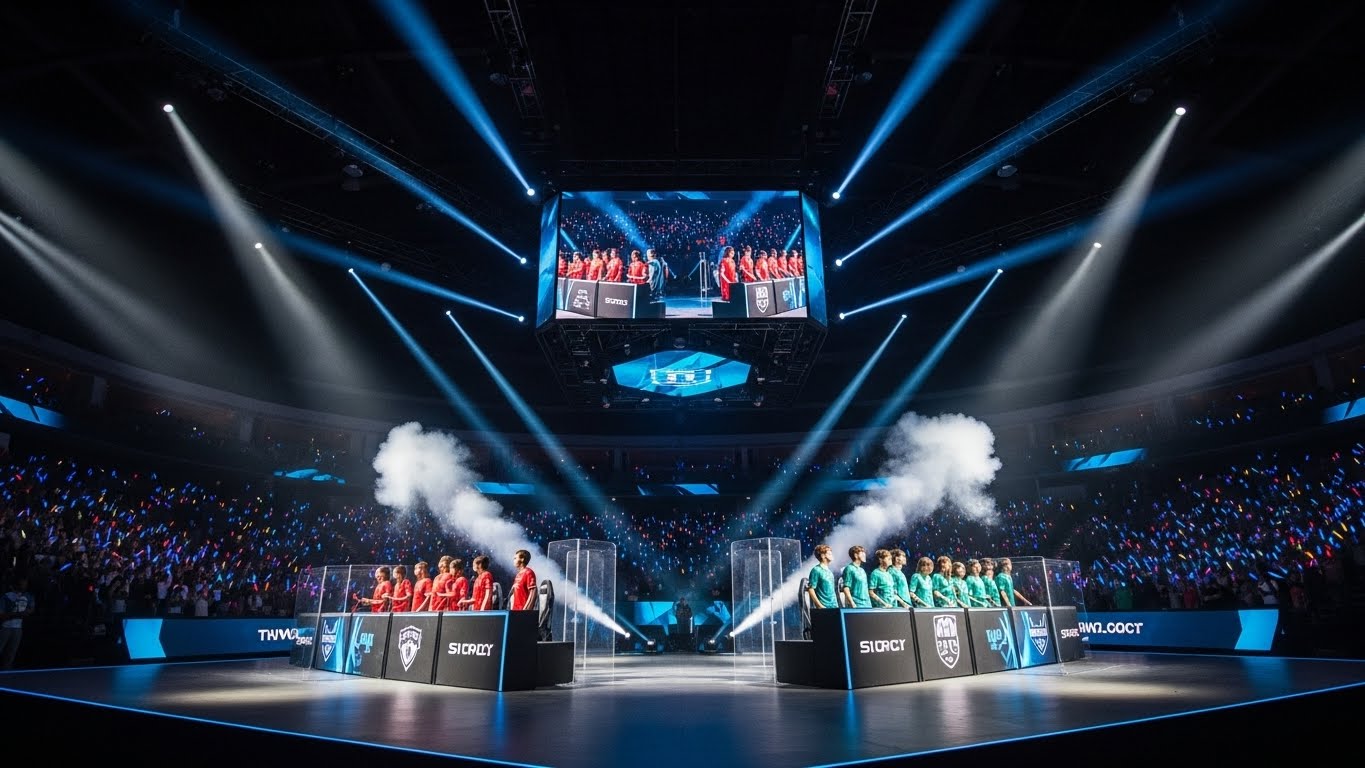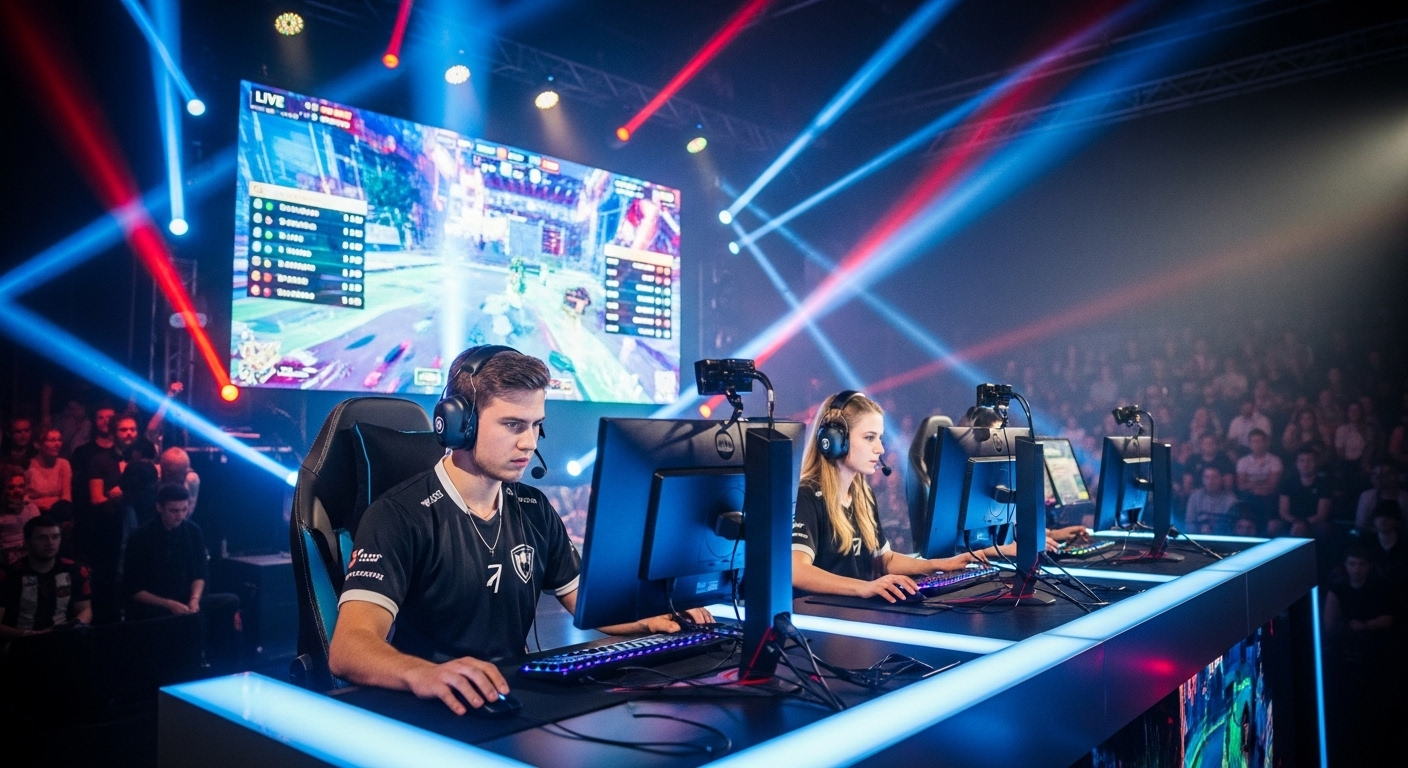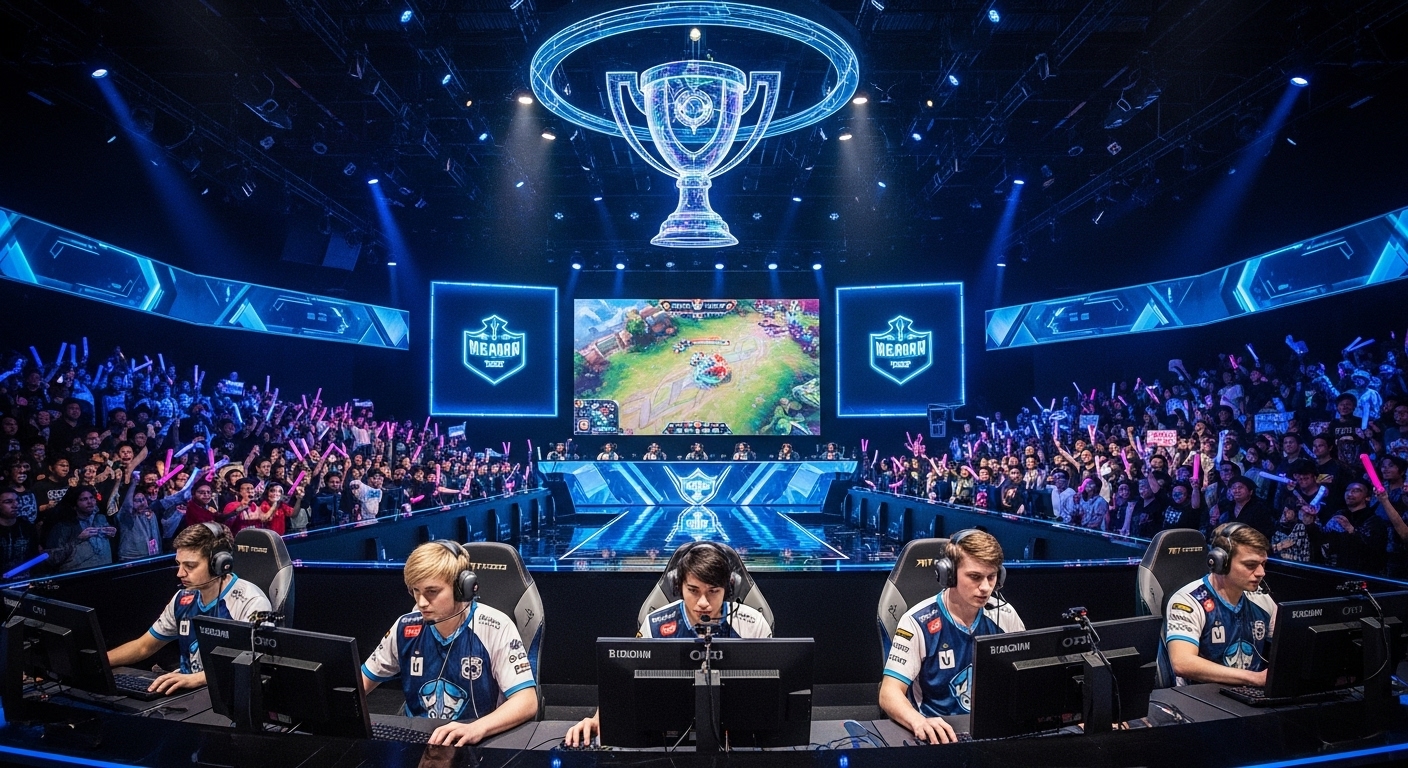
Esports, or competitive video gaming, has evolved from a niche hobby into one of the most significant and influential industries in the world. What started with small tournaments in arcades and college dorms has now blossomed into a global phenomenon with millions of players, teams, and fans engaging in intense, high-stakes competitions. The rise of esports has not only transformed the gaming world but has also left a lasting impact on traditional sports, media, and entertainment.
In this blog post, we’ll delve into the growth of esports, its current state, and what the future holds for this rapidly growing industry. We’ll explore the history of esports, its economic impact, the cultural shift it’s creating, and how it’s poised to become a dominant force in global entertainment.
The Origins of Esports: From Arcade Battles to Online Tournaments
To understand the meteoric rise of esports, it’s essential to first look back at its origins. Competitive gaming has been around since the early days of video games. In the 1970s, players competed for high scores in arcade games like Space Invaders and Pong. These early competitions were informal, often taking place in arcades and public spaces, but they laid the groundwork for what would become a booming global industry.
The first major esports tournament, the Red Annihilation tournament in 1997, marked a pivotal moment in esports history. Held for the game Quake, it attracted over 2,000 players, offering a glimpse into the potential of competitive gaming on a larger scale. This tournament not only set the stage for future competitions but also helped establish esports as a viable, competitive pursuit.
As internet speeds improved in the late 1990s and early 2000s, online multiplayer games like StarCraft and Warcraft III began to dominate the competitive gaming scene. These games allowed players from all around the world to compete against one another, ushering in a new era for esports. Electronic Sports League (ESL) was founded in 2000, helping to organize and promote competitive gaming events. As the infrastructure for esports improved, the first major international tournaments, such as the World Cyber Games (WCG) and ESL’s own events, attracted global attention.
The Rise of Streaming: Making Esports a Spectator Sport
One of the most crucial factors behind esports’ explosive growth has been the rise of online streaming platforms. With the advent of Twitch in 2011, a dedicated platform for live-streaming video games, esports found a way to reach a massive, global audience. Twitch allowed fans to watch live competitions, interact with players and teams in real-time, and engage with the community around their favorite games.
The success of Twitch proved that esports could be more than just a competition for players—it could become a spectator sport in its own right. Major tournaments like the League of Legends World Championship and The International for Dota 2 began drawing millions of viewers, turning esports into a mainstream spectacle. As streaming platforms grew, so did the number of viewers, with major events regularly attracting audiences larger than those of traditional sports events like the NBA Finals or the Super Bowl.
Streaming also opened up new avenues for monetization. Professional players and content creators could now generate revenue through donations, subscriptions, sponsorships, and advertisements. This new way of making money has allowed many players to turn competitive gaming into a full-time career, while also giving rise to a new breed of influencers and entertainers within the gaming community.
Esports’ Economic Impact: A Multi-Billion-Dollar Industry
The business side of esports is arguably just as impressive as its growth in popularity. As esports became a global spectacle, the financial backing behind it also expanded. Major tech companies, including Intel, Nvidia, and Microsoft, recognized the immense potential of esports and invested heavily in the industry. In fact, the esports market is now estimated to be worth over $1 billion annually, with projections indicating continued growth in the coming years.
Sponsorship deals have played a crucial role in driving the financial success of esports. Brands such as Coca-Cola, Mercedes-Benz, Red Bull, and Audi have all made significant investments in esports, sponsoring tournaments, teams, and players. These sponsorships have helped fund the prize pools for tournaments, which have reached astronomical figures. For example, the prize pool for Dota 2’s International Tournament in 2021 reached over $40 million, a figure that dwarfs the prize pools of many traditional sports events.
Teams and players themselves have benefited greatly from this influx of investment. Esports teams, like Team Liquid, Cloud9, and G2 Esports, have signed multi-million-dollar sponsorship deals and established lucrative business operations. Players are not only compensated for their performance in tournaments but also make money through sponsorships, streaming, and content creation. Top-tier esports athletes now earn salaries that rival those of professional athletes in traditional sports.
Esports and Traditional Sports: A Growing Symbiosis
One of the most fascinating developments in the esports landscape has been the growing intersection between esports and traditional sports. As esports gains traction, traditional sports leagues have started to take notice, realizing that competitive gaming has a place in their world as well.
Teams from major sports leagues, such as the NFL, NBA, and Soccer’s Premier League, have started investing in esports. For instance, basketball teams like the Dallas Mavericks and Cleveland Cavaliers have created their own esports divisions, forming teams that compete in games like NBA 2K. Similarly, football clubs like FC Barcelona and Paris Saint-Germain have launched esports teams that compete in various titles such as FIFA and Rocket League.
This convergence between esports and traditional sports is not just limited to team ownership. Many traditional sports broadcasters, including ESPN and Fox Sports, have begun to air esports events, further legitimizing the competitive gaming scene. Additionally, esports is increasingly becoming a key part of sports culture, with large-scale tournaments held in sports arenas and stadiums. For example, BlizzCon, the annual Blizzard Entertainment event, is often held in major convention centers, drawing crowds similar in size to those seen at traditional sports events.
The Cultural Shift: Gaming as a Mainstream Activity
Esports has been a driving force in a larger cultural shift, as gaming becomes an ever-more mainstream activity. The stigma once associated with gaming—often viewed as a solitary, fringe activity—is rapidly disappearing. Today, gaming is recognized as a legitimate form of entertainment enjoyed by millions across the globe.
One of the driving forces behind this cultural shift is the increasing accessibility of video games. The rise of mobile gaming has introduced millions of new players to competitive gaming, particularly in regions like Southeast Asia, India, and Latin America. Games like PUBG Mobile, Free Fire, and Clash Royale have made it possible for players to participate in esports without the need for expensive equipment or gaming consoles.
Moreover, the social aspect of gaming has played a significant role in making it a more inclusive and interactive form of entertainment. Games like Fortnite, Minecraft, and Apex Legends have introduced millions of players to online communities, where they can collaborate, compete, and connect with people from different cultures and backgrounds. Esports has become a global phenomenon, with players and fans from every corner of the world coming together to celebrate their shared passion.
The Future of Esports: Innovations on the Horizon
As esports continues to grow, several key trends and innovations are set to shape the future of the industry. The integration of new technologies, such as virtual reality (VR) and augmented reality (AR), could create entirely new forms of esports competitions. Imagine players competing in fully immersive VR environments, where the action is as real as the physical world itself. These innovations would not only change how players experience esports but also how fans engage with it, potentially revolutionizing the way we consume digital entertainment.
Another area of growth is mobile esports, which is expected to see significant expansion in the coming years. With the majority of the world’s population now owning smartphones, mobile esports has the potential to become even more mainstream, particularly in emerging markets. Mobile games like PUBG Mobile and Arena of Valor are already gaining traction, and we can expect to see more tournaments and competitive leagues built around mobile games in the future.
Lastly, esports education is becoming increasingly important as the industry continues to mature. Universities and colleges are offering scholarships and degree programs in esports management, game development, and media production. This will help create a new generation of professionals who can support the growing demands of the esports ecosystem.
Conclusion: A Bright Future for Esports
Esports has undoubtedly come a long way since its humble beginnings in the arcades of the late 20th century. Today, it stands as a multi-billion-dollar global industry that has captured the attention of millions of fans and players worldwide. The fusion of technology, entertainment, and competition has created a unique form of entertainment that appeals to people of all ages and backgrounds.
As esports continues to grow, it will only become a more integral part of global entertainment, reshaping how we consume sports and gaming. With advancements in technology, an expanding fanbase, and an increasingly professionalized ecosystem, the future of esports looks incredibly bright. Whether you’re a player, a fan, or simply someone who enjoys watching competitive gaming, one thing is clear: esports is here to stay, and it will only continue to evolve and thrive in the years to come.