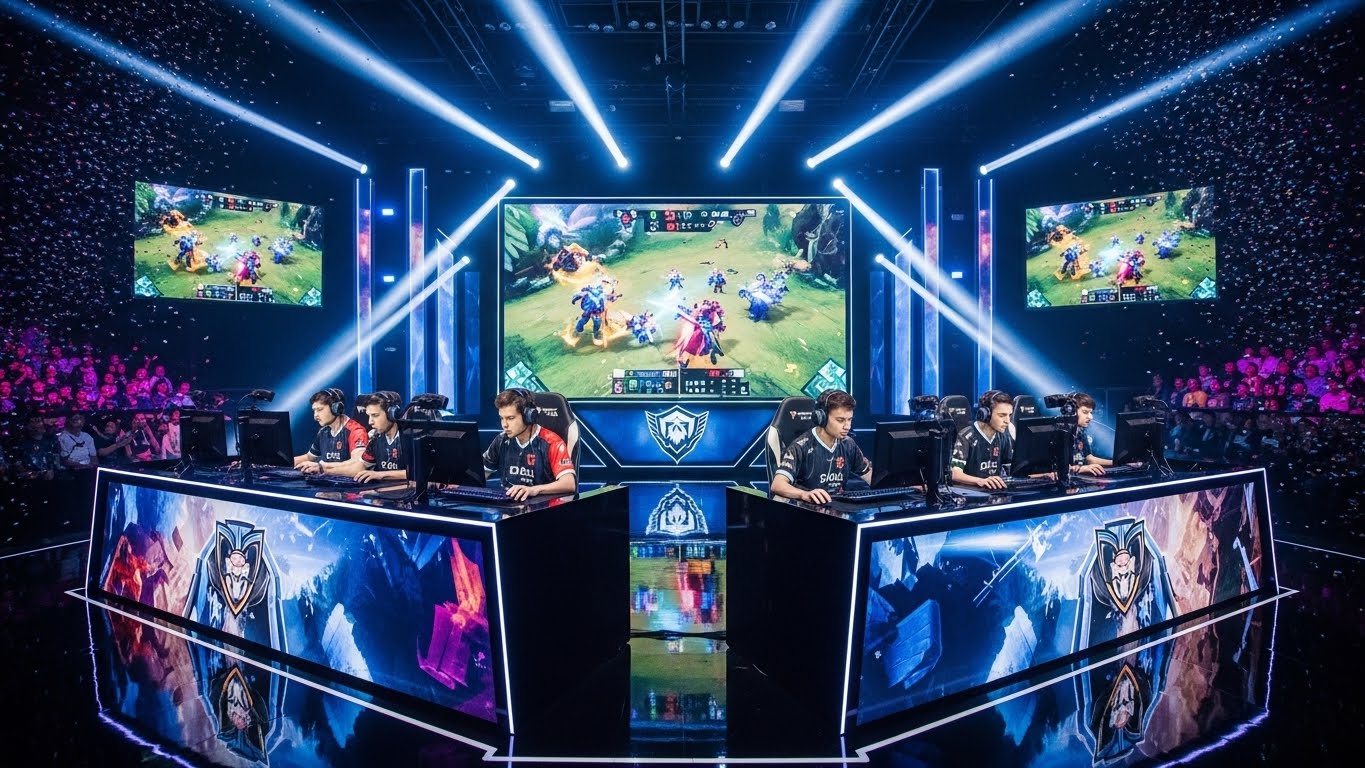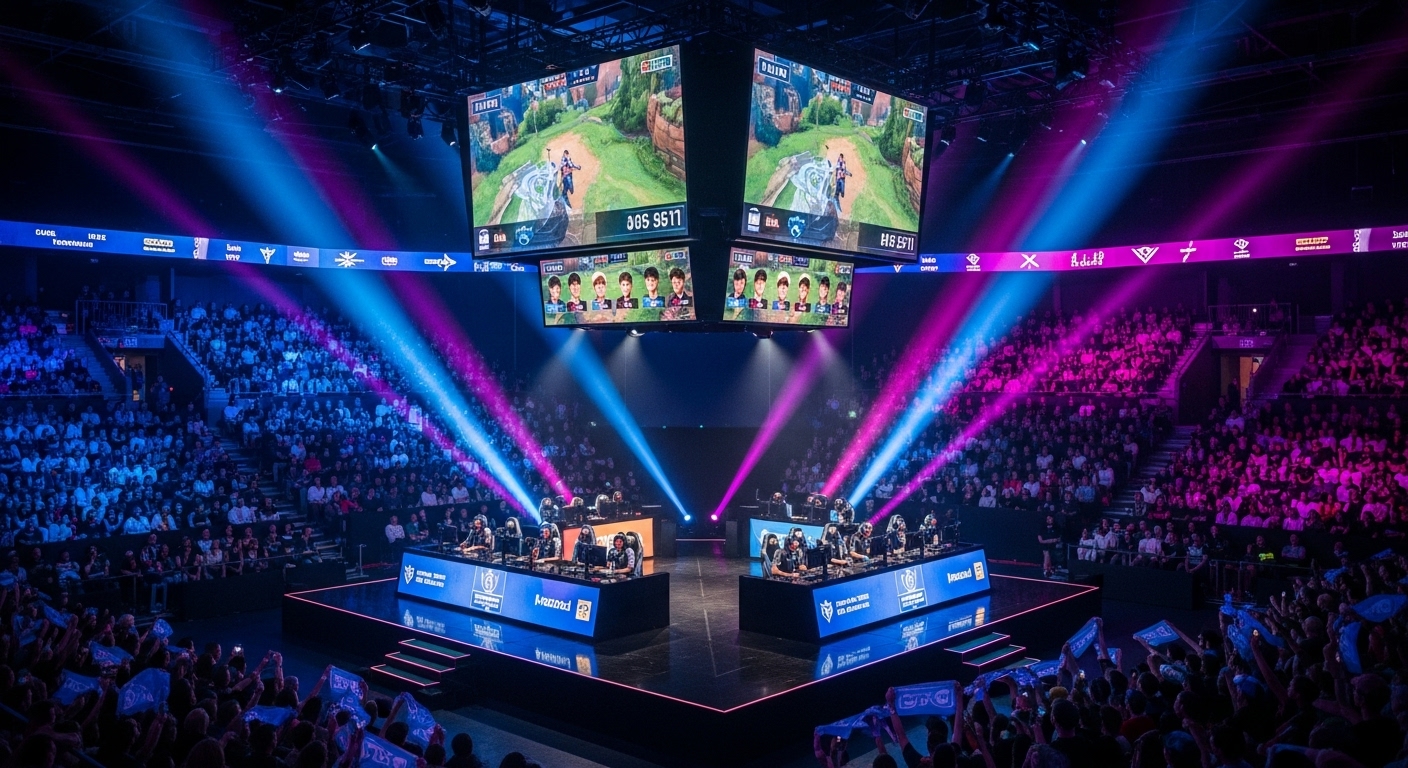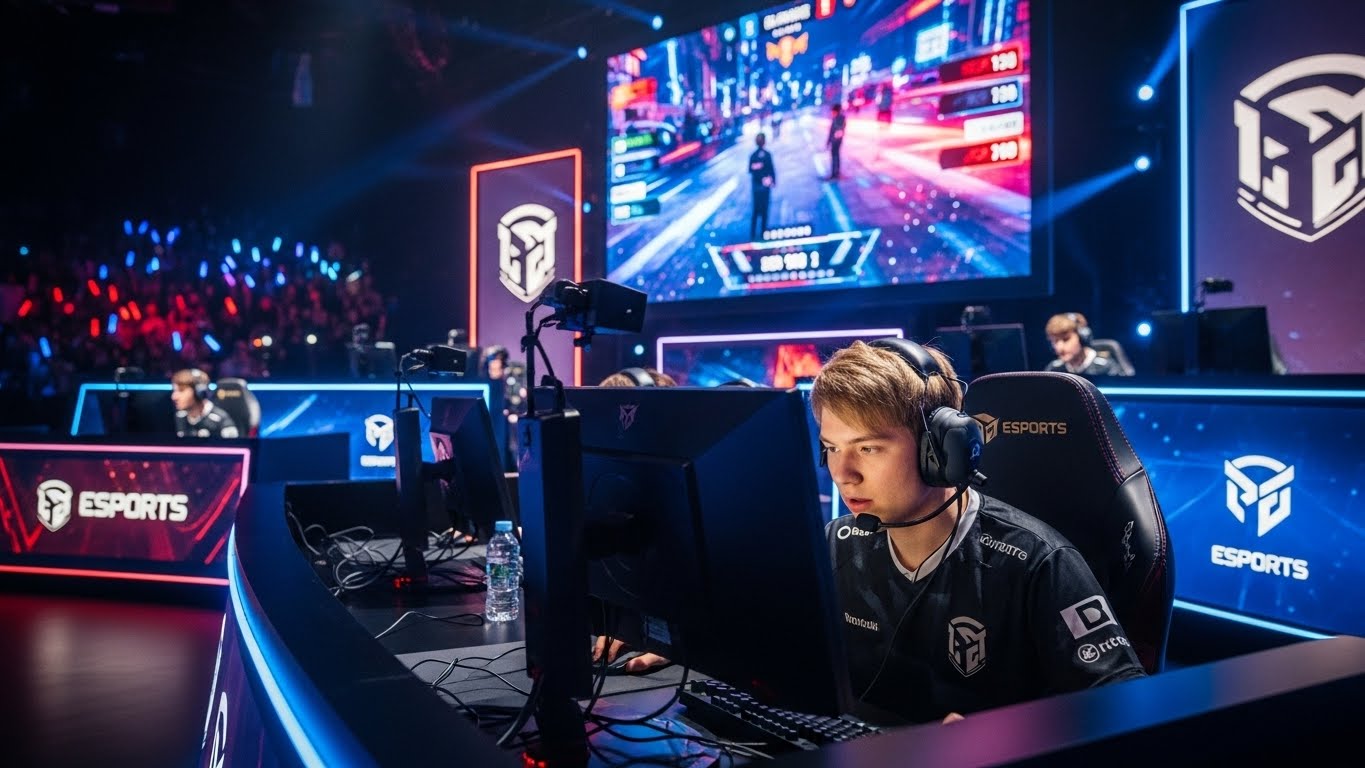
Esports, short for electronic sports, has transformed the way people view competitive gaming. Once considered a niche hobby for a select group of enthusiasts, esports has emerged as a global phenomenon, combining skill, strategy, teamwork, and entertainment into a billion-dollar industry. From amateur online matches to international tournaments with massive prize pools, esports has reshaped the landscape of sports, entertainment, and digital culture.
Understanding Esports
At its core, esports involves organized video game competitions where players or teams compete at a professional level. Unlike casual gaming, esports is structured with leagues, rules, coaching staff, and sponsorships, mirroring traditional sports. Competitions span various genres, including first-person shooters, multiplayer online battle arenas, fighting games, sports simulations, and real-time strategy titles.
The rise of esports is fueled by technology, internet accessibility, and the increasing popularity of digital platforms. Audiences are drawn not only to the skill and strategy displayed but also to the storytelling, teamwork, and community engagement that esports fosters.
The History of Competitive Gaming
Competitive gaming is not a new concept. Early competitions emerged in the late 1970s and 1980s, often in arcades or local tournaments. Titles like Space Invaders and Pac-Man laid the groundwork for competitive play, and by the 1990s, online multiplayer games began to connect players across regions.
The introduction of high-speed internet and improved gaming hardware in the 2000s allowed for the first large-scale online tournaments. Communities grew, and professional gaming teams began to form. The foundation of modern esports was solidified with the establishment of organized leagues, streaming platforms, and global competitions, turning competitive gaming into a professional and lucrative pursuit.
Popular Genres in Esports
Esports spans multiple genres, each with its own competitive scene and dedicated fanbase.
Multiplayer Online Battle Arenas (MOBAs)
MOBAs are team-based games that combine strategy, quick decision-making, and coordination. Players work together to control objectives, defeat opponents, and achieve victory. MOBAs require tactical thinking and strong communication, making them a staple in professional esports tournaments.
First-Person Shooters (FPS)
FPS games emphasize accuracy, reflexes, and strategic positioning. Competitions often involve teams competing in fast-paced matches, where split-second decisions can determine the outcome. FPS esports titles are known for their intense gameplay and highly skilled participants.
Fighting Games
Fighting games focus on individual skill, character mastery, and timing. Players compete in one-on-one matches using complex combos and strategies. These games showcase precision and mental agility, attracting a dedicated competitive community.
Sports Simulations
Sports simulation games replicate real-world sports digitally. Players must understand tactics, timing, and game mechanics to compete successfully. These games appeal to both traditional sports enthusiasts and digital gamers alike.
Battle Royale
Battle royale games involve large groups of players competing to be the last one standing. These games emphasize survival, adaptability, and strategy, with dynamic environments that create unpredictable and exciting matches.
Professional Esports Players
Professional esports players are highly skilled and trained athletes. Their preparation involves rigorous practice, strategic analysis, physical fitness, and mental resilience. Many teams employ coaches, analysts, nutritionists, and psychologists to optimize performance.
Players dedicate several hours daily to refining their gameplay, studying opponents, and perfecting strategies. Professional esports careers can be highly rewarding but also demanding, requiring discipline, focus, and adaptability.
Esports Teams and Organizations
Esports teams operate similarly to traditional sports franchises. They recruit talent, manage coaching staff, participate in leagues, and engage with fans. Top teams often secure sponsorships, media deals, and merchandise opportunities, creating sustainable business models.
Teams are also central to community building. They interact with fans through social media, live streaming, and events, creating strong brand loyalty and fostering a sense of connection among supporters.
The Role of Technology in Esports
Technology is the backbone of esports, enabling competition, engagement, and entertainment on a global scale.
High-Speed Internet
Stable, high-speed internet allows players to compete seamlessly online. Low latency and minimal lag are essential for precision-based games and fair competition.
Advanced Hardware
Modern PCs, consoles, monitors, and peripherals enhance performance. Equipment such as high-refresh-rate monitors, mechanical keyboards, and specialized gaming mice give players a competitive edge.
Streaming Platforms
Streaming technology allows esports tournaments and gameplay to reach millions of viewers worldwide. Professional players and content creators stream matches, tutorials, and commentary, engaging fans and growing the esports community.
Game Design Innovations
Developers create games with competitive features in mind. Balanced gameplay, ranked matchmaking, spectator modes, and regular updates ensure fairness and maintain audience interest.
Esports Tournaments and Events
Esports tournaments have grown in scale and prestige. Events such as world championships, league finals, and invitational tournaments attract international players and millions of viewers.
Large arenas host live events, while online streaming ensures global participation. These tournaments feature substantial prize pools, professional commentary, and media coverage, enhancing the excitement and prestige of esports competitions.
The Global Impact of Esports
Esports has a profound social, cultural, and economic impact.
Social Connection
Esports builds communities by connecting players and fans worldwide. Online multiplayer games, social media engagement, and fan events create a sense of belonging and shared passion.
Cultural Influence
Esports has become a cultural phenomenon, influencing media, fashion, music, and entertainment. Popular games inspire fan art, content creation, and cosplay, shaping trends and generational interests.
Educational Opportunities
Educational institutions now recognize esports as a legitimate field. Scholarships, academic programs, and career opportunities in esports provide students with pathways to professional gaming and related industries.
Economic Growth
The esports industry generates revenue through sponsorships, advertising, merchandise, media rights, and tournament winnings. This growth has created jobs and stimulated investment in gaming infrastructure, technology, and talent development.
Challenges in Esports
Despite its success, esports faces several challenges:
Player Burnout
Intense training schedules can lead to mental and physical fatigue. Managing stress and maintaining a healthy work-life balance are critical for long-term careers.
Competitive Integrity
Ensuring fair play, anti-cheating measures, and adherence to rules is essential to maintain credibility and audience trust.
Health Concerns
Extended hours of gaming may affect physical and mental health. Teams and players must focus on fitness, proper nutrition, and mental well-being to sustain performance.
Financial Disparities
Not all players and teams earn equal income, creating financial challenges for emerging talent and smaller organizations.
The Future of Esports
The future of esports is bright, with continued growth, innovation, and mainstream recognition. Emerging technologies such as virtual reality, augmented reality, and cloud gaming will enhance immersion, accessibility, and interactivity.
Esports may further integrate with traditional sports, education, and entertainment sectors, expanding its influence and reach. As global audiences increase and technology evolves, esports will continue to shape the future of competitive digital entertainment.
Conclusion
Esports has grown from a niche hobby to a global digital sport, transforming entertainment, culture, and professional competition. With millions of players, fans, and professional teams worldwide, esports has created a new form of athleticism and entertainment that blends skill, strategy, and digital innovation.
Its impact on social connection, economic development, and technological advancement is significant. As esports continues to evolve, it will offer new opportunities for players, creators, and audiences, cementing its place as a central pillar of modern entertainment. Competitive gaming is no longer just a pastime—it is a global movement that continues to redefine what it means to be an athlete in the digital age.