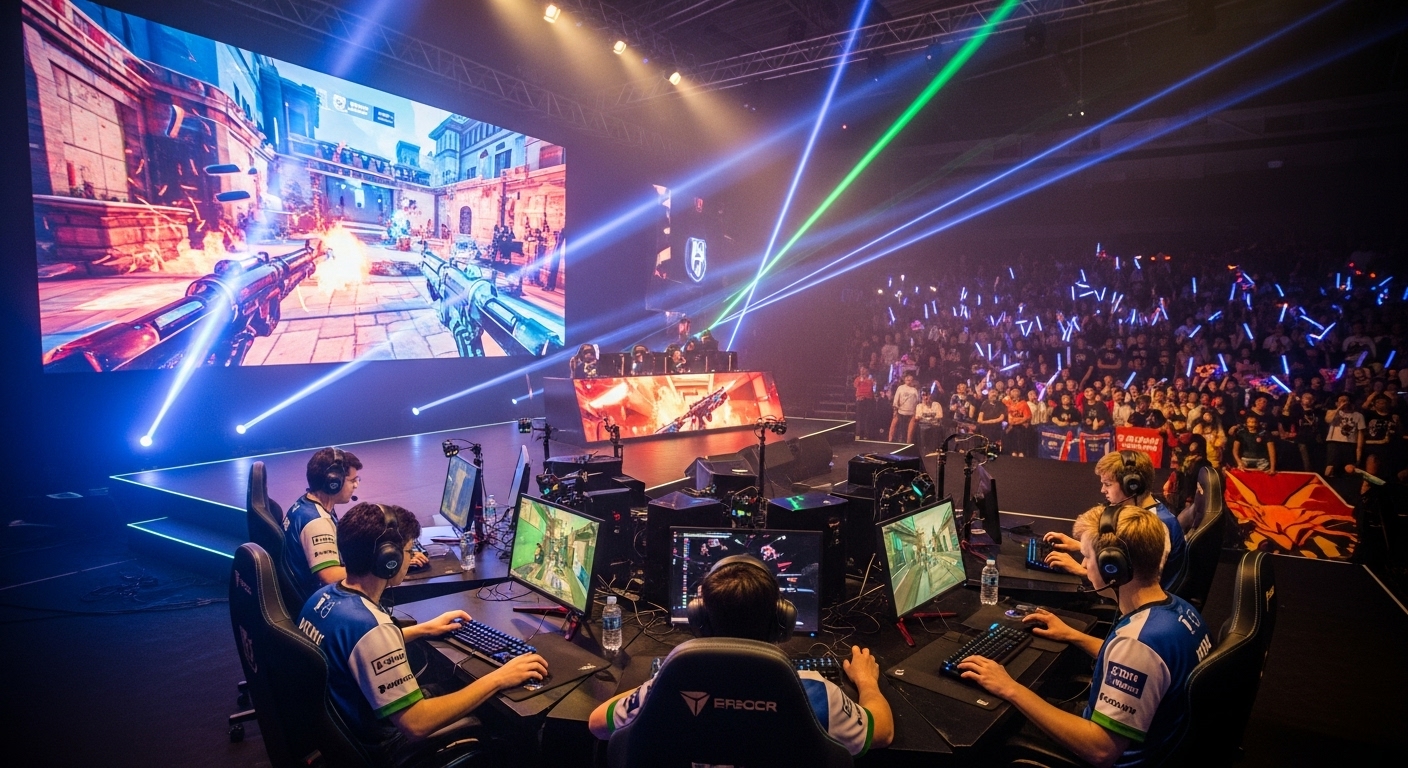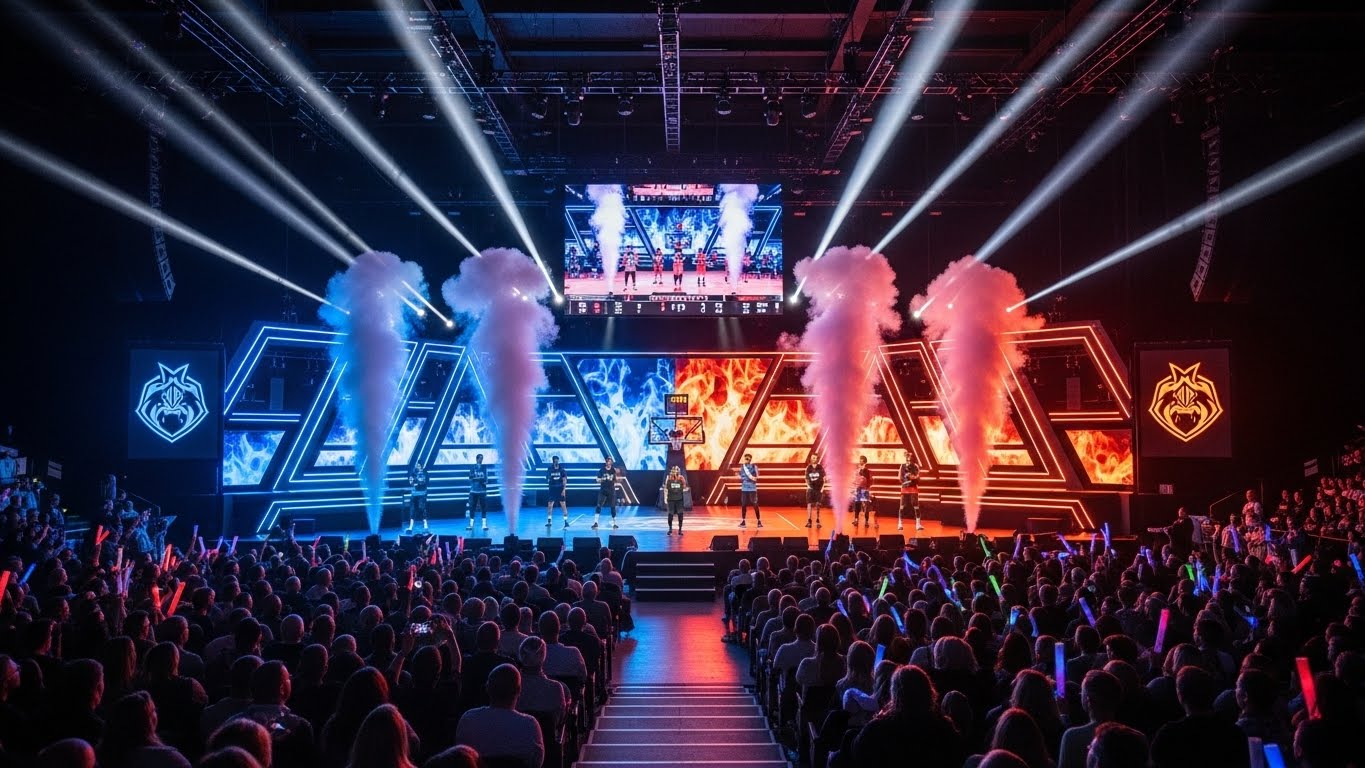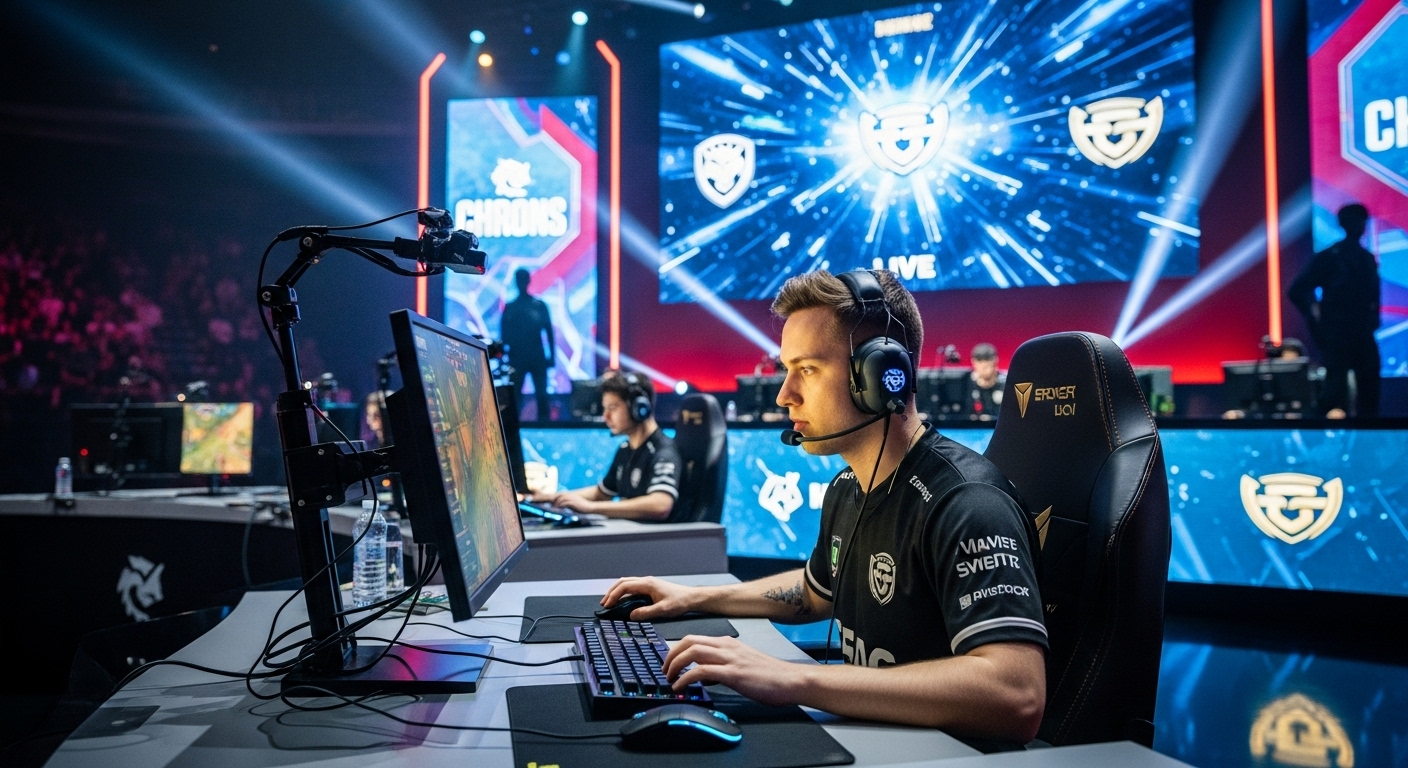
Esports, or electronic sports, has emerged as one of the most dynamic and rapidly growing entertainment industries in the world. What began as informal gaming competitions has evolved into a highly professional, multi-billion-dollar ecosystem with global tournaments, professional players, and massive audiences. Esports is not just about playing video games; it is about strategy, teamwork, skill, and passion. It has redefined the way we perceive competition and entertainment in the digital age.
The Origins of Esports
The concept of competitive gaming is not new. In the 1970s and 1980s, arcade competitions for games like Pong and Space Invaders allowed players to showcase their skills in small local tournaments. These early events were modest in scale, but they sowed the seeds for organized gaming competitions.
During the 1990s, multiplayer PC games such as StarCraft, Quake, and Counter-Strike created new opportunities for competitive gaming. Players could connect through local area networks and, later, the internet, making cross-regional and international competitions possible. These tournaments, although smaller than today’s mega-events, laid the foundation for esports as a global phenomenon.
Professionalization of Esports
The 2000s marked a turning point as esports began to professionalize. Teams formed official organizations, complete with managers, coaches, and training programs. Professional players started dedicating their lives to competitive gaming, treating it with the same seriousness as traditional athletes. Games like Dota 2, League of Legends, and Counter-Strike: Global Offensive became the flagship titles for professional esports, offering structured leagues, ranking systems, and substantial prize pools.
This era also saw the entry of sponsors and investors. Companies recognized the marketing potential of esports, tapping into its predominantly young, tech-savvy audience. Media coverage expanded, and tournaments started drawing larger audiences, both in arenas and online. Esports became more than a hobby—it became a legitimate career path.
Global Popularity and Audience Engagement
Esports has grown into a truly global phenomenon. Unlike traditional sports, it is not confined by geography or infrastructure. Players can compete from anywhere in the world, and fans can watch live streams online, bridging vast distances in real time.
Streaming platforms such as Twitch, YouTube Gaming, and other services have played a significant role in this growth. Millions of fans worldwide watch professional matches, follow their favorite teams, and interact with players. Fan engagement in esports goes beyond spectating; communities form around social media platforms, fan art, merchandise, and even cosplay. This level of interaction is unprecedented, making esports a deeply immersive cultural experience.
Major Esports Titles and Their Influence
Different games have shaped the esports industry in unique ways. Multiplayer online battle arena (MOBA) games like League of Legends and Dota 2 emphasize strategy, teamwork, and long-term planning. First-person shooters such as Counter-Strike: Global Offensive and Call of Duty highlight precision, reflexes, and coordination. Battle royale games like Fortnite combine survival strategy with fast-paced action, appealing to a younger and highly diverse audience.
These games not only define competitive play but also influence content creation, streaming culture, and fan communities. Each title attracts a different demographic and creates distinct styles of gameplay and viewer engagement. The diversity of esports titles ensures that there is something for every type of gamer and spectator, contributing to the industry’s exponential growth.
The Role of Streaming in Esports
Streaming platforms have revolutionized how esports is consumed. Live broadcasts allow fans to watch players in real time, providing commentary, strategy analysis, and interactive engagement. Streaming turns esports into a spectator sport where viewers can actively participate by cheering, discussing, and even influencing content.
Streaming also provides revenue opportunities for players through subscriptions, sponsorships, and donations. Many professional players have developed personal brands, becoming influencers and content creators. This integration of competition and entertainment makes esports uniquely interactive and accessible, attracting audiences far beyond hardcore gamers.
Esports as a Career Path
Esports offers a variety of career opportunities, both on and off the screen. Professional players dedicate long hours to practice, strategy, and teamwork. Many follow rigorous routines that include skill drills, tactical analysis, and mental conditioning. Like traditional athletes, they rely on discipline and focus to maintain peak performance.
Beyond playing professionally, esports careers include coaching, team management, event organization, content creation, broadcasting, and marketing. Educational institutions have recognized esports as a legitimate career path, offering scholarships, courses, and programs to prepare students for opportunities in this booming industry. Esports has transformed gaming from a casual hobby into a sustainable professional pursuit.
Training and Preparation for Competitive Gaming
Professional esports players undergo intense training to compete at the highest levels. Practice schedules often exceed eight hours per day and include a mix of individual skill development, team coordination, and strategic planning. Coaches and analysts study opponent tactics to optimize performance and provide guidance on decision-making and gameplay.
Physical fitness and mental health are also critical. Maintaining focus and stamina is essential during long tournaments, where fatigue can impact reaction times and decision-making. Nutrition, exercise, and mental conditioning are increasingly incorporated into esports training programs, reflecting the athletic rigor required to excel in this field.
Esports Tournaments and Events
Esports tournaments have grown in scale and production quality, rivaling major traditional sports events. Competitions like The International, League of Legends World Championship, and Fortnite World Cup attract millions of viewers worldwide. Prize pools for top tournaments often reach millions of dollars, highlighting the financial stakes involved.
Tournaments are now immersive experiences for fans. High-quality production, live commentary, and audience interaction make esports events entertaining and engaging. Esports tournaments not only celebrate competitive skill but also serve as entertainment spectacles that draw global attention, elevating the industry’s visibility and prestige.
Economic Impact of Esports
Esports has become a significant economic force, generating billions in revenue from tournament winnings, sponsorships, merchandise, advertising, and media rights. Cities worldwide are investing in esports infrastructure, hosting international events that boost tourism and local economies.
The industry also creates diverse job opportunities, including roles in marketing, analytics, broadcasting, event management, and game development. Investors, traditional sports franchises, and global brands are increasingly entering the esports ecosystem, ensuring its continued growth and sustainability.
Cultural Significance of Esports
Esports has reshaped cultural perceptions of gaming. It demonstrates that competitive gaming requires skill, strategy, and dedication, challenging outdated stereotypes. Esports has fostered global communities that connect players and fans across cultures, languages, and generations.
Fan culture in esports includes social media engagement, streaming communities, fan art, cosplay, and interactive content. Esports also promotes inclusivity, allowing individuals with physical limitations or geographic constraints to compete at a professional level. The cultural impact of esports extends far beyond gaming, influencing media, entertainment, and social interaction on a global scale.
Challenges Facing Esports
Despite its growth, esports faces several challenges. Mental health concerns, burnout, and performance pressure are common among professional players. Cybersecurity threats, cheating, and online harassment pose additional risks for players and organizers.
Career longevity and sustainability remain challenges, as professional players often peak at a young age. Rapid technological advancements and evolving game mechanics require constant adaptation. Addressing these issues is essential for ensuring the long-term growth, integrity, and appeal of the esports industry.
The Role of Technology in Esports
Technology is at the core of esports. High-performance gaming PCs, consoles, peripherals, and fast internet connections are essential for competitive play. Advanced software ensures fair matchmaking, scoring, and real-time communication during tournaments.
Emerging technologies such as virtual reality, augmented reality, and artificial intelligence are beginning to reshape esports. VR competitions, AI coaching, and analytics software enhance training, strategy, and viewer engagement. The integration of technology ensures esports remains innovative, competitive, and globally accessible.
Esports in Education
Esports has entered the educational sphere, with schools and universities recognizing its potential. Many institutions now offer esports scholarships, competitive programs, and courses in game design, management, and broadcasting. Students can develop skills in strategy, teamwork, digital literacy, and critical thinking, preparing them for careers within and beyond esports.
Educational programs also encourage inclusivity, providing opportunities for students regardless of physical ability or location. Esports in education demonstrates the value of gaming as a tool for skill development, teamwork, and professional growth.
The Future of Esports
The future of esports is promising and full of potential. Emerging technologies will enhance immersion, strategy, and audience engagement. Virtual reality tournaments, AI-assisted training, and interactive streaming experiences are expected to redefine competitive gaming.
Esports may gain further recognition in mainstream media and even be considered for inclusion in international sporting events. As the industry continues to grow, it will offer new opportunities for players, teams, creators, and fans worldwide, solidifying its place as a major cultural and economic force.
Conclusion: Esports as a Cultural and Competitive Phenomenon
Esports has evolved into more than just a form of entertainment—it is a global movement that combines competition, technology, and culture. It provides career opportunities, fosters community, and challenges traditional notions of sports and competition. With professionalization, technological innovation, and growing global recognition, esports has established itself as a legitimate and influential industry.
The rise of esports demonstrates that digital innovation can redefine traditional activities and create entirely new cultural phenomena. It highlights human creativity, skill, and the desire for competition in the modern world. Esports is not merely the future of gaming—it is a transformative force in entertainment, culture, and global connection.