Introduction: The Dawn of a New Competitive Era
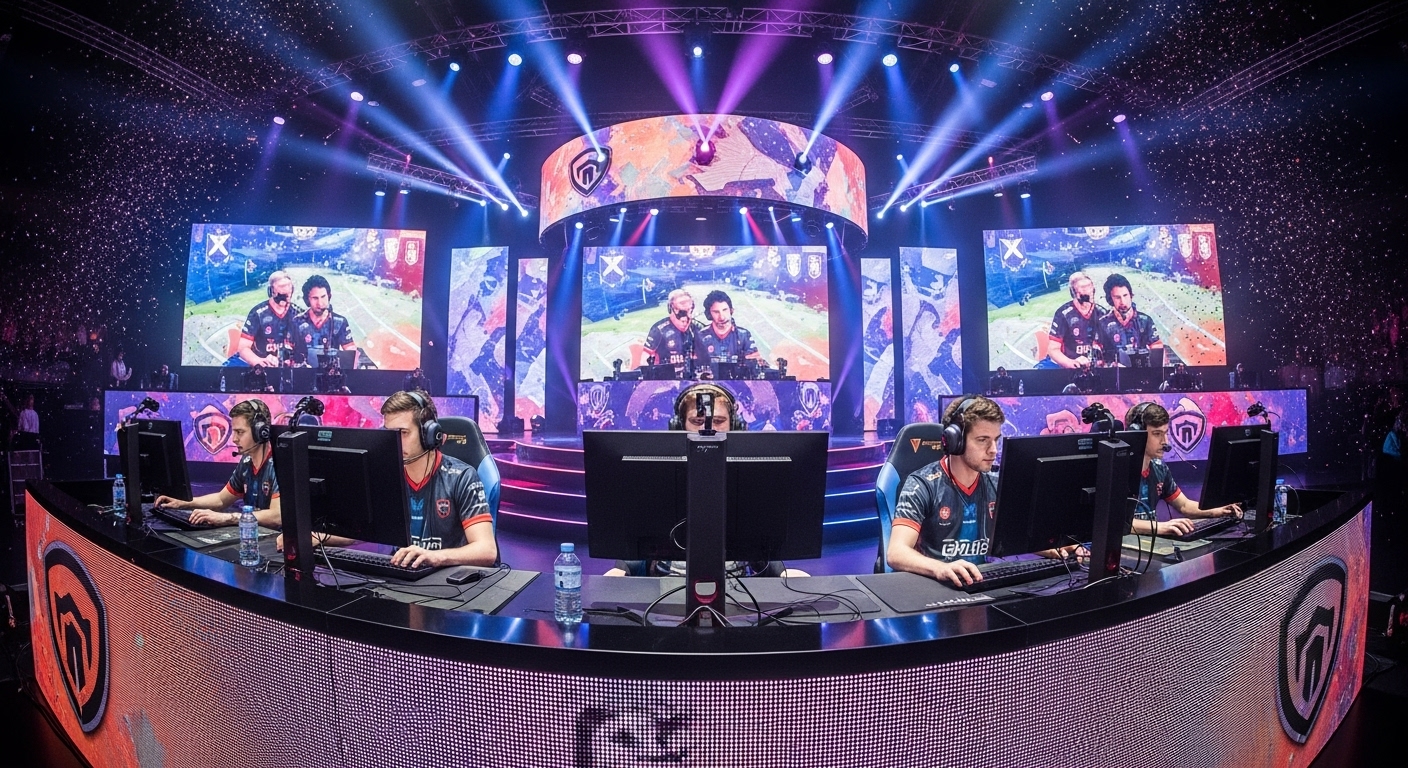
Esports, or competitive video gaming, has exploded into a global phenomenon over the past two decades. Once regarded as niche entertainment for a select few, esports now commands audiences that rival, and sometimes surpass, traditional sports broadcasts. The rise of esports represents not only a shift in how we view competition but also reflects broader changes in technology, culture, and entertainment.
This blog post explores the intricate world of esports: its origins, ecosystem, cultural impact, challenges, and future prospects. We’ll take a deep dive into what makes esports unique and why it’s capturing the imaginations of millions worldwide.
The Roots of Esports: From Humble Beginnings to Global Stardom
The history of esports is a story of gradual transformation. Early competitive gaming dates back to the 1970s and 1980s, when arcades buzzed with the sounds of classic games like Space Invaders and Pac-Man. Players would gather locally to see who could achieve the highest score, planting the seeds of competitive gaming culture.
The real turning point came with the rise of multiplayer PC games in the 1990s, such as Quake and StarCraft. These titles introduced direct player-versus-player combat that required skill, strategy, and coordination. Internet connectivity improvements allowed players to compete remotely, expanding the competitive scene beyond local gatherings.
By the early 2000s, dedicated esports tournaments began to form, often organized by game publishers, independent communities, or emerging esports organizations. These events attracted growing audiences and offered prize money, legitimizing competitive gaming as a professional pursuit.
The Esports Ecosystem: Players, Teams, and Tournaments
At the heart of esports are the players themselves. Professional gamers dedicate countless hours honing their skills, mastering game mechanics, and developing strategic mindsets. Unlike traditional sports, esports demands both lightning-fast reflexes and high-level cognitive abilities.
Professional players often join teams or organizations that provide support in coaching, training facilities, and mental health resources. These organizations function much like traditional sports clubs, managing player contracts, securing sponsorships, and developing brand identities.
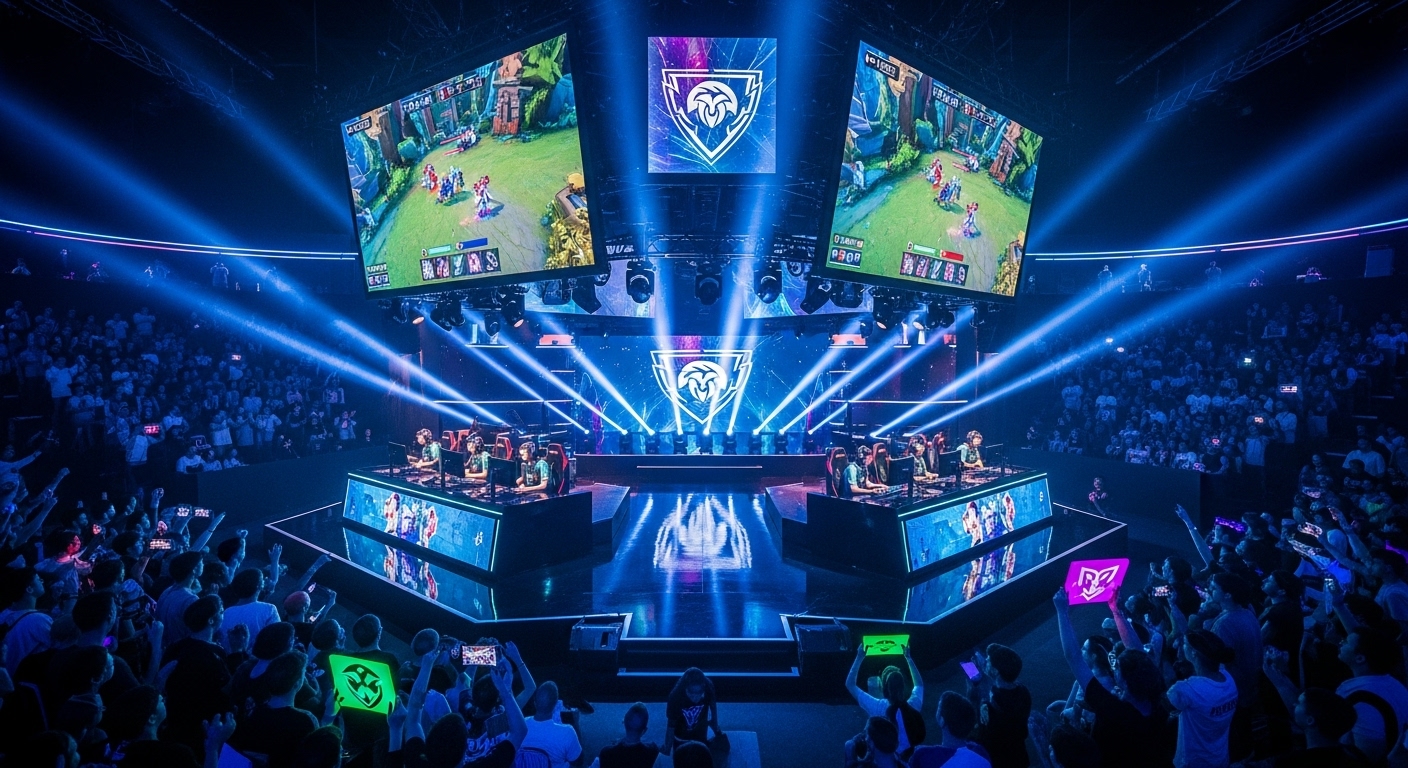
The tournament landscape is diverse and expansive. From massive international competitions with multimillion-dollar prize pools to grassroots local events, esports offers multiple tiers of competition. Major titles like League of Legends, Dota 2, Counter-Strike, and Overwatch each boast their own competitive circuits, drawing millions of viewers.
Tournaments are often broadcast live across streaming platforms, providing interactive experiences for viewers. The accessibility of these streams allows fans to engage directly with the content, often in ways that surpass traditional sports broadcasting.
Cultural Impact: Esports as a New Form of Social Interaction
Esports is more than just competition; it’s a social and cultural movement. The communities that form around games provide spaces for connection, creativity, and identity formation. Fans don’t just watch matches; they participate in discussions, create fan art, and produce content that enriches the esports ecosystem.
Streaming platforms have empowered gamers to become entertainers and influencers. Popular players often cultivate large followings, creating content beyond competitive play, including tutorials, vlogs, and casual gameplay. This blurring of lines between player, entertainer, and celebrity contributes to the cultural significance of esports.
Moreover, esports crosses cultural and geographical boundaries. A player from South Korea can inspire fans in Brazil, while a tournament in Germany may feature teams from multiple continents. This global connectivity fosters understanding and shared passion in a digital age.
Economic Powerhouse: The Business of Esports
The economic growth of esports is staggering. Revenue streams include sponsorships, advertising, media rights, merchandise sales, and ticketing for live events. Brands across industries, from technology to fashion, recognize the value of esports audiences, which tend to skew younger and digitally savvy.
Esports organizations have diversified their portfolios, launching content studios, merchandise lines, and even investing in traditional sports franchises. Tournament organizers collaborate with media companies to maximize production quality and reach.
The monetization of digital assets, such as in-game cosmetics and collectibles, also adds a lucrative dimension. These items not only generate revenue but deepen fan engagement by allowing personalized experiences.
Esports careers now extend beyond players to include roles in production, marketing, coaching, analysis, and broadcasting. Universities offer scholarships and degrees related to esports management and game design, reflecting the sector’s maturation.
The Player’s Journey: From Amateur to Pro
Aspiring esports athletes often begin with casual play, gradually building skills and reputation. Online ranked ladders and amateur tournaments provide stepping stones to the professional level. Social media and streaming platforms offer opportunities to showcase talent and build a personal brand.
Making the leap to professional status requires dedication, resilience, and often, guidance from experienced mentors. Many players join training academies or bootcamps where they practice intensively with teammates.
A professional player’s life involves rigorous training schedules, including physical conditioning, strategy sessions, and mental preparation. Managing stress and maintaining balance are essential, as competitive pressures and public scrutiny can be intense.
Key Games Driving the Esports Industry
Certain games have become flagship titles within the esports world, each with unique competitive ecosystems:
- League of Legends: A multiplayer online battle arena (MOBA) game with a global fanbase and franchised league systems. Its annual World Championship is one of the most-watched esports events worldwide.
- Dota 2: Another MOBA with a deep strategic focus and the largest prize pools in esports history, thanks to a crowdfunding model.
- Counter-Strike: Global Offensive: A first-person shooter renowned for its tactical depth and longevity, with numerous global tournaments and a passionate fanbase.
- Overwatch: A team-based shooter blending fast-paced action with character abilities, featuring a franchised league and innovative broadcasting.
Each game demands distinct skills and team dynamics, attracting different player profiles and fan communities.
Challenges Facing Esports
Despite its success, esports grapples with several challenges. Player burnout and mental health issues are significant concerns, as intense training and competition schedules can lead to exhaustion and stress.
Fair play and integrity are critical. Issues like cheating, match-fixing, and doping have emerged, necessitating robust regulatory frameworks and monitoring.
Inclusivity remains an area for growth. The industry must work to reduce toxicity, support diversity, and create welcoming environments for all genders and backgrounds.
Financial sustainability is another hurdle, particularly for smaller organizations and grassroots events that often struggle to secure funding.
The Future of Esports: Trends and Innovations
Looking forward, esports is poised for continued growth and innovation. Emerging technologies such as virtual reality and augmented reality could revolutionize gameplay and spectator experiences.
The integration of artificial intelligence for training and analytics is becoming increasingly sophisticated, helping players and coaches optimize performance.
New business models, including blockchain and digital ownership, may create fresh opportunities for monetization and fan engagement.
Additionally, collaboration between esports and traditional sports is expected to deepen, blending audiences and expanding entertainment possibilities.
Education and career pathways in esports will likely expand, with more institutions offering specialized programs.
Conclusion: Esports as a Defining Feature of Modern Culture
Esports has evolved from a niche hobby into a vibrant, multifaceted industry influencing entertainment, technology, and society. It challenges old definitions of sport and competition, embracing a digital native generation.
The power of esports lies not just in the games but in the communities, stories, and aspirations it fosters. As it continues to mature, esports will remain a vital cultural force, inspiring creativity, connection, and excellence in an increasingly digital world.