Introduction: The Rise of Competitive Gaming
Esports has transformed from a niche hobby into a global phenomenon. With professional players, international tournaments, and millions of viewers, competitive gaming is now recognized as a legitimate form of entertainment and sport. It combines skill, strategy, teamwork, and technology, creating experiences that engage both players and audiences worldwide.
The Growth of the Esports Industry
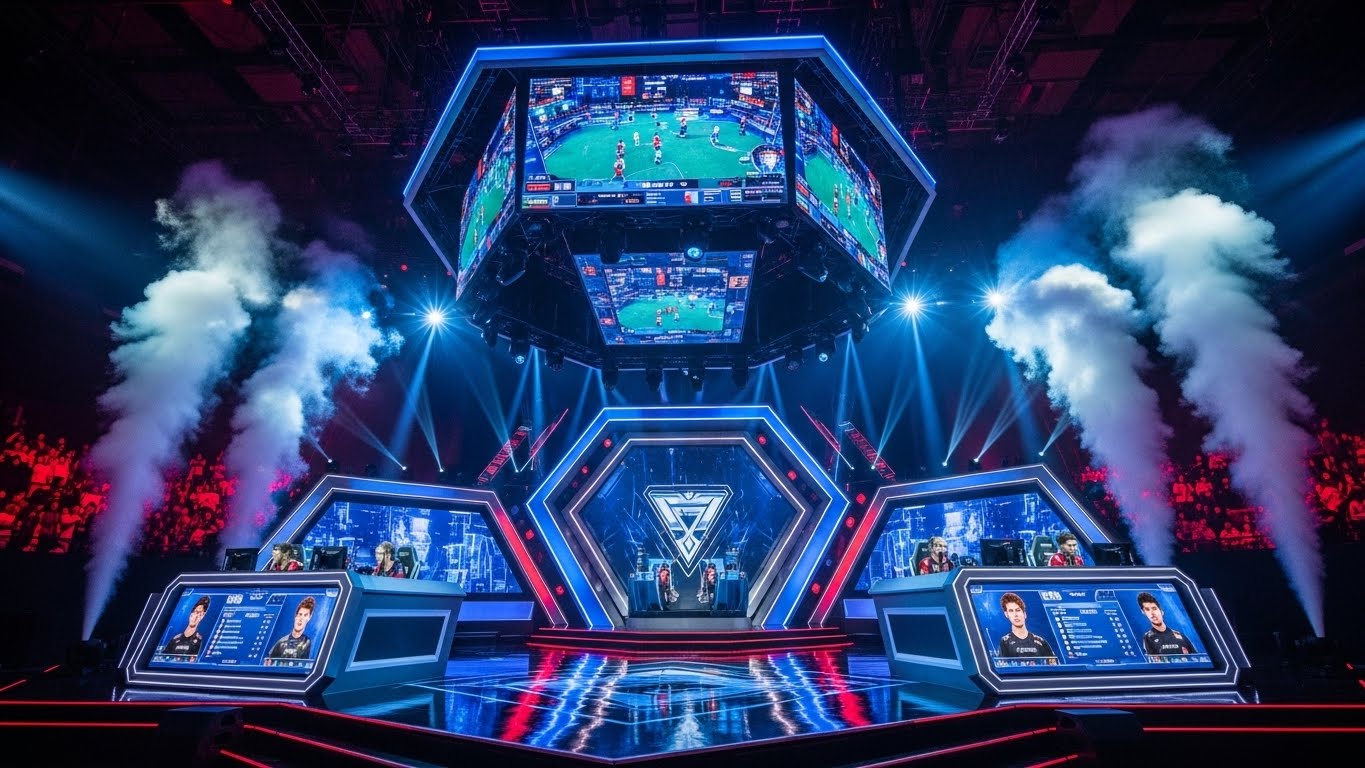
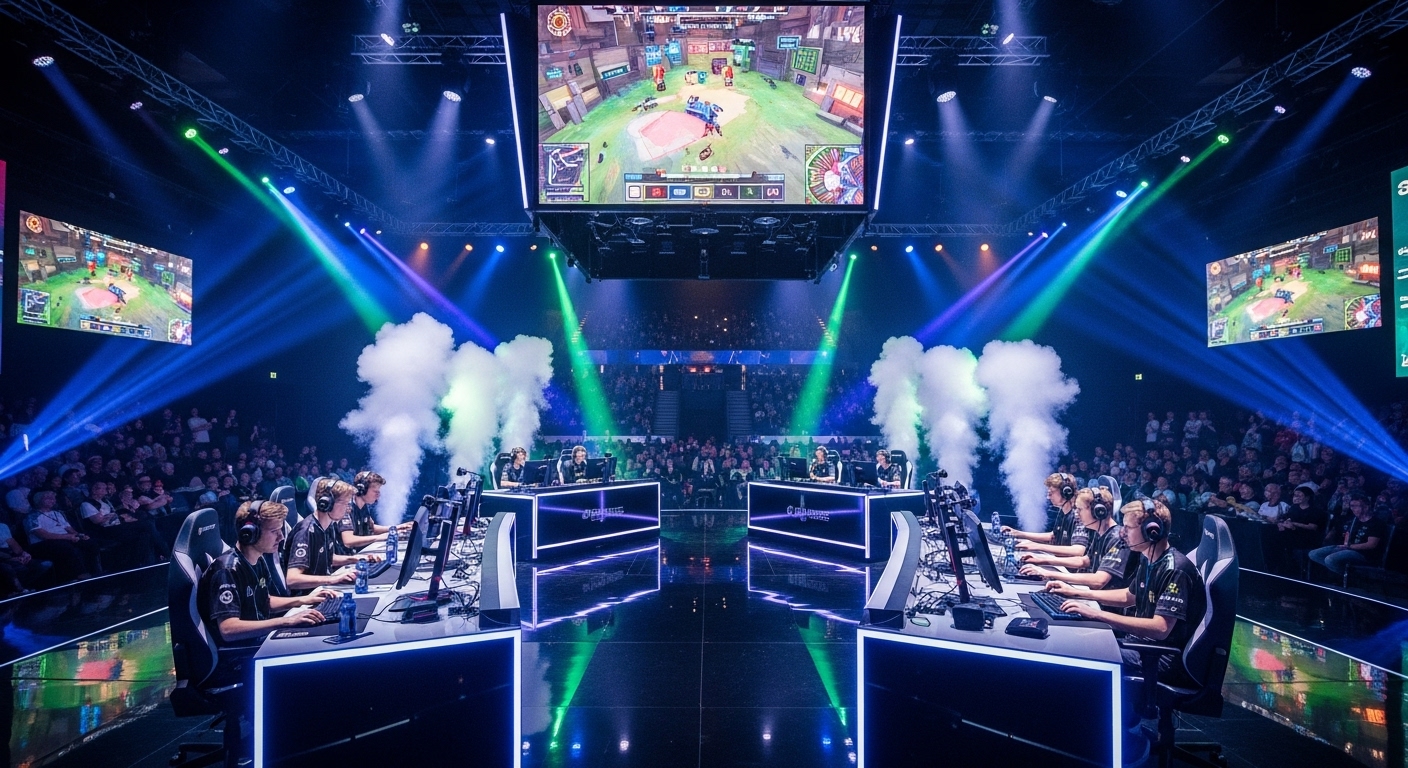
The esports industry has grown exponentially in recent years. Major tournaments offer multi-million-dollar prize pools, attracting top-tier talent from around the world. Streaming platforms allow fans to watch live competitions, interact with players, and follow teams, expanding the reach and popularity of esports. Sponsorship deals and media coverage have made competitive gaming a highly lucrative and mainstream industry.
Popular Esports Games
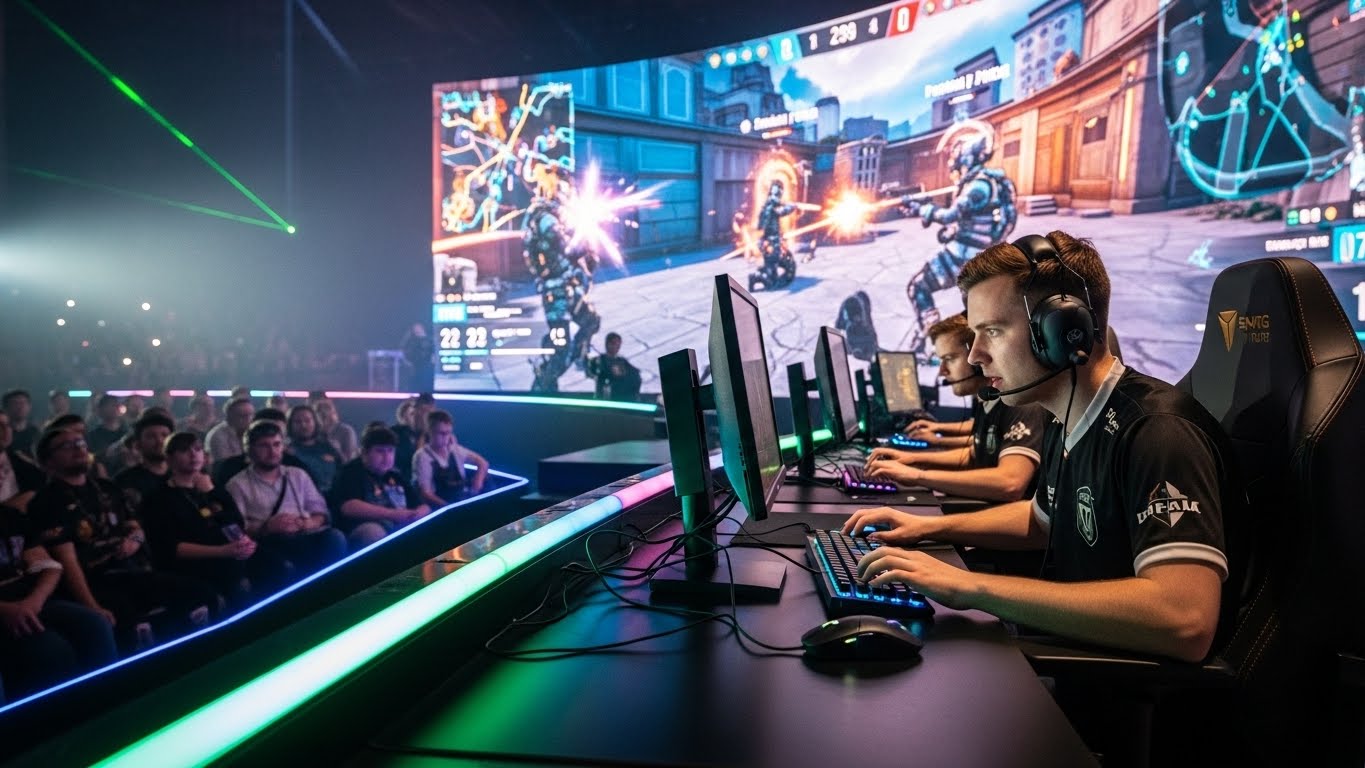
Esports encompasses a wide range of games, each requiring unique skills and strategies. Multiplayer online battle arena (MOBA) games like League of Legends and Dota 2 demand teamwork and strategy, while first-person shooters like Counter-Strike and Valorant focus on precision and reflexes. Real-time strategy and sports simulation games also have dedicated competitive communities, catering to diverse player interests.
The Social Impact of Esports
Esports fosters vibrant online communities where players and fans connect over shared interests. Live streams, interactive chats, and tournaments provide platforms for social interaction, collaboration, and competition. Beyond entertainment, esports develops teamwork, communication, and problem-solving skills, offering players both cognitive and social benefits.
Career Opportunities in Esports
The rise of esports has opened new professional avenues. Competitive players can earn income through prize winnings, sponsorships, and content creation. Additionally, careers in coaching, broadcasting, game development, and event management are growing as the industry expands. Esports has evolved into a legitimate career path for those with dedication, talent, and strategic thinking.
Technology Behind Esports
Advanced technology drives the esports experience. High-performance gaming hardware, fast internet connectivity, and streaming software ensure seamless gameplay and audience engagement. Analytics tools and AI-based training programs help players refine skills, while virtual arenas and interactive platforms enhance the viewing experience for fans worldwide.
The Future of Esports
The future of esports promises even greater innovation and growth. Emerging technologies such as virtual reality and augmented reality are likely to create immersive gaming experiences. With increasing global recognition, expanding audiences, and enhanced infrastructure, esports is set to rival traditional sports in popularity and influence.
Conclusion
Esports has grown beyond casual gaming into a global entertainment and professional industry. It merges skill, strategy, technology, and community, offering exciting opportunities for players and engaging experiences for fans. As esports continues to evolve, it will redefine the way we view competition, entertainment, and the role of gaming in modern society.