Introduction
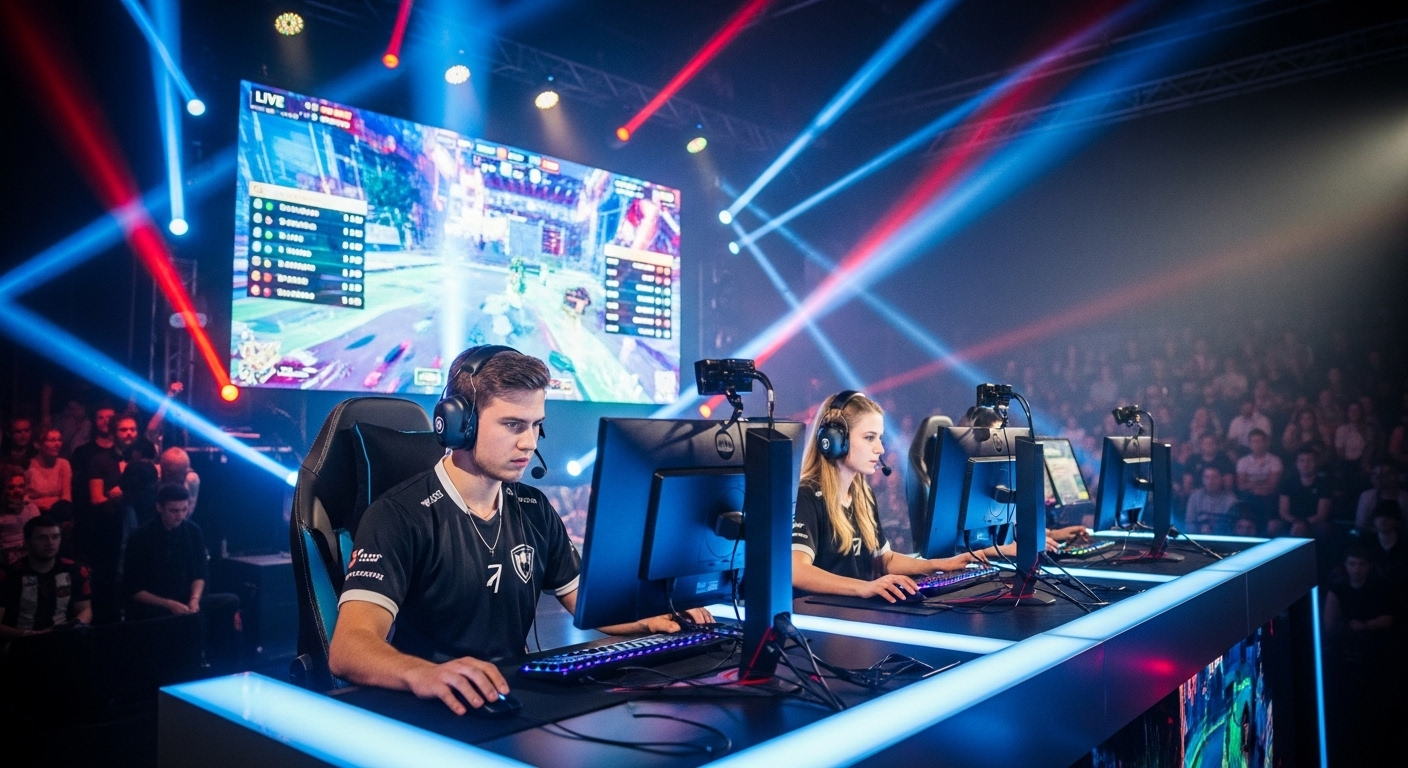
In an era dominated by technology and connectivity, esports has emerged as one of the most remarkable success stories of the 21st century. What started as friendly gaming competitions among small groups of enthusiasts has evolved into a global industry that commands millions of viewers, attracts major corporate sponsors, and generates billions of dollars annually. Esports, short for electronic sports, represents competitive video gaming at the highest level, where professional players, teams, and organizations dedicate themselves to mastering games in pursuit of glory and victory.
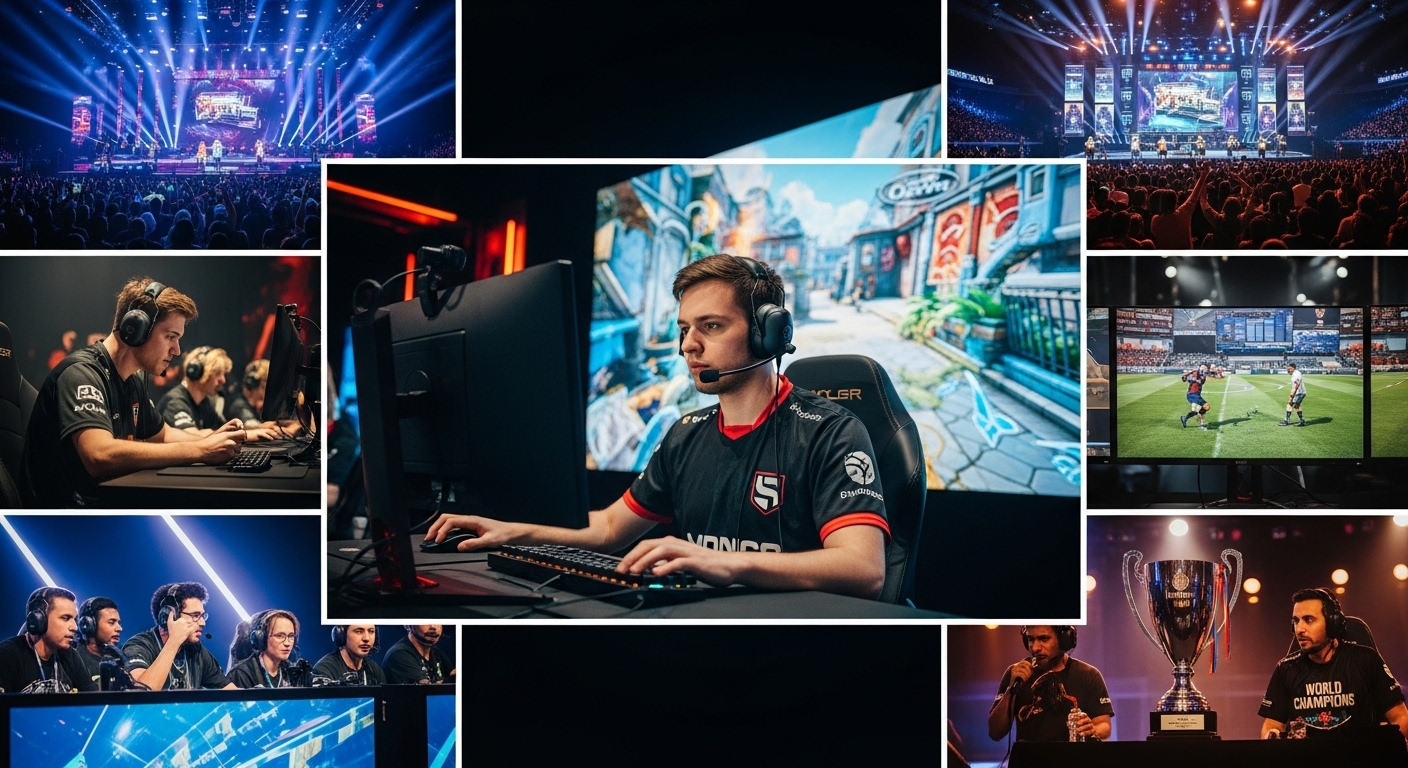
The rise of esports is not just a tale of entertainment; it is a cultural and economic revolution. From sold-out arenas to massive online tournaments, from sponsorship deals to academic programs, esports has redefined what it means to be an athlete, a fan, and a member of a global digital community.
The Origins of Esports
The history of esports stretches back further than most people realize. The seeds were planted in the early 1970s when university students gathered to compete in games like Spacewar. Though the prizes were modest and the audience small, this marked the beginning of a new kind of competition.
By the 1980s, the gaming landscape was rapidly evolving. The golden age of arcade gaming brought titles like Pac-Man, Donkey Kong, and Space Invaders to millions of players worldwide. Arcades became social centers where players competed for high scores, and local champions gained fame within their communities. Though primitive by today’s standards, these competitions laid the foundation for the organized tournaments that would define the coming decades.
The 1990s ushered in a new era with the rise of home gaming consoles and personal computers. Multiplayer titles like Doom, Quake, and StarCraft introduced the concept of online competition. Internet connectivity made it possible for players to battle opponents from across the globe, transforming gaming into a shared global experience. South Korea, in particular, became the birthplace of modern esports, with professional StarCraft leagues broadcast on national television and players celebrated as stars.
The Early Days of Organized Competition
The early 2000s were a turning point for esports. The establishment of formal leagues such as the Cyberathlete Professional League and Major League Gaming brought structure, professionalism, and legitimacy to competitive gaming. These leagues standardized rules, created organized tournaments, and offered significant prize money.
As broadband internet became widespread, online communities flourished. Players no longer had to travel to local LAN events; they could compete from their homes. This accessibility fueled the growth of competitive gaming communities across genres such as first-person shooters, real-time strategy, and fighting games. Titles like Counter-Strike, Warcraft III, and Halo became household names among gamers, and the stage was set for the explosive growth of the next decade.
The Streaming Revolution and the Global Boom
The 2010s marked the golden age of esports growth, thanks largely to streaming platforms like Twitch and YouTube Gaming. For the first time, millions of fans could watch live tournaments, follow their favorite players, and interact in real-time. The ability to stream competitions worldwide transformed esports from a niche hobby into a mainstream spectacle.
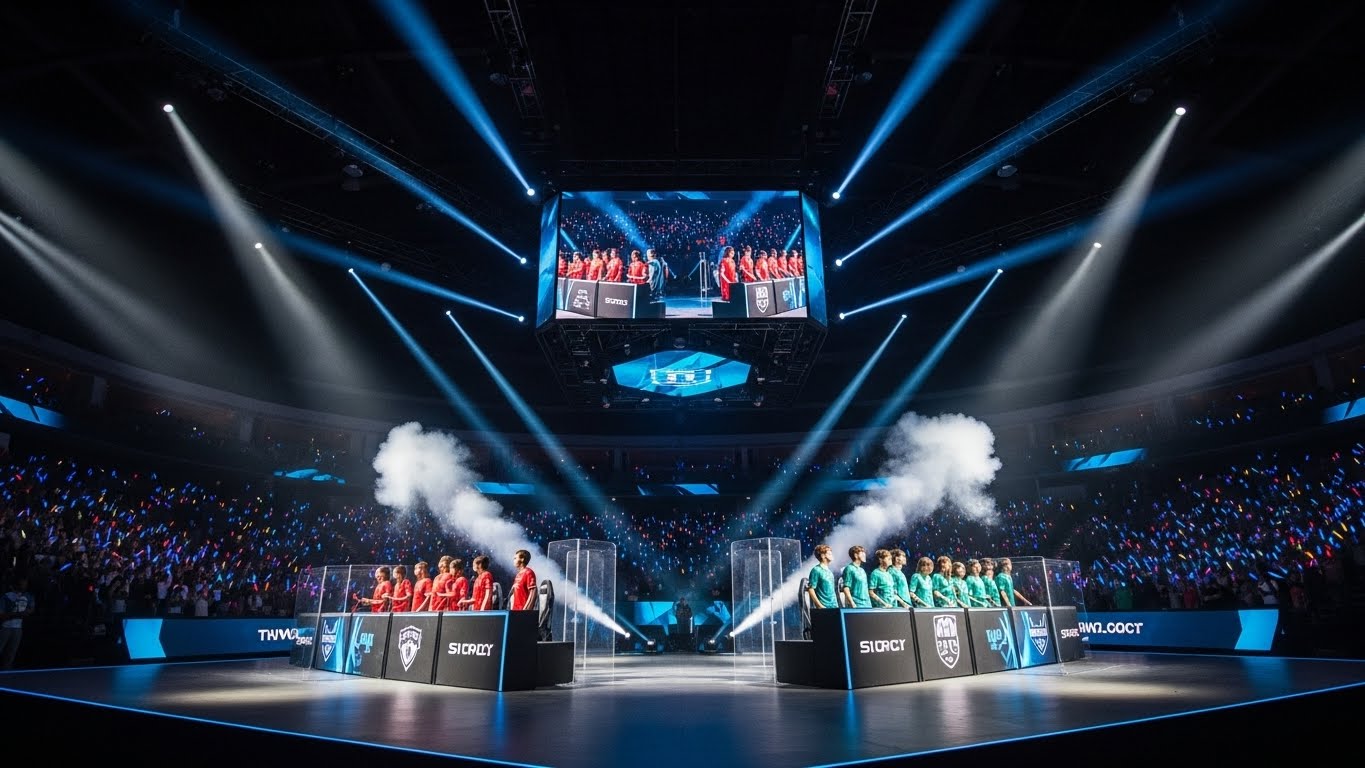
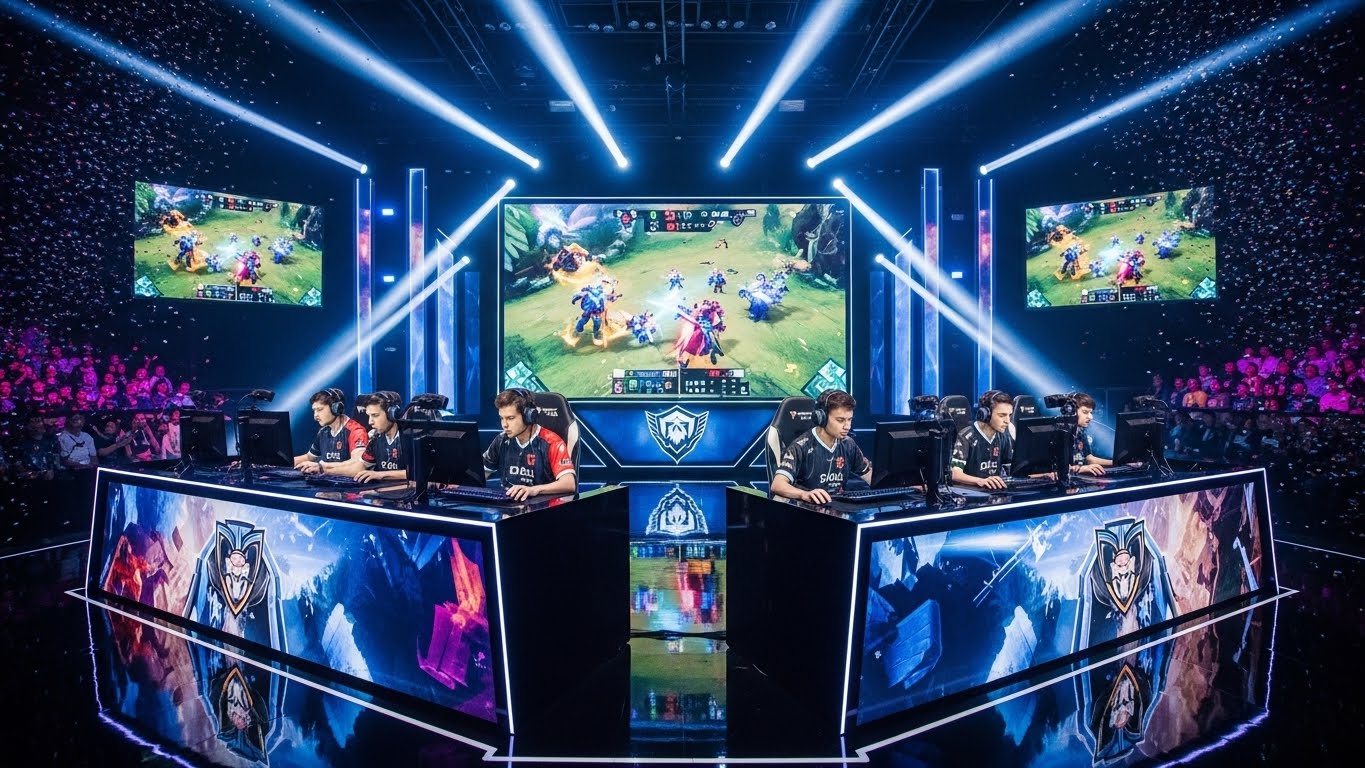
Games such as League of Legends, Dota 2, and Counter-Strike: Global Offensive became pillars of the industry. Major tournaments filled arenas and stadiums across the globe, with production values rivaling those of major sporting events. The League of Legends World Championship, The International for Dota 2, and the Fortnite World Cup showcased not just incredible talent but also the passion and diversity of the global gaming community.
These tournaments didn’t just attract gamers—they caught the attention of advertisers, media companies, and investors. Sponsorships poured in from major brands, and esports organizations grew into powerful business entities. The industry’s estimated value soared into the billions, cementing its position as one of the fastest-growing sectors in entertainment.
The Games That Defined Esports
Esports is not a single game or genre; it is a collection of competitive titles, each with its own community, rules, and style. Some games have become legends within the industry due to their massive followings and competitive balance.
League of Legends
Developed by Riot Games, League of Legends is one of the most influential esports titles in history. Its blend of strategy, teamwork, and mechanical skill has made it a global phenomenon. The League of Legends World Championship attracts millions of viewers annually, setting records for online viewership and showcasing professional gaming at its peak.
Dota 2
Valve’s Dota 2 is renowned for its complexity and strategic depth. Its annual championship, The International, boasts some of the largest prize pools in esports history. The passionate community, intricate gameplay, and team dynamics make Dota 2 a favorite among serious competitors and fans alike.
Counter-Strike: Global Offensive
Few games have enjoyed the longevity of Counter-Strike. Since its inception in the early 2000s, it has remained one of the most popular and respected esports titles. CS:GO’s balance of tactics, skill, and teamwork continues to make it a staple in the competitive gaming world.
Fortnite
Epic Games’ Fortnite brought a new twist to esports with its combination of shooting and building mechanics. Its accessibility and creative design made it appealing to a wide audience, while its massive tournaments and celebrity collaborations pushed esports further into mainstream culture.
Valorant and Overwatch
These modern team-based shooters combine action with unique character abilities, emphasizing both individual skill and teamwork. They represent the evolving diversity of the esports landscape, offering fans different styles of gameplay while maintaining competitive integrity.
Esports as a Career
The professionalization of esports has opened doors to numerous career paths. Players are the most visible figures, earning substantial incomes through tournament winnings, sponsorships, and streaming. But the industry extends far beyond the competitors themselves.
Coaches, analysts, casters, and event organizers play vital roles in shaping the ecosystem. Commentators, often called “shoutcasters,” bring excitement and storytelling to live events, much like sports announcers in traditional athletics. Behind the scenes, technical teams manage production, logistics, and marketing to ensure smooth operations.
Esports has also created opportunities for content creators and influencers. Many former professional players transition into streaming or coaching after retirement, maintaining their connection to the community while building personal brands. With millions of fans tuning in daily, esports personalities wield significant influence in gaming culture and beyond.
The Business and Economics of Esports
The esports economy is vast and multifaceted. Its revenue streams include sponsorships, advertising, media rights, merchandise sales, and live event ticketing. Global corporations see esports as a gateway to younger audiences who are often unreachable through traditional advertising.
Organizations such as Team Liquid, T1, and FaZe Clan have built powerful brands that rival traditional sports teams in recognition and fan engagement. They manage professional rosters across multiple games, collaborate with apparel companies, and create lifestyle brands that appeal to a global demographic.
Prize pools can reach staggering amounts. The International 2021, for instance, offered more than forty million dollars in total rewards. Even mid-tier tournaments provide substantial payouts, demonstrating the financial viability of competitive gaming.
Beyond direct revenue, esports contributes to related industries such as hardware manufacturing, game development, and digital marketing. Cities hosting major tournaments experience economic boosts through tourism, hospitality, and media exposure.
Training and Lifestyle of Esports Athletes
Contrary to stereotypes, professional gamers lead disciplined lives. Training for esports requires immense dedication, physical endurance, and mental sharpness. Players often practice for eight to ten hours daily, studying opponents, refining strategies, and perfecting their mechanics.
Reaction speed, decision-making, and coordination are crucial. Teams live together in training facilities known as “gaming houses,” where coaches oversee performance, nutrition, and wellness. Many organizations now employ psychologists, physical trainers, and nutritionists to support their players’ overall health.
Esports careers can be short-lived, with most players peaking in their early twenties due to the mental and reflexive demands of competition. To address burnout and longevity, organizations encourage balanced schedules and alternative career paths after retirement, such as coaching or content creation.
Cultural Impact and Mainstream Acceptance
Esports has become an integral part of modern culture. Its influence extends beyond gaming into fashion, music, and entertainment. Collaborations between esports teams and fashion brands produce stylish apparel that blurs the line between gaming gear and streetwear. Musicians perform at esports events, creating unforgettable experiences that merge music and gaming.
Perhaps most significantly, esports has helped change perceptions of gaming. Once viewed as an isolating or unproductive hobby, gaming is now recognized for its strategic complexity, teamwork, and skill. It has also become a social platform, connecting millions of people worldwide through shared passion and competition.
The global nature of esports fosters cultural exchange. Fans cheer for teams and players regardless of nationality, creating an international sense of unity. In this way, esports embodies the power of digital connection and collective enthusiasm.
Challenges in the Esports Industry
Despite its success, esports faces challenges that must be addressed for long-term stability. One major issue is the lack of standardized regulation. Unlike traditional sports, esports does not have a single governing body. Each game developer controls its own ecosystem, leading to inconsistencies in rules, contracts, and player treatment.
Another concern is player burnout and mental health. The intense pressure to perform, combined with long hours and online scrutiny, can take a toll on players’ well-being. Organizations are beginning to invest more in mental health support, but progress is ongoing.
Financial sustainability is also a pressing issue. While top-tier teams and players earn substantial income, smaller organizations often struggle to stay afloat. Reliance on sponsorship revenue and fluctuating viewership numbers can make financial planning difficult.
Lastly, the problem of toxicity and cheating continues to affect online gaming communities. Developers and event organizers are working to foster more inclusive and respectful environments, but combating these issues remains a challenge.
Esports in Education and Academia
The integration of esports into education is one of the most promising developments of recent years. Schools and universities have started offering esports scholarships, degree programs, and club activities. These initiatives emphasize that esports can teach valuable skills such as teamwork, communication, problem-solving, and leadership.
Academic institutions are also conducting research on the cognitive and psychological aspects of gaming. Studies suggest that gaming can enhance reaction times, multitasking abilities, and spatial awareness.