Esports has rapidly transformed from casual competitive gaming into one of the most influential entertainment industries in the modern world. What was once considered a niche pastime has now become a professional, structured, and globally recognized phenomenon. Millions of viewers tune in to watch elite players compete, while aspiring gamers dream of turning their passion into a career. Esports represents more than just games; it reflects changes in technology, culture, and how people connect in the digital age.
Understanding What Esports Truly Is
Esports, short for electronic sports, refers to organized competitive video gaming where individuals or teams compete in structured tournaments. Unlike casual gaming, esports emphasizes skill, strategy, discipline, and performance under pressure. Players often specialize in specific games and roles, dedicating years to mastering mechanics, decision-making, and teamwork.
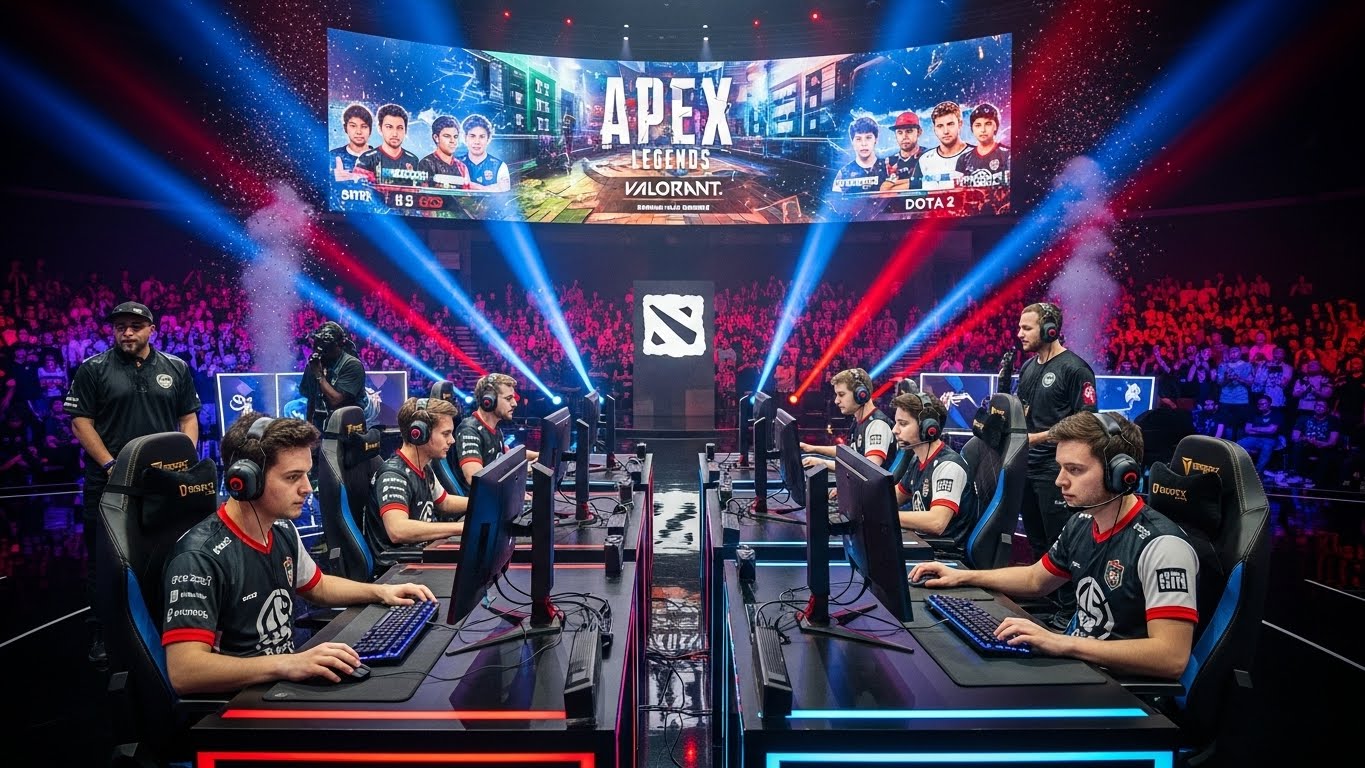
Esports competitions are professionally managed, featuring leagues, seasons, prize pools, and sponsorships. Matches are broadcast live to audiences around the world, often with commentary, analysis, and production quality similar to traditional sports. This professional framework is what distinguishes esports from recreational gaming.
The Early Days of Competitive Gaming
The origins of esports can be traced back to small-scale competitions in arcades and university campuses. Early video game tournaments were modest events where players competed for recognition rather than financial reward. As technology improved and multiplayer gaming became more accessible, competitive gaming communities began to grow.
The rise of personal computers and gaming consoles played a significant role in shaping esports. Online connectivity allowed players from different regions to compete, forming teams and rivalries beyond geographical limitations. Over time, competitive gaming evolved into a structured ecosystem, paving the way for professional leagues and global tournaments.
Popular Game Genres in Esports
Esports thrives across multiple game genres, each offering unique competitive experiences. Multiplayer online battle arena games are among the most prominent. These games require deep strategic thinking, coordination, and adaptability, with teams battling to control objectives and outplay opponents.
First-person shooter games are another cornerstone of esports. Precision, reflexes, and tactical execution define success in this genre. Matches are often fast-paced and intense, capturing the attention of viewers who enjoy high-stakes action.
Real-time strategy games emphasize macro-level planning, resource management, and long-term decision-making. Although less mainstream today, they played a foundational role in establishing esports as a serious competitive field.
Sports simulation games also hold a place in esports, bridging the gap between traditional sports fans and the gaming community. These games replicate real-world sports, allowing players to compete digitally while maintaining familiar rules and structures.
The Life of a Professional Esports Player
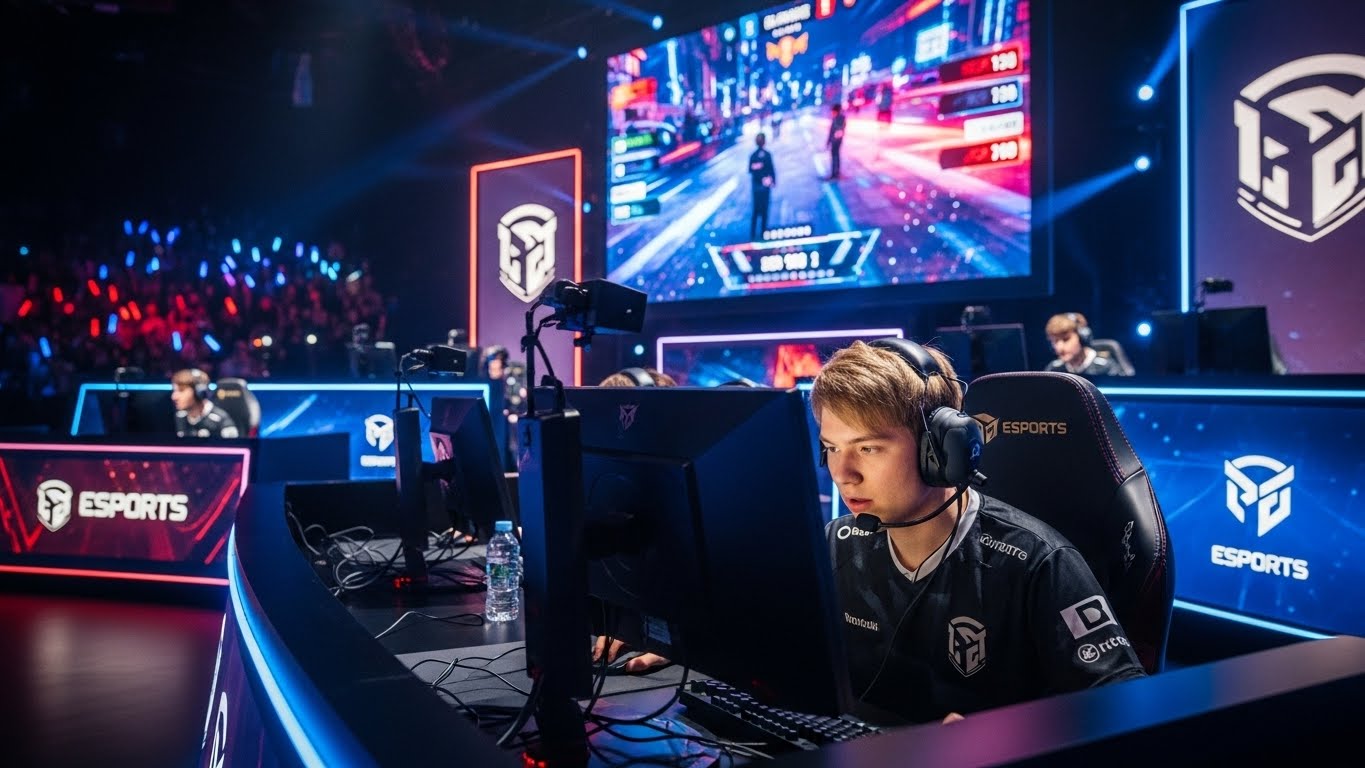
Becoming a professional esports player requires more than talent. It demands dedication, discipline, and resilience. Professional players often train for many hours each day, practicing mechanics, reviewing gameplay footage, and developing team strategies. Mental preparation is just as important as physical reflexes, as players must perform under intense pressure.
Team-based esports require strong communication and trust among teammates. Players must understand their roles and adapt quickly during matches. Coaches and analysts support teams by studying opponents, refining tactics, and improving overall performance.
Despite the glamorous image of tournaments and prize money, the career of an esports player can be demanding and uncertain. Performance expectations are high, and competition is fierce. Many players also face challenges related to stress, burnout, and maintaining a healthy balance between gaming and personal life.
The Role of Teams and Organizations
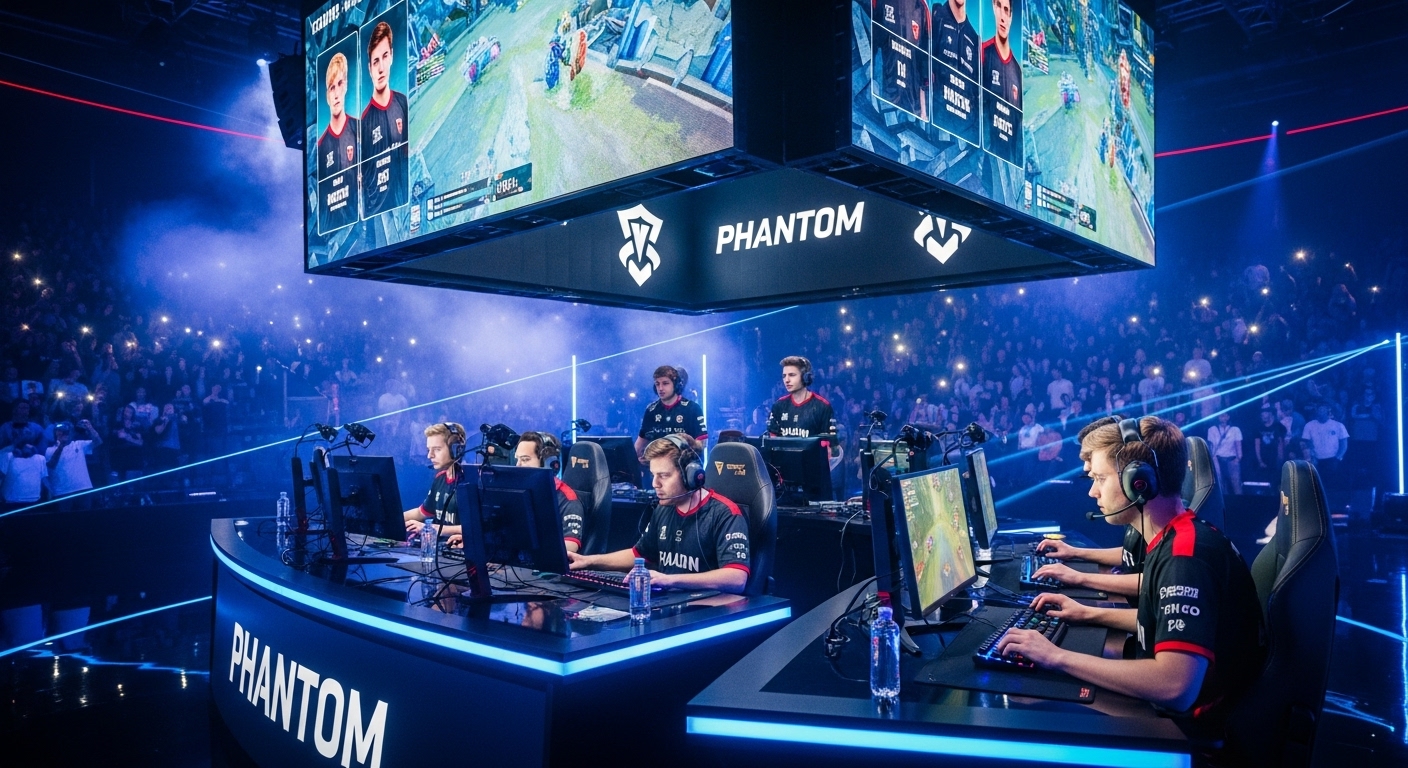
Esports teams function much like traditional sports clubs. Organizations recruit talent, manage contracts, provide training facilities, and secure sponsorships. They also focus on branding and fan engagement, building identities that resonate with global audiences.
Successful organizations invest heavily in infrastructure, including coaching staff, analysts, and wellness programs. This professional support system helps players perform consistently at the highest level. Teams often compete across multiple games, expanding their presence and influence within the esports ecosystem.
Fan loyalty plays a crucial role in the success of esports organizations. Supporters follow teams across seasons, celebrate victories, and share in defeats, creating emotional connections that fuel the industry’s growth.
Esports as a Spectator Experience
One of the key factors behind esports’ popularity is its accessibility as a spectator sport. Matches are easy to watch from anywhere, allowing fans to engage with their favorite games and players in real time. Commentary and analysis help viewers understand complex strategies, making competitions enjoyable even for those who do not actively play the games.
The interactive nature of esports viewing sets it apart from traditional sports. Fans can communicate with each other, react instantly to plays, and feel directly involved in the experience. This sense of participation strengthens community bonds and enhances viewer engagement.
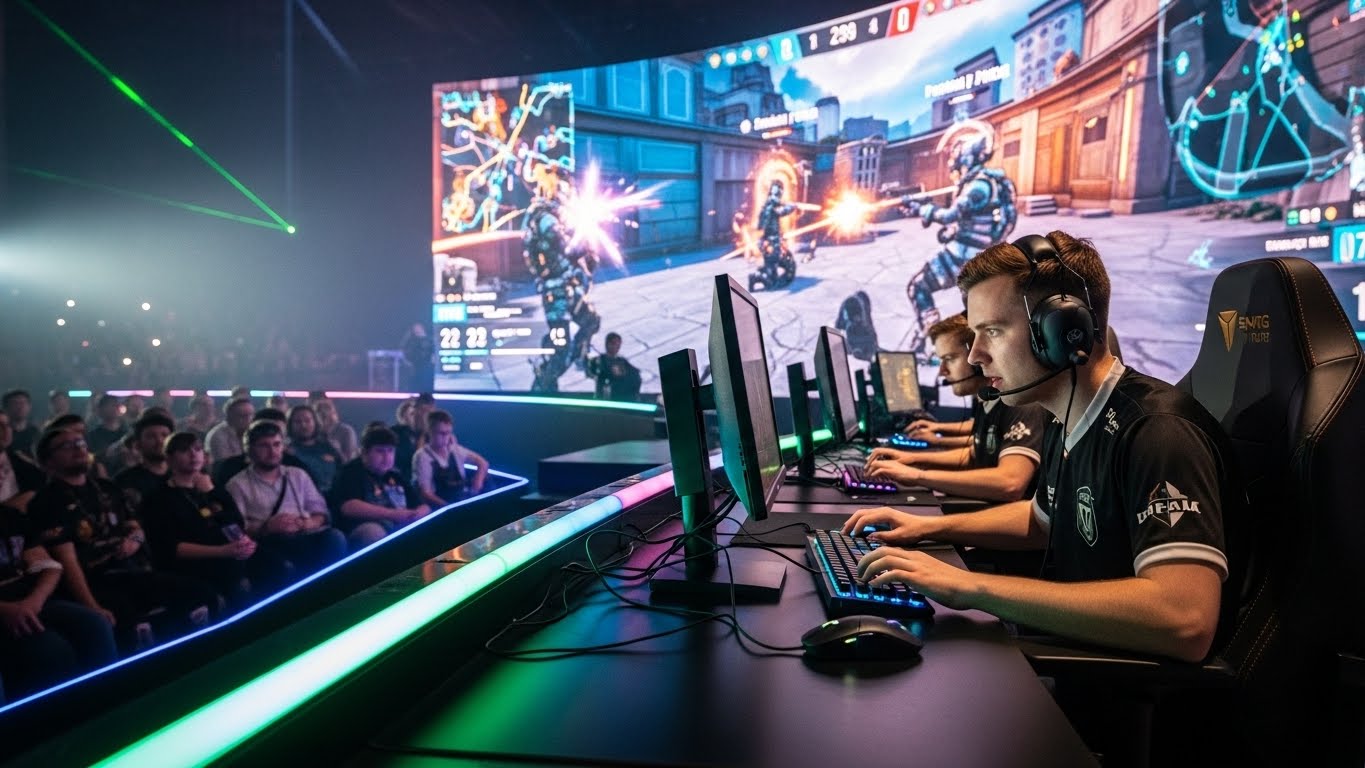
Live events further elevate the spectator experience. Large arenas filled with passionate fans create an atmosphere of excitement and celebration, showcasing esports as a legitimate form of global entertainment.
Economic Growth and Industry Impact
Esports has grown into a powerful economic force. Revenue streams include sponsorships, advertising, merchandise, ticket sales, and media rights. Companies from various industries invest in esports to reach digitally savvy audiences, particularly younger demographics.
The industry has also created new career opportunities beyond professional players. Broadcasters, event organizers, marketers, designers, and technical specialists all contribute to the esports ecosystem. Educational institutions have begun recognizing esports as a legitimate field, offering programs and scholarships to support talent development.
As the industry continues to mature, its economic influence is expected to expand further, attracting more investment and innovation.
Cultural Influence and Social Connection
Esports has reshaped cultural perceptions of gaming. What was once seen as a solitary activity is now recognized as a collaborative, competitive, and social pursuit. Esports communities bring together people from diverse backgrounds, united by shared passion and interest.
The global nature of esports promotes cross-cultural interaction. Players and fans from different countries compete and communicate, fostering mutual respect and understanding. This cultural exchange highlights the power of digital platforms to connect people beyond physical boundaries.
Esports also challenges traditional definitions of athleticism. It emphasizes mental agility, strategic thinking, and teamwork, broadening the concept of what it means to be a competitor.
Challenges Facing the Esports World
Despite its success, esports faces several challenges. Player well-being is a growing concern, as intense training schedules and public scrutiny can affect mental health. Ensuring sustainable careers requires better support systems and awareness.
Competitive integrity is another critical issue. Cheating, match manipulation, and unfair practices can damage trust in esports. Strong regulations and transparent governance are essential to maintaining credibility.
Diversity and inclusion remain areas for improvement. Encouraging participation from underrepresented groups and creating safe, respectful environments will be key to the industry’s long-term health.
The Future of Esports
The future of esports appears promising and dynamic. Technological advancements are likely to enhance gameplay, training, and viewing experiences. Emerging innovations may introduce new forms of competition and storytelling within esports.
Esports is also becoming more integrated into education and mainstream culture. Schools and universities are embracing competitive gaming as a tool for skill development and teamwork. This institutional support will help legitimize esports further and nurture future talent.
As audiences continue to grow and evolve, esports will remain at the forefront of digital entertainment, adapting to new trends while preserving its competitive spirit.
Conclusion
Esports has evolved into a global powerhouse that blends competition, technology, and community. Its rise reflects broader shifts in how people engage with entertainment and connect in the digital world. From professional players and organizations to passionate fans and creators, esports thrives on shared experiences and innovation.
As the industry continues to grow, it will face challenges that require thoughtful solutions. However, its ability to adapt and inspire suggests a future filled with opportunity. Esports is no longer just about games; it is about ambition, identity, and the pursuit of excellence in a digital arena