Introduction: The Rise of a Digital Arena
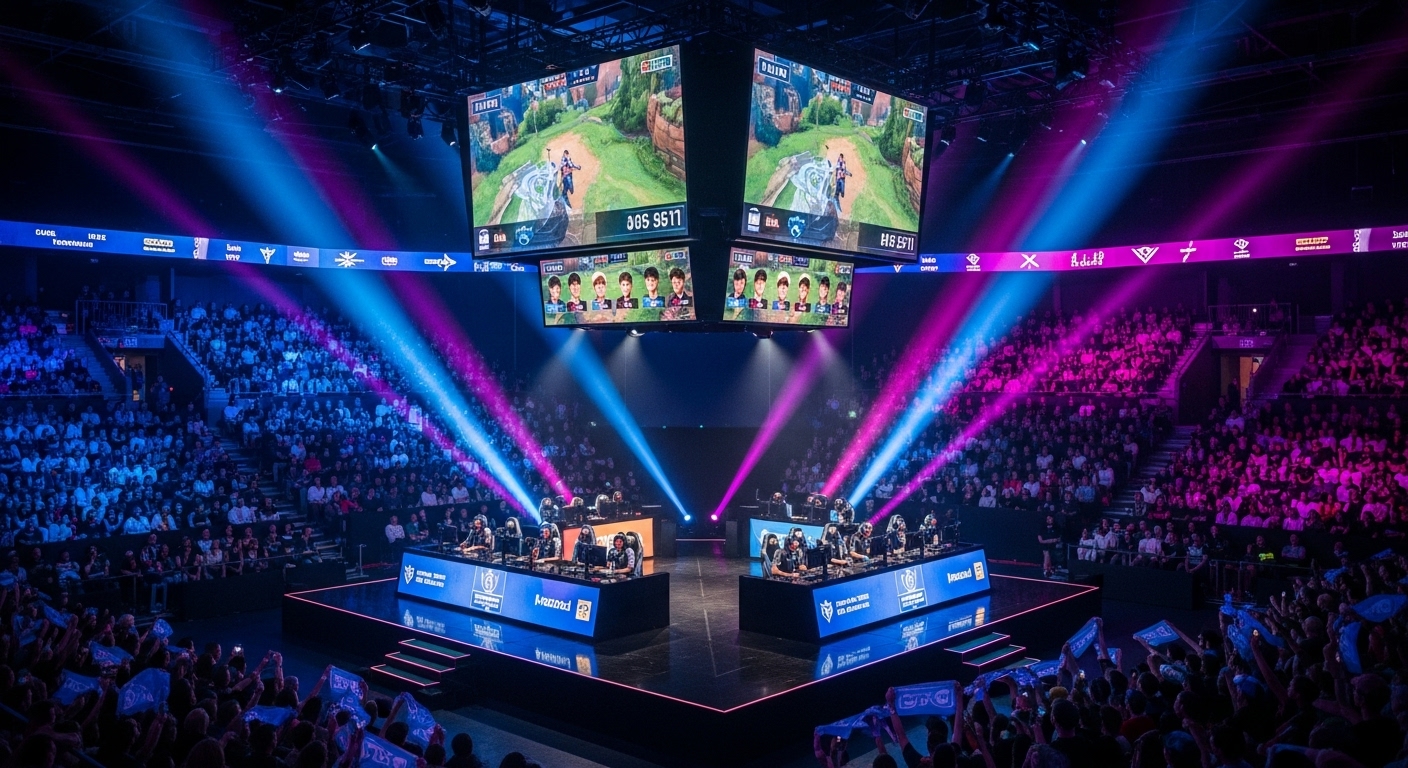
Esports, once considered a niche hobby confined to bedrooms and internet cafés, has evolved into a global phenomenon that rivals traditional sports in scale, passion, and professionalism. Competitive gaming today fills massive arenas, attracts millions of online viewers, and generates careers that were unimaginable just a decade ago. More than just playing video games, esports represents a cultural shift in how competition, entertainment, and community are experienced in the digital age. This blog explores the world of esports, its growth, its ecosystem, and its influence on society.
Understanding What Esports Really Is
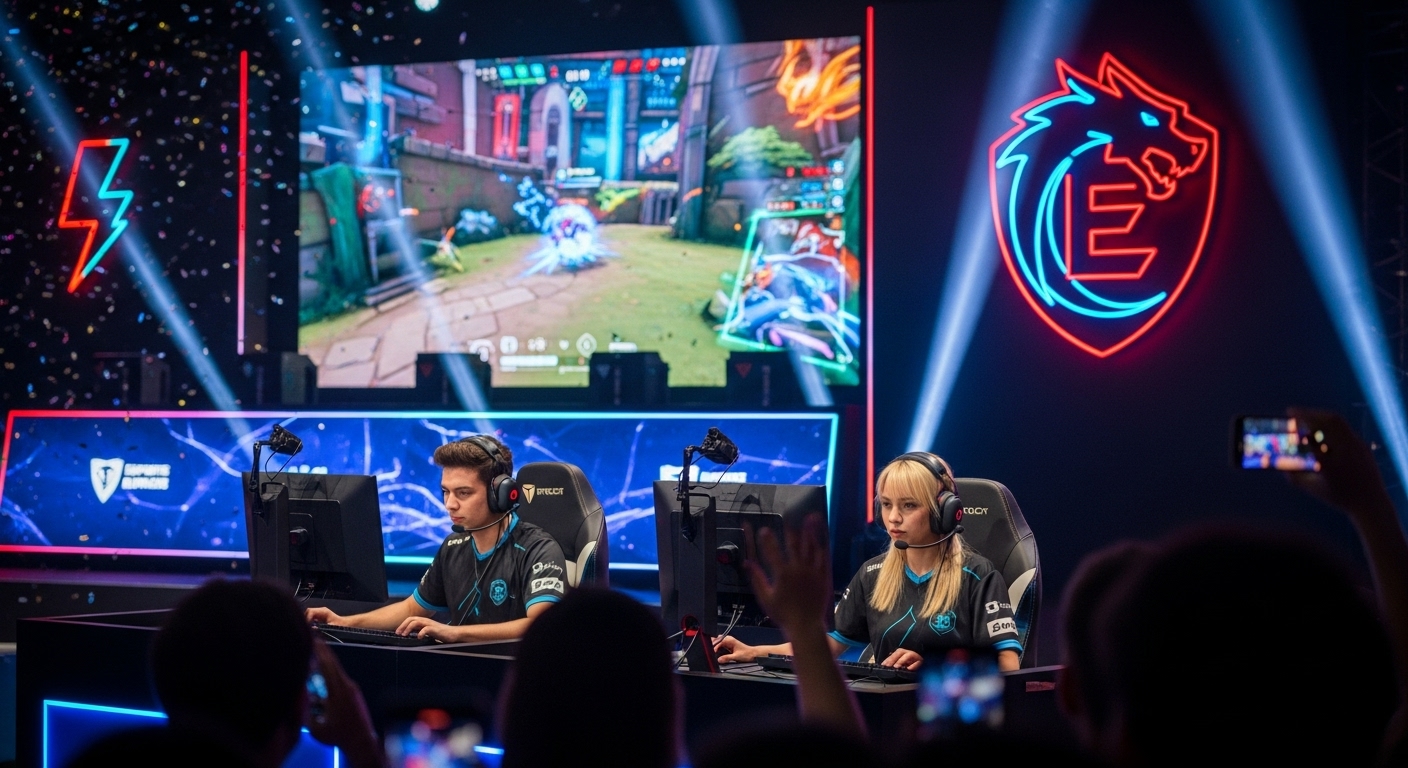
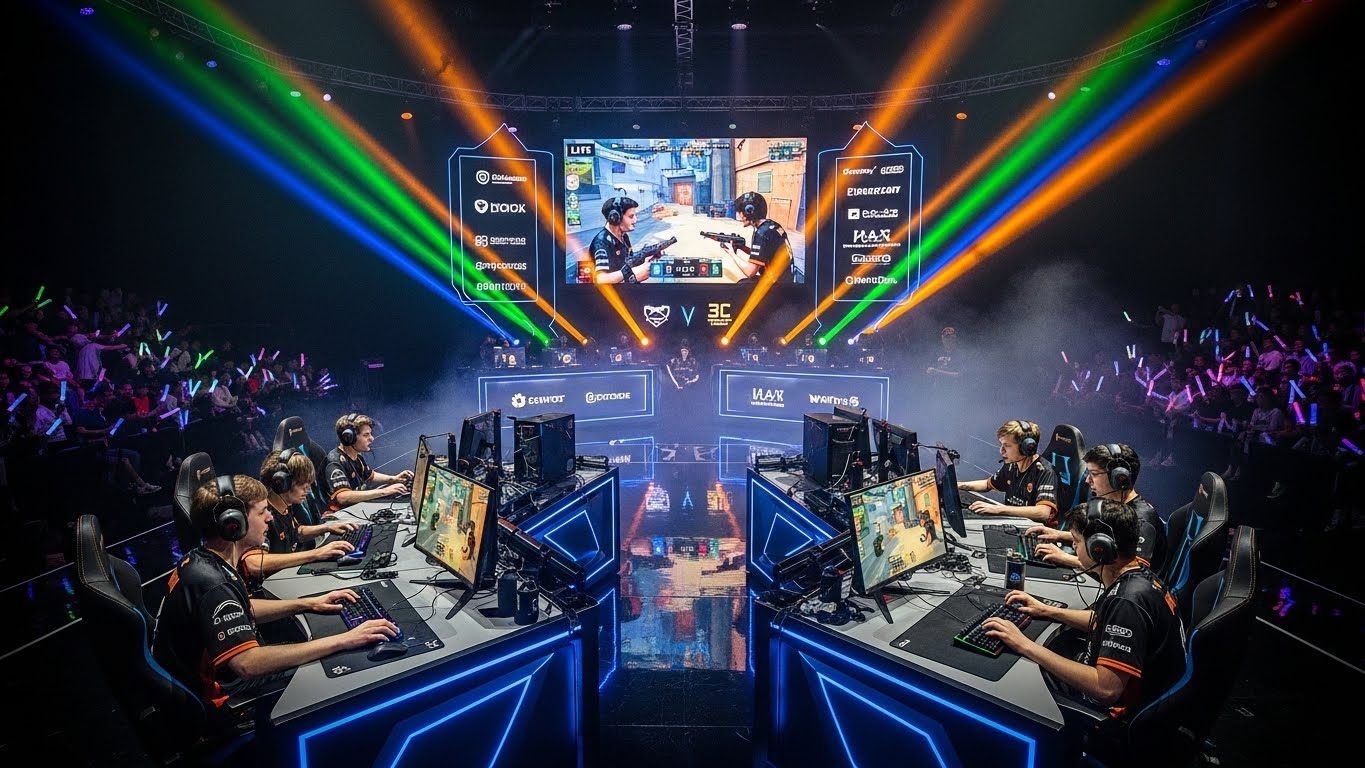
At its core, esports refers to organized, competitive video gaming where individuals or teams compete under structured rules in popular titles. These competitions range from small online tournaments to international championships with large prize pools. Unlike casual gaming, esports demands discipline, strategy, teamwork, and consistent training. Players often specialize in a single game, mastering mechanics, tactics, and decision-making at an elite level. The competitive environment mirrors traditional sports, with coaches, analysts, practice schedules, and performance reviews.
A Brief History of Competitive Gaming
The roots of esports can be traced back to early arcade competitions and local multiplayer gaming events. As internet connectivity improved, online multiplayer games enabled players from different regions to compete. This laid the foundation for organized leagues and tournaments. Over time, advancements in streaming technology allowed audiences to watch matches live, transforming private competitions into public spectacles. What began as small-scale events gradually evolved into professional circuits with sponsors, media coverage, and global fanbases.
Popular Esports Genres and Games
Esports is not defined by a single type of game. Instead, it encompasses several genres, each requiring distinct skills. Multiplayer online battle arena games emphasize teamwork and strategic map control. First-person shooters focus on precision, reflexes, and tactical awareness. Real-time strategy games demand high-level planning and rapid execution. Sports simulation games replicate real-world athletics in digital form. Each genre attracts a different audience and competitive style, contributing to the diversity of the esports ecosystem.
The Professional Esports Ecosystem
The esports industry functions as a complex ecosystem involving far more than players alone. Professional teams are supported by coaches, managers, analysts, sports psychologists, and medical staff. Tournament organizers plan leagues and events, while broadcasters and commentators bring matches to life for viewers. Sponsors and brands invest in teams and competitions, recognizing the marketing potential of a young and engaged audience. Behind the scenes, developers maintain and update games, ensuring balance and longevity for competitive play.
Training, Discipline, and the Life of a Pro Player
Becoming a professional esports player requires intense commitment. Top players often train for many hours a day, refining mechanical skills and studying strategies. Practice sessions include scrimmages against other teams, individual drills, and reviewing gameplay footage. Mental resilience is crucial, as players must perform under pressure in high-stakes environments. Contrary to stereotypes, physical health also matters. Many teams now emphasize exercise, proper nutrition, and sleep to maintain peak performance.
Esports as a Career Path
One of the most significant shifts brought by esports is the creation of new career opportunities. While professional players are the most visible figures, many other roles support the industry. Careers exist in coaching, content creation, event management, marketing, game analysis, and broadcasting. Even software development, graphic design, and journalism intersect with esports. For young people passionate about gaming, esports offers multiple avenues to turn interest into a profession.
The Role of Streaming and Community
Streaming platforms have played a vital role in the growth of esports. They allow fans to watch live matches, follow their favorite players, and interact with communities in real time. This direct connection between players and audiences creates a sense of belonging and loyalty. Fans are not just spectators; they participate through chats, discussions, and fan-created content. This strong community aspect differentiates esports from many traditional forms of entertainment.
Esports and Global Culture
Esports transcends geographical boundaries. Players from different countries compete on the same digital stage, and fans worldwide support teams regardless of location. International tournaments showcase cultural diversity, uniting people through shared enthusiasm for competition. Esports has also influenced fashion, music, and online language, becoming an integral part of modern youth culture. What was once seen as a subculture has now entered mainstream awareness.
Education and Esports
Educational institutions have begun to recognize the value of esports. Schools and universities now offer esports programs, scholarships, and dedicated facilities. These programs not only focus on gameplay but also teach teamwork, leadership, communication, and technology skills. Esports in education challenges outdated perceptions of gaming by demonstrating its potential for learning and personal development.
Challenges Facing the Esports Industry
Despite its rapid growth, esports faces several challenges. Player burnout is a concern due to demanding schedules and high expectations. Fair play and integrity must be protected against cheating and unethical behavior. Financial sustainability can also be difficult for smaller teams and organizations. Additionally, inclusivity and diversity remain ongoing discussions as the industry works to create a welcoming environment for everyone.
The Future of Esports
The future of esports appears promising and dynamic. Advances in technology will continue to enhance viewing experiences and gameplay. As acceptance grows, esports may further integrate with traditional sports and mainstream media. New games and formats will emerge, keeping the competitive scene fresh and evolving. With increasing investment and global interest, esports is poised to remain a significant force in entertainment and competition.
Conclusion: More Than Just a Game
Esports is more than people playing video games; it is a reflection of how competition and community have adapted to the digital era. It combines skill, strategy, technology, and passion into a form of entertainment that resonates with millions worldwide. As esports continues to grow, it challenges traditional definitions of sport and career, proving that dedication and excellence can thrive in virtual arenas just as powerfully as in physical ones. The story of esports is still being written, and its impact on culture and society is only beginning to unfold.