Introduction: Gaming Evolves into a Spectacle
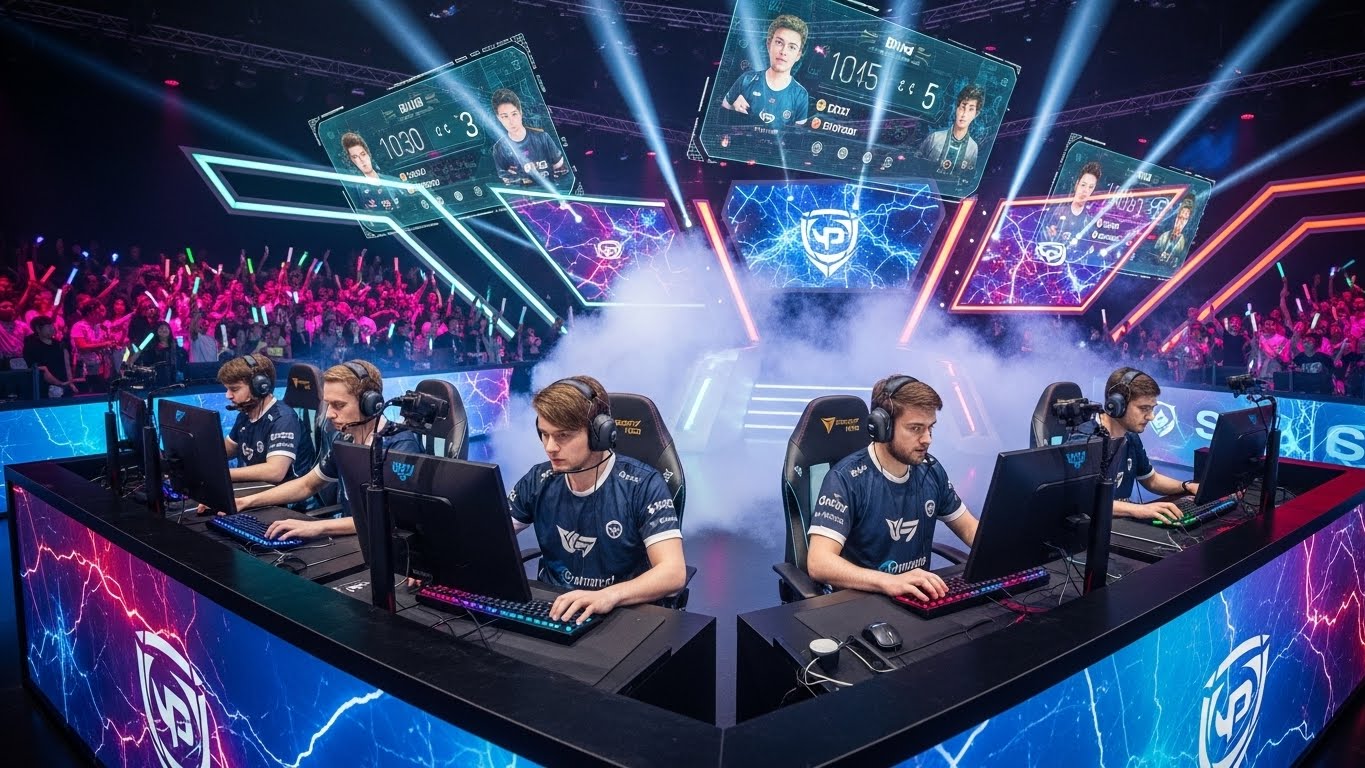
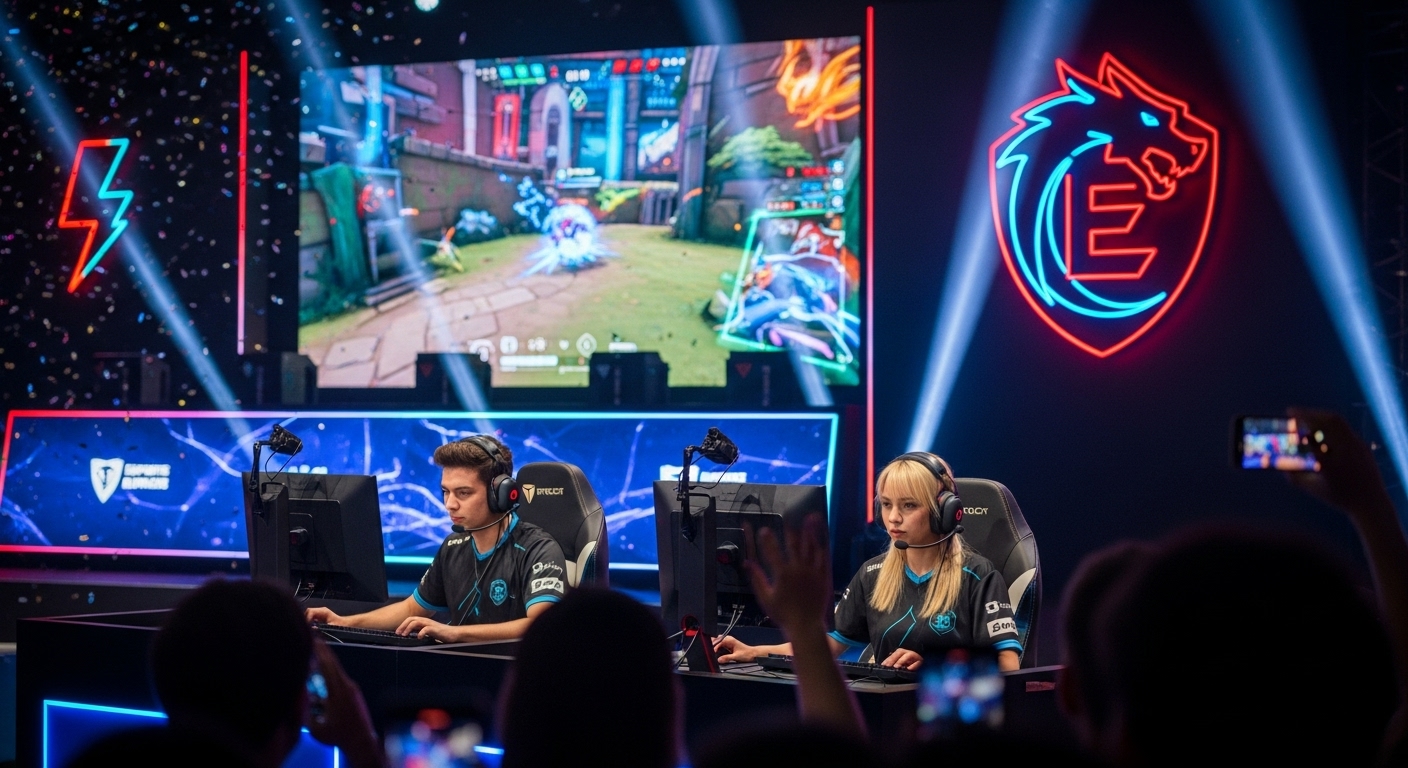
Esports has emerged as one of the most exciting and rapidly growing forms of entertainment in the digital age. What was once considered a casual hobby has transformed into a professional, competitive arena where players showcase their skills to millions of fans worldwide. Beyond just playing games, esports has created a culture of strategy, teamwork, and intense competition that rivals traditional sports.
The Explosive Growth of Esports
Over the past decade, esports has expanded at an incredible pace. Global tournaments now offer prize pools worth millions, attracting top-tier talent and corporate sponsorships. Games such as League of Legends, Dota 2, Counter-Strike, and Valorant have cultivated dedicated fan bases, professional leagues, and structured competitions. This growth highlights the increasing legitimacy of esports as a professional and profitable industry.
Streaming: Connecting Players and Fans
One of the key drivers behind esports’ popularity is live streaming. Platforms allow gamers to broadcast their gameplay, interact with fans, and create personal brands. Audiences can watch players’ strategies unfold in real time, making esports a highly engaging spectator sport. The social interaction between players and viewers has transformed gaming into a shared cultural experience.
Training Like a Professional Athlete
Esports demands more than reflexes and quick thinking—it requires rigorous training and strategic planning. Professional players maintain strict practice schedules, study opponents’ strategies, and focus on both mental and physical well-being. Communication, coordination, and adaptability are essential skills, demonstrating that esports professionals approach their craft with the same seriousness as athletes in traditional sports.
A Global Community
Esports knows no borders. International competitions bring together players and fans from around the world, fostering a global community united by a shared passion. The inclusivity of esports allows anyone, regardless of age, gender, or physical ability, to participate and succeed. This universal accessibility has been a major factor in its rapid expansion.
Challenges and Controversies
Despite its success, esports faces notable challenges. The pressure of competition can lead to stress, burnout, and mental health concerns. Additionally, issues like cheating, inconsistent tournament regulations, and player exploitation are ongoing concerns. Addressing these challenges is essential to ensuring that esports continues to grow in a fair and sustainable way.
The Future of Esports
The future of esports is bright and full of potential. Advancements in technology, such as virtual reality, artificial intelligence, and mobile gaming, are poised to redefine competitive play. Universities and organizations are increasingly recognizing esports as a legitimate field, offering scholarships and professional opportunities. With these developments, esports is set to become an even more prominent part of the global entertainment landscape.
Conclusion: A Digital Revolution in Competition
Esports represents a remarkable evolution of gaming, turning a pastime into a global phenomenon. It combines skill, strategy, and community, creating an immersive experience for players and fans alike. As the industry continues to grow, esports is reshaping the way we view competition, entertainment, and digital culture. The age of competitive gaming has truly arrived.