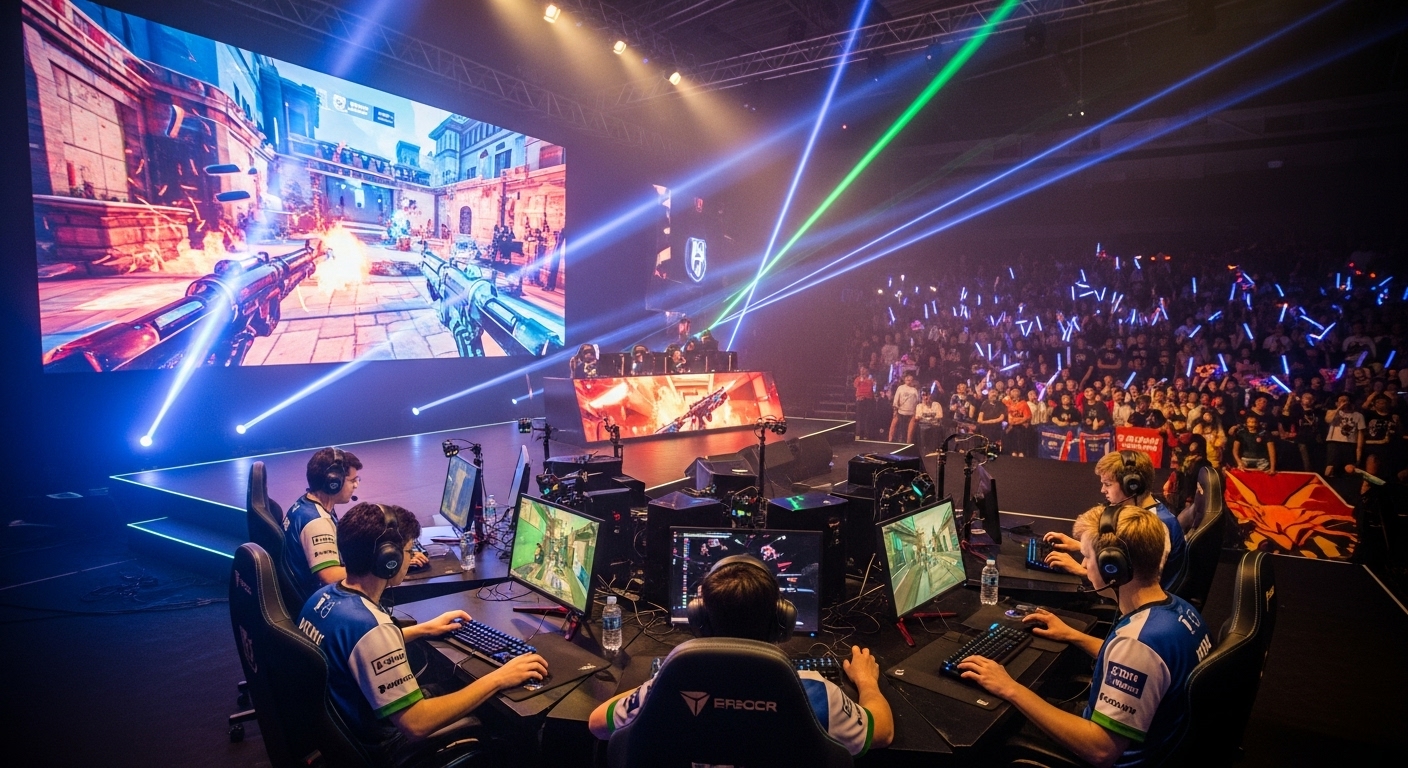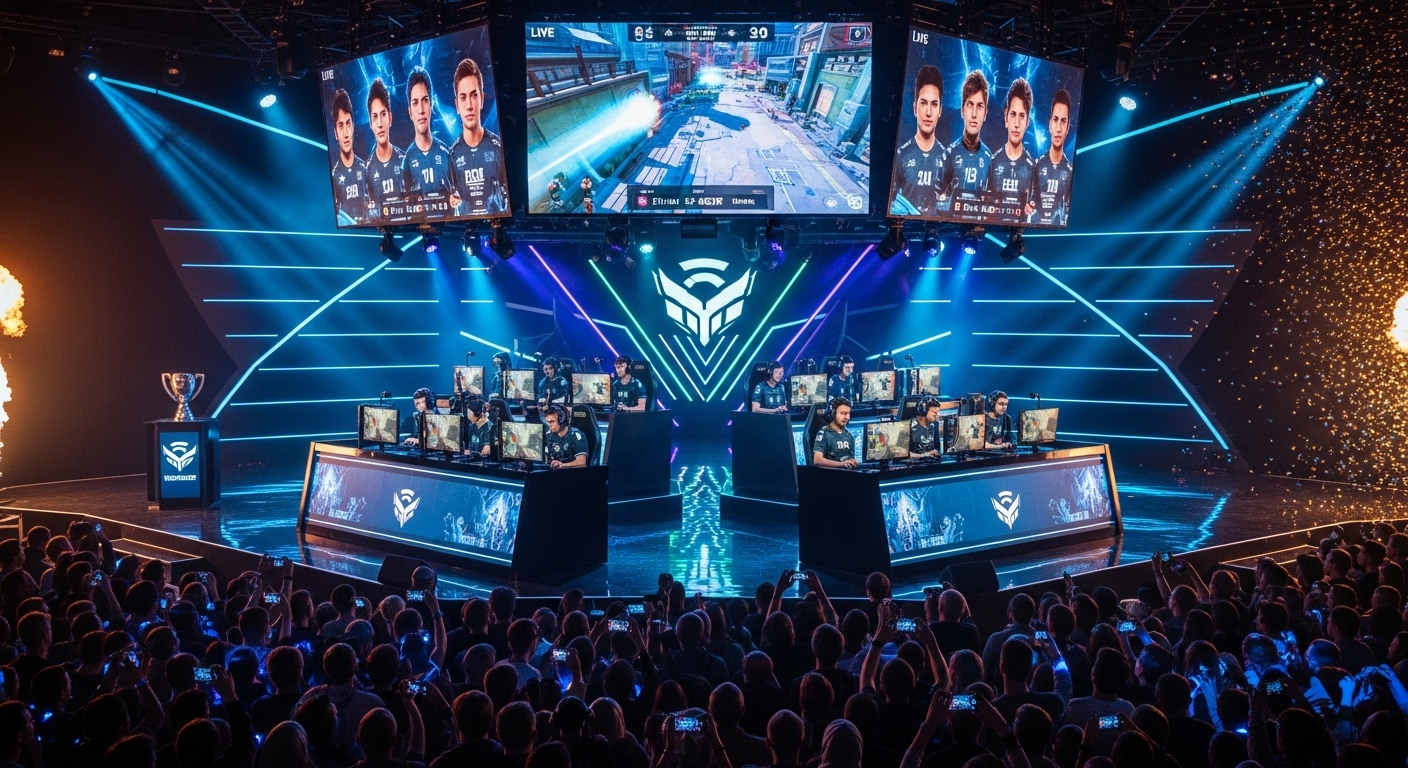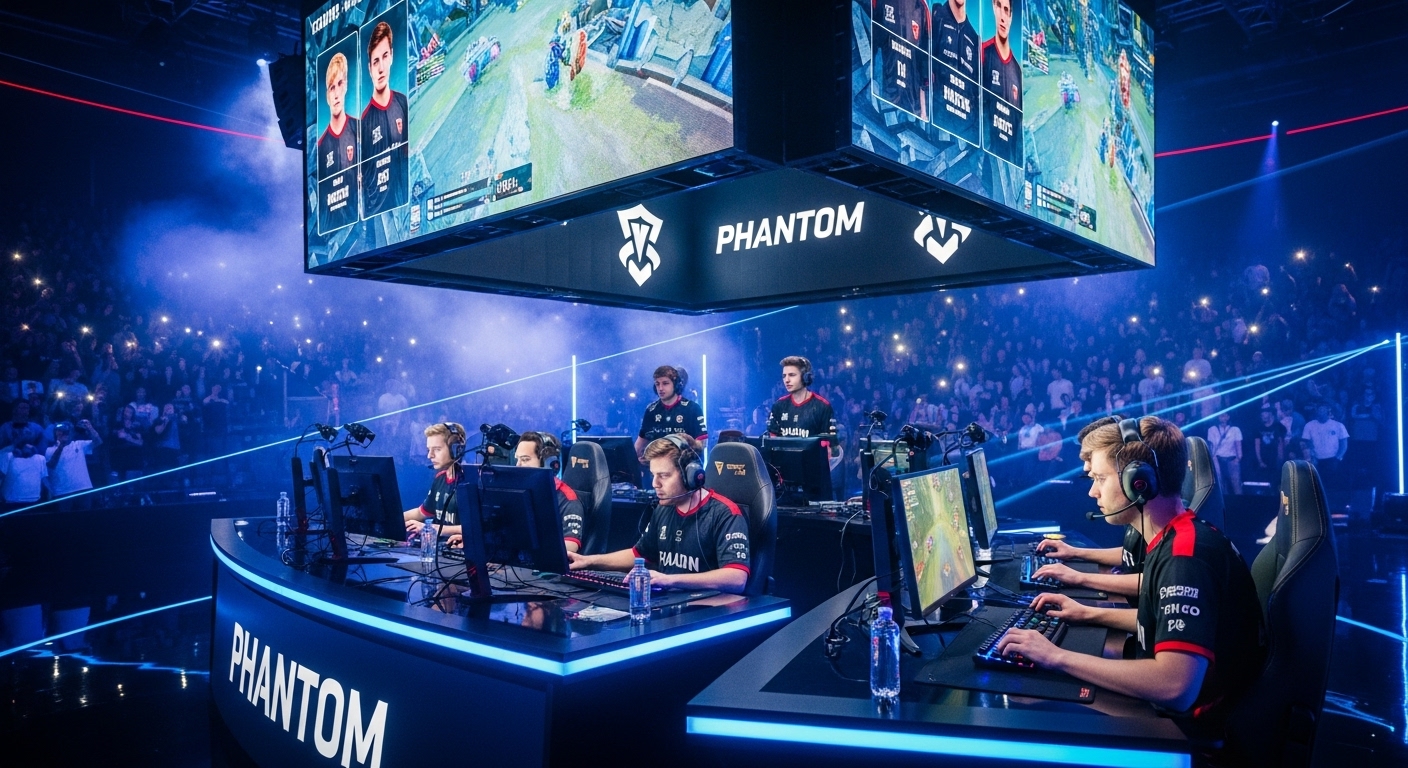
Esports has grown from a niche hobby into a global phenomenon, attracting millions of players, viewers, and sponsors worldwide. Competitive gaming is no longer just a pastime—it has become a professional, strategic, and cultural force that is reshaping entertainment.
The Rise of Esports
Esports began with small-scale tournaments among friends and local communities. With the rise of high-speed internet, advanced gaming platforms, and live streaming, esports expanded into a global industry. Today, tournaments draw massive audiences, with players competing at the highest level for recognition, prizes, and career opportunities.
Professional Gaming: A Legitimate Career
Esports players now train like traditional athletes. They practice daily, analyze strategies, and work in teams to perfect their skills. Professional leagues and tournaments offer contracts, sponsorships, and prize money, making competitive gaming a viable and respected career. This professionalization demonstrates the dedication and discipline required to succeed in the digital arena.
Technology Powering Esports
Technology is at the heart of esports. High-performance gaming systems, low-latency internet connections, and streaming platforms make global competitions possible. Advanced analytics help players optimize strategies, while immersive graphics and real-time commentary enhance the viewer experience. Technology ensures that esports is both competitive and entertaining.
Community and Connection
Esports fosters global communities. Fans and players from all corners of the world connect through tournaments, online matches, and social platforms. Multiplayer games encourage teamwork, collaboration, and communication, building friendships and bonds beyond the game. The community aspect of esports shows how digital competition can unite people across cultures.
Economic and Cultural Impact
The esports industry contributes significantly to the economy. Sponsorships, merchandise, and live events generate revenue while opening opportunities in coaching, commentary, and game development. Culturally, esports influences media, entertainment, and lifestyle trends, shaping how digital generations engage with technology and competition.
Mental Skills and Strategy
Competitive gaming develops important skills such as critical thinking, reflexes, and decision-making under pressure. Team-based games teach communication, leadership, and collaboration, while solo competitions build focus and resilience. Esports demonstrates that gaming is not only fun but also a platform for personal and professional growth.
The Future of Esports
The future of esports is full of potential. Virtual reality, augmented reality, and artificial intelligence will create more immersive and interactive experiences. Esports is likely to become further integrated into mainstream culture, offering new opportunities for education, entertainment, and career development. Its growth signals a future where digital competition is recognized on a global scale.
Conclusion
Esports is more than a game—it is a transformative cultural and professional phenomenon. By combining skill, strategy, and technology, it has created new opportunities for players, audiences, and industries worldwide. As esports continues to evolve, it will redefine the boundaries of competition, entertainment, and connection in the digital era.