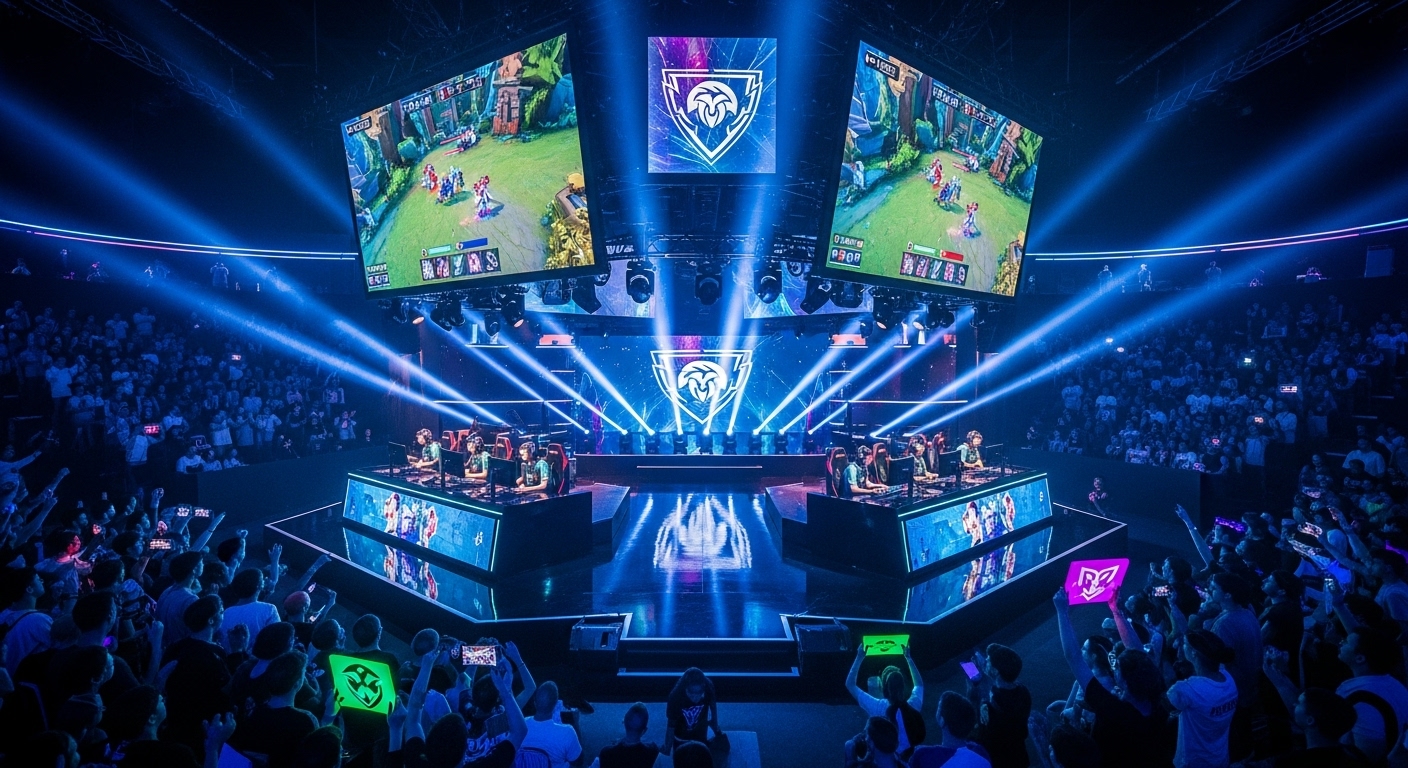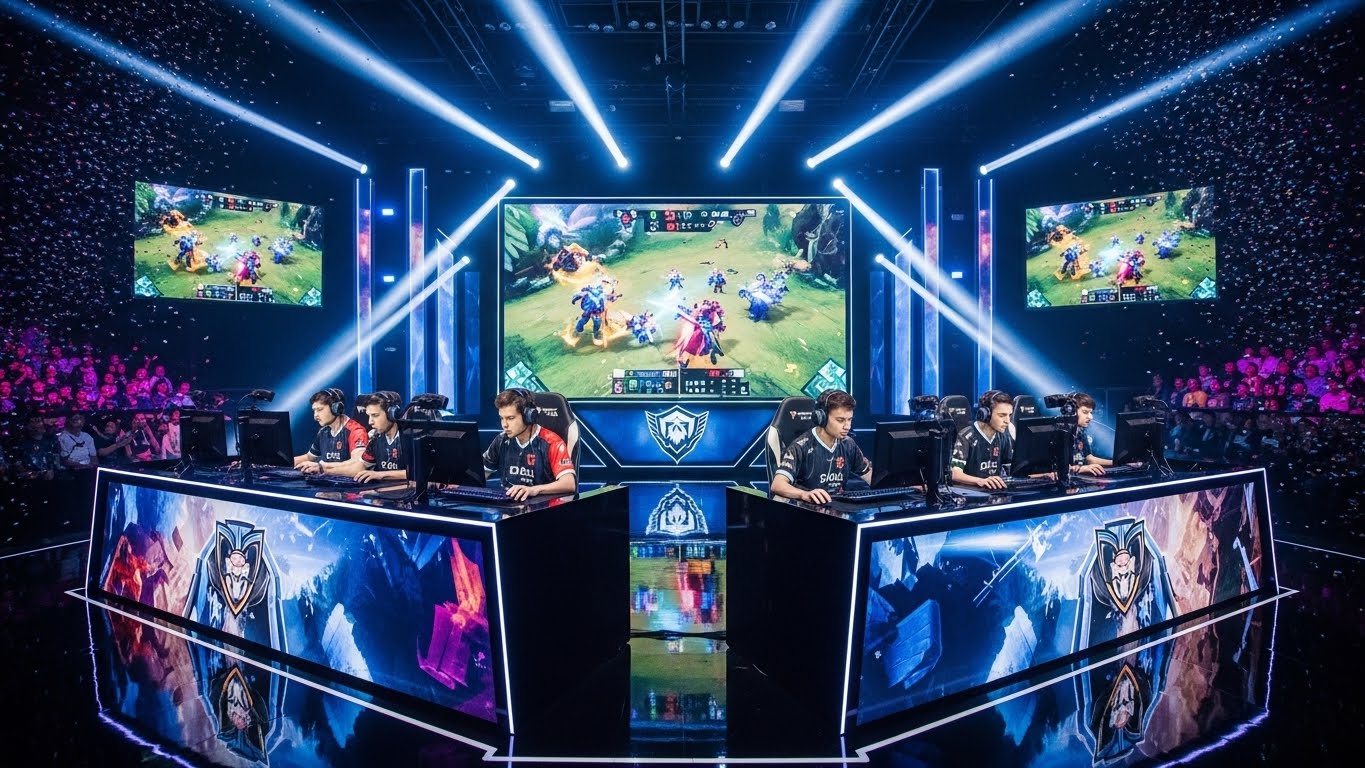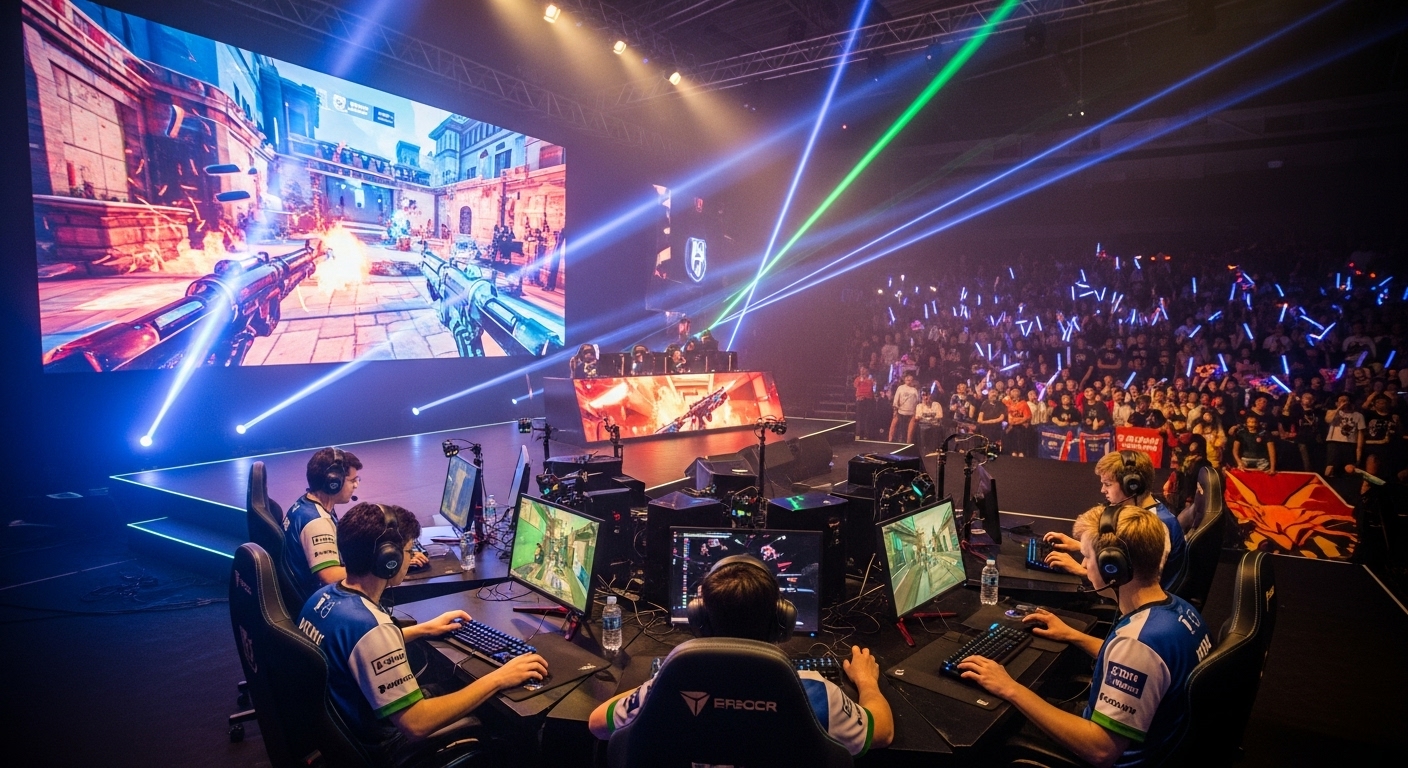
Over the past two decades, esports has transitioned from a niche hobby to a global cultural and economic phenomenon. What started as informal gaming competitions among friends has now evolved into multi-million-dollar tournaments watched by millions worldwide. The rise of esports is not just a testament to technological advancement but also to the social and cultural power of gaming communities. Today, esports is not merely about playing video games; it represents a lifestyle, a career path, and a form of entertainment that rivals traditional sports in popularity and influence.
The Early Days of Competitive Gaming
The roots of esports can be traced back to the 1970s and 1980s when arcades became a central hub for gaming enthusiasts. Early competitions, such as the famous Space Invaders Championship in 1980, drew thousands of participants and demonstrated the competitive potential of gaming. However, it wasn’t until the 1990s, with the advent of PC gaming and the internet, that esports began to take shape as an organized form of competition. Games like StarCraft, Quake, and Counter-Strike laid the foundation for structured tournaments, professional teams, and global fan communities.
During this era, competitive gaming remained largely underground. Players often organized tournaments in LAN centers or small gaming clubs, and the concept of streaming or live broadcasting these events was virtually nonexistent. Yet, the passion and dedication of early competitive gamers created a strong foundation for the professional esports industry that would emerge in the 2000s.
Esports Becomes Mainstream
The 2000s marked a turning point for esports. The proliferation of broadband internet and online gaming platforms allowed players from different parts of the world to compete in real time. Games such as Warcraft III, Dota, and Counter-Strike 1.6 became staples of competitive gaming, with professional teams forming and tournaments attracting sponsorships from major brands.
During this period, esports also began to gain legitimacy as a spectator sport. Platforms like YouTube and later Twitch revolutionized how fans could engage with competitive gaming. Streaming allowed fans to watch live gameplay, interact with players, and form communities around their favorite teams and games. This shift transformed esports from a niche hobby into a mainstream entertainment medium.
The Economics of Esports
Esports today is a billion-dollar industry. Revenue streams include sponsorships, advertising, merchandise, ticket sales for live events, and media rights. Major tournaments, such as The International for Dota 2 or the League of Legends World Championship, offer prize pools in the millions of dollars, attracting professional players from around the globe.
Sponsorship deals have become a cornerstone of esports economics. Companies ranging from energy drinks to tech giants sponsor teams, tournaments, and individual players. Unlike traditional sports, esports has a unique advantage: its audience is highly engaged and tech-savvy, making it an attractive demographic for brands seeking innovative marketing strategies.
Merchandise and media rights further bolster the industry. Fans buy jerseys, collectibles, and digital content to support their favorite teams, while streaming platforms monetize viewership through subscriptions, ads, and donations. This multi-faceted economic model ensures that esports is not only sustainable but continues to grow at an unprecedented pace.
Popular Esports Titles and Their Impact
Esports encompasses a wide range of genres, each with its own competitive scene, fan base, and unique appeal. Multiplayer online battle arenas (MOBAs) like League of Legends and Dota 2 are known for strategic depth and teamwork. First-person shooters (FPS) like Counter-Strike: Global Offensive and Valorant emphasize reflexes, precision, and tactical planning. Fighting games like Street Fighter and Super Smash Bros. showcase individual skill and quick thinking, while sports simulations like FIFA and NBA 2K bridge the gap between traditional sports and virtual competition.
Each game contributes to the cultural fabric of esports in unique ways. MOBAs often cultivate large, loyal fan communities due to their strategic complexity and team dynamics. FPS games foster intense rivalries and dramatic, high-stakes matches. Fighting games thrive on individual prowess and local grassroots tournaments. Together, these genres create a diverse ecosystem that caters to various interests and skill levels, ensuring that esports appeals to a broad audience.
The Role of Streaming and Content Creation
The growth of esports is inextricably linked to streaming and content creation. Platforms like Twitch, YouTube Gaming, and more recently, other live streaming services have allowed fans to connect directly with players, watch tournaments live, and engage with gaming content in real time. Streaming is not limited to professional gameplay; it includes behind-the-scenes content, tutorials, and commentary, creating a rich tapestry of entertainment that deepens fan engagement.
Content creation has also transformed the perception of esports. Popular streamers and content creators act as ambassadors for games, attracting new players and fans. Their personalities, commentary, and gameplay styles contribute to the cultural significance of esports, making it more than just competitive gaming—it becomes a form of storytelling and shared experience.
Esports as a Career Path
One of the most significant developments in recent years is the rise of esports as a viable career. Professional players can earn substantial salaries, sponsorship deals, and prize money, sometimes rivaling traditional athletes. Beyond players, careers in coaching, content creation, tournament organization, marketing, and game development have emerged, offering opportunities for those passionate about gaming.
However, the esports career path comes with unique challenges. Competitive players face intense pressure, rigorous training schedules, and the risk of burnout due to the physical and mental demands of professional gaming. Career longevity can be short, particularly in fast-paced genres where reflexes and reaction times are critical. Despite these challenges, the growing infrastructure of esports organizations, academies, and support systems is helping players sustain long-term careers.
The Global Impact of Esports
Esports has a profound global impact, bridging cultural and geographic divides. International tournaments attract players and fans from multiple countries, fostering cross-cultural interactions and creating a shared global community. Events like the League of Legends World Championship or Dota 2’s The International are watched by millions worldwide, highlighting the universal appeal of competitive gaming.
Moreover, esports has influenced education, with universities offering scholarships and programs dedicated to gaming, esports management, and game design. Schools and organizations recognize the potential of esports to develop skills such as teamwork, strategic thinking, and digital literacy, further legitimizing it as a professional and academic pursuit.
Challenges Facing the Esports Industry
Despite its rapid growth, esports faces several challenges. One of the most pressing issues is regulation and governance. Unlike traditional sports with established governing bodies, esports lacks a unified regulatory framework, leading to inconsistencies in rules, player contracts, and tournament standards.
Player health and well-being are also significant concerns. The demands of professional gaming can lead to physical strain, repetitive stress injuries, and mental health challenges. Organizations are beginning to address these issues by implementing wellness programs, structured training regimens, and support networks, but the industry must continue to prioritize player welfare.
Another challenge is sustainability. While esports revenue is growing, it is heavily dependent on sponsorships and media rights. Economic fluctuations, changes in consumer behavior, or regulatory changes could impact revenue streams, making it essential for the industry to diversify and innovate.
Technological Innovations Driving Esports
Technological advancements continue to shape the esports landscape. High-speed internet, powerful gaming hardware, and sophisticated game engines have enabled increasingly complex and immersive competitive experiences. Innovations such as virtual reality (VR) and augmented reality (AR) are beginning to influence esports, offering new possibilities for gameplay, spectator experiences, and fan engagement.
Artificial intelligence (AI) and data analytics also play a growing role. Teams use advanced analytics to study opponent strategies, optimize performance, and make informed decisions during competitions. AI-driven coaching tools and training simulations help players refine skills and adapt to evolving game meta, enhancing both performance and spectator enjoyment.
The Future of Esports
Looking ahead, the future of esports appears bright and full of potential. The continued growth of streaming platforms, the rise of mobile gaming, and the increasing integration of esports into mainstream culture suggest that competitive gaming will only become more prominent.
Esports is also likely to expand into new markets, including countries where gaming infrastructure is still developing. As technology improves and access to high-quality gaming experiences becomes more widespread, the global esports audience will continue to grow, creating opportunities for players, organizations, and fans alike.
Moreover, the integration of esports with traditional media, such as television broadcasts and sports networks, may further legitimize the industry, making it accessible to broader audiences beyond online platforms. The convergence of entertainment, technology, and competition positions esports as a unique and influential force in the 21st century.
Conclusion
Esports has come a long way from its humble beginnings in arcades and LAN parties. Today, it represents a dynamic and multifaceted industry with a global fan base, substantial economic impact, and growing cultural significance. From competitive players and professional teams to streaming personalities and global tournaments, esports encompasses a wide range of experiences that engage millions of people worldwide.
As technology advances, audiences expand, and professional infrastructure strengthens, esports will continue to evolve, shaping the future of entertainment, competition, and digital culture. It is no longer just a pastime; esports has firmly established itself as a legitimate, influential, and enduring part of modern society. The journey of esports is far from over, and its story continues to inspire, entertain, and unite gamers across the globe.