Introduction
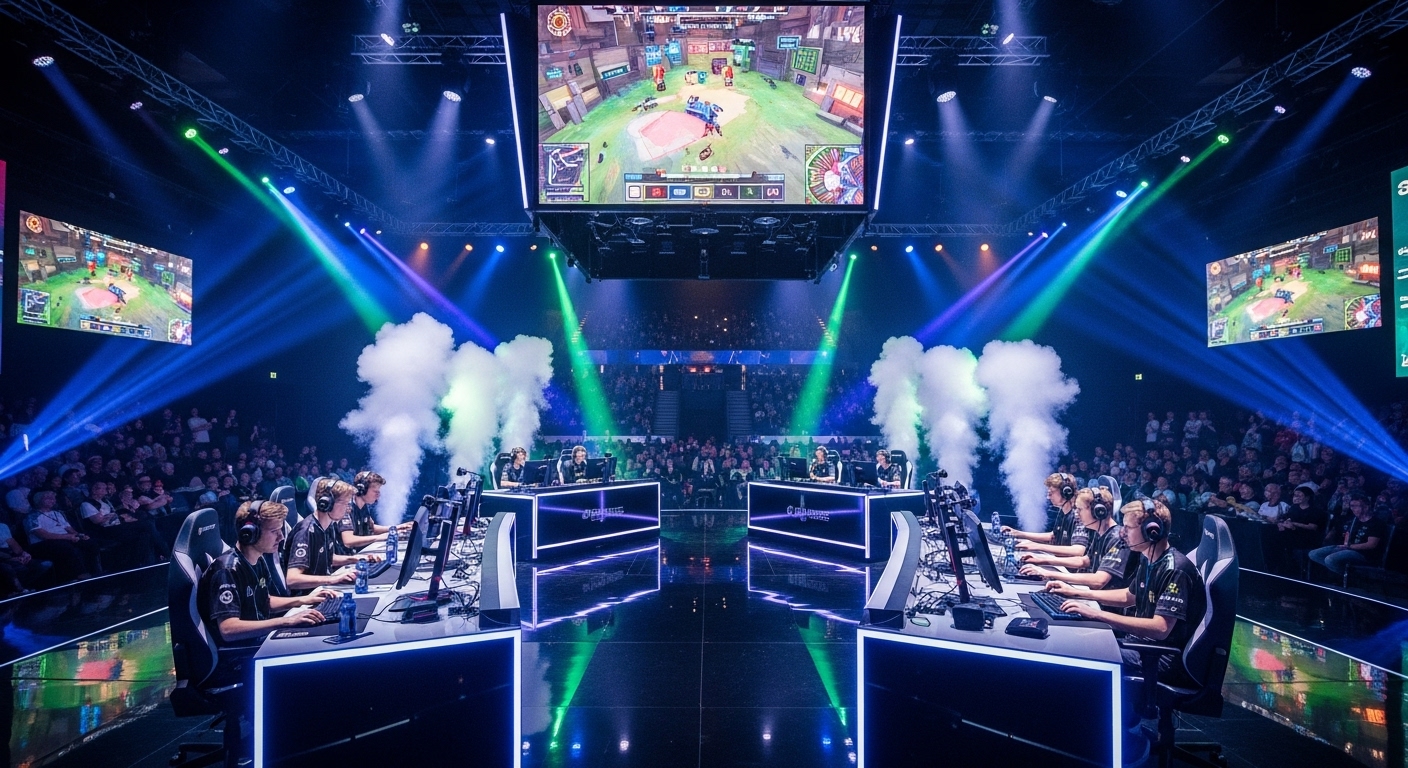
In the world of esports, victory is not just determined by aim, reflexes, or mechanical skill — it often begins long before the first move or shot is made. In team-based strategy games such as Dota 2, League of Legends, Mobile Legends: Bang Bang, and Overwatch, the drafting phase serves as the strategic foundation upon which the entire match is built. Drafting defines how a team will play, what their strengths will be, and which weaknesses must be covered. It’s a mental chess game between coaches, analysts, and captains, where one wrong pick can doom an otherwise flawless performance.
The best drafting choices in competitive play come from a perfect blend of data analysis, meta awareness, adaptability, and mind games. Understanding opponent tendencies, predicting their bans, and identifying synergies between heroes or champions is an art form. This blog explores what makes a draft successful, analyzes iconic examples from esports history, and breaks down how the smartest drafting decisions have led to legendary victories.
The Importance of Drafting in Competitive Esports
Drafting in competitive play is the first battleground — it determines tempo, composition, and late-game potential. A strong draft sets the tone for how a team approaches objectives, fights, and rotations.
A good draft ensures:
- Strategic Flexibility: Multiple ways to win a game rather than relying on one plan.
- Comfort Picks: Giving star players heroes or champions they excel with.
- Meta Awareness: Staying relevant to current game updates and patch strengths.
- Counterplay Options: Drafting heroes that nullify the opponent’s strongest strategies.
- Synergy and Balance: Ensuring the team composition has initiation, defense, and scaling power.
Drafting isn’t just about selecting powerful characters — it’s about building a coherent strategy that aligns with player strengths, map dynamics, and meta context.
Understanding the Drafting Process
In most esports titles, drafting follows a pick-and-ban system where teams alternate choosing and denying characters. The process can vary across games but generally includes these stages:
- Ban Phase: Teams remove the most threatening or meta-defining heroes.
- First Pick: The starting team sets the tone with an early comfort or power pick.
- Counter Picks: Opponents respond strategically to limit synergy and expose weaknesses.
- Final Adjustments: Both teams finalize their lineups, often saving flexible picks for last.
This process is as much psychological as it is tactical. Teams must predict not only which heroes the opponents might choose but also how they will play them.
Key Principles of Effective Drafting
1. Flexibility Over Rigidity
The best drafting teams prioritize heroes that can fit multiple roles. Flex picks create uncertainty, forcing opponents to waste bans or misread strategies.
- In League of Legends, champions like Gragas or Jayce can flex between top, mid, or jungle.
- In Dota 2, heroes like Tiny or Puck can function as both cores and supports.
Flexibility ensures that your strategy remains unreadable until the very end.
2. Synergy and Role Balance
Each draft must maintain balance — damage dealers, initiators, supports, and tanks must complement one another.
A poor composition (e.g., no crowd control or sustain) can crumble even if all individual picks are strong.
- Mobile Legends teams often ensure one frontliner, two damage threats, a mage, and a support to maintain harmony.
3. Countering the Meta — Not Just Following It
Blindly following the meta can make teams predictable. The best drafters tweak meta strategies to counter mainstream trends.
For example:
- In Dota 2’s TI10, Team Spirit used unconventional heroes like Magnus and Ember Spirit mid when other teams avoided them, turning them into meta-defining picks.
- In League of Legends Worlds 2022, DRX countered meta jungle paths by drafting champions that thrived on map control instead of early ganks.
4. Understanding Power Spikes and Scaling
A draft’s effectiveness changes as the game progresses. Teams must decide whether to end games early or scale into the late game.
- Early aggression compositions use heroes with strong early-game pressure.
- Late-game compositions rely on farming and teamfight synergy to overpower opponents later.
Balancing these elements creates resilience against early momentum shifts.
5. Targeting Opponent Weaknesses
Sometimes, the smartest draft isn’t about your strengths but about exploiting the enemy’s weaknesses.
If an opponent struggles against high-mobility heroes, pick assassins.
If their jungler prefers control mages, force them into a bruiser-heavy meta.
Drafting is a mental duel — predicting comfort zones and denying them is often more impactful than chasing your own.
Best Drafting Choices in Dota 2
In Dota 2, drafting is an art of adaptation. Because the hero pool is enormous, understanding synergy, scaling, and counterpicks is vital.
Iconic Draft Example: Team Spirit at The International 2021
Team Spirit’s drafts were praised for perfect balance — comfort heroes mixed with unpredictable choices. Their Magnus + Empower strategy combined with fast mid-game tempo heroes like Ember Spirit and Tiny gave them flexibility. They also frequently picked support heroes with high teamfight control (e.g., Lion, Winter Wyvern), ensuring they could counter high-damage cores.
Key Drafting Lessons:
- Keep drafts adaptable to tempo changes.
- Build around signature heroes without becoming predictable.
- Secure initiation and control before prioritizing damage.
Another legendary draft came from OG’s TI9 Grand Final, where they picked unconventional heroes like Io as a carry — shocking the world. It demonstrated that innovation beats convention when backed by preparation and trust.
Best Drafting Choices in League of Legends
In League of Legends, drafts often revolve around macro execution and map control. Teams must think not only about lane matchups but also jungle pressure, vision control, and objective timing.
Iconic Draft Example: DRX at Worlds 2022
DRX’s run was built on adaptation. They frequently allowed opponents to take early meta picks but countered them with scaling compositions and situational bans. For instance, when facing Gen.G, they drafted disengage-heavy lineups that nullified enemy aggression. Against T1, they prioritized champions with global presence to control tempo.
Key Drafting Lessons:
- Leave open “trap picks” to bait opponents into overconfidence.
- Prioritize synergy between jungler and mid laner for early game dominance.
- Ensure scaling options to avoid late-game vulnerability.
Another strong example was G2 Esports during MSI 2019, where they used flexible champions like Pyke and Ryze to create unpredictable lane setups, confusing enemy drafts completely.
Best Drafting Choices in Mobile Legends: Bang Bang
In Mobile Legends, the drafting phase is crucial due to limited hero pools and the importance of team composition synergy. The meta constantly evolves, but the fundamentals remain — mobility, initiation, and sustain.
Iconic Draft Example: Blacklist International (M3 World Championship)
Blacklist perfected the “Ultimate UBE Strategy” (Ultimate Bonding Experience) — focusing on grouped movement, heal-based supports like Estes, and tanky initiators like Oheb’s Rafaela or Edward’s Uranus. Their drafts were predictable yet incredibly hard to counter because they revolved around perfect teamwork.
Key Drafting Lessons:
- Drafts that empower team identity can outweigh surprise factor.
- Sustain and coordination can overcome raw damage.
- Sticking to comfort picks often trumps forced creativity.
Another great drafting innovation came from Echo Esports, who broke the UBE meta by drafting burst assassins like Ling and Fanny to target healers directly — proving that counter-strategies evolve the meta forward.
Best Drafting Choices in Overwatch and Valorant
While Overwatch and Valorant don’t have traditional hero bans like MOBAs, team compositions serve a similar drafting function. Flexibility and understanding map advantages define successful drafts.
In Overwatch, top teams such as San Francisco Shock mastered hero rotations — switching from dive compositions (Winston, Tracer) to brawl setups (Reinhardt, Reaper) mid-match. Their ability to adapt compositions on the fly was their strongest drafting advantage.
In Valorant, “drafting” equates to agent selection. LOUD and Fnatic have both demonstrated incredible flexibility by switching agent compositions to suit maps — opting for double initiators or double controllers based on playstyle.
Key Drafting Lessons:
- Know your team’s strength per map.
- Prioritize information-gathering agents or heroes.
- Draft for execution simplicity under pressure — not overcomplexity.
The Role of Analysts and Coaches in Drafting
Behind every great draft is a great analytical team. Coaches and analysts spend hours studying opponents’ previous drafts, hero preferences, and reaction patterns.
Their responsibilities include:
- Tracking pick/ban statistics across tournaments.
- Identifying comfort zones and banning accordingly.
- Predicting meta shifts before they appear in pro play.
- Preparing emergency drafts for unexpected bans or pocket picks.
Elite teams such as T1, OG, Fnatic, and Blacklist International owe much of their success to data-driven drafting combined with player intuition.
Drafting as a Mind Game
Drafting isn’t purely logical — it’s psychological warfare. The best captains know how to bluff, bait, and pressure opponents.
Psychological Drafting Tactics Include:
- Fake Priorities: Pretending to value certain heroes to bait bans.
- Comfort Zone Denial: Banning players’ most trusted picks.
- Meta Deception: Making opponents think you’re playing a certain composition, then pivoting.
Teams that master these elements control not just the draft but the opponent’s confidence.
How Meta Evolution Changes Drafting Choices
Every major patch or update reshapes the drafting landscape. Balance adjustments introduce new power dynamics, forcing teams to re-evaluate strategies.
For instance:
- League of Legends updates that buffed enchanter supports changed the entire bottom lane meta.
- Dota 2 reworks that altered neutral creeps shifted drafting priorities toward early pressure heroes.
- Valorant map reworks made certain agent compositions obsolete overnight.
The best teams are proactive, not reactive — they predict meta shifts and prepare counters before others catch up.
Traits of Great Drafters
The most successful drafting leaders share several traits:
- Deep Game Knowledge – Understanding every interaction between characters.
- Emotional Control – Staying calm even when banned out.
- Adaptability – Adjusting to both meta and player form.
- Communication – Aligning every player’s comfort zone with the team plan.
- Creativity – Taking calculated risks when the meta feels stale.
Players like Ceb (OG), KuroKy (Nigma Galaxy), Bennyqt (Blacklist), and Faker (T1) are known not just for mechanical skill but for drafting intelligence — influencing picks and guiding team compositions.
Conclusion
The best drafting choices in competitive play are not just about picking strong characters — they are about crafting a strategy that embodies the team’s identity, counters the opponent, and adapts to the ever-changing meta. From OG’s innovative Io carry in Dota 2, to DRX’s patient counter-drafts in League of Legends, to Blacklist’s UBE strategy in Mobile Legends, these examples prove one timeless truth — great drafts win championships before the game even begins.
Drafting is where creativity meets analysis, and where bold ideas become history. Every successful draft tells a story of preparation, intuition, and trust — the kind that separates good teams from the unforgettable ones.