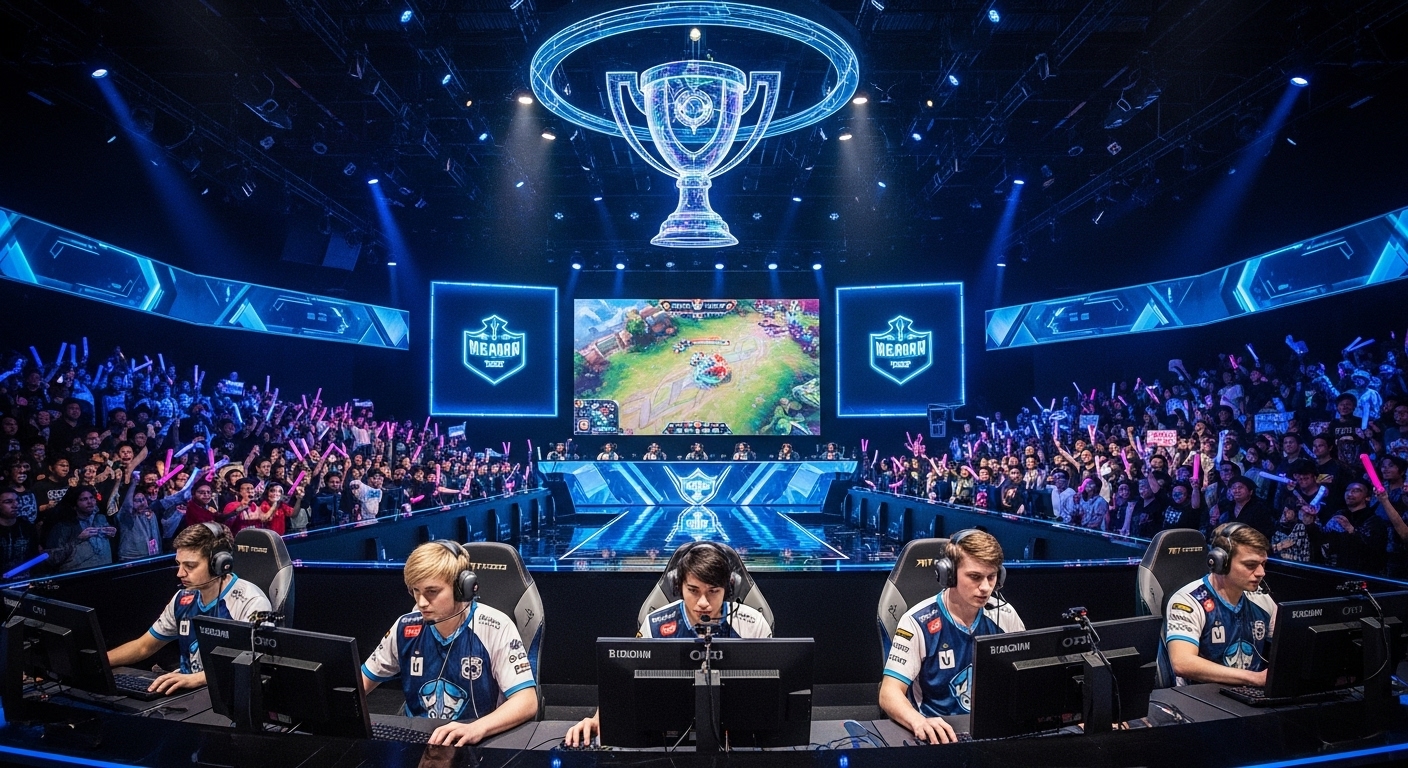
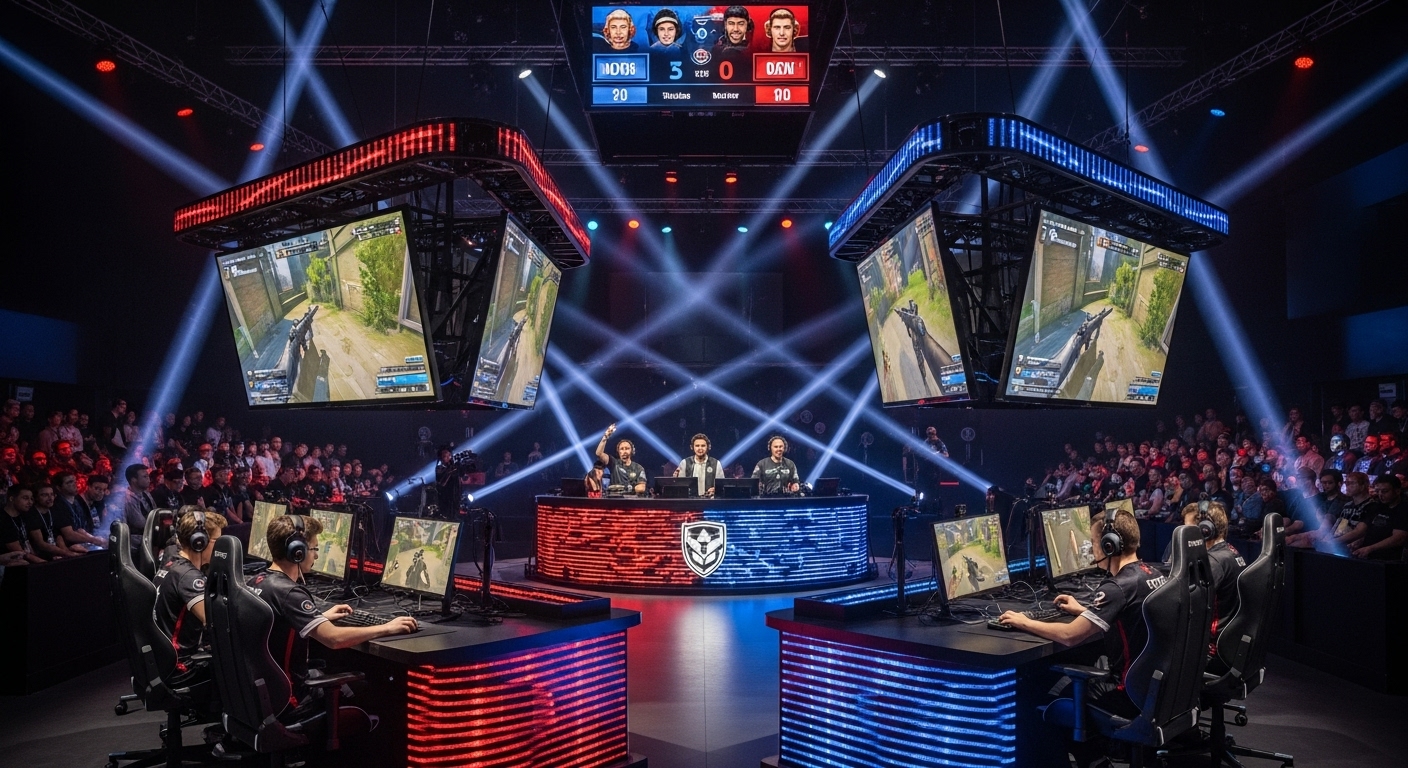
Esports, short for electronic sports, has transformed from a niche pastime into a global phenomenon. Once confined to small gaming communities and internet cafes, it has now reached the level of mainstream entertainment. Professional players fill stadiums, tournaments offer multi-million-dollar prize pools, and streaming platforms attract audiences that rival traditional sports broadcasts. What was once a subculture is now part of the global cultural fabric.
This blog post will take you on a journey through the evolution of esports, the technological and cultural shifts that fueled its growth, and the factors that solidified its place in mainstream entertainment.
The Humble Beginnings
The story of esports dates back to the early days of video games. In the 1970s, competitive gaming was more of a novelty than a profession. The first recorded video game competition happened in 1972 at Stanford University, where students competed in Spacewar! for a year’s subscription to Rolling Stone magazine.
By the 1980s, arcade competitions and console high-score battles became popular. Players competed to set records in games like Pac-Man and Donkey Kong. Magazines such as Twin Galaxies documented high scores, creating a sense of community around competition.
However, the concept of professional gaming was still distant. Competitions were casual, with little money at stake. Esports had yet to find its true identity.
The Rise of PC and Online Gaming
The 1990s marked a turning point. The rise of personal computers and the internet brought multiplayer gaming to a new level. Titles like Doom, Quake, and StarCraft allowed players to face each other across networks. LAN parties became a phenomenon, where groups of friends would connect their computers to compete late into the night.
StarCraft, in particular, set the foundation for esports in South Korea. The country embraced the game to the extent that professional leagues formed, broadcast live on television. Players like Lim “BoxeR” Yo-hwan became household names, and fans packed stadiums to watch matches. South Korea effectively became the birthplace of modern esports.
In the West, games like Counter-Strike and Warcraft III gained traction, building communities around competitive play. While not as mainstream as in Asia, these games laid the groundwork for global esports growth.
The Role of Technology
Esports’ rise is closely tied to advances in technology. Without the infrastructure to support large-scale online play, high-definition streaming, and global connectivity, it would never have reached mainstream recognition.
- Broadband Internet: Faster connections allowed smoother online multiplayer experiences. Lag, once a crippling issue, became manageable.
- Streaming Platforms: Services like Twitch and YouTube Gaming revolutionized esports by making it easy to watch competitions from anywhere in the world. Fans no longer needed to be physically present in an arena.
- Gaming Hardware: Powerful PCs, consoles, and gaming peripherals improved gameplay quality and allowed players to compete at the highest levels.
- Social Media: Platforms like Twitter, Instagram, and TikTok gave players and teams direct access to fans, building massive online communities.
These technological shifts removed barriers between players and spectators, making esports accessible to a global audience.
The Explosion of Esports Titles
One of the main reasons esports grew into a mainstream phenomenon is the variety of games that support competitive play. Different genres attracted diverse audiences:
- First-Person Shooters (FPS): Counter-Strike: Global Offensive, Call of Duty, and Overwatch became staples for action-packed competition.
- Multiplayer Online Battle Arenas (MOBAs): League of Legends and Dota 2 redefined competitive gaming with strategy-heavy, team-based gameplay.
- Sports Simulations: Titles like FIFA and NBA 2K brought traditional sports fans into esports.
- Battle Royales: Games such as Fortnite introduced younger audiences to the world of competitive gaming.
Each of these titles built loyal fanbases, and developers supported them with tournaments, leagues, and live events. The diversity of genres ensured esports appealed to a wide range of players and spectators.
Prize Pools and Financial Growth
Esports wouldn’t be mainstream without its staggering financial growth. Prize pools have skyrocketed over the years.
- In 1997, the Red Annihilation Quake tournament awarded a used Ferrari as its grand prize.
- By 2011, The International, Dota 2’s world championship, offered $1.6 million in prizes.
- In 2019, The International’s prize pool surpassed $34 million, with the winning team earning over $15 million.
Sponsors and advertisers quickly recognized the potential of reaching young, tech-savvy audiences. Companies like Intel, Red Bull, and Coca-Cola invested heavily in esports, funding tournaments and sponsoring teams. This influx of money not only legitimized esports but also gave professional players the financial security to pursue gaming as a full-time career.
Streaming and Accessibility
Perhaps the single most important factor in esports going mainstream is streaming. Platforms like Twitch turned esports into a spectator-friendly activity. Unlike traditional sports, fans can interact directly with players during streams, creating a sense of intimacy and community.
The accessibility of streaming meant fans from anywhere in the world could watch high-level matches for free. A teenager in Brazil could follow the same League of Legends match as a professional in Europe or a fan in the U.S. The global reach of streaming democratized esports, making it more inclusive and widespread.
The Spectacle of Esports Events
Esports events are now grand spectacles rivaling traditional sports tournaments. Major events are hosted in world-class venues, complete with elaborate stage designs, light shows, and live commentary.
For instance, the League of Legends World Championship is staged like a music festival, with live performances, celebrity appearances, and jaw-dropping production value. In 2017, the event filled Beijing’s Bird’s Nest Stadium, a venue built for the Olympics.
These events also attract massive online audiences. The 2018 League of Legends World Championship final drew more than 100 million viewers, surpassing the Super Bowl in global reach.
Cultural Acceptance and Mainstream Media
Esports began appearing in mainstream media, further legitimizing its role in popular culture. Major networks like ESPN, BBC, and TBS have broadcast esports tournaments. Documentaries on Netflix and YouTube chronicle the lives of professional players, bringing esports closer to audiences unfamiliar with gaming.
Universities began offering esports scholarships, treating competitive gaming with the same respect as traditional athletics. Professional athletes, celebrities, and musicians invested in esports teams, bridging the gap between sports and gaming.
Even the International Olympic Committee has explored incorporating esports into the Olympics, signaling its global acceptance.
The Role of Community
Esports is unique because it is deeply rooted in community-driven culture. Unlike traditional sports, which often operate top-down, esports grew from grassroots efforts. Fans organized tournaments, players streamed for audiences, and communities on forums and social media helped games gain traction.
This bottom-up growth ensured that esports reflected the interests of the players and fans, creating a sense of authenticity. Communities like Reddit, Discord servers, and fan-run websites continue to drive discussions and innovations in the industry.
The Rise of Professional Players
Another aspect of esports’ mainstream growth is the celebrity status of professional players. Athletes like Faker (League of Legends), s1mple (Counter-Strike), and Ninja (Fortnite) became icons, not just within gaming but in broader popular culture.
These players amassed millions of followers across social media, streamed regularly, and even appeared in advertisements for major brands. They became role models for aspiring gamers, just as athletes like LeBron James or Lionel Messi inspire young athletes in traditional sports.
Challenges Along the Way
Despite its meteoric rise, esports has faced challenges.
- Player Burnout: The intense practice schedules and constant travel take a toll on players’ mental and physical health.
- Cheating and Integrity Issues: From performance-enhancing drugs to hacking software, esports had to battle credibility issues.
- Regulation: Unlike traditional sports governed by unified bodies, esports is fragmented, with each game controlled by its developer.
- Public Perception: Some skeptics still question whether esports qualifies as a “real sport.”
Over time, however, the industry has worked to address these challenges through better player support, stricter tournament regulations, and advocacy for recognition.
The Impact of COVID-19
The COVID-19 pandemic accelerated esports’ growth. While traditional sports leagues shut down, esports thrived in the digital space. Events shifted online, and viewership surged. Fans who couldn’t watch traditional sports turned to esports as a source of entertainment.
This period highlighted esports’ resilience and adaptability. It cemented its role as a form of entertainment that doesn’t rely on physical venues or large gatherings.
Esports and Education
Esports is also reshaping education. Schools and universities around the world are introducing esports programs, not only to train professional players but also to teach skills like teamwork, strategy, and digital literacy. Some institutions have esports arenas on campus, treating it with the same seriousness as basketball or football.
Scholarships for esports players are now common, further legitimizing competitive gaming as a career path.
Global Reach and Cultural Diversity
Esports is a truly global phenomenon. Unlike many traditional sports that are concentrated in specific regions, esports has fanbases everywhere.
- South Korea remains a powerhouse, particularly in games like StarCraft and League of Legends.
- China has massive audiences and government support for gaming.
- North America leads in sponsorship deals and team organizations.
- Europe fosters competitive scenes in multiple titles, from CS:GO to Rocket League.
- Emerging markets in Africa, the Middle East, and South America are rapidly growing in player numbers and viewership.
This global diversity ensures that esports will continue to evolve and expand.
The Future of Esports
Looking ahead, esports shows no signs of slowing down. Advances in technology such as virtual reality, augmented reality, and artificial intelligence may reshape the competitive landscape. The integration of esports into mainstream media, sports, and education will further solidify its position.
We can expect even larger prize pools, more celebrity involvement, and deeper cultural integration. As younger generations grow up with esports as part of their daily lives, its role in society will only become more prominent.
Conclusion
Esports’ journey from a niche subculture to a mainstream phenomenon is nothing short of remarkable. Fueled by technology, community passion, and global connectivity, it has grown into an industry that rivals traditional sports and entertainment.
What makes esports unique is its accessibility. Anyone with a computer or console can participate, and anyone with an internet connection can watch. It is inclusive, global, and constantly evolving.