Esports, or competitive gaming, has rapidly grown from a niche hobby into a global phenomenon that rivals traditional sports and entertainment. What was once a pastime for a few passionate gamers has now become one of the most influential forces in modern pop culture. From music and fashion to film, education, and even mainstream sports, esports is shaping the way society views entertainment, identity, and digital connection.
In this blog, we’ll dive into how esports has integrated itself into pop culture, the ways it impacts communities around the world, and why it has become more than just “video games.”
The Evolution of Esports into Pop Culture
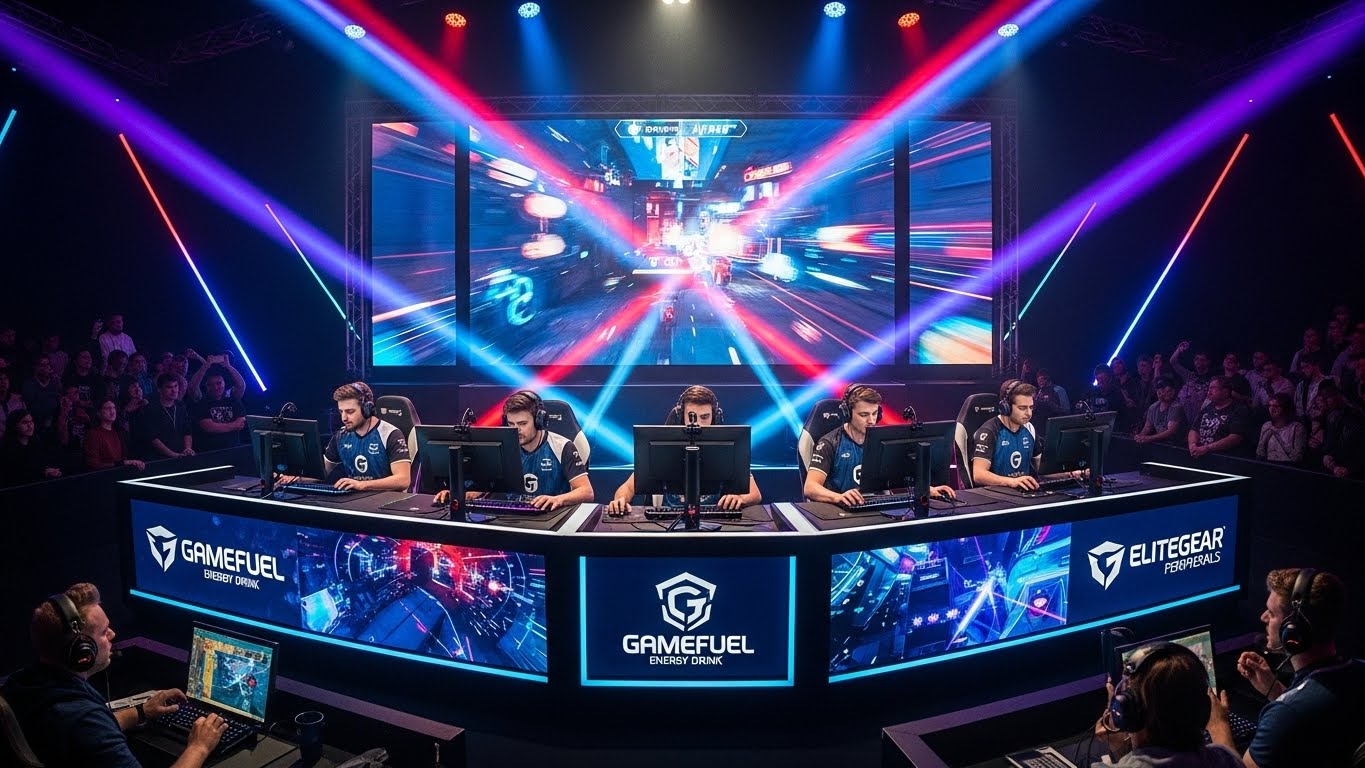
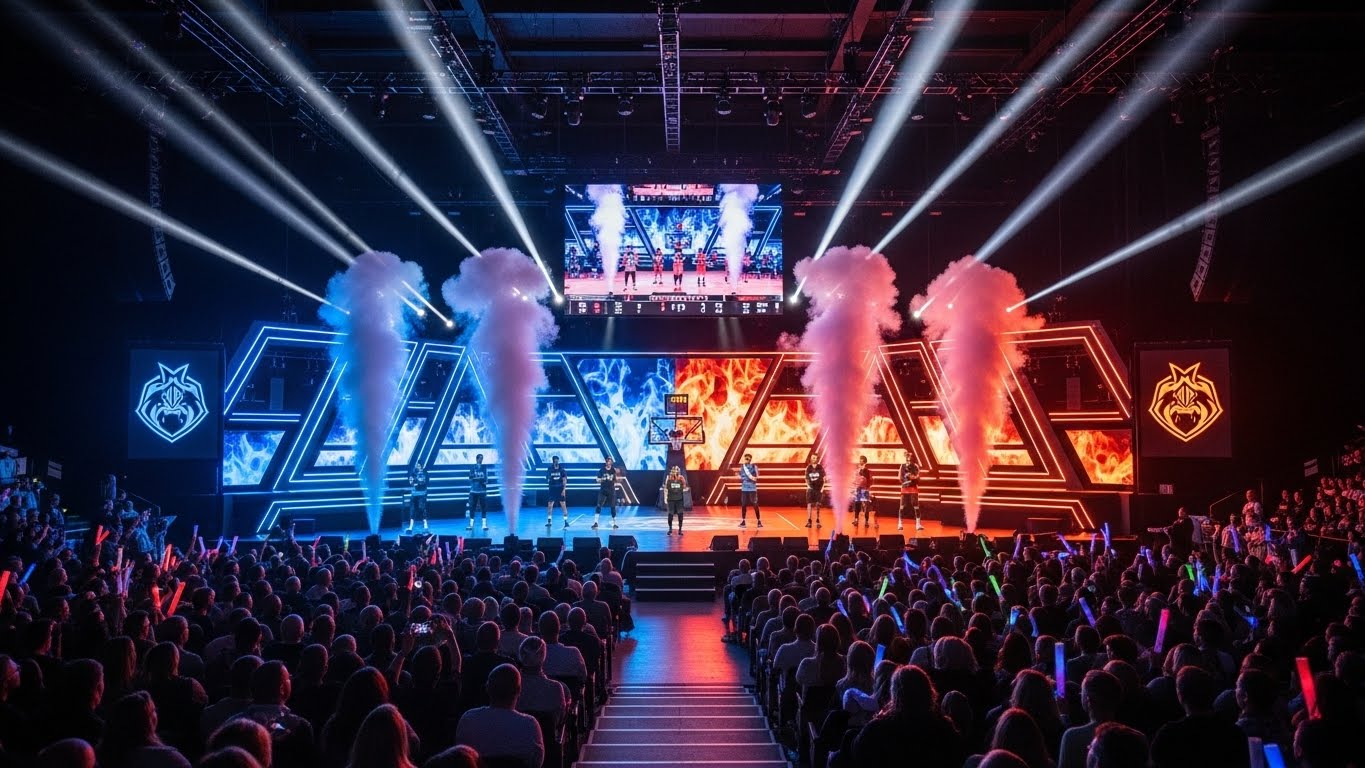
The story of esports is a story of transformation. In the 1990s, gaming competitions were mostly small-scale events held in arcades, internet cafés, or local gatherings. Few outside the gaming community even noticed them. Fast forward to today, and esports fills massive arenas, streams to millions online, and attracts sponsorships from major brands.
This evolution parallels the rise of internet culture, live streaming, and the growing legitimacy of gaming as both entertainment and career. Today, esports isn’t a side note in pop culture—it’s a central character.
Gaming as Entertainment Beyond Play
Pop culture thrives on shared experiences. Esports provides exactly that. Millions tune in to watch major tournaments like The International (Dota 2), League of Legends Worlds, or CS:GO Majors. These events are treated with the same hype and fanfare as the World Cup or the Super Bowl.
Streaming platforms such as Twitch and YouTube Gaming have also made watching games as popular as playing them. Personalities like Ninja, Faker, and Pokimane have become celebrities, not just in gaming circles but in mainstream pop culture as well.
Celebrities and Esports: A Mutual Attraction
The merging of traditional celebrity culture with esports has accelerated its growth. Musicians, actors, and athletes have all dipped into the gaming world.
- Rappers and pop stars often appear in gaming streams or sponsor esports teams.
- Sports athletes like Shaquille O’Neal and David Beckham have invested in esports organizations.
- Movie stars have made cameo appearances in gaming events or voiced characters in esports-related games.
This crossover works both ways. Gamers gain mainstream recognition, while celebrities access younger, digitally savvy audiences.
Esports and Fashion
Fashion is one of the most visible symbols of pop culture, and esports has left a clear mark here.
Brands like Nike, Adidas, and Puma have partnered with esports organizations to create gaming apparel. Jerseys, hoodies, and sneakers inspired by gaming teams are now everyday wear for fans. Streetwear brands also embrace esports themes, often using game-inspired visuals in their designs.
This shift shows that esports is not just about gameplay—it’s a lifestyle, a culture that people want to wear proudly.
Music and Esports Collide
Music has always been tied to culture, and esports is no exception. Major tournaments often feature live performances from global music stars. For instance, League of Legends Worlds regularly includes themed songs, music videos, and collaborations with artists across genres.
Game soundtracks themselves have also influenced pop culture. Songs tied to esports events often trend globally, showing that music and gaming now share cultural space.
Additionally, DJs and producers often stream games, building new fan bases through crossover entertainment. This blending keeps esports firmly embedded in the cultural mainstream.
Esports and Film/TV
Pop culture today is heavily shaped by visual media. Esports has made its way into films, documentaries, and television. Movies like Free Guy, series like Arcane, and documentaries on platforms like Netflix showcase gaming culture and competitive play.
These productions not only entertain but also help non-gamers understand the appeal of esports. They provide legitimacy and make gaming accessible to a broader audience.
Esports Memes and Internet Culture
Pop culture is inseparable from memes, and gaming has been a fertile ground for them. From funny in-game clips to viral esports moments, memes from tournaments often dominate social media timelines.
Memes turn niche esports events into global talking points. They create inside jokes that spread beyond gaming communities, proving how esports influences online humor, language, and expression.
Esports in Education and Career Paths
Modern pop culture also includes aspirations and career identities. Esports has opened new doors for young people, both as players and professionals in related fields.
Schools and universities now offer scholarships for esports athletes. Degrees in esports management, production, and broadcasting are becoming more common. This shows how gaming has transitioned from “just a hobby” to a serious cultural and career pursuit.
Inspiring stories of players who built careers through gaming reflect pop culture’s broader values of passion, hustle, and digital opportunity.
Mainstream Sports and Esports Connections
Traditional sports and esports increasingly overlap. Major sports organizations own or sponsor esports teams. The NBA, NFL, and FIFA all host their own esports leagues.
For younger audiences, esports sometimes feels more relatable than traditional sports. Players are often close in age, interact directly with fans online, and represent a digital-native lifestyle.
This blend ensures esports will remain part of the global sports conversation, influencing how pop culture views competition and fandom.
Esports and Social Media Influence
Social media is the engine of modern pop culture, and esports thrives in this environment. Platforms like TikTok, Twitter, and Instagram amplify gaming clips, create viral trends, and connect fans directly with their favorite players.
Gamers often become influencers whose opinions, fashion, and lifestyle choices shape cultural trends. The accessibility of esports stars—who often stream daily and interact live with fans—makes them even more influential than many traditional celebrities.
Representation and Diversity in Esports Culture
Pop culture often reflects societal change, and esports plays an important role here. Efforts toward inclusivity in gaming—supporting women, LGBTQ+ players, and players from underrepresented regions—mirror broader cultural shifts toward diversity and acceptance.
Communities rally behind diverse teams and personalities, celebrating the breaking of stereotypes in gaming. This helps esports serve not only as entertainment but also as a cultural movement pushing boundaries.
Esports as a Global Cultural Connector
Few forms of entertainment connect people across countries as effortlessly as esports. Gamers in Korea, Europe, North America, and Africa can all watch the same tournament simultaneously. Commentary in multiple languages and global streaming platforms ensure inclusivity.
This global reach reinforces esports as a key part of modern culture—something people across nations recognize and share, just like blockbuster films or major sporting events.
Branding and Consumer Culture
Pop culture is also tied to branding and consumerism. Esports teams have become brands of their own, with fan merchandise, lifestyle products, and digital content.
Big brands see esports as a gateway to younger audiences. Partnerships with beverage companies, tech firms, and even luxury brands demonstrate esports’ ability to influence consumer habits and desires.
The result is that esports players and teams are no longer just competitors—they are cultural icons and influencers.
Esports and Identity
Modern pop culture emphasizes identity and self-expression. For many young people, being a gamer or supporting an esports team is part of who they are.
Profile pictures, online tags, and fashion choices often reflect esports fandom. Social groups form around shared gaming interests, much like they do with music or film fandoms.
Esports provides a sense of belonging, reinforcing its cultural importance.
Challenges in Pop Culture Integration
Despite its success, esports still faces challenges in pop culture. Stereotypes about gaming, concerns over screen time, and debates about whether esports should be classified as “real sports” remain ongoing.
However, these debates only highlight how central esports has become. Like rock music or hip-hop in their early years, esports faces skepticism before full cultural acceptance. The difference is that esports is moving at digital speed, and acceptance is accelerating.
Esports as a Cultural Equalizer
One of the most fascinating aspects of esports in pop culture is its ability to cut across social and economic divides. A player with a basic computer and internet access can compete and eventually rise to the world stage.
This accessibility mirrors broader cultural values of opportunity and digital freedom. It also ensures esports will remain culturally relevant, especially for younger generations.
The Future of Esports in Pop Culture
Looking forward, esports is poised to expand its role in pop culture even further. We may see:
- More collaborations with film, music, and fashion.
- Greater acceptance in education and professional careers.
- Virtual reality and augmented reality reshaping the viewing experience.
- Esports stars achieving household-name status globally.
Esports will continue to evolve as both entertainment and cultural expression. Its influence on how we define fame, community, and digital interaction will only grow stronger.
Conclusion
Esports is no longer just about playing games. It has become a global cultural movement that shapes how people dress, what music they listen to, how they connect online, and even what careers they aspire to.
From fashion brands and music collaborations to memes, social media, and mainstream sports, esports is deeply embedded in modern pop culture. It reflects the values of today’s society: connectivity, diversity, creativity, and passion.