Introduction: The Digital Arena Comes of Age
Esports is no longer a niche hobby confined to bedrooms and internet cafés. It has evolved into a global competitive phenomenon that rivals traditional sports in viewership, prize money, and cultural influence. From packed arenas filled with cheering fans to millions of viewers tuning in online, esports has transformed gaming into a professional, high-stakes industry. What makes esports especially compelling is not just the competition, but the ecosystem surrounding it: players, teams, sponsors, fans, technology, and media all working together to shape a modern form of entertainment.
This blog explores how esports has grown into a powerful industry, the structure behind competitive gaming, the opportunities it offers, and why it represents the future of digital competition.
The Evolution of Esports: From Casual Play to Global Spectacle
Competitive gaming has existed for decades, but its early days were modest. Small tournaments, limited audiences, and minimal financial incentives defined the scene. As internet connectivity improved and gaming technology advanced, competition became more accessible and more visible. Multiplayer games introduced ranking systems, matchmaking, and spectator modes, laying the foundation for organized esports.
Over time, developers began designing games with competition in mind. Balanced mechanics, regular updates, and professional leagues turned games into long-term competitive platforms. What was once informal competition among friends evolved into structured tournaments with professional standards, coaches, analysts, and referees.
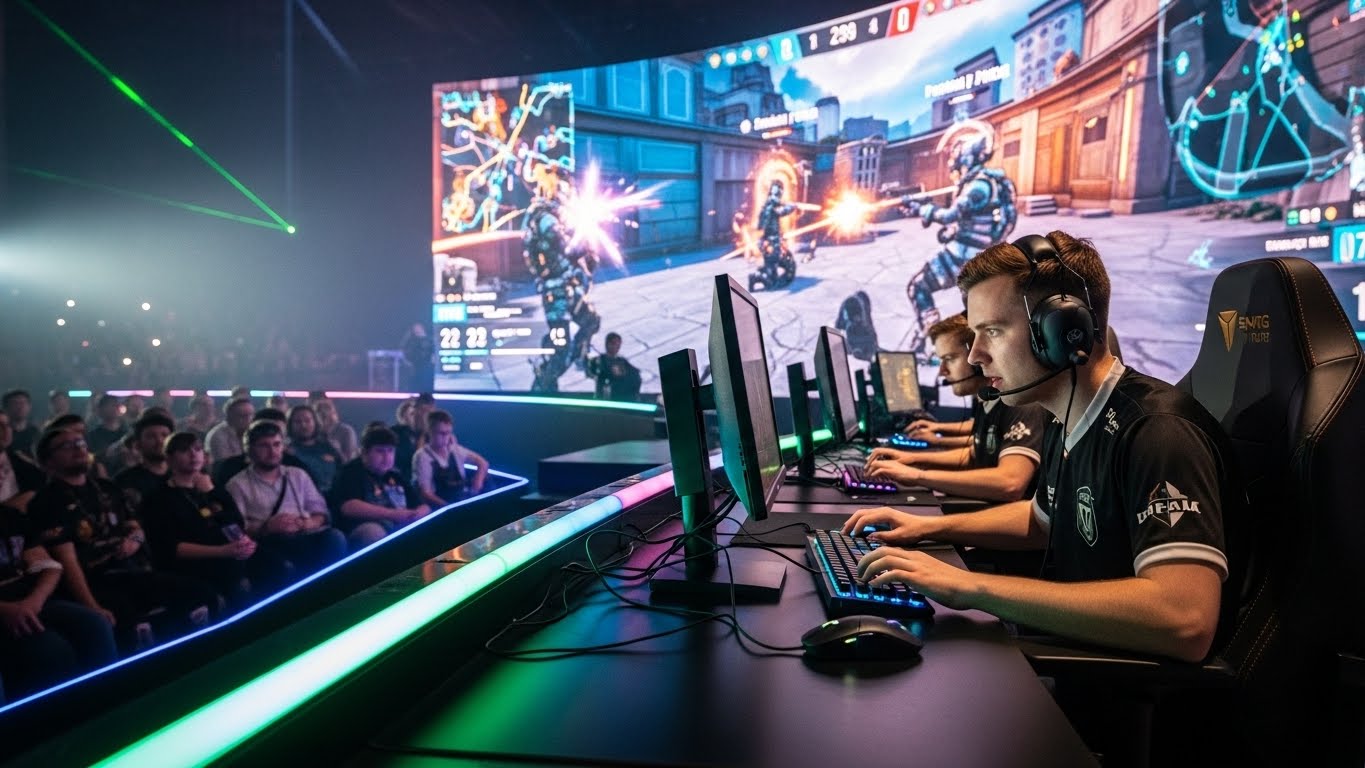
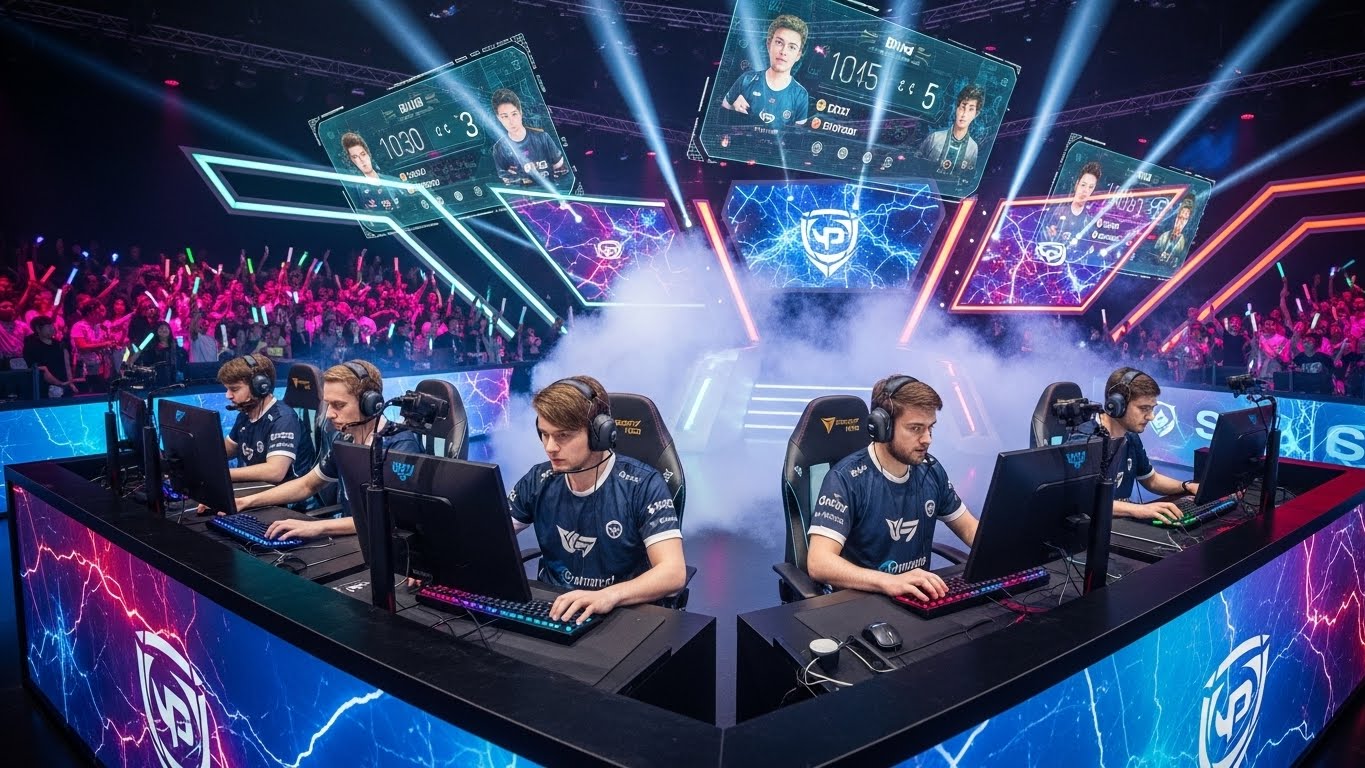
Today, esports events are produced with the same level of polish as major sports broadcasts, complete with commentary, analysis, player interviews, and live audiences.
What Defines Esports as a Sport?
The debate over whether esports qualifies as a sport often centers on physical activity. While esports does not require traditional athletic movement, it demands exceptional hand-eye coordination, reaction speed, strategic thinking, teamwork, and mental endurance. Professional players train for hours daily, studying opponents, refining tactics, and maintaining peak performance under pressure.
Esports competition follows clear rules, standardized formats, and ranking systems. Players compete in leagues, seasons, and championships, just like traditional sports. The emphasis on discipline, preparation, and consistency places esports firmly within the realm of competitive sport, albeit in a digital form.
Popular Esports Genres and Their Competitive Appeal
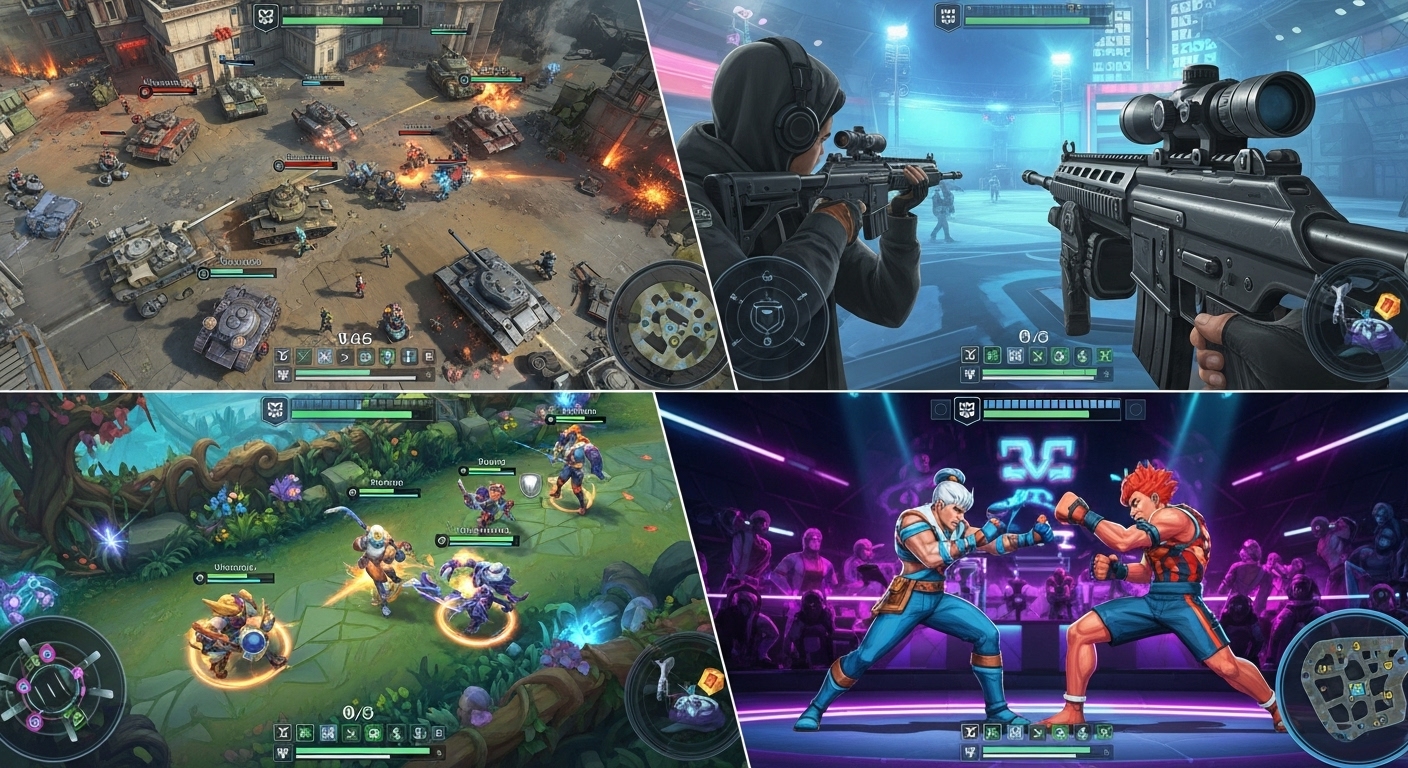
Esports spans multiple game genres, each offering a unique competitive experience. First-person shooters emphasize precision, reflexes, and teamwork. Multiplayer online battle arenas focus on strategy, coordination, and adaptability. Real-time strategy games demand deep planning and rapid decision-making. Sports simulation games bridge the gap between traditional athletics and gaming.
The diversity of genres allows esports to attract a wide range of players and audiences. Whether someone enjoys fast-paced action or slow-burning strategy, there is a competitive scene that caters to their interests. This variety is one of esports’ greatest strengths, enabling continuous growth and innovation.
The Professional Esports Player Lifestyle
Becoming a professional esports player requires more than raw talent. It involves structured practice schedules, physical conditioning, mental training, and constant performance evaluation. Many players live in team houses or training facilities where they practice together, review gameplay footage, and develop strategies.
The pressure to perform is intense. Careers can be short, competition is fierce, and the margin between success and failure is often razor-thin. Despite these challenges, the rewards can be significant, including tournament winnings, salaries, sponsorships, and global recognition.
Equally important is player well-being. The industry is increasingly recognizing the need for balanced routines, mental health support, and career planning beyond competitive play.
Teams, Organizations, and the Business of Esports
Behind every successful esports player is an organization managing contracts, branding, sponsorships, and logistics. Esports teams operate much like traditional sports franchises, with owners, managers, coaches, and support staff.
Revenue comes from multiple sources, including sponsorships, media rights, merchandise, ticket sales, and in-game partnerships. Brands are drawn to esports because of its young, engaged, and tech-savvy audience. This commercial interest has fueled rapid industry expansion and increased professionalism.
As the business side matures, organizations are investing in long-term sustainability, talent development, and community engagement.
Esports as a Career Beyond Playing
While professional players receive the most attention, esports offers a wide range of career opportunities beyond competition. Coaching, analysis, broadcasting, event management, marketing, content creation, and game development all play vital roles in the ecosystem.
Educational institutions are beginning to recognize esports as a legitimate field of study, offering programs related to game design, esports management, and digital media. These pathways provide aspiring professionals with the skills needed to work in the industry without being elite-level players.
This expanding career landscape makes esports an inclusive industry with opportunities for diverse talents and interests.
The Role of Technology in Esports Growth
Technology is the backbone of esports. High-performance gaming hardware, fast internet connections, streaming platforms, and advanced software tools make large-scale competition possible. Innovations in virtual reality, augmented reality, and artificial intelligence are poised to further enhance the esports experience.
Spectator technology has also evolved, allowing fans to view matches from multiple perspectives, access real-time statistics, and interact with broadcasts. This level of engagement deepens fan loyalty and transforms viewing into an interactive experience.
As technology continues to advance, esports will become even more immersive and accessible.
Esports and Global Culture
Esports transcends geographical boundaries. Players from different countries compete on the same stage, creating a truly global community. International tournaments foster cultural exchange and unite fans around shared passions.
The influence of esports extends into fashion, music, and social media, shaping trends and redefining celebrity in the digital age. Esports athletes and content creators often have massive followings, influencing how younger generations consume entertainment and connect with communities.
This cultural impact highlights esports as more than competition; it is a defining element of modern digital culture.
Challenges Facing the Esports Industry
Despite its success, esports faces challenges that must be addressed for long-term stability. Issues such as player burnout, inconsistent regulations, match integrity, and financial sustainability require careful management.
Standardizing governance across regions and games remains complex, as publishers often control competitive structures. Ensuring fair treatment of players and transparency within organizations is essential to maintaining trust and credibility.
Addressing these challenges will determine how effectively esports can transition from rapid growth to sustained maturity.
The Future of Esports
The future of esports is filled with potential. Continued integration with mainstream media, increased recognition from educational institutions, and broader acceptance by traditional sports organizations signal a promising trajectory.
As audiences grow and technology evolves, esports will likely become even more immersive, inclusive, and influential. New games, formats, and innovations will keep the industry dynamic, ensuring its relevance for years to come.
Esports is not a passing trend. It is a reflection of how competition, entertainment, and community are evolving in the digital era.
Conclusion: A New Era of Competition
Esports represents a fundamental shift in how people compete, connect, and create careers. It combines the intensity of sport with the creativity of gaming and the reach of digital media. For players, fans, and professionals alike, esports offers opportunities that extend far beyond the screen.
As the industry continues to grow and refine itself, one thing is clear: esports is shaping the future of global competition, and its impact is only just beginning.