Introduction: The Rise of a Digital Arena
In the past few decades, the concept of competition has undergone a dramatic transformation. What once revolved around physical arenas, stadium crowds, and traditional athleticism has expanded into the digital world. Esports, or electronic sports, has emerged as one of the fastest-growing competitive industries globally. What began as casual gaming among friends has evolved into a billion-dollar ecosystem featuring professional players, global tournaments, passionate fans, and corporate sponsorships. Esports is no longer a niche interest; it is a cultural and economic force reshaping entertainment, sports, and technology.
Understanding Esports: More Than Just Playing Games
Esports refers to organized, competitive video gaming where individuals or teams compete against each other in structured tournaments. Unlike casual gaming, esports demands strategic thinking, precise coordination, lightning-fast reflexes, and intense mental focus. Popular esports titles span multiple genres, including multiplayer online battle arenas, first-person shooters, real-time strategy games, and sports simulations. Each game requires a distinct skill set, making esports a diverse and complex competitive landscape.
Professional esports players often train for several hours a day, studying gameplay mechanics, analyzing opponents, and refining team strategies. This level of dedication challenges the outdated perception that gaming lacks discipline or seriousness. Esports competitors function much like traditional athletes, except their battlefield exists in a virtual environment.
The Evolution of Esports Culture
The journey of esports from small gatherings to massive global events has been remarkable. Early competitions were held in local gaming centers or small conventions, with limited audiences and minimal prize money. Over time, advancements in internet connectivity and live streaming technology enabled fans from around the world to watch matches in real time.
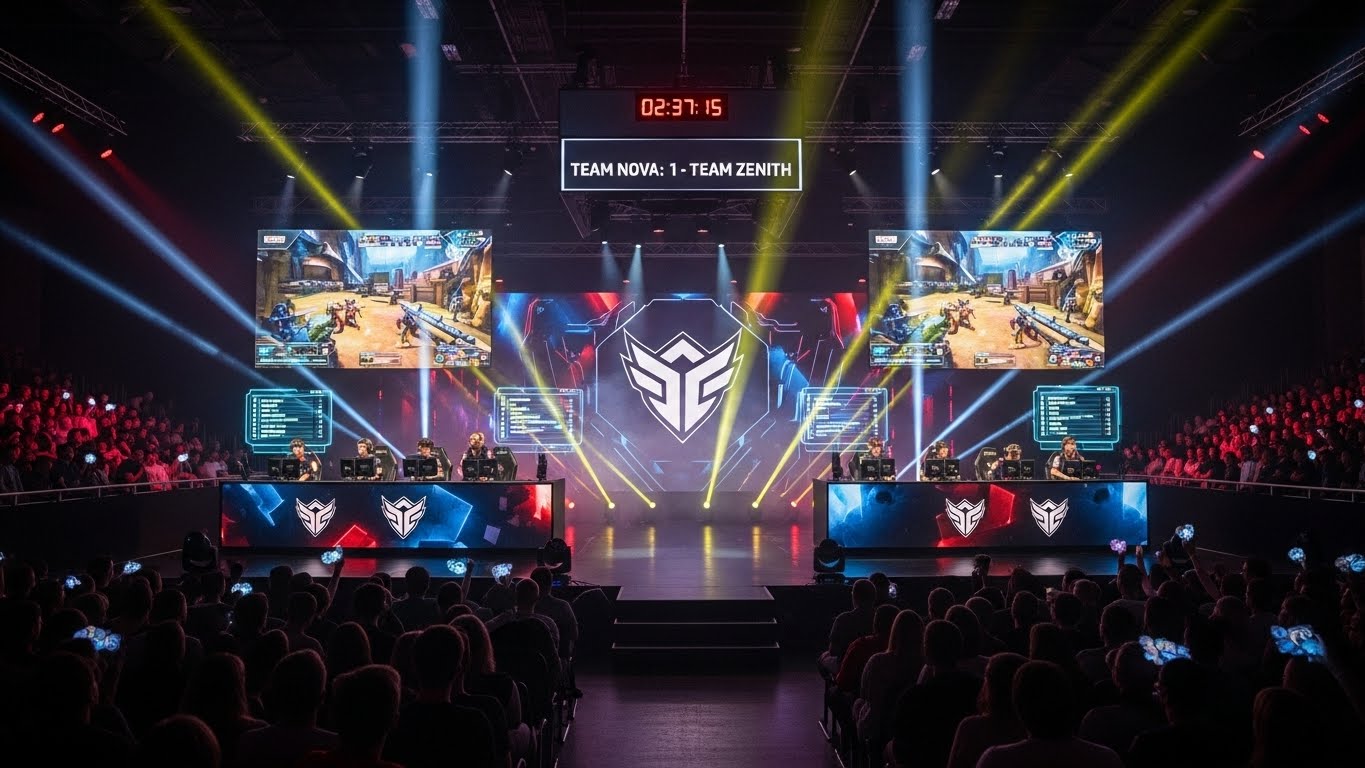
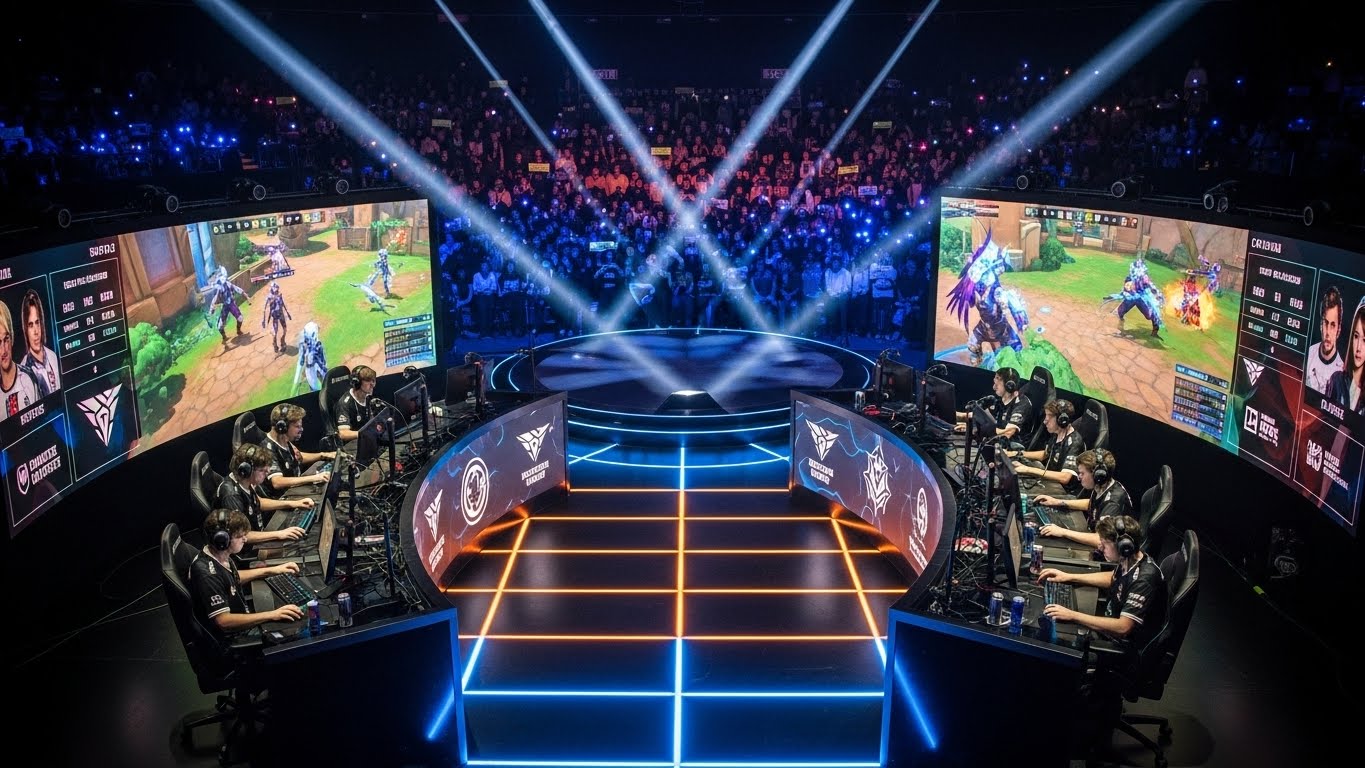
Today, major esports tournaments fill large arenas and attract millions of online viewers. Fans follow their favorite teams with loyalty comparable to traditional sports fandom. Esports culture includes merchandise, team branding, fan art, community forums, and social media engagement, creating a deeply connected global community.
The Professional Esports Ecosystem
The esports industry operates within a sophisticated ecosystem involving players, teams, coaches, analysts, event organizers, sponsors, broadcasters, and game developers. Professional teams function like sports franchises, complete with management staff, training facilities, and performance analytics.
Players sign contracts, earn salaries, and receive prize winnings from tournaments. In addition to competitive play, many esports professionals generate income through streaming, brand partnerships, and content creation. This diversified income model makes esports careers more sustainable than ever before.
Esports and Technology: A Symbiotic Relationship
Technology is the backbone of esports. High-performance gaming hardware, advanced graphics engines, low-latency networks, and sophisticated software tools are essential for competitive play. Innovations in virtual reality, artificial intelligence, and cloud computing are further enhancing the esports experience.
Broadcasting technology has also evolved to provide immersive viewing experiences. Spectators can watch matches with real-time statistics, multiple camera angles, and expert commentary. These technological advancements make esports accessible to both hardcore fans and newcomers alike.
The Mental and Physical Demands of Esports
While esports may not require physical endurance in the traditional sense, it places immense demands on mental and physical well-being. Professional players must maintain exceptional hand-eye coordination, reaction speed, and cognitive flexibility. Long hours of practice can lead to fatigue, stress, and repetitive strain injuries if not managed properly.
To address these challenges, many teams employ sports psychologists, physical trainers, and nutritionists. Mental resilience, focus under pressure, and teamwork are critical factors that often determine success or failure in high-stakes competitions.
Esports as a Career Path
For many young people, esports represents a new and exciting career opportunity. Beyond playing professionally, the industry offers roles in coaching, event management, broadcasting, marketing, software development, and content creation. Universities and educational institutions are increasingly offering esports programs, scholarships, and dedicated facilities.
These developments signal growing recognition of esports as a legitimate profession. As the industry matures, structured career pathways are becoming clearer, making esports a viable option for individuals with diverse talents and interests.
Global Impact and Cultural Influence
Esports transcends geographical boundaries, bringing together players and fans from different cultures and backgrounds. International tournaments foster cross-cultural interaction and mutual appreciation, creating a shared global language through gaming.
The influence of esports extends beyond entertainment. It shapes fashion trends, music collaborations, and digital art styles. Esports personalities often become cultural icons, influencing millions of followers worldwide. This cultural reach positions esports as a powerful medium for storytelling and community building.
Challenges Facing the Esports Industry
Despite its rapid growth, esports faces several challenges. Issues such as player burnout, lack of standardized regulations, and concerns about fair play remain significant. The fast-paced nature of the industry can lead to instability, with teams and players facing uncertain futures.
Additionally, inclusivity and diversity continue to be areas requiring improvement. Efforts are being made to create safer, more welcoming environments for players of all genders and backgrounds. Addressing these challenges is essential for the long-term sustainability of esports.
The Future of Esports
The future of esports looks promising, with continued growth in audience size, investment, and innovation. Emerging technologies such as augmented reality and advanced data analytics are expected to further enhance both gameplay and viewing experiences.
Esports is also likely to integrate more closely with traditional sports and mainstream media. Collaborations between esports organizations and established sports institutions are already blurring the lines between physical and digital competition. As acceptance grows, esports may become a standard part of global sporting culture.
Conclusion: A New Definition of Competition
Esports represents a fundamental shift in how society defines competition, skill, and entertainment. It combines technology, creativity, strategy, and human ambition into a dynamic and evolving form of sport. What once existed on the fringes of gaming culture now commands global attention and respect.
As esports continues to grow, it challenges traditional assumptions and opens new possibilities for players, fans, and industries alike. Beyond the screen lies a world of passion, discipline, and innovation, proving that competition in the digital age is just as real, meaningful, and inspiring as any played on a physical field.