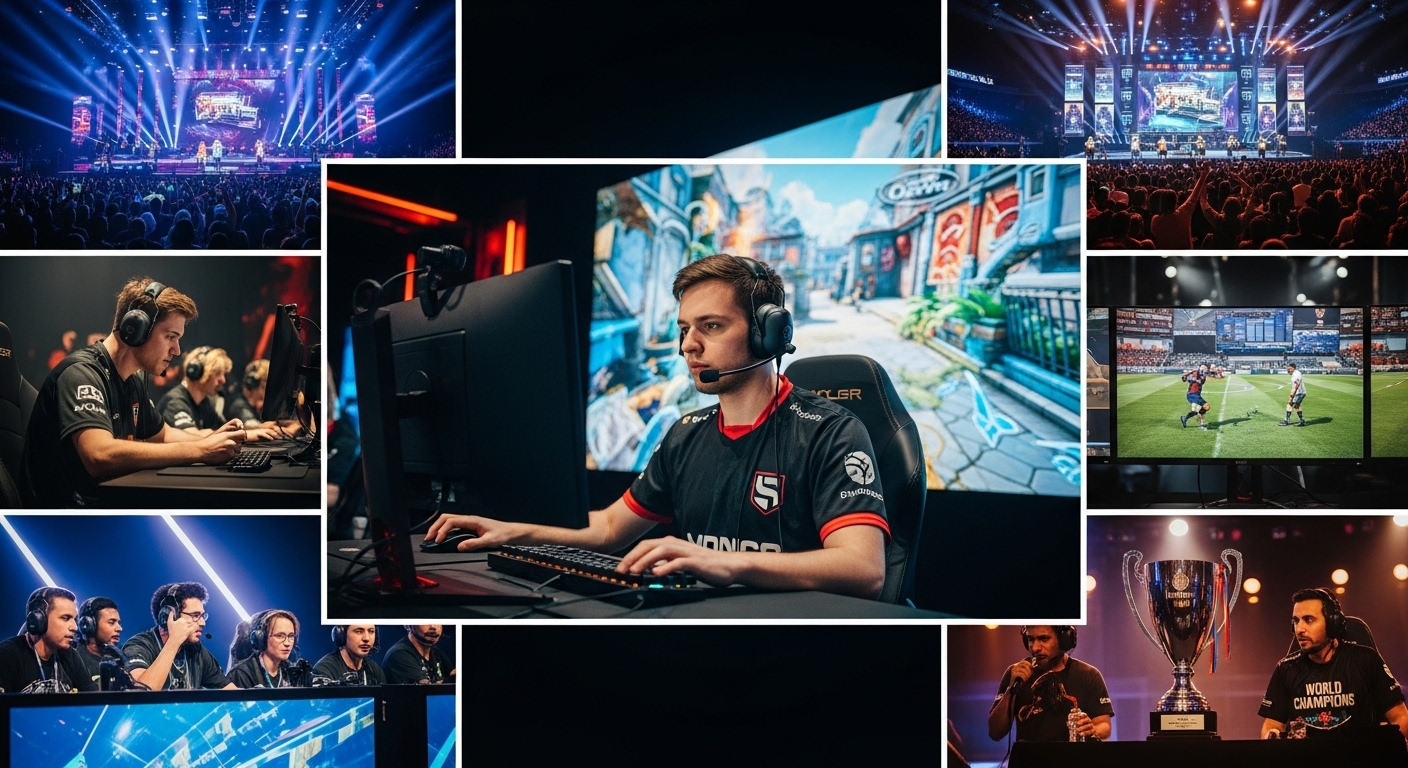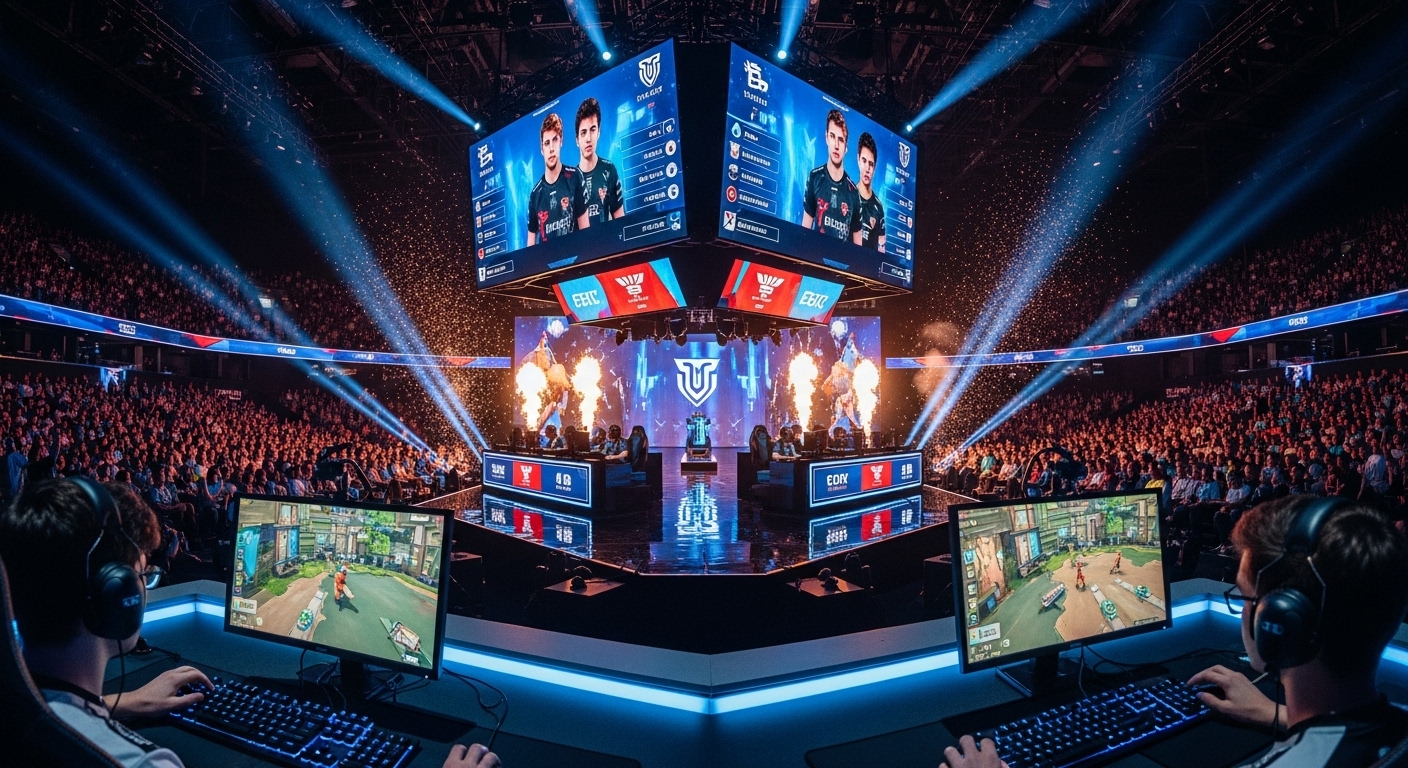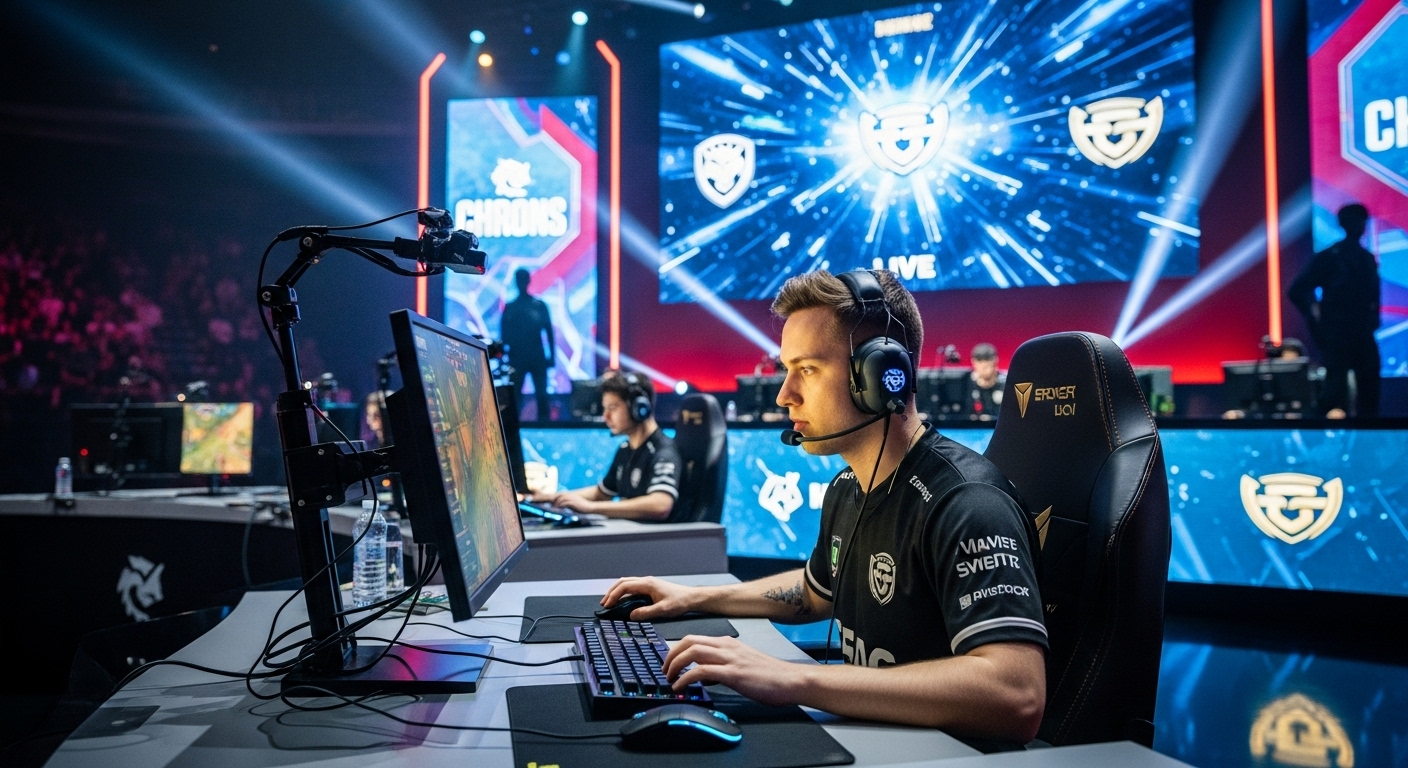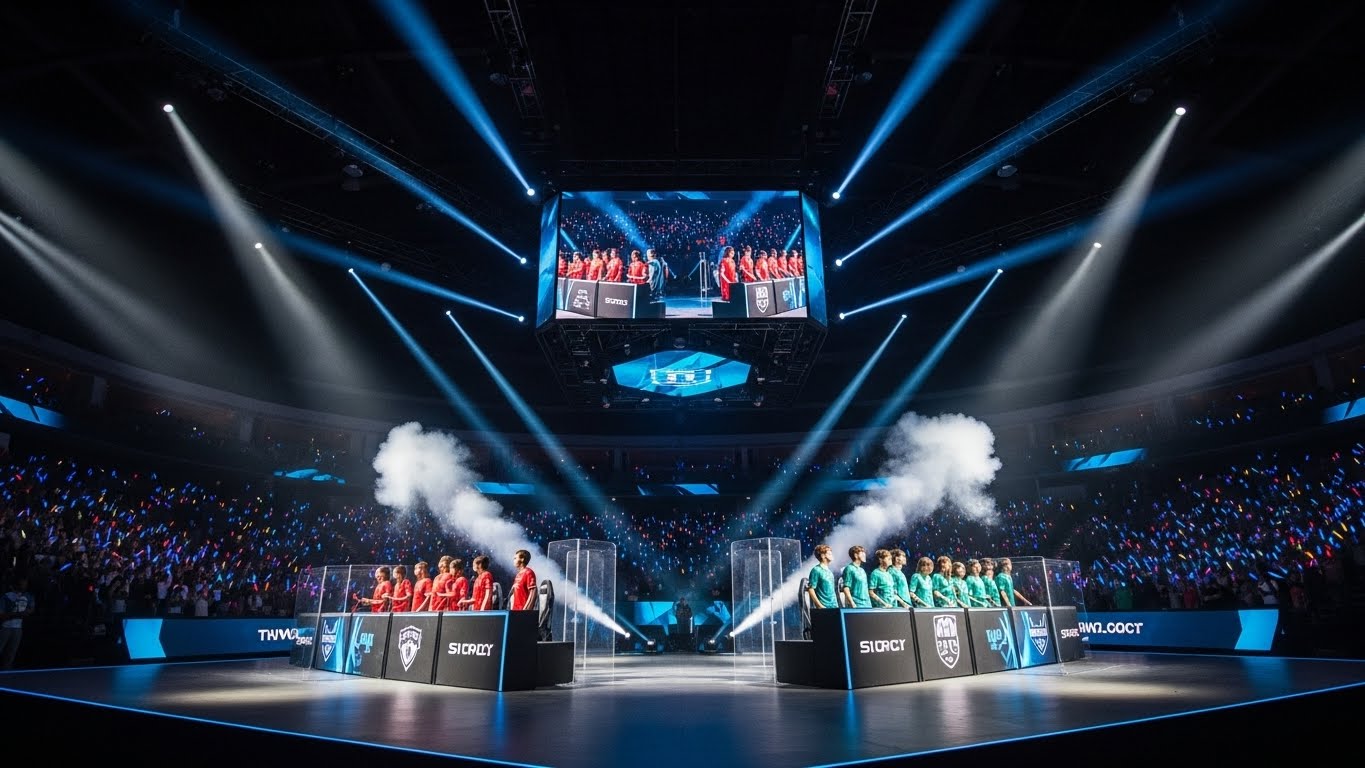
Esports has grown from a niche hobby into a global cultural and economic phenomenon. Competitive video gaming, once considered a pastime for enthusiasts, now attracts millions of viewers, professional players, and investors. Esports encompasses a wide range of games, from fast-paced shooters to strategic multiplayer battles, and has transformed the way we perceive competition, teamwork, and entertainment in the digital age. This blog explores the history, structure, cultural impact, and future of esports, illustrating why it has become one of the most influential industries of our time.
The Origins of Esports
The concept of competitive gaming dates back to the 1970s and 1980s, when arcade games were at the height of popularity. Players would compete for high scores in games like Pac-Man and Space Invaders, often earning local recognition for their skills. These early competitions, though informal, laid the groundwork for organized competitive gaming.
In the 1990s, competitive gaming began to take shape with the rise of home consoles and personal computers. Games like Street Fighter, Quake, and Warcraft introduced structured multiplayer formats and tournaments. The advent of online gaming in the early 2000s expanded the competitive scene globally, allowing players from different regions to compete against each other. This connectivity marked the beginning of modern esports.
The Professionalization of Esports
Esports began to gain legitimacy as an industry as tournaments, leagues, and professional teams emerged. Game developers and event organizers recognized the potential for organized competitions, creating structured leagues with clear rules and ranking systems. Teams began signing contracts with players, offering salaries and sponsorships.
Professional esports organizations operate similarly to traditional sports teams, employing coaches, analysts, and support staff. Players practice rigorously, sometimes up to 12 hours a day, refining strategies and mastering game mechanics. Major tournaments such as the League of Legends World Championship and The International in Dota 2 offer multi-million dollar prize pools, attracting the best talent from around the world.
Popular Esports Genres and Titles
Esports encompasses a wide range of game genres, each requiring different skills and strategies. First-person shooter games focus on precision, reflexes, and coordination. Multiplayer online battle arena games emphasize teamwork, strategy, and resource management. Fighting games test reaction time, timing, and technique, while sports simulation games replicate real-world athletic competitions.
Titles such as Counter-Strike, Call of Duty, League of Legends, Dota 2, Fortnite, and FIFA dominate the esports scene, each with its own professional leagues, tournaments, and fan bases. The diversity of genres allows esports to appeal to a broad audience and ensures that there is a place for different types of players and spectators.
Physical and Mental Demands of Competitive Gaming
Contrary to the perception that esports requires minimal physical effort, professional players face significant physical and mental demands. Hand-eye coordination, reflexes, and fine motor skills are critical for performance. Extended hours of practice necessitate proper posture, physical fitness, and exercises to prevent repetitive strain injuries.
The mental aspect is equally important. Players must process information rapidly, make split-second decisions, and adapt strategies in real-time. High-stakes tournaments can be psychologically intense, requiring focus, resilience, and stress management. Team-based games also demand communication, leadership, and collaborative problem-solving, making esports a highly demanding activity that trains both mind and body.
Training and Discipline in Esports
Professional esports players follow strict training regimens similar to athletes in traditional sports. Daily practice sessions include individual skill improvement, team coordination drills, strategy planning, and review of past matches to identify mistakes and optimize performance. Coaches and analysts provide insights on gameplay trends, opponent tendencies, and tactical innovations.
Discipline extends beyond gameplay. Maintaining a healthy lifestyle, including proper nutrition, exercise, and sleep, is essential for peak performance. Mental conditioning through visualization techniques, mindfulness, and stress management also helps players maintain consistency during competitions. This rigorous approach highlights that esports is a professional discipline requiring dedication and focus.
Streaming and Fan Engagement
The rise of streaming platforms has transformed esports into a spectator sport. Platforms like Twitch and YouTube Gaming allow fans to watch matches live, interact with players through chat, and experience events as if they were attending in person. Streaming has created a dynamic feedback loop between players and audiences, enhancing engagement and community building.
Content creation has become a central part of esports culture. Players, influencers, and professional teams share tutorials, highlights, and behind-the-scenes content, engaging fans and inspiring aspiring players. This direct interaction strengthens the connection between professional players and their communities, making esports more accessible and culturally significant.
Career Opportunities in Esports
Esports has created diverse career opportunities beyond playing professionally. Coaches guide teams in strategy, analysts provide performance insights, and managers oversee operations. Commentators, hosts, and event organizers contribute to the entertainment and organizational aspects of esports. Graphic designers, video editors, and marketing professionals support branding and content production.
Additionally, educational institutions are recognizing esports as a viable career path. Universities offer scholarships and programs to train students in competitive gaming, strategic thinking, teamwork, and digital media. These programs prepare individuals for roles across the esports industry, demonstrating that esports is a professional ecosystem with opportunities for varied talents.
Cultural Influence of Esports
Esports is not just a form of entertainment; it is a cultural movement. It influences fashion, music, online trends, and social interactions. Professional players become icons, inspiring millions with their skills, dedication, and personalities. Major tournaments attract global audiences, creating communal experiences that transcend geography.
The global nature of esports fosters diversity and inclusivity. Players from different countries and backgrounds collaborate, compete, and interact, promoting cultural exchange and understanding. For younger generations, esports has become a defining aspect of identity and social life, shaping how they connect, compete, and engage with the digital world.
The Global Esports Market
The esports industry has grown into a multi-billion-dollar global market. Sponsorships, media rights, merchandise, advertising, and ticket sales generate substantial revenue. International tournaments attract millions of viewers online and fill arenas with fans, showcasing esports as a legitimate and highly profitable entertainment sector.
Brands invest in esports to reach younger audiences and digitally engaged consumers. This commercial success has accelerated professionalization, leading to structured leagues, player contracts, and long-term investments. The global reach of esports ensures that revenue, talent, and audiences are not confined to any one region, solidifying esports as a worldwide phenomenon.
Challenges Facing the Esports Industry
Despite its growth, esports faces several challenges. Mental health concerns, such as stress, burnout, and anxiety, are prevalent among professional players due to intense training schedules and public scrutiny. Physical strain from prolonged gaming can lead to injuries if proper care is not taken.
Ethical concerns, including cheating, performance-enhancing software, and lack of diversity, must be addressed to ensure fairness and inclusivity. Promoting equal opportunities for women and underrepresented groups is essential for long-term sustainability. The industry must balance commercial interests with player wellbeing, integrity, and accessibility.
Esports in Education
Educational institutions have begun embracing esports as a tool for learning and skill development. Schools and universities offer programs that teach teamwork, leadership, communication, strategic thinking, and problem-solving through gaming. These programs also encourage interest in technology, coding, and digital media.
Scholarships and competitive academic programs enable students to pursue esports while completing their education. This integration highlights the potential of esports as both an educational resource and a professional pathway, blending entertainment with personal and professional development.
Technological Advancements and the Future of Esports
Technology continues to drive innovation in esports. Virtual reality, augmented reality, and artificial intelligence are expected to enhance gameplay, training, and viewer experiences. Streaming innovations will make competitions more interactive and immersive, allowing audiences to engage with events in new ways.
Esports is also likely to gain wider acceptance in mainstream culture. Collaboration with traditional sports leagues, greater media coverage, and integration into educational programs will strengthen its legitimacy. The industry will continue to grow globally, providing opportunities for players, fans, and businesses while pushing the boundaries of competitive entertainment.
Conclusion
Esports has evolved from casual video game competitions into a professional, cultural, and economic powerhouse. It combines skill, strategy, teamwork, and technology to create a unique form of entertainment that captivates millions worldwide. Beyond competition, esports fosters communities, promotes cultural exchange, and provides diverse career opportunities.
The industry has grown responsibly, professionalized with structured teams and leagues, and created a global audience that continues to expand. Esports demonstrates that competition, passion, and innovation are not limited to physical sports arenas—they thrive in digital worlds as well. As esports continues to evolve, it will remain a defining force in the future of entertainment, education, and global culture.
Esports is more than a game. It is a movement, a profession, and a cultural phenomenon that celebrates skill, strategy, and human connection in the digital era.