Esports, once a niche hobby enjoyed by a small group of enthusiasts, has exploded into a global phenomenon over the past decade. Competitive gaming has grown into a multi-billion-dollar industry, capturing the attention of players, fans, and investors worldwide. Esports is no longer confined to living rooms or small gaming tournaments; it now commands stadiums, live broadcasts, professional teams, and celebrity sponsorships. Beyond the entertainment factor, esports is reshaping culture, technology, and society. This blog explores the evolution of esports, its influence on players and communities, economic implications, mental and physical impacts, and the challenges and opportunities it faces in the modern world.
The Origins and Evolution of Esports
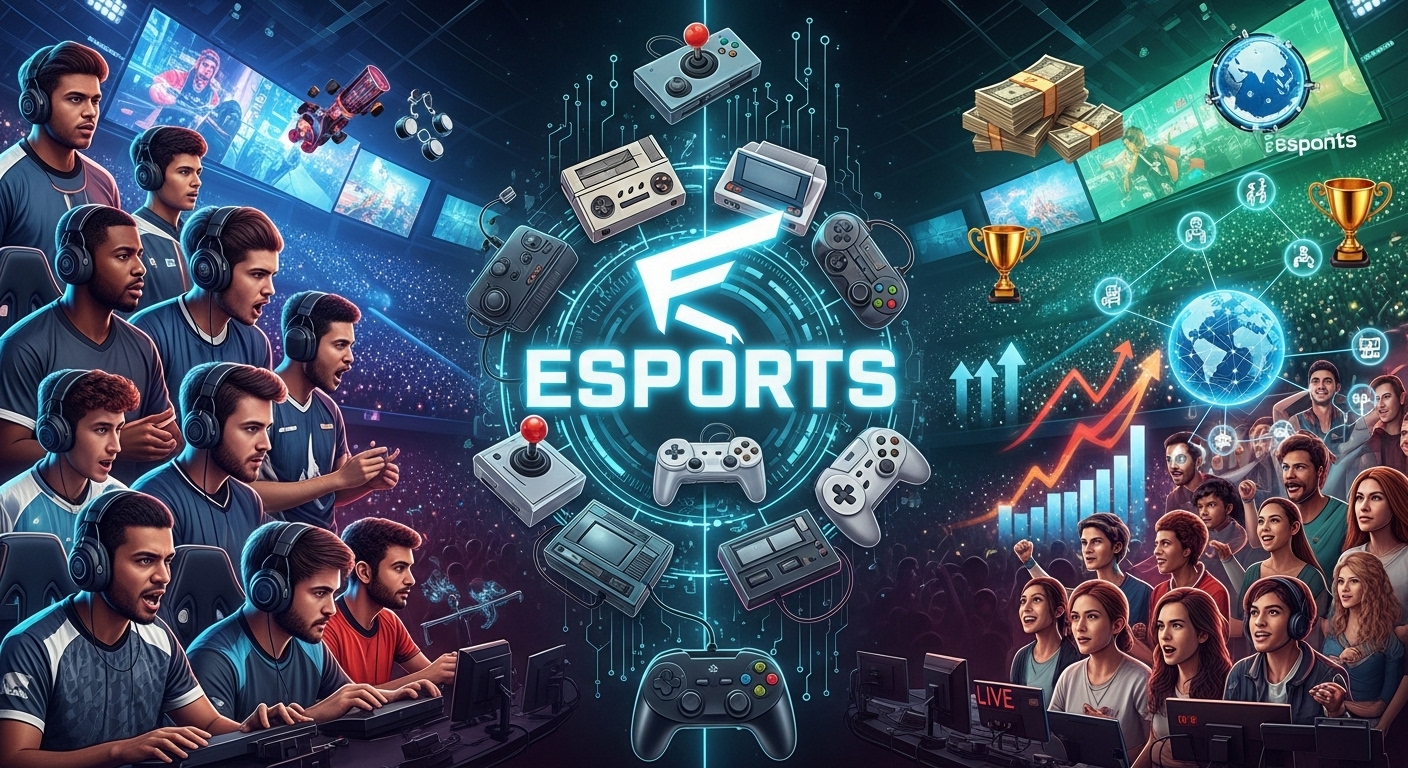
Esports’ roots can be traced back to the 1970s and 1980s, when arcade competitions began testing players’ skills in games like “Space Invaders” and “Pac-Man.” By the 1990s, competitive gaming evolved with the advent of PC and console tournaments. Games such as “Street Fighter II” and “StarCraft” laid the foundation for organized competitive gaming, creating a culture of strategy, skill, and rivalry.
The rise of the internet in the early 2000s accelerated esports’ growth by enabling online multiplayer competitions. This era saw the emergence of popular games like “Counter-Strike” and “Warcraft III,” which helped establish professional gaming as a viable career path. Today, esports tournaments for games like “League of Legends,” “Dota 2,” and “Fortnite” attract millions of viewers, massive sponsorships, and prize pools worth millions of dollars. The industry has become a legitimate alternative to traditional sports, blending competition, entertainment, and digital innovation.
Esports as a Professional Career
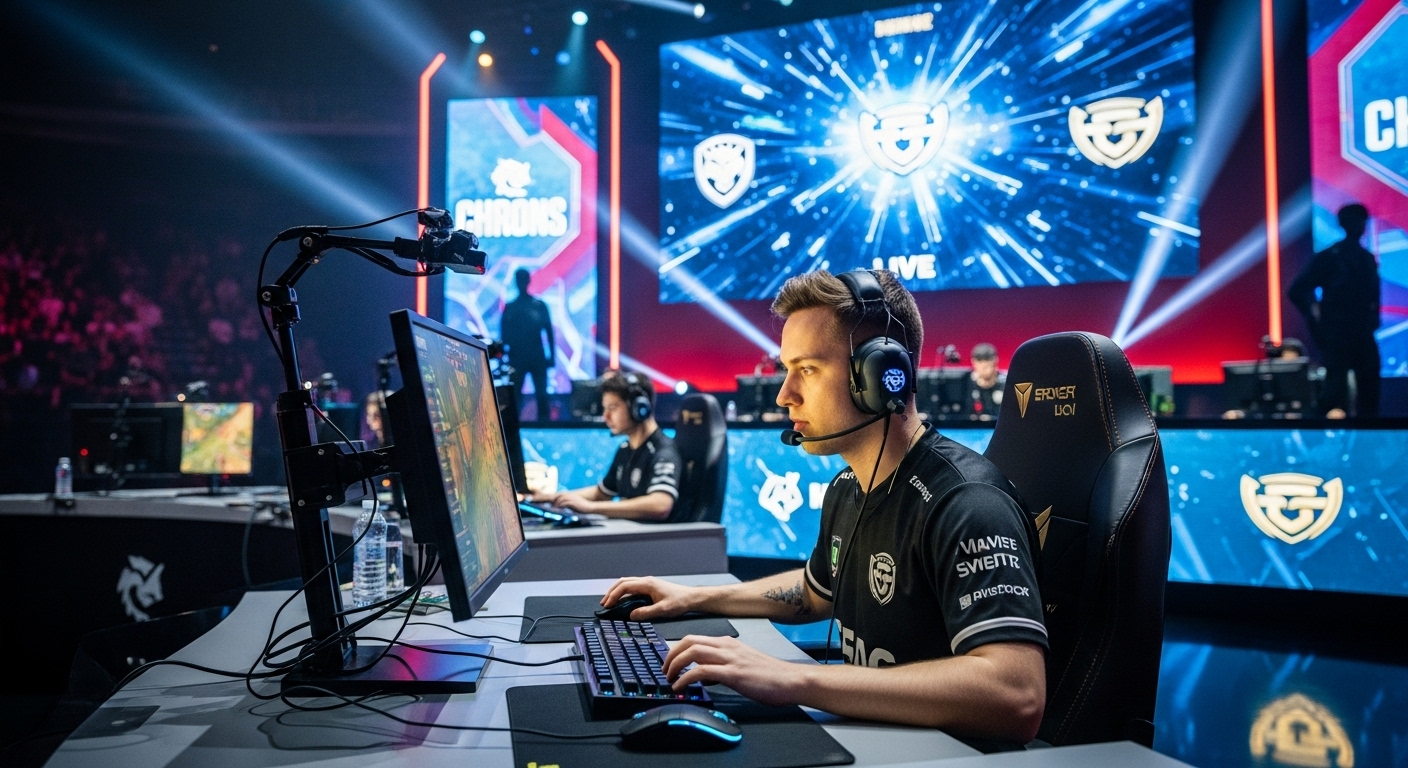
Esports has transformed from hobbyist activity to professional career. Professional players train rigorously, often spending 6 to 12 hours a day practicing strategies, improving reflexes, and analyzing gameplay. Teams function like traditional sports organizations, with managers, coaches, analysts, and support staff to optimize performance.
Top-tier players can earn substantial salaries, tournament winnings, and endorsement deals. Organizations sponsor teams, while brands recognize esports’ potential to reach younger audiences, integrating their products into gameplay or marketing campaigns. Streamers and content creators also benefit financially by engaging audiences through live streams, tutorials, and commentary, further expanding the industry’s economic ecosystem. This professionalization has established esports as a sustainable and respected career path for talented individuals worldwide.
The Cultural Impact of Esports
Esports has become a cultural force, creating communities that transcend geography and social barriers. Gamers from around the world connect over shared interests, strategies, and experiences, fostering a sense of belonging. Online platforms, social media, and streaming services have amplified these communities, allowing fans to interact directly with players and each other.
Moreover, esports challenges traditional definitions of sports and athleticism. It requires mental agility, strategic thinking, teamwork, and reflexes. Professional players dedicate countless hours to honing their skills, demonstrating the same discipline and competitive drive as traditional athletes. As esports grows, society increasingly recognizes gaming as a legitimate form of competition, entertainment, and social engagement.
Mental and Cognitive Benefits of Esports
While often criticized for its sedentary nature, esports offers several cognitive and mental benefits. Competitive gaming improves decision-making skills, hand-eye coordination, memory, and problem-solving abilities. Players must analyze rapidly changing scenarios, anticipate opponents’ moves, and execute strategies under pressure.
Esports also fosters mental resilience. Handling losses, adapting to unexpected situations, and maintaining focus during high-stakes matches teaches discipline and perseverance. Team-based games enhance collaboration and communication, promoting leadership, conflict resolution, and emotional intelligence. These skills are transferable to academic, professional, and social contexts, demonstrating that esports can contribute positively to personal development.
Physical Health Considerations
Though esports is primarily a digital activity, physical health remains crucial. Long hours of gaming can lead to eye strain, back pain, and repetitive strain injuries. Professional teams increasingly incorporate physical training, stretching, and ergonomic setups to reduce these risks. Some organizations even hire fitness trainers to ensure players maintain optimal health and stamina.
Additionally, proper sleep, nutrition, and mental breaks are essential for peak performance. Balancing gaming with physical activity ensures players remain healthy and sustain their careers over the long term. The integration of wellness practices into esports highlights the evolving understanding of what it takes to be a top competitor in the digital arena.
The Economic Impact of Esports
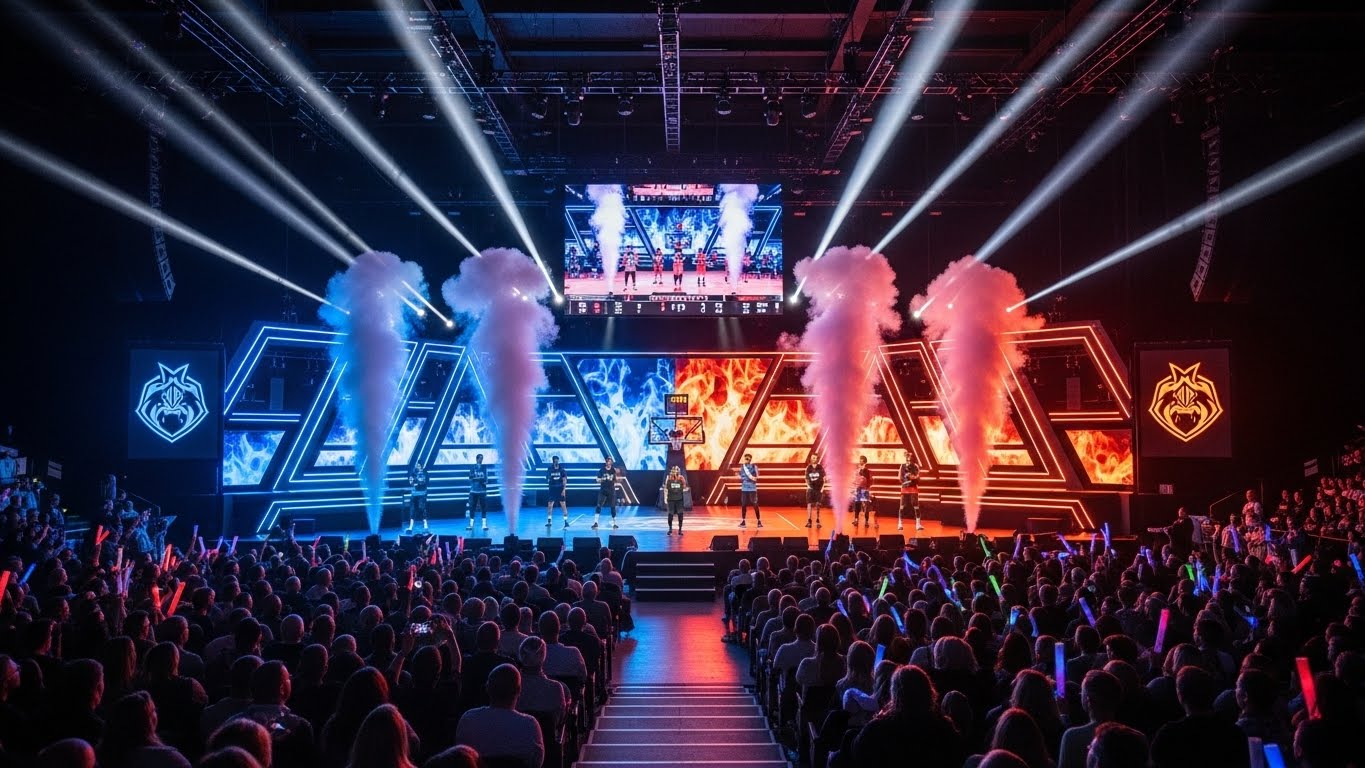
Esports has grown into a multi-billion-dollar industry with significant economic implications. Tournament prize pools, sponsorship deals, merchandise sales, and streaming revenues generate substantial income for players, teams, and organizers. Major tournaments often fill stadiums and attract global audiences, creating opportunities for tourism, hospitality, and local businesses.
The industry also creates jobs beyond players, including coaches, analysts, event managers, broadcasters, marketers, and content creators. These roles contribute to economic growth and highlight esports’ ability to generate employment opportunities. As the market continues to expand, investment in esports infrastructure and talent development will further strengthen its economic footprint worldwide.
Technology Driving Esports
Technological advancements have been critical to esports’ growth. High-performance gaming hardware, fast internet connectivity, and advanced software enable seamless multiplayer competitions and immersive experiences. Streaming platforms allow millions of viewers to watch tournaments live, interact with players, and participate in fan communities.
Virtual reality, augmented reality, and artificial intelligence are beginning to influence esports, offering new ways to train, compete, and spectate. AI-driven analytics help players refine strategies and identify weaknesses, while VR tournaments provide immersive experiences that blur the line between digital and physical competition. Technology continues to redefine what is possible in esports, making it a forward-looking industry.
Challenges Facing Esports
Despite its rapid growth, esports faces several challenges. Player burnout and mental health issues are prevalent due to intense practice schedules and high-pressure environments. Organizations are implementing wellness programs, but addressing long-term physical and psychological health remains crucial.
Inclusivity is another challenge. Women, minority groups, and differently-abled players are underrepresented in professional esports. Promoting equal opportunities and combating harassment and toxicity in gaming communities are essential for sustainable growth. Furthermore, cheating, hacking, and unethical practices threaten the integrity of competitive gaming, requiring strong regulation and oversight to maintain credibility.
The Future of Esports
The future of esports is full of promise. As technology advances, esports will become more immersive, interactive, and global. Cloud gaming may enable more accessible participation, while VR and AR tournaments could create new forms of competition. Educational institutions are increasingly recognizing esports’ value, offering scholarships, academic programs, and research opportunities to support digital literacy and strategic thinking.
Esports is also positioned to promote social change. Players and organizations advocate for mental health awareness, inclusivity, and charitable causes, using their platforms to influence global audiences positively. With continued investment, innovation, and community engagement, esports has the potential to reshape entertainment, education, and culture on a global scale.
Personal Growth Through Esports
Esports offers numerous opportunities for personal growth. Players learn to manage time, set goals, and develop perseverance, all of which are valuable life skills. Competitive gaming encourages creativity and adaptability, as players experiment with strategies, analyze opponents, and respond to dynamic challenges.
Beyond skill development, esports fosters social connections. Online communities, fan bases, and team interactions create a sense of belonging and shared purpose. The social and psychological benefits of esports highlight its role as more than just entertainment, but as a platform for personal development, teamwork, and meaningful engagement.
Esports and Society
Esports reflects broader societal trends, such as digital engagement, global connectivity, and the rise of online communities. It challenges traditional notions of competition, athleticism, and entertainment, proving that success and skill are not limited to physical arenas.
Esports also influences culture, fashion, and media. Professional players become influencers, shaping trends and inspiring fans worldwide. Live-streamed tournaments attract millions of viewers, rivaling traditional sports events in viewership and engagement. The industry’s cultural impact continues to grow, making esports a major force in the global entertainment landscape.
Conclusion: The Enduring Impact of Esports
Esports has evolved from a small subculture into a global industry that blends competition, entertainment, technology, and culture. It has created professional opportunities, fostered communities, and challenged traditional ideas of sports and skill. While challenges such as health, inclusivity, and integrity persist, esports continues to grow, innovate, and inspire.
From personal growth to economic impact, esports demonstrates that competitive gaming is more than a pastime—it is a transformative force shaping the future of entertainment and society. As the industry continues to expand, its influence will only deepen, proving that the power of esports extends far beyond the digital screen, connecting people, ideas, and cultures around the world.