Introduction: Esports – A New Era of Competitive Gaming
Over the past few decades, esports has evolved from a niche interest into a global entertainment phenomenon. Once limited to small-scale competitions between friends and local communities, esports now attracts millions of fans, generates billions in revenue, and offers lucrative career opportunities for players, analysts, and organizers alike. What was once seen as a pastime for dedicated gamers has become a major player in the world of entertainment, rivaling traditional sports in terms of viewership and investment.
In this blog post, we will delve into the rise of esports, how it has reshaped the world of gaming, its impact on traditional sports, and why esports is here to stay.
What Exactly Is Esports?
At its core, esports refers to organized, multiplayer video game competitions where professional players and teams compete against each other in a structured environment. Unlike casual gaming, esports is about precision, skill, strategy, and teamwork, often played at the highest level of competition. Popular games like League of Legends, Dota 2, Fortnite, Call of Duty, and Overwatch have all cultivated massive followings and provided platforms for professional competitions.
Esports is not just about playing video games; it’s about performance, strategy, and the mental fortitude to succeed at the highest levels of gaming. Just like traditional athletes, esports players practice for hours, study their gameplay, and refine their techniques. Some even work with coaches and analysts to improve their skills, much like athletes in other sports.
The evolution of esports over the past few decades has created a thriving global ecosystem, attracting investors, brands, and millions of fans. Esports tournaments are broadcast live and streamed online, often in front of tens of thousands of viewers, with prize pools that can reach several million dollars.
The Phenomenal Growth of Esports
Esports has grown at a staggering rate, especially over the last 10 years. What started as small LAN (Local Area Network) parties and tournaments has become a massive global industry with a mainstream presence. According to recent reports, the esports industry is expected to generate over $1.5 billion in 2025, with much of this revenue coming from sponsorships, media rights, and advertising.
The rise of streaming platforms, particularly Twitch, YouTube Gaming, and Facebook Gaming, has played a crucial role in the growth of esports. These platforms have given fans direct access to live streams, tournaments, and content from their favorite players, and have helped foster the sense of community that is so integral to the esports experience. In fact, Twitch has more than 15 million daily active users, many of whom watch esports events, engage with players, and even interact with live broadcasts.
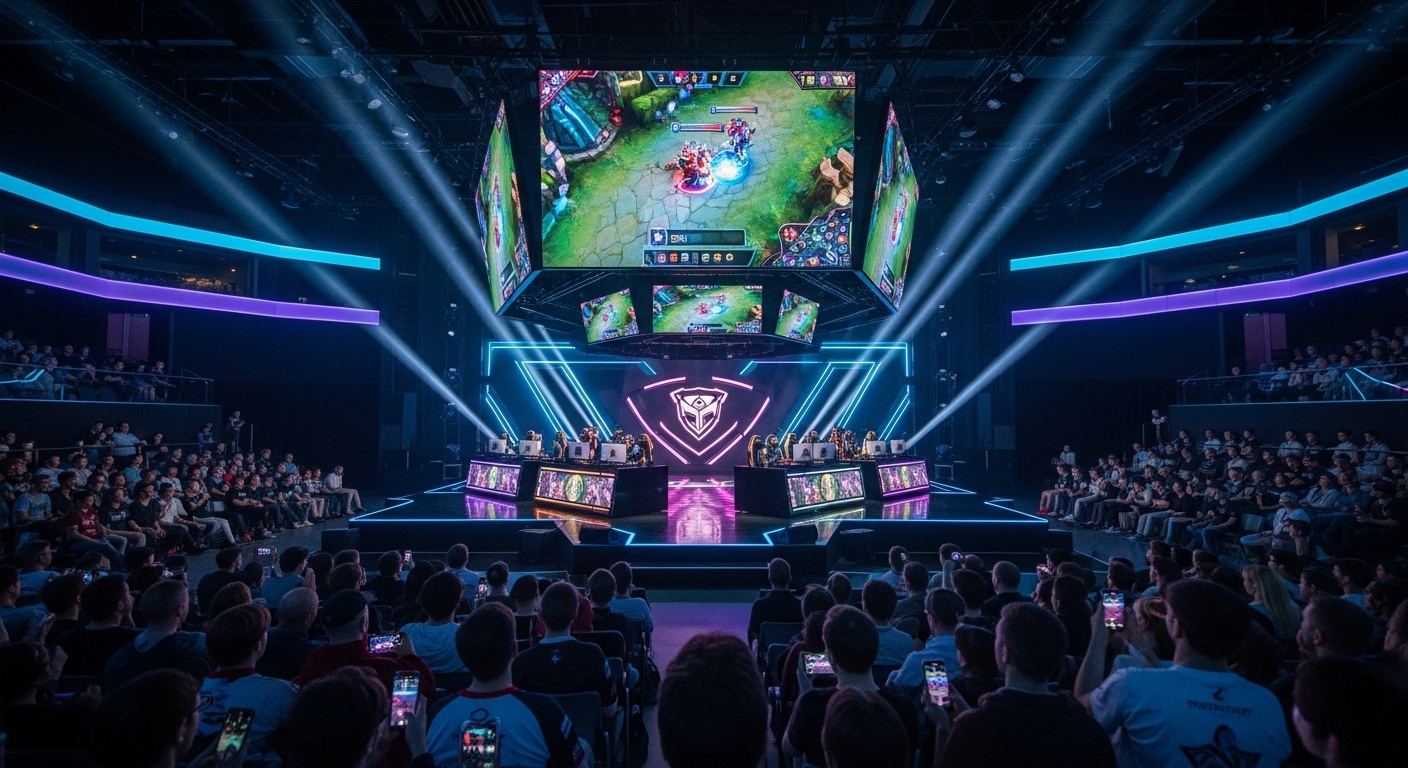
Esports tournaments, such as The International (Dota 2), League of Legends World Championship, and Fortnite World Cup, are watched by millions of viewers around the globe. These events fill entire arenas, and the live broadcasts often attract a level of viewership comparable to traditional sporting events like the Super Bowl or the FIFA World Cup.
Esports and Traditional Sports: A Rival or Complement?
One of the most intriguing aspects of esports is its relationship with traditional sports. While esports has been growing at a rapid pace, it has also had a unique influence on traditional sports. Many esports athletes are seen as professional gamers, earning sponsorships, forming teams, and even competing in front of live audiences.
Esports and traditional sports share many similarities. Both require intense focus, teamwork, and mental toughness. Both attract massive fan bases, and both offer career opportunities for players, coaches, analysts, and content creators. However, esports is more accessible in terms of physical requirements. Traditional sports like basketball, football, and soccer often require peak physical fitness, which can be limiting for some people. In contrast, esports only requires a computer or console and a good internet connection, making it a more inclusive and global phenomenon. It has opened the door to competitive gaming for individuals of all physical abilities and backgrounds.
In addition, the skill sets needed to succeed in esports and traditional sports overlap more than one might think. Just like in football or basketball, esports players need to work in harmony with teammates, have excellent communication, and make strategic decisions under pressure. Furthermore, both industries require a great deal of training and preparation.
In many ways, esports is filling a gap in the sports landscape, catering to a younger, more tech-savvy audience that consumes entertainment through digital platforms. As esports continues to grow, the overlap between esports and traditional sports will only increase. Traditional sports leagues are even starting to invest in esports, with organizations like the NBA launching their own esports leagues to appeal to a younger demographic.
The Economics of Esports: A Billion-Dollar Industry
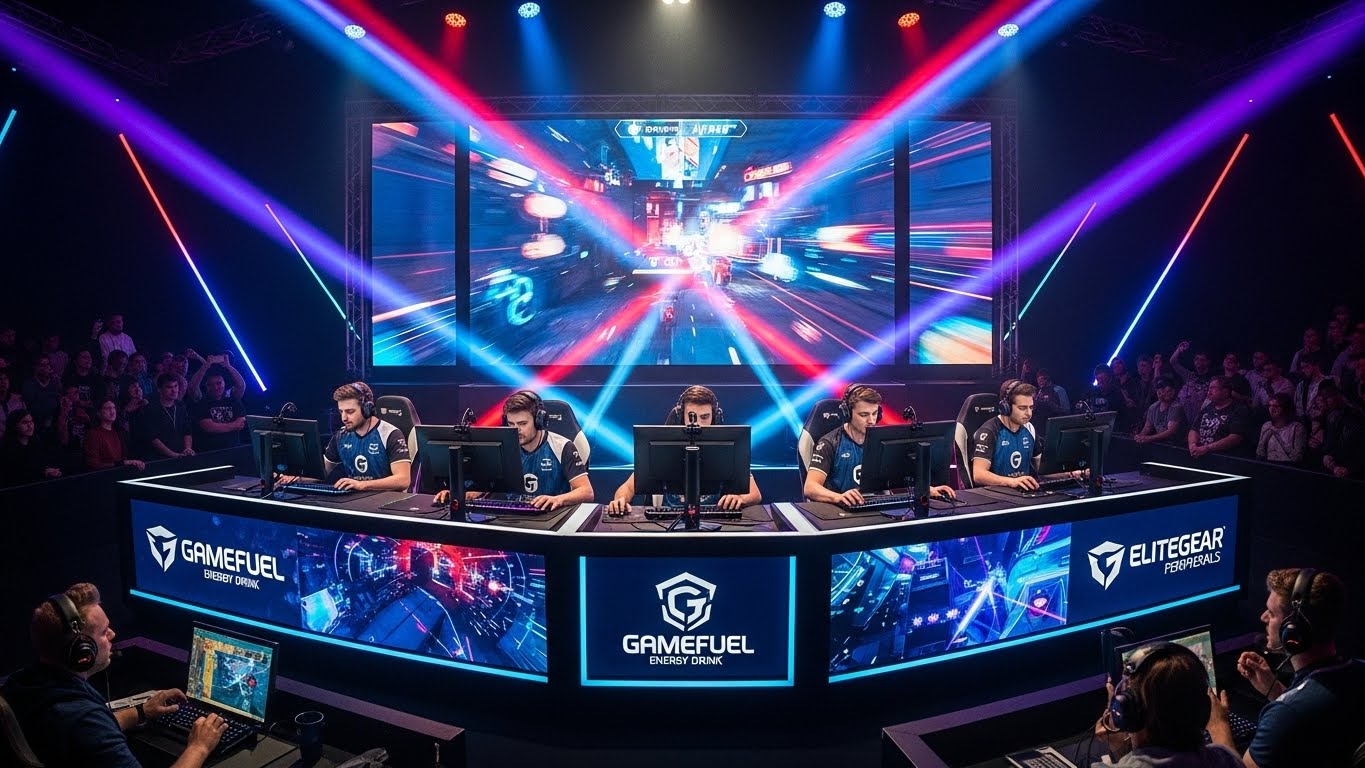
The economics of esports are complex but immensely profitable. Revenue in the esports industry comes from several sources, including sponsorships, media rights, ticket sales for live events, merchandise, and advertising. Sponsorship deals are one of the largest revenue streams, with major brands like Intel, Coca-Cola, Red Bull, and Nike all backing esports tournaments and teams. These companies see the potential to reach a vast and engaged audience, and esports offers an attractive platform for marketing products to millennials and Gen Z.
Broadcasting and streaming rights have also become lucrative. Major tournaments are broadcasted live on platforms like Twitch, YouTube, and even cable television, attracting millions of viewers. For example, The International Dota 2 tournament in 2021 had a prize pool of over $40 million, with a large portion of the revenue coming from crowdfunding and sponsorships.
Another growing revenue stream for esports is the increasing popularity of mobile gaming. Games like PUBG Mobile, Free Fire, and Arena of Valor have large and dedicated followings, particularly in regions like Southeast Asia, where mobile gaming is more prevalent. Mobile esports tournaments are now being broadcast on major streaming platforms and attracting large audiences and sponsorship deals.
As esports becomes more professionalized, the financial rewards are also becoming more significant. Players in major esports leagues are now earning salaries comparable to traditional sports athletes. The wealth generated by esports is not just limited to players, however; teams, coaches, event organizers, and broadcasters all benefit from the economic boom that esports is bringing.
The Mental and Physical Demands of Esports Players
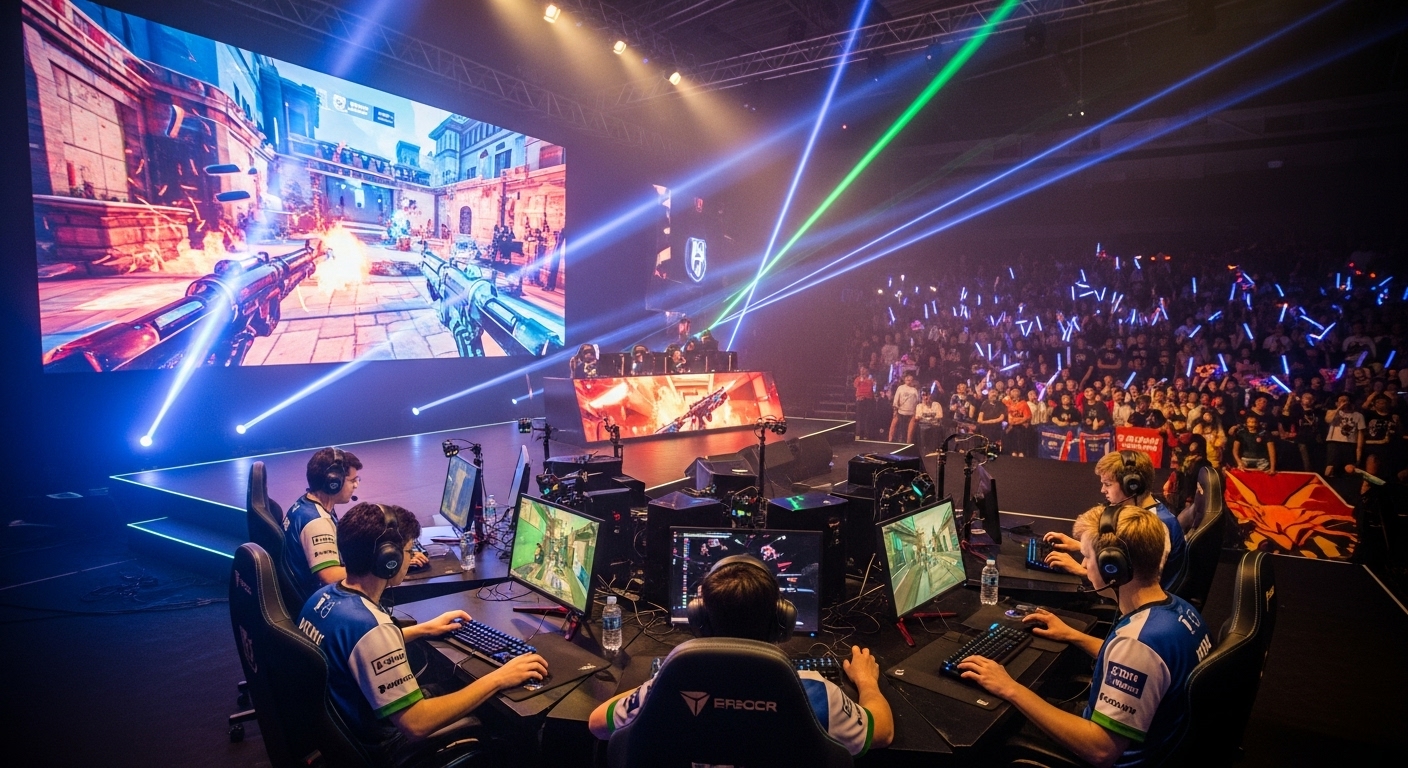
While esports may not require the same level of physical exertion as traditional sports, it still demands an incredible amount of mental and physical preparation. Esports athletes must be sharp, focused, and highly skilled in their chosen games. Professional gamers often train for long hours, practicing strategies, refining mechanics, and studying their opponents. Just like traditional athletes, they push themselves to their limits to achieve success.
The mental demands on esports players are significant. They must be able to make split-second decisions under pressure, communicate effectively with their team, and maintain focus for extended periods. In fact, esports matches can sometimes last for several hours, requiring players to stay focused and make the right decisions in high-pressure situations.
While physical training is not as intense as it is in traditional sports, esports players still need to be mindful of their health. Repetitive movements, such as using a mouse and keyboard for extended periods, can lead to injuries like carpal tunnel syndrome or tendonitis. To counteract this, esports organizations are increasingly offering physical training and wellness programs to keep players in peak condition.
Esports: A Cultural and Social Phenomenon
Esports has become much more than just a form of entertainment; it has also become a cultural and social phenomenon. Fans of esports often form communities and share their passion for the games they love. Online platforms like Discord, Reddit, and Twitter are home to countless esports communities, where fans can discuss their favorite players, teams, and tournaments.
In many ways, esports is a digital-age social activity. Fans not only watch games together but also interact in real-time via live chat, social media, and video streams. This sense of community is one of the main reasons esports has grown so quickly—fans feel a connection to the players and teams they support, much like fans of traditional sports teams.
In addition, esports has become a way for people to connect globally. Esports tournaments often feature international teams, creating opportunities for fans from different countries to interact with one another and cheer for their favorite teams. In many ways, esports has become a global community that transcends borders and brings people together through a shared love of gaming.
The Future of Esports: Continued Growth and Innovation
Looking ahead, the future of esports is incredibly bright. As technology continues to evolve, esports is expected to become even more immersive. Virtual reality (VR) and augmented reality (AR) have the potential to revolutionize competitive gaming, providing an entirely new experience for both players and spectators.
Esports will also continue to grow in terms of diversity and inclusivity. Efforts to bring more women into esports, both as players and professionals, are ongoing, and the push for greater diversity in esports will help ensure that the industry remains open to people from all backgrounds.
Additionally, as mobile gaming continues to rise, more regions around the world—particularly in developing countries—will embrace esports, further driving its global expansion. Esports will continue to push the boundaries of what gaming can be, offering new opportunities for players, fans, and industry professionals alike.