Introduction: A New Kind of Arena
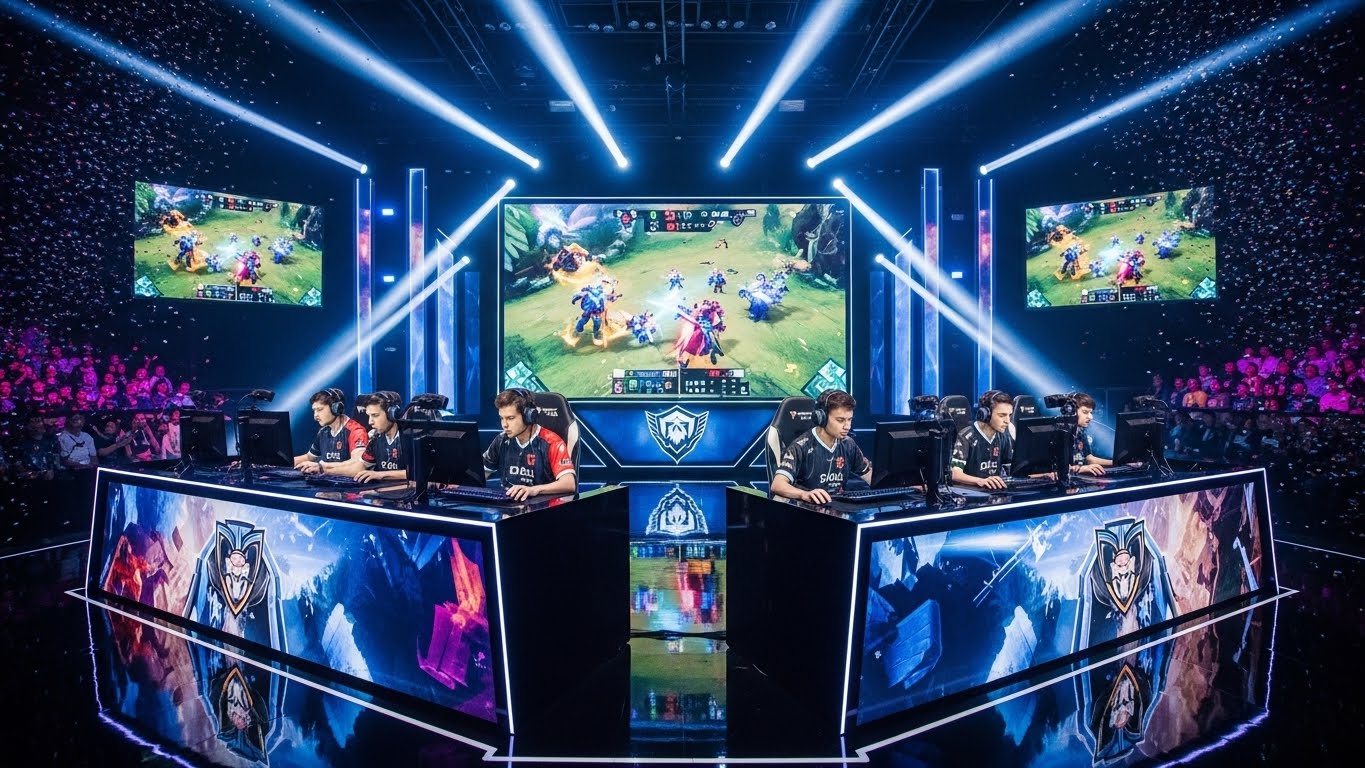
Esports, once considered a niche corner of gaming culture, has evolved into a global phenomenon. It is no longer simply about players huddled around computers in dimly lit rooms. Today, esports fills stadiums, draws millions of viewers, and creates careers that rival traditional sports. What was once seen as a recreational distraction has matured into a structured, competitive, and highly respected industry. This transformation has shaped not only the entertainment landscape but also education, business, and global culture.
The Rise of Competitive Gaming
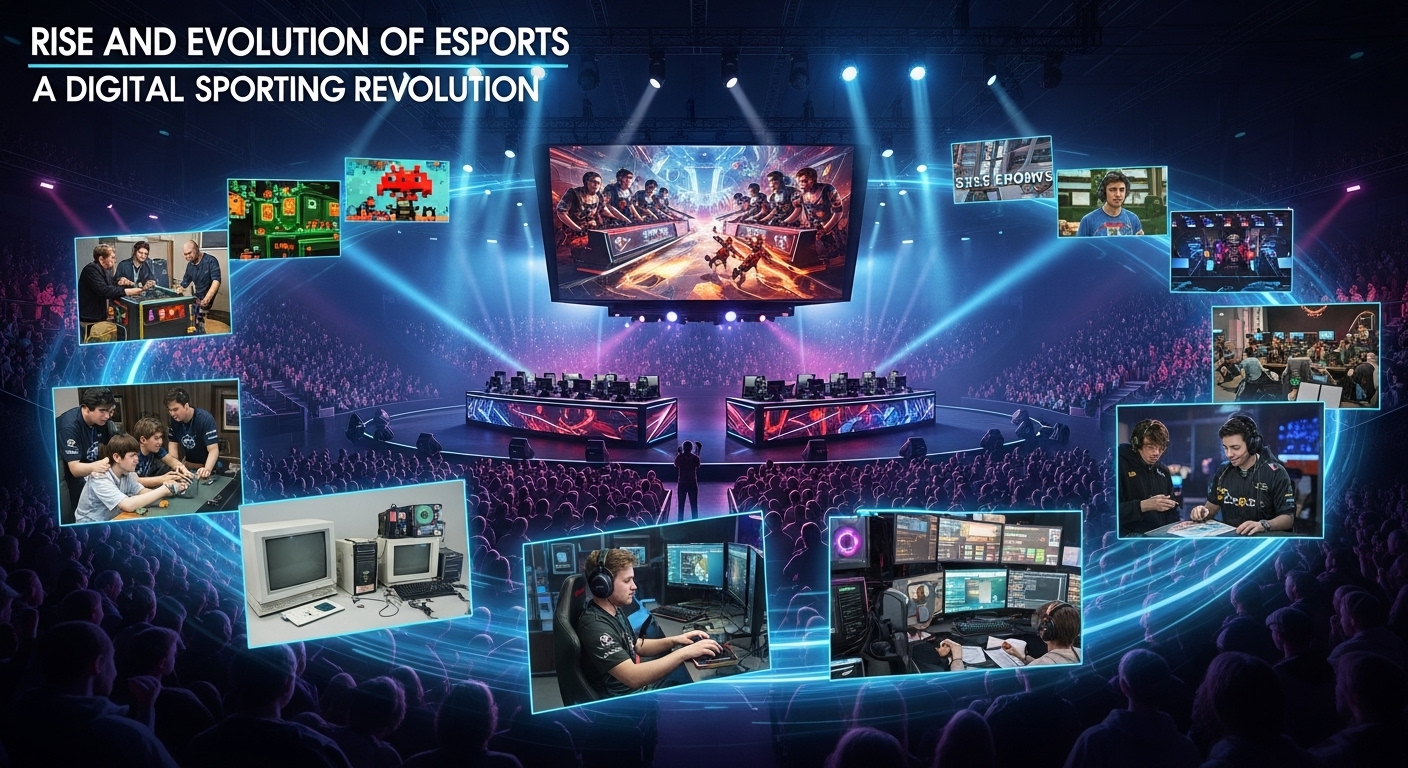
To understand the current dominance of esports, it is important to first look at where it began. Early competitive gaming can be traced back to the arcade tournaments of the 1980s, where high scores on games like Pac-Man and Space Invaders were badges of honor. As personal computers and home consoles became more advanced, friendly competitions grew into organized events.
The turning point came with the spread of the internet. When players could compete with anyone across the world from the comfort of their homes, the idea of gaming as a serious competition became more realistic. Games like StarCraft, Counter-Strike, and Warcraft III laid the foundation for modern esports leagues. Over time, dedicated tournaments emerged, prize pools grew, and audiences multiplied. What once was a small gathering of passionate players transformed into a spectator sport with global reach.
Why Esports Captured the World
Esports gained mainstream attention because it offered something truly unique. Traditional sports rely on physical ability, while esports rely on a combination of strategic thinking, lightning-fast reflexes, and deep understanding of game mechanics. This blend of intelligence and reaction makes esports highly appealing to younger generations who grew up in technology-rich environments.
Another reason behind the rise is accessibility. Anyone with a computer or console can get involved. Becoming a professional athlete in traditional sports requires specific physical traits, training facilities, and sometimes expensive coaching. Esports levels the playing field. A talented player from a small town can rise to international stardom simply by showcasing skill online.
Additionally, the digital nature of esports allows fans to interact more directly with players. Live chats, social platforms, and community-driven content create a close relationship between players and their audiences. This intimacy strengthens fan loyalty in ways traditional sports struggle to replicate.
Major Titles That Built the Esports Industry
Esports is not a single game but a collection of competitive titles, each with its dedicated community, rule set, and competitive scene. Several games stand out as pillars of the esports world.
One of the most influential is League of Legends, a multiplayer online battle arena game known for its strategic depth and enormous global tournaments. Events for this game draw viewers in the millions and feature production quality similar to the biggest sporting events on the planet.
Another iconic title is Dota 2, which holds some of the largest prize pools in esports history. Its annual championship has turned ordinary players into millionaires and cemented the game’s status as an esport giant.
First-person shooters also play a major role. Games like Counter-Strike and Valorant push players to refine precision, communication, and teamwork. These titles attract audiences who appreciate quick decision-making and intense competitive spirit.
Battle royale games such as Fortnite added a new twist by merging survival with fast-paced action. They brought younger audiences into the esports world and challenged traditional tournament formats.
Each title brings its own culture, strategy, and style, making the esports ecosystem rich and diverse.
Esports Athletes: Modern-Day Digital Gladiators
Professional esports players are far from casual gamers. They train rigorously, often practicing for hours each day to perfect mechanics, memorize strategies, and analyze opponents. Their dedication mirrors that of professional athletes in traditional sports.
Teams have managers, coaches, analysts, nutritionists, and physical trainers. While this may surprise those unfamiliar with esports, high-level competition demands mental endurance and physical well-being. Prolonged screen time and repetitive movements can cause strain, so proper training and wellness routines are essential.
Esports athletes must also handle pressure and maintain focus during intense matches watched by millions. Their careers are shorter than those in many traditional sports, often because reaction speed peaks early in life. This makes the training years even more crucial.
The Business Behind the Screens
The esports industry is not only about the players. It is a rapidly expanding business ecosystem involving sponsors, event organizers, streaming platforms, advertisers, and game publishers. Revenue comes from multiple streams, including tournament tickets, team merchandise, media rights, and sponsorship deals.
Viewership is one of the strongest driving forces. Millions of fans tune in live from across the globe, creating opportunities for brands to reach new audiences. Many large companies outside the gaming world have recognized esports’ power and now invest heavily in teams and events.
Streaming platforms allow fans to watch not just competitions but also behind-the-scenes practices, casual streams, and content creation. This blend of entertainment and sport places esports in a unique category that continues to attract new audiences every year.
The Global Reach of Esports
While esports began gaining traction in specific regions, it has now become a global industry. Countries like South Korea, China, and the United States dominate the scene, but nations across Europe, Southeast Asia, and South America have rapidly growing communities.
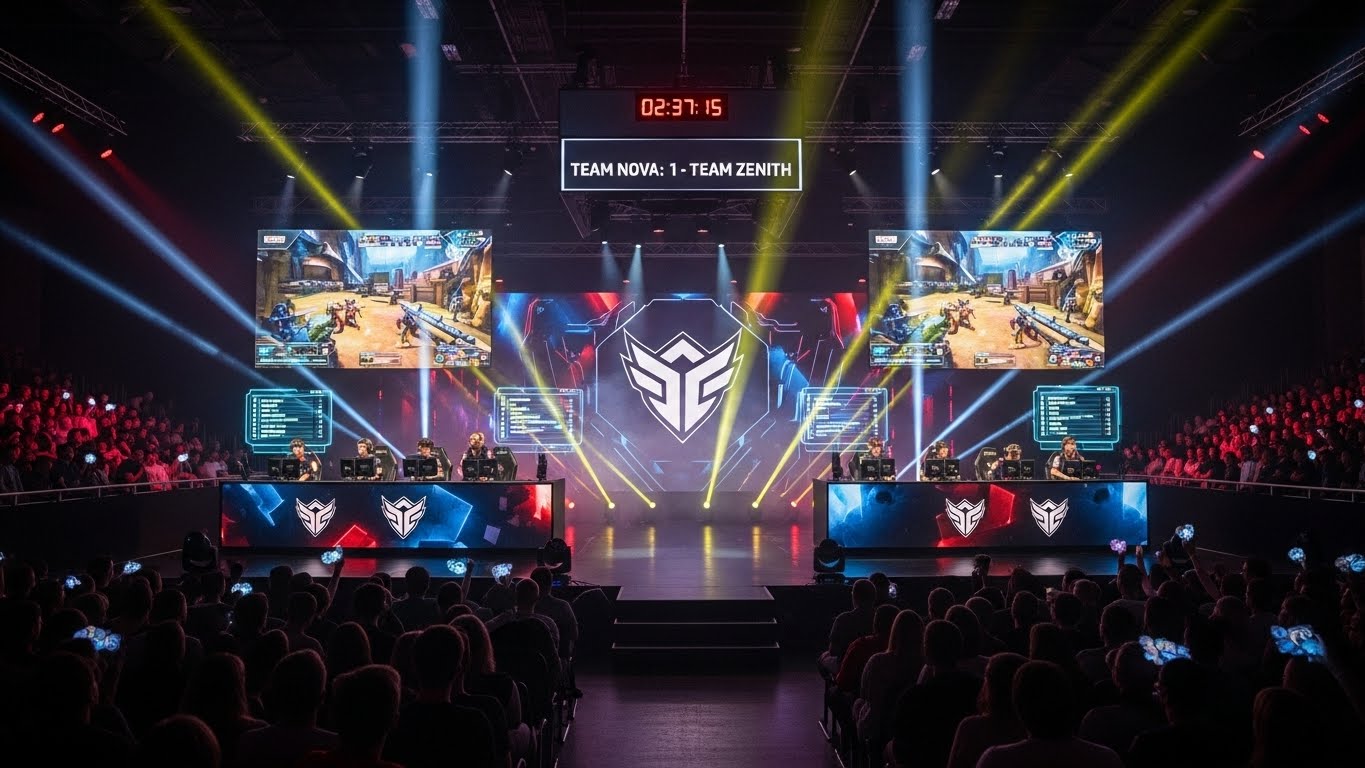
Esports stadiums have been built in several countries, and international tournaments bring together players from all corners of the world. This universal appeal highlights how gaming has become a shared cultural experience. Borders matter less when competition happens online, and this has helped unite players and fans across cultures.
Esports in Education and Career Development
One of the most surprising developments is how esports has found its way into education. Many universities now offer esports scholarships, allowing talented players to study while playing competitively. Schools also build programs that teach students about broadcasting, game development, event management, and marketing within the gaming industry.
Esports careers are not limited to professional players. Commentators, analysts, coaches, content creators, and production specialists all play vital roles. As the industry expands, new career paths continue to emerge, proving that esports is more than entertainment—it is a legitimate professional field.
The Social Impact of Esports
Esports has also created powerful social connections. Many people find community through games, forming friendships and networks that cross continents. Players who feel disconnected in the physical world often find belonging in online spaces.
This sense of community has encouraged positive initiatives, including charity tournaments, mental health advocacy, and programs promoting inclusivity in gaming. The industry is increasingly aware of its responsibility to use its influence for good.
Challenges Facing the Industry
Despite its growth, esports faces several challenges. Player burnout is a significant concern due to intense training schedules. Regulation is another issue, as the global nature of esports makes it difficult to establish universal standards for contracts, ages of participation, and competitive integrity.
There are also ongoing discussions about the long-term sustainability of certain games. Because esports depends heavily on developers, changes to a game can shift the entire competitive scene. Balancing innovation with stability is a constant challenge.
The Future of Esports
The future of esports looks incredibly promising. Advancements in virtual reality, augmented reality, and artificial intelligence may shape new competitive formats. As broadband access grows in developing regions, participation and viewership will continue rising.
Traditional sports organizations already collaborate with esports teams, and many predict that esports will one day be included in major international competitions. Whether or not that becomes reality, esports has already secured its place as a major pillar of global entertainment.
Conclusion: A New Era of Competition
Esports represents a shift in how society views competition, entertainment, and community. It merges technology with skill, creativity with strategy, and global connection with individual passion. Once dismissed as a passing trend, esports has proven that it is here to stay.
The digital colosseum is open to all, and its influence is growing stronger every day. For millions of fans and players around the world, esports is not just a game—it is a culture, a career, and a new frontier of human achievement.