Esports has rapidly grown from a niche hobby into a global phenomenon that captivates millions. What was once seen as a pastime for a small group of passionate gamers has evolved into a competitive, professional, and influential industry. Today, esports is shaping entertainment, technology, education, and even the future of work. In this blog, we explore how esports has risen to prominence, why it matters, and where it is heading.
The Evolution of Esports: From Living Rooms to Global Stadiums
Esports in its early days looked vastly different from the spectacle we know today. Small gatherings, often hosted in living rooms or small venues, allowed gamers to compete for bragging rights or modest prizes. As internet access improved and online multiplayer gaming surged, competitive gaming grew faster than anyone expected.
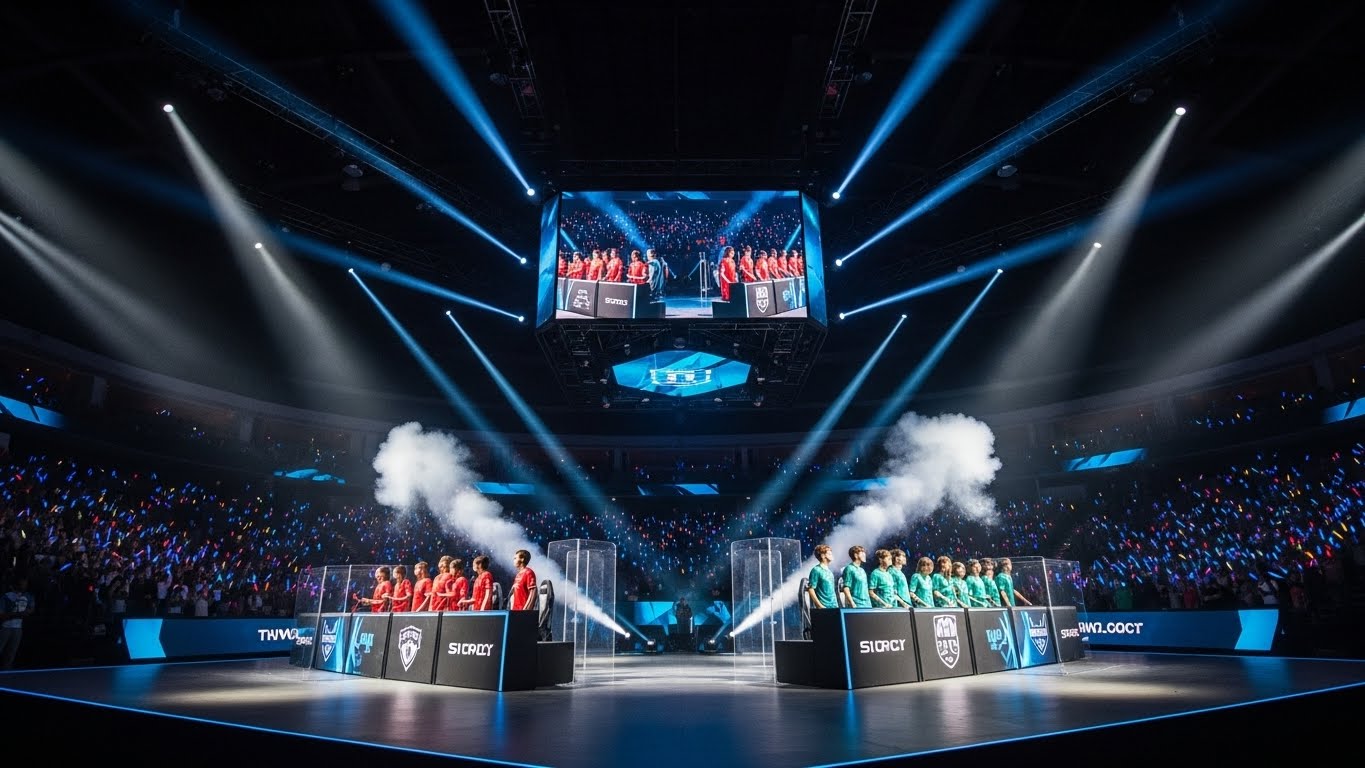
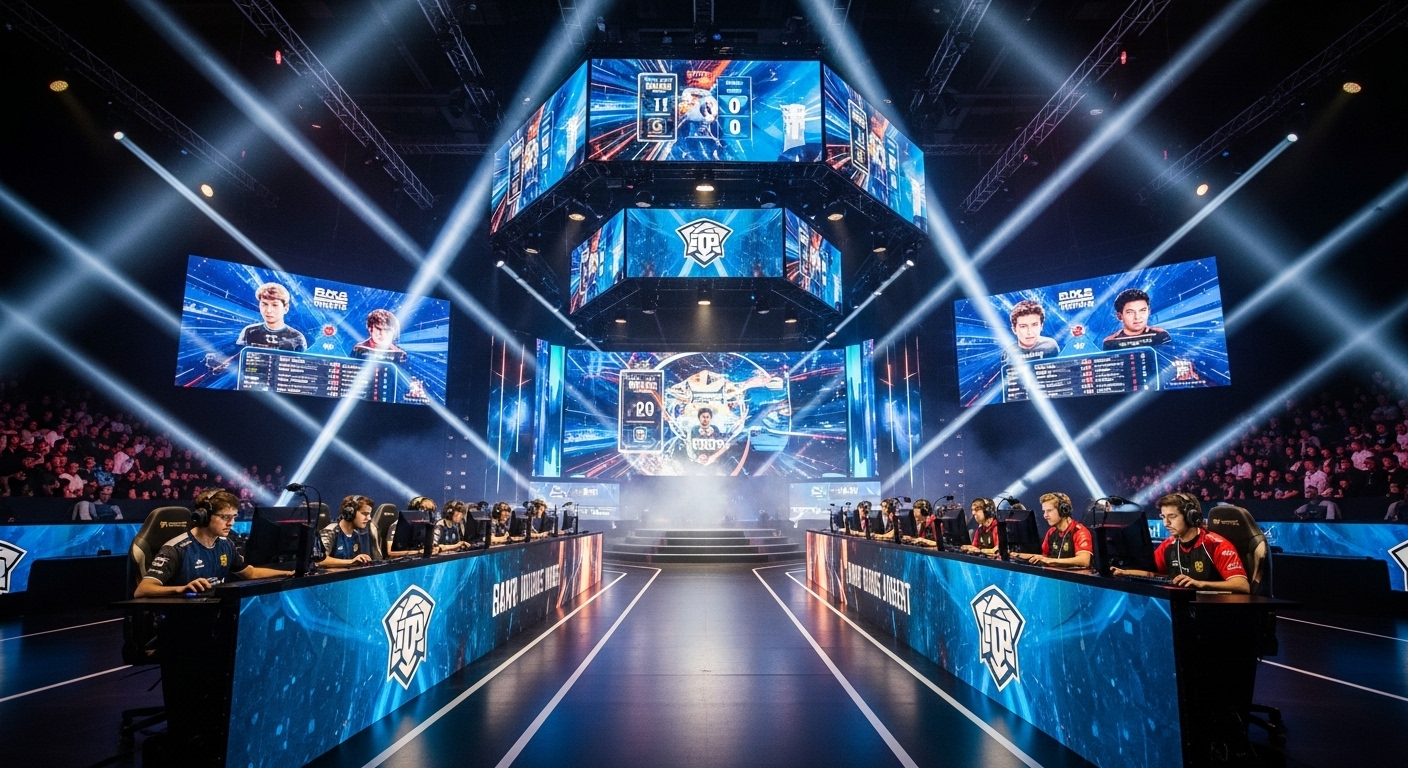
Today, massive stadiums host tournaments watched by millions worldwide. Events like world championships for major games draw more viewers than some traditional sports finals. This shift from casual play to high-level professionalism marks the true evolution of esports, solidifying it as a legitimate competitive field.
Why Esports Captivates Modern Audiences
The appeal of esports lies in its accessibility and relatability. Unlike traditional sports that require physical training spaces or expensive equipment, most esports titles can be played with basic gaming gear and an internet connection. This universal availability fuels participation and viewership.
Additionally, esports taps into the digital-native generation. Younger audiences who grew up with technology naturally gravitate toward digital entertainment. They connect with the personalities of pro players, engage with game storylines, and share experiences through live chats and streaming platforms.
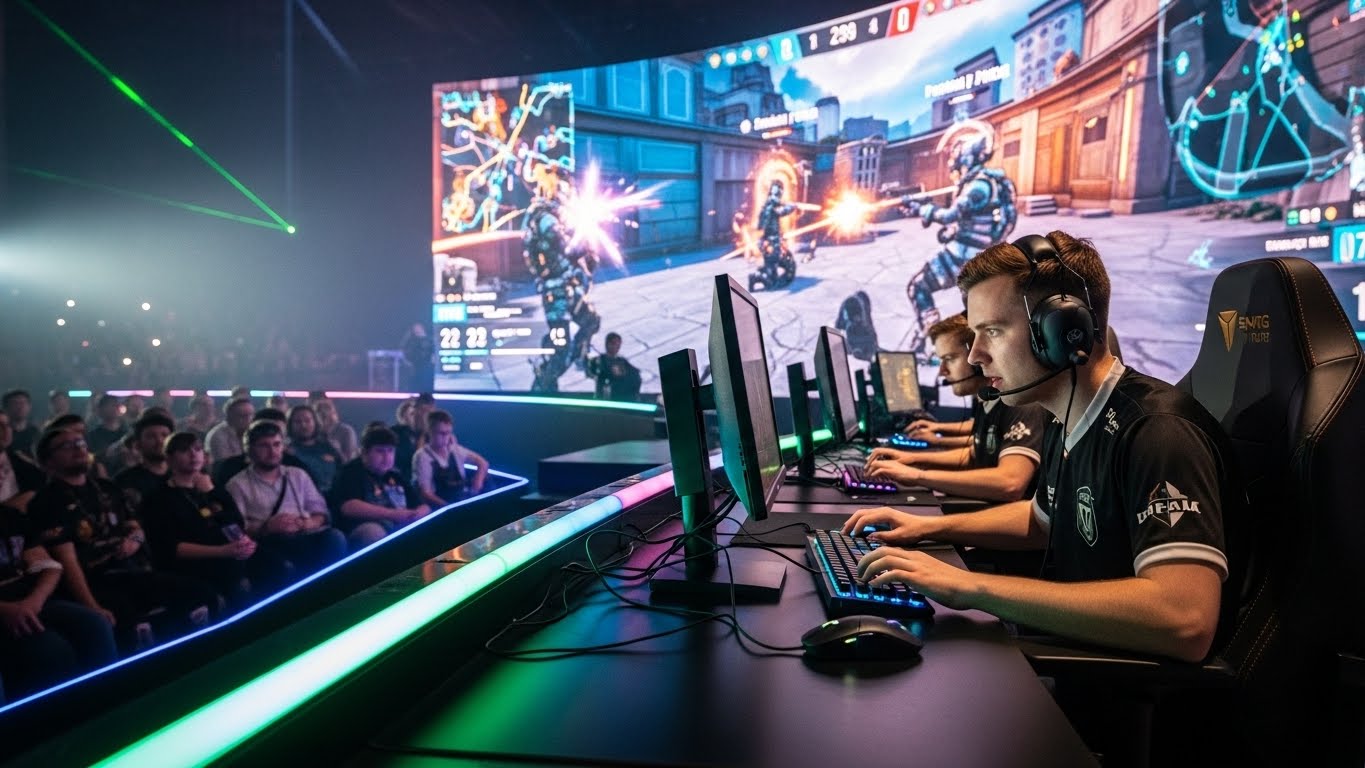
The fast-paced nature of esports, combined with strategy, teamwork, and mental agility, creates a thrilling experience. Whether a viewer follows competitive shooters, real-time strategy games, or sports simulations, there is something for everyone.
The Professionalization of Esports Athletes
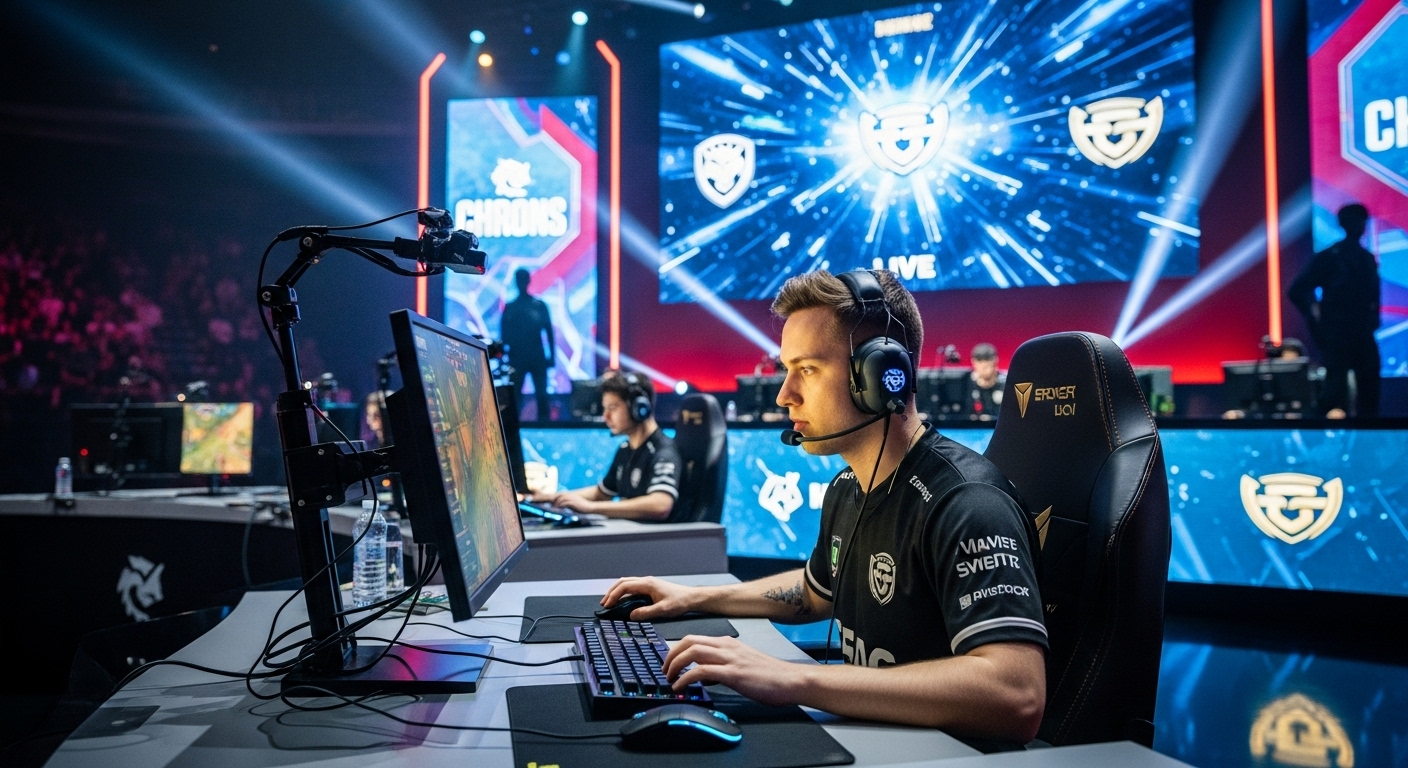
Esports athletes, once perceived as casual gamers, now follow rigorous training routines similar to traditional athletes. Most professional teams employ coaches, analysts, fitness trainers, and nutritionists. Players practice for hours each day, reviewing strategies, studying opponent gameplay, and refining mechanical skills.
The lifespan of a pro esports career can be short due to the immense cognitive and physical demands. Reaction times, hand-eye coordination, and focus all play major roles. To perform at peak levels, players commit to strict schedules and well-balanced lifestyles.
This professionalization has reshaped public perception. Esports athletes are now respected as disciplined competitors who invest countless hours to master their craft.
A Global Industry with Massive Economic Impact
Esports is not only about competition; it is a booming industry generating significant revenue. Sponsorships, merchandise, ticket sales, media rights, advertising, and tournament winnings all contribute to its financial ecosystem.
Organizations, brands, and investors now view esports as a long-term, profitable opportunity. Major companies partner with teams and events, providing funding and visibility. This growing support elevates esports, giving it more legitimacy and pushing it toward larger, more polished productions.
Universities offer scholarships, companies create gaming departments, and communities invest in esports arenas. The economic footprint continues to expand, proving that esports is a powerful and sustainable global business.
The Impact of Streaming and Online Platforms
The rise of esports is inseparable from the rise of digital streaming platforms. These platforms allow players to broadcast gameplay, connect with fans, and build personal brands. For viewers, streaming provides real-time interaction, commentary, and learning opportunities.
The relationship between esports and streaming is mutually beneficial. Streamers promote games, popularize competitive events, and cultivate engaged communities. Meanwhile, esports events attract massive traffic to streaming platforms. This cycle strengthens the entire industry and fuels continued growth.
Diverse Games, Diverse Audiences
Esports is not defined by a single game or genre. Instead, it includes a wide range of competitive titles, each with its own community and style.
Strategic games attract thinkers who enjoy planning and prediction. First-person shooters draw fans of high-speed action and precision. Sports simulations appeal to traditional sports enthusiasts seeking a digital twist. Battle arenas focus on teamwork and synergy.
This diversity makes esports flexible and inclusive. People of different ages, backgrounds, and interests can find a game and community that resonates with them.
Cultural Influence: From Entertainment to Identity
Esports has become more than a form of entertainment; it is a cultural movement. Music, fashion, art, and social media all intersect within the esports world.
Teams create jerseys and apparel that rival traditional sportswear. Artists collaborate with game developers and tournament organizers. Online personalities shape trends and influence millions of followers.
Esports even impacts language and humor, as gamers develop shared expressions and inside jokes that spread across online communities. This blend of creativity and competition creates a unique culture that continues to evolve.
Educational and Career Opportunities in Esports
Esports careers are no longer limited to playing professionally. The industry offers a wide range of roles, including coaching, event management, marketing, broadcasting, content creation, analytics, game design, and team administration.
Many schools and universities now recognize esports as a valuable educational opportunity. Students participate in esports clubs, competitive leagues, and academic programs that teach teamwork, leadership, strategy, communication, and digital fluency.
For many young people, esports provides a pathway to develop real-world skills while pursuing something they are passionate about.
The Social Side: Building Communities and Friendships
One of the most powerful aspects of esports is its ability to bring people together. Gaming communities form around shared interests, goals, and experiences.
Players meet teammates online, develop friendships, and build support networks that may last for years. Esports events bring thousands together in person, creating a sense of belonging and excitement comparable to traditional sports gatherings.
Online competition also fosters inclusivity. People who may feel isolated in other environments often find welcoming communities through gaming. This social element is a major reason esports continues to grow and thrive.
Challenges Facing the Esports Industry
Despite its success, the esports industry faces challenges that require ongoing attention. Player burnout remains a concern due to intense training schedules. Competitive integrity must be maintained through anti-cheating measures. Organizations must ensure fair contracts and healthy work environments for players.
Additionally, as esports expands, it must navigate regulatory, financial, and technological complexities. Working toward long-term stability is essential to support sustainable growth.
These challenges, while significant, also open the door for innovation and improvement. By addressing these issues, esports can mature into an even more respected global industry.
The Future: Where Esports Is Heading Next
The future of esports is bright and full of possibilities. Advancements in virtual reality, augmented reality, and AI-driven technologies may redefine how games are played and viewed. New genres will emerge, blending creativity with competition.
Esports may also integrate more deeply with traditional sports through cross-training, combined events, and shared facilities. As technology evolves, so will the opportunities for players, creators, and fans.
With its growing cultural influence and expanding professional infrastructure, esports is positioned to continue shaping global entertainment and digital interaction.
Conclusion: Esports Is More Than a Game
Esports has transformed from a small, passionate subculture into a global force that influences entertainment, business, technology, and community. Its rise represents the merging of creativity, strategy, and digital connection.
For fans, esports offers excitement and belonging. For players, it provides challenge and opportunity. For the world, it symbolizes the future of competition in an increasingly digital age.
Esports is not just about playing games. It is about passion, innovation, and the limitless potential of people coming together through the digital arenas they love.