Introduction
In the past two decades, the world of competitive gaming, known as esports, has grown from a niche hobby to a global phenomenon. What once was dismissed as mere entertainment for teenagers in their bedrooms has transformed into a multi-billion-dollar industry attracting professional players, massive audiences, and corporate sponsors. Today, esports is recognized not only for its entertainment value but also for its cultural, economic, and technological impact. This blog explores the evolution of esports, the reasons behind its popularity, the structure of the industry, and what the future might hold for this rapidly growing domain.
The Origins of Competitive Gaming
Esports has roots that trace back to the earliest days of video gaming. In the late 1970s and 1980s, arcade competitions became the first public venues where gamers could showcase their skills. Titles such as Space Invaders, Pac-Man, and Donkey Kong were more than just popular games—they became the foundation for competitive gaming culture. Players competed for high scores, trophies, and local recognition, setting the stage for a structured competitive environment.
As home consoles and personal computers became widespread, competitive gaming began to move beyond arcades. In the 1990s, games like Doom, Quake, and StarCraft introduced multiplayer features that allowed gamers to compete online, fostering global communities. LAN parties became the social hubs for competition, and early professional players began gaining recognition for their skills. These developments laid the groundwork for esports as we know it today.
The Surge of Esports Popularity
The 2000s marked the era of explosive growth for esports. Several factors contributed to this surge. The availability of high-speed internet enabled seamless online gaming experiences. Simultaneously, streaming platforms emerged, allowing fans to watch live gameplay from around the world. Unlike traditional sports, esports was accessible to anyone with an internet connection, breaking down geographic barriers and democratizing the audience experience.
Major tournaments began to attract international attention, drawing millions of viewers. Events such as the World Cyber Games and the Electronic Sports World Cup offered professional players the opportunity to compete on a global stage. As esports gained legitimacy, traditional media outlets started covering tournaments, and corporate sponsors recognized the marketing potential of this engaged and tech-savvy audience.
The Structure of Modern Esports
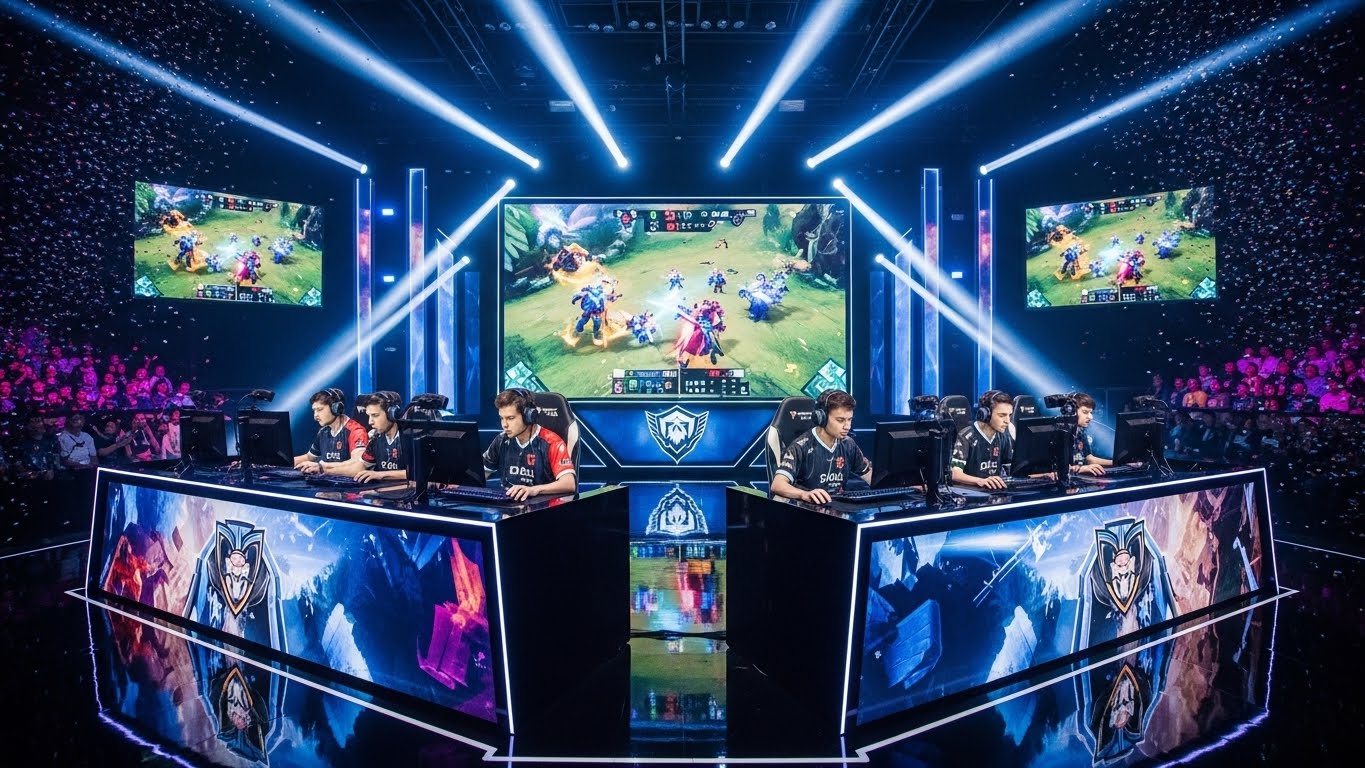
Modern esports is highly organized, with professional leagues, structured teams, and international tournaments. Games such as League of Legends, Dota 2, Valorant, Overwatch, and Counter-Strike: Global Offensive dominate the competitive landscape. These games have well-defined competitive formats, including regular seasons, playoffs, and world championships.
Esports teams now operate similarly to traditional sports organizations. They employ coaches, analysts, psychologists, and fitness trainers to ensure that players perform at their highest level. Training facilities often include state-of-the-art equipment, practice rooms, and performance monitoring systems. This professional approach has helped elevate esports into a serious career path and enhanced the quality of competitions.
Esports as a Form of Entertainment
Esports is not just about competition—it is a unique form of entertainment. Millions of fans watch live matches on streaming platforms, cheering for their favorite teams and players. Unlike traditional sports, esports offers interactive experiences where viewers can communicate with commentators, join fan communities, and even influence certain aspects of gameplay through digital platforms.
The thrill of esports comes from its combination of strategy, reflexes, and unpredictability. Matches can turn in seconds, keeping audiences engaged from start to finish. The personalities of professional players also play a key role in entertainment value. Many players have become internet celebrities, streaming personal content, participating in social media interactions, and shaping gaming culture worldwide.
Economic Impact and Industry Growth
Esports is now a multi-billion-dollar industry with diverse revenue streams. Prize pools for major tournaments can reach tens of millions of dollars, attracting the best players from across the globe. Sponsorships, advertising, merchandise, ticket sales for live events, and in-game purchases contribute significantly to the industry’s growth.
Corporate brands have recognized the potential of esports audiences, which are typically young, tech-savvy, and highly engaged. Companies outside of the gaming industry, from beverage manufacturers to technology firms, sponsor teams and events to tap into this demographic. Universities have also embraced esports, offering scholarships and competitive programs to attract talented players. This economic expansion reflects the maturity and legitimacy of esports as a business sector.
The Role of Technology in Esports
Technology is central to the evolution of esports. High-performance gaming computers, peripherals, and fast internet connections are fundamental for competitive play. Game developers continuously update titles to maintain balance, ensuring fair and engaging competition. Streaming technology has revolutionized how audiences experience esports, providing high-definition broadcasts with real-time statistics, player perspectives, and interactive overlays.
Advanced analytics are increasingly used by professional teams to study opponents, refine strategies, and improve performance. Artificial intelligence may soon play a role in personalized coaching and predictive analysis, while virtual reality could redefine the very nature of competition. The continuous evolution of technology ensures that esports remains at the cutting edge of entertainment and sports innovation.
Cultural Influence of Esports
Esports has a profound cultural impact. Gaming culture influences fashion, language, music, and social trends. Professional players are celebrated not only as athletes but also as influencers and content creators. The global nature of esports has created diverse communities where fans from different countries can interact, share strategies, and celebrate victories together.
International tournaments evoke national pride, similar to traditional sporting events. Countries compete for dominance, and fans enthusiastically support their teams. Moreover, esports has redefined the concept of athleticism. Success in esports requires mental agility, strategic thinking, reflexes, and teamwork, expanding society’s understanding of what it means to be an athlete.
Challenges Facing the Industry
Despite its growth, esports faces significant challenges. Player burnout is a major issue, with long hours of practice leading to physical and mental stress. Maintaining competitive integrity is another challenge, as cheating, match-fixing, and hacking threaten the credibility of tournaments.
The rapid commercialization of esports also poses risks. While sponsorships and advertising revenue are essential, over-commercialization could alienate the community that built esports from the ground up. To ensure sustainable growth, the industry must balance profitability with maintaining authenticity and fairness.
The Future of Esports
The future of esports is promising and full of potential. New technologies like virtual reality and augmented reality may introduce innovative forms of competition. Artificial intelligence could enhance training and strategy development, while blockchain technology might influence player contracts, tournament organization, and digital ownership of in-game assets.
Esports is likely to become even more mainstream, with greater integration into traditional sports culture, media coverage, and education. Professional leagues will continue to expand globally, and more young people will see esports as a viable career path. The continued growth of esports will also foster innovation, community engagement, and cultural influence worldwide.
Conclusion
Esports has evolved from modest arcade competitions to a global powerhouse of entertainment, culture, and economic activity. Its rise reflects the convergence of technology, community, and creativity, creating an industry that is both competitive and inclusive. As the boundaries of gaming, entertainment, and sports continue to blur, esports will remain a defining feature of the digital era. Players, fans, and innovators alike will continue to shape its trajectory, ensuring that esports not only entertains but also inspires the next generation of global competitors.