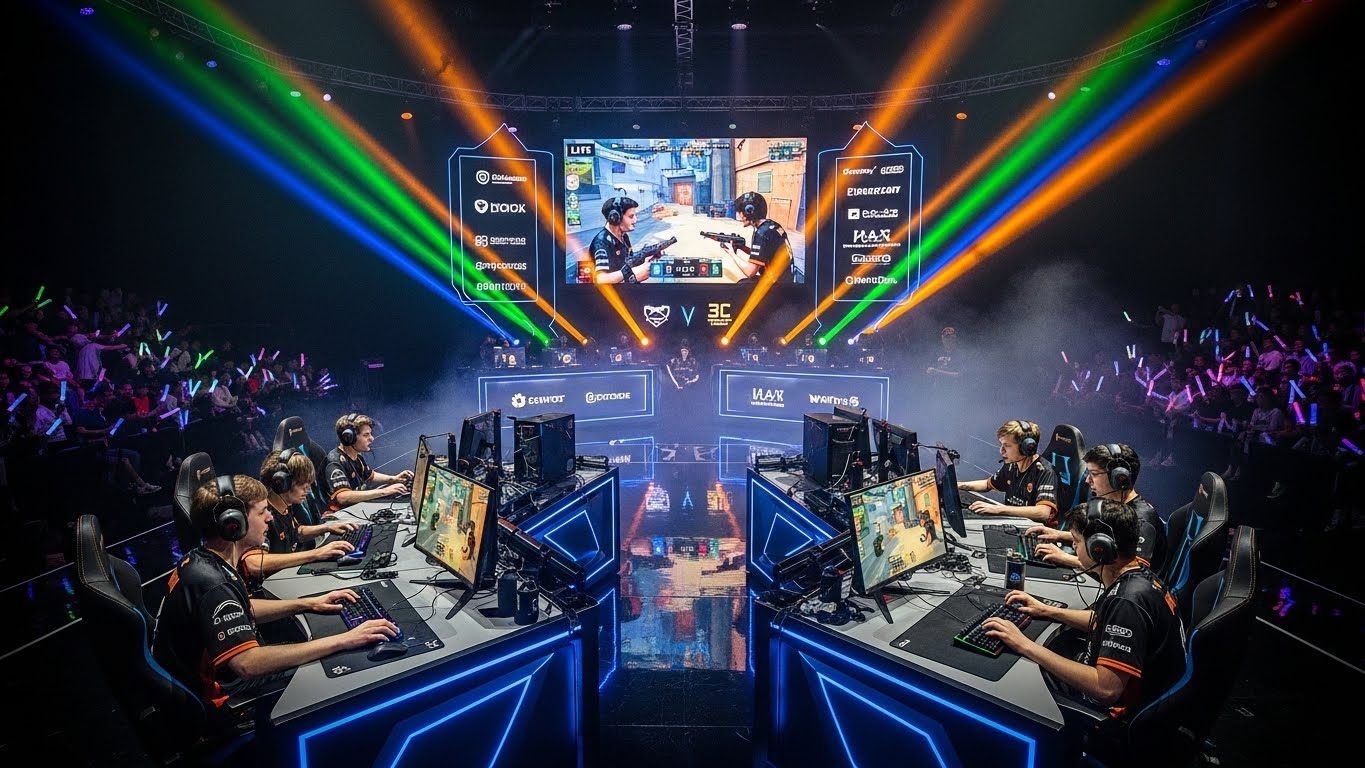
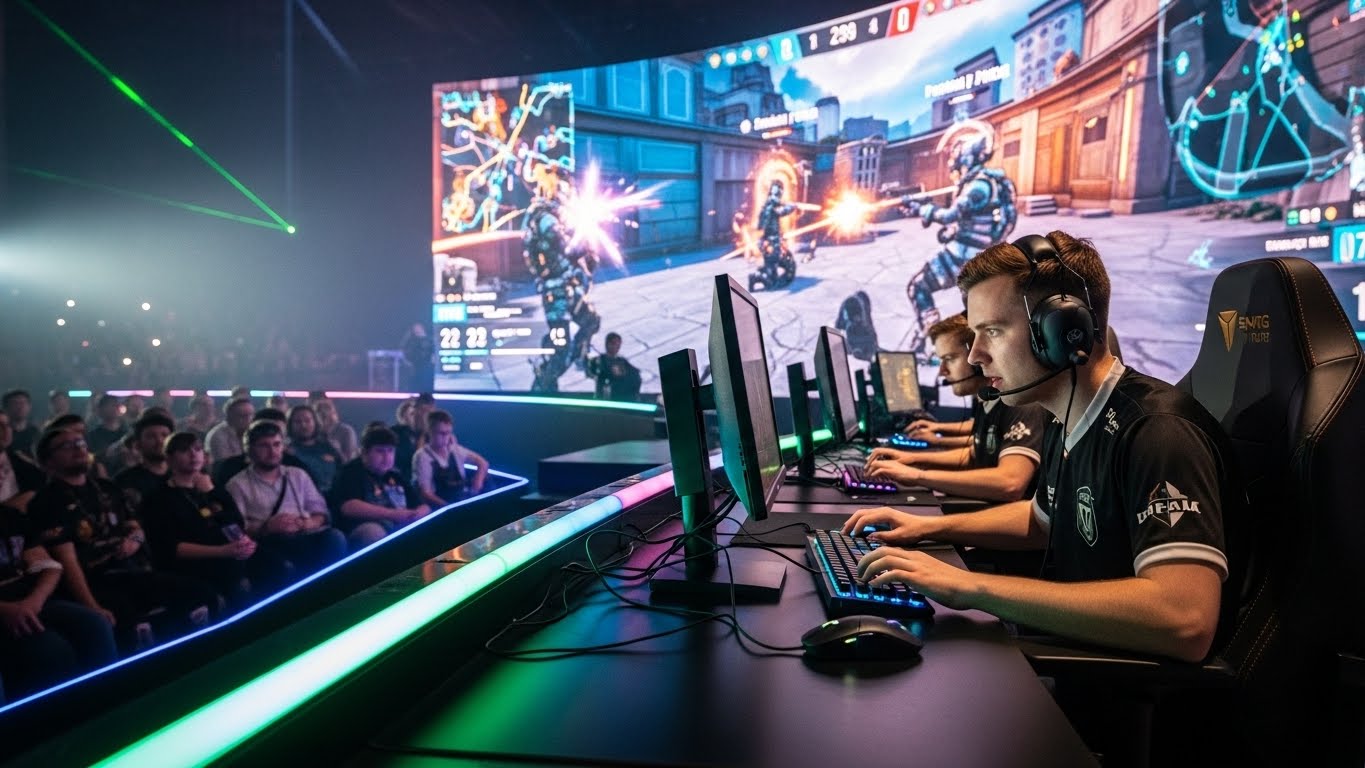
Esports, short for electronic sports, is no longer a niche pastime or a subculture within the gaming world. Over the last decade, it has evolved into a global phenomenon, captivating millions of players, fans, and brands worldwide. With the advancement of technology, the rise of streaming platforms like Twitch, and the growing support of major media and investment firms, esports has firmly established itself as a legitimate competitive sport. This blog post will explore the rise of esports, its impact on the entertainment industry, and what the future holds for this rapidly growing sector.
What Is Esports?
At its core, esports is organized, multiplayer video game competitions, particularly between professional players, individually or as teams. Esports encompasses a wide variety of games, from real-time strategy games like Starcraft to multiplayer online battle arenas (MOBAs) like League of Legends, and first-person shooters (FPS) like Counter-Strike and Overwatch. These games are typically played in tournaments with live streaming events, and the best players or teams compete for significant cash prizes, sponsorships, and sometimes even fame.
The appeal of esports lies in its combination of skill, strategy, and teamwork, which mirror traditional sports, albeit in a digital setting. Players train rigorously to perfect their techniques, build chemistry with teammates, and understand complex game mechanics. Fans are drawn to the same elements of competition that make sports like football, basketball, or soccer so engaging.
The Growth of Esports: A Brief History
The story of esports began in the late 1990s and early 2000s when gaming moved beyond simple arcade machines and into home computers. Early tournaments like Quake and Starcraft sparked the competitive gaming scene, though they were mostly small-scale local events. However, the rise of the internet, high-speed broadband, and live streaming significantly expanded the reach of esports.
In the mid-2000s, competitive gaming entered the mainstream with the advent of major tournaments like the World Cyber Games (WCG) and the Electronic Sports World Cup (ESWC), which garnered international attention. Games like Warcraft III and Counter-Strike were at the forefront of this movement, and players began forming teams, gaining sponsorships, and earning money from these tournaments.
The real turning point, however, came with the growth of streaming platforms such as Twitch and YouTube. These platforms allowed fans to watch live matches from anywhere in the world and interact with their favorite players. Twitch, in particular, revolutionized the way people consumed esports content, turning many players into household names and making esports events accessible to a broader audience.
Today, esports tournaments attract millions of viewers and players, with events like The International (Dota 2), League of Legends World Championship, and Overwatch League being broadcast globally, often with prize pools that surpass traditional sports events in terms of size.
The Business of Esports: A Multi-Billion Dollar Industry
Esports is not just about the players; it is also a thriving business ecosystem that includes advertisers, media companies, tech firms, and investors. The esports industry is estimated to be worth over $1 billion, and it continues to grow at an exponential rate.
Sponsorships and Advertising
Sponsorships are one of the primary revenue streams for esports organizations. Major brands like Intel, Coca-Cola, Red Bull, and Nike have all made significant investments in esports, seeing the potential to reach millions of young, tech-savvy consumers. Esports players and teams wear sponsored gear, and brands advertise during live streams, tournaments, and broadcasts.
Esports tournaments themselves also generate substantial revenue through ticket sales, broadcasting rights, and merchandise. For example, The International, Dota 2’s annual championship, has had prize pools of over $30 million, largely funded by crowdfunding through in-game purchases and contributions from fans.
Streaming Platforms and Content Creation
Platforms like Twitch, YouTube, and Facebook Gaming have become critical components of the esports ecosystem. These platforms not only allow fans to watch their favorite games and tournaments live but also offer an opportunity for content creators and players to earn income through ads, subscriptions, and donations.
Top esports players, streamers, and content creators are often able to build massive followings, sometimes surpassing the popularity of traditional sports stars. Personalities like Ninja (Tyler Blevins), Shroud, and PewDiePie have gained fame through streaming, influencing millions of fans across the globe.
Media Rights and Broadcasting
The media landscape for esports has evolved significantly over the past decade. Major networks such as ESPN, TBS, and even mainstream sports channels have started broadcasting esports tournaments, while specialized esports networks such as ESL and CSL have expanded the reach of competitive gaming.
As esports continues to attract attention from traditional media outlets, its influence on the broader entertainment landscape becomes more evident. The blending of gaming culture with traditional sports and entertainment is one of the driving forces behind the exponential growth of the industry.
Esports and the Global Fanbase
Esports has a unique advantage over traditional sports in that it transcends geographic boundaries. Unlike football or basketball, which are often confined to specific regions, esports tournaments can be played and watched by people from all corners of the world. The international appeal is amplified by the digital nature of esports, as fans can tune in from any country, regardless of time zone or location.
Countries such as South Korea, China, and the United States have become hubs for esports, but even nations with smaller gaming populations, like Brazil, Sweden, and Germany, have developed thriving esports scenes. Regional leagues and tournaments provide a platform for local talent to rise through the ranks and eventually compete at the global level.
Esports has also become an important social activity for many fans, providing a sense of community and shared passion. Through online forums, Discord servers, social media groups, and live stream chats, fans can connect with each other and engage in discussions about their favorite games and teams. The shared experience of watching a thrilling esports match can feel just as intense and emotional as following a live sports game.
The Role of Professional Teams and Players
Professional esports teams are the backbone of the competitive scene. Similar to traditional sports, these teams consist of highly skilled players who specialize in specific games or roles. Teams like Team Liquid, Fnatic, Cloud9, and G2 Esports have gained international recognition, and their players are seen as some of the best in the world.
Much like athletes in traditional sports, professional esports players dedicate countless hours to training, refining their skills, and practicing strategies. They often live together in gaming houses, where they spend hours each day playing and reviewing their gameplay. Esports players also work closely with coaches, analysts, and psychologists to improve their individual and team performance.
A key difference, however, is the relatively young age of most esports players. Many start their careers in their teens and can reach the peak of their competitive careers in their early twenties. As a result, esports players must be able to manage the pressures of competition, burnout, and the challenge of staying relevant in an industry that evolves rapidly.
The Future of Esports: What’s Next?
Esports is at a crossroads. While the industry has already made significant strides in terms of viewership, sponsorships, and investment, there is still much room for growth and innovation.
Integration with Traditional Sports
One of the most significant trends in the esports space is the increasing overlap between esports and traditional sports. Many professional sports teams, including those in football, basketball, and soccer, have invested in esports. Teams like Paris Saint-Germain and Manchester City have their own esports divisions, and NBA franchises like the Los Angeles Lakers and Boston Celtics have entered the esports market through NBA 2K League teams.
Esports leagues and events are also beginning to resemble traditional sports leagues, with regular seasons, playoffs, and world championships. As the popularity of esports continues to rise, it could eventually lead to a new era where the boundaries between traditional sports and digital sports become increasingly blurred.
Growth of Mobile Esports
Another area with massive growth potential is mobile esports. With smartphones becoming more powerful and internet infrastructure improving globally, mobile gaming is set to become a dominant force in the esports ecosystem. Games like PUBG Mobile, Clash Royale, and Arena of Valor are already attracting large audiences, and mobile esports tournaments are growing rapidly in countries with large mobile user bases, such as India and Southeast Asia.
Virtual Reality (VR) and Augmented Reality (AR)
In the future, esports may extend beyond the current landscape of PC and console gaming to include immersive virtual reality (VR) and augmented reality (AR) experiences. As VR technology continues to improve, it could open up new possibilities for esports tournaments and experiences. Imagine watching a live VR esports match where you are placed right in the middle of the action, as if you were an actual participant. Such advancements could revolutionize the way fans engage with the sport.
Conclusion: A Bright Future for Esports
Esports has undeniably become one of the most dynamic and rapidly growing sectors within the entertainment industry. With its vast global audience, significant investment, and ever-expanding opportunities, esports is more than just a hobby or trend—it is a legitimate sport and a multi-billion-dollar industry in its own right. As technology advances, the lines between gaming, entertainment, and sports continue to blur, ensuring that esports will remain a prominent force in the years to come.
Whether you’re a player, fan, or investor, it’s clear that esports is here to stay. With its endless potential for innovation and growth, the future of competitive gaming looks incredibly bright.