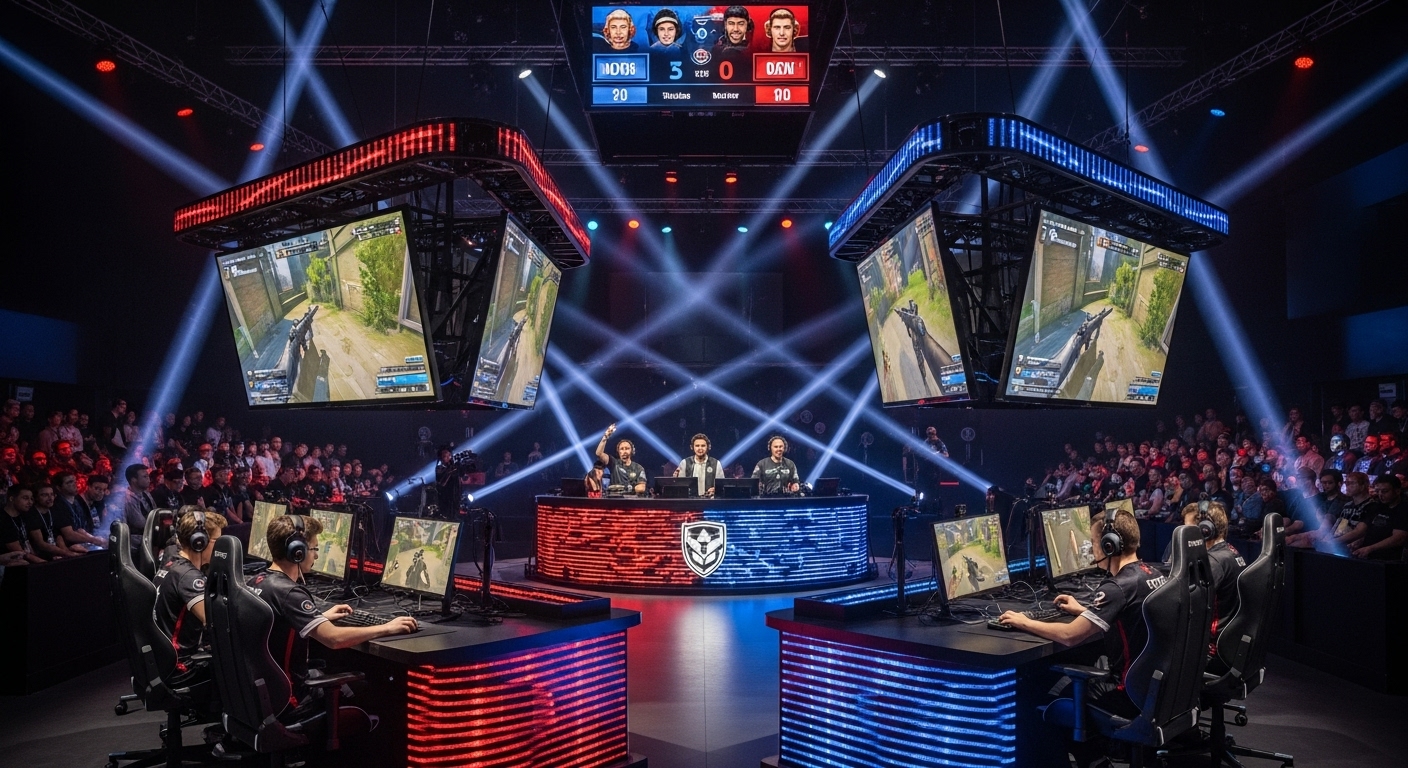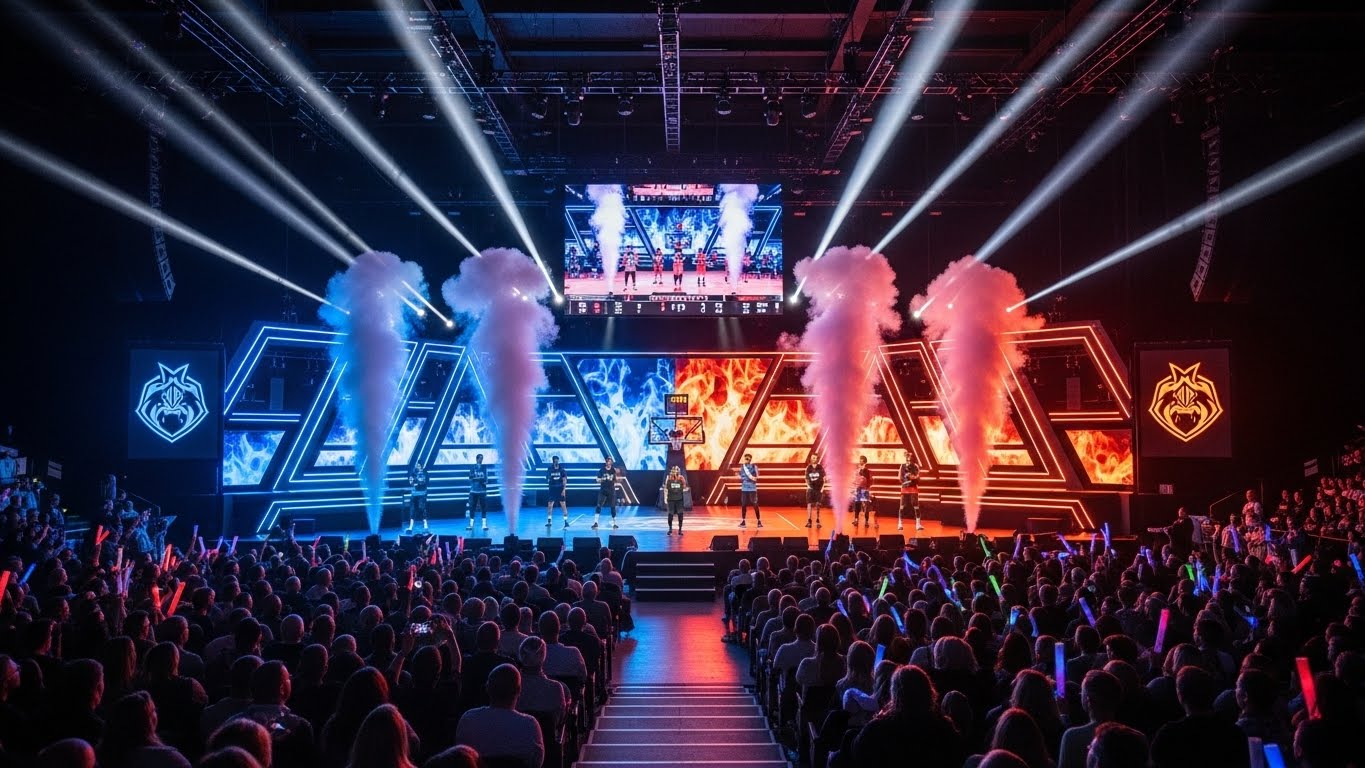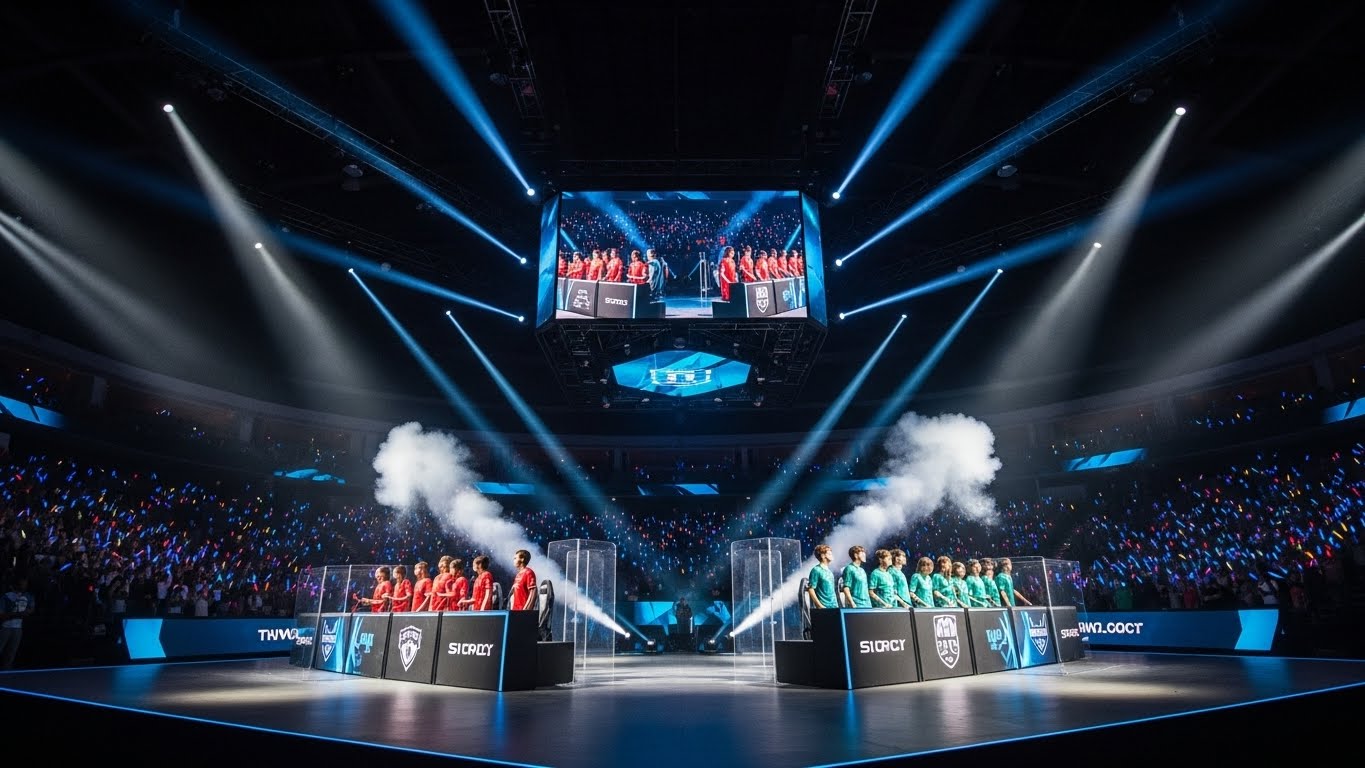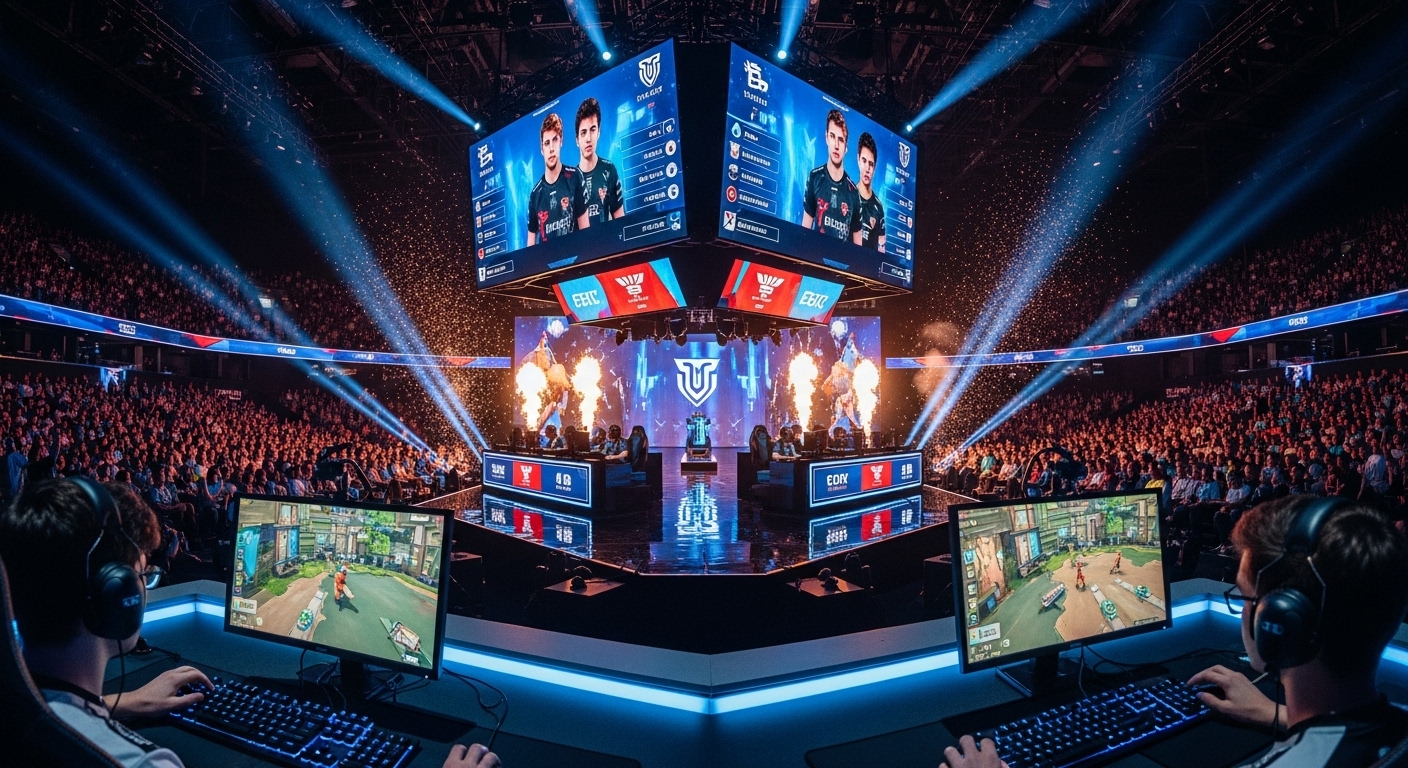
Esports has evolved from a niche hobby into a global phenomenon that captivates millions around the world. Once seen as a pastime for the dedicated few, esports now boasts huge audiences, professional players, and multi-million dollar prize pools. This blog post takes a closer look at the world of esports—its history, rise to prominence, economic impact, and the potential for the future of competitive gaming.
The Early Days of Esports: A New Form of Competition
Competitive gaming has been around for decades, though its early days were marked by small-scale tournaments and limited audiences. The first known esports tournament, the Spacewar competition held in 1972 at Stanford University, was far from the grand productions we see today. It was a modest event, with no cash prizes, no live-streaming, and certainly no large audience. Yet, it marked the first step in a journey toward what we now know as esports.
By the 1990s, the growing popularity of PC gaming helped to foster the development of more formalized competitive events. Games like Quake, Warcraft, and StarCraft became the bedrock for early esports competitions, setting the stage for the larger-scale tournaments to come. The Red Annihilation tournament in 1997, held for Quake, was one such early event that attracted a sizable crowd and a $1,000 prize, which helped to cement the idea that gaming could be competitive and profitable.
While these early tournaments were largely localized to gaming communities and smaller fanbases, they laid the foundation for something bigger. As technology advanced, so too did the scope of competitive gaming.
The Emergence of Online Platforms and Global Reach
The real turning point for esports came with the advent of the internet and the rise of online multiplayer games. As gaming moved from LAN (local area network) parties to online platforms, the opportunity for players to compete across the globe became a reality. The late 1990s and early 2000s saw the launch of games like Counter-Strike, Warcraft III, and StarCraft II, all of which played pivotal roles in transforming competitive gaming from local competitions to international events.
One of the most important developments was the creation of platforms like Twitch, which launched in 2011. Twitch revolutionized the way people experienced esports by offering a space where gamers could broadcast their gameplay to an audience. No longer did fans have to be in the same physical location as their favorite player or team. They could now watch in real-time, participate in live chats, and experience the excitement of esports from the comfort of their homes.
By the mid-2010s, Twitch and similar platforms had become the primary means for fans to engage with esports content. Through these platforms, major tournaments such as The International for Dota 2, League of Legends World Championship, and CS:GO Major Championships attracted millions of viewers, signaling that esports was no longer just a hobby but a serious global entertainment industry.
Professional Esports: From Hobby to Career
As esports gained popularity, the concept of professional gaming emerged. Professional esports players began to sign contracts with major teams, participating in tournaments and leagues with consistent schedules and lucrative prizes. No longer were competitive gamers just hobbyists; they were athletes, supported by coaches, managers, analysts, and sponsors. Esports organizations, similar to traditional sports teams, began to operate like businesses, with investment in talent development, merchandise, and global marketing efforts.
The rise of esports teams and leagues has paralleled the growth of traditional sports franchises. Teams like Cloud9, Team Liquid, and Fnatic became household names within the esports world, and many of these organizations have expanded into multiple games, fielding teams across various titles like League of Legends, Valorant, Fortnite, and Apex Legends.
Players, too, began to rise to stardom. Pro gamers like Faker (Lee Sang-hyeok), Ninja (Tyler Blevins), and s1mple (Oleksandr Kostyliev) have become celebrities in their own right, garnering millions of followers on social media, streaming platforms, and other digital spaces. Their skill, charisma, and dedication to their craft have made them role models for aspiring gamers.
With professionalization came not only increased visibility but also financial reward. Prize pools for esports tournaments have reached astronomical figures. For instance, The International Dota 2 championship has seen its prize pool rise to over $40 million in recent years, a sum that far exceeds the prize pools for many traditional sports tournaments.
The Cultural Impact of Esports
Esports’ impact goes beyond just the gaming community. It has reached into pop culture, education, and even the world of traditional sports. In 2018, the League of Legends World Championship final held at the Incheon Munhak Stadium in South Korea drew more viewers than the Super Bowl, signaling a shift in the way people consume entertainment.
Moreover, esports has influenced the way people interact with technology, social media, and even each other. Streaming platforms like Twitch have allowed fans to engage with their favorite gamers in real-time, creating a sense of community and direct interaction that was previously absent from traditional sports. Viewers can cheer, comment, donate, or simply spectate as they watch their favorite players compete.
Additionally, esports has been incorporated into academic programs and higher education. Universities across the world now offer esports scholarships, while some schools have even developed formal esports teams. The rise of collegiate esports leagues has mirrored the development of traditional sports programs, with some universities building state-of-the-art arenas for their teams. These programs provide a legitimate pathway for students to turn their passion for gaming into a career, either as a professional player or in behind-the-scenes roles such as event management, broadcasting, and team management.
Esports and the Global Economy
Esports has become a massive economic force, with the industry generating billions of dollars annually. According to estimates, the global esports market was valued at over $1 billion in 2020, with projections for further growth in the coming years. Revenue streams for esports include sponsorship deals, media rights, advertising, merchandise sales, ticket sales for live events, and the sale of in-game items and skins.
Major companies, from tech giants like Intel and Nvidia to beverage brands like Coca-Cola and Red Bull, have invested heavily in esports sponsorships. These companies recognize the vast potential for reaching young, tech-savvy audiences through esports, which has become a key component of their marketing strategies. As esports has grown, the number of brands involved in the ecosystem has exploded, leading to increased funding for teams, tournaments, and content creators.
The economic impact of esports is also felt on a local level. Cities around the world have built esports arenas and facilities, hoping to capitalize on the tourism and job opportunities that come with hosting major tournaments. Cities such as Los Angeles, Seoul, and Berlin have become esports hubs, drawing in fans from all over the world to experience live events and engage with the gaming culture.
The Future of Esports: What Lies Ahead?
As esports continues to grow, the future of competitive gaming looks incredibly promising. One of the most exciting developments is the integration of new technologies such as virtual reality (VR) and augmented reality (AR). While esports is currently dominated by traditional PC and console games, VR and AR have the potential to revolutionize the way esports tournaments are conducted and experienced by viewers.
Additionally, the rise of mobile gaming offers new opportunities for esports to expand into regions where high-performance gaming PCs or consoles are less accessible. Mobile esports leagues and tournaments have already gained significant traction in countries like China, South Korea, and Southeast Asia, where mobile phones are the primary platform for gaming.
Esports may also find its way into the Olympic Games. The International Olympic Committee has expressed interest in including esports as an official event, and while the logistics are still being worked out, the possibility of esports making its way into the Olympics signals the growing legitimacy of the competitive gaming scene.
Conclusion: A Permanent Fixture in the Entertainment Landscape
Esports has come a long way since its humble beginnings. From small LAN parties and amateur tournaments to a multi-billion dollar industry with professional players and massive global audiences, esports has solidified its place as a major force in entertainment. With continued technological advancements, increased investment, and growing fanbases, esports will only continue to expand its reach.
Whether you are a casual viewer, a professional player, or a passionate fan, it’s clear that esports has become much more than just a game. It is a vibrant, ever-evolving cultural phenomenon that is shaping the future of entertainment and sports. As esports continues to grow and evolve, its influence will extend beyond gaming, creating new opportunities and redefining what it means to be a competitive athlete in the digital age.