Introduction: The Unstoppable Rise of Esports
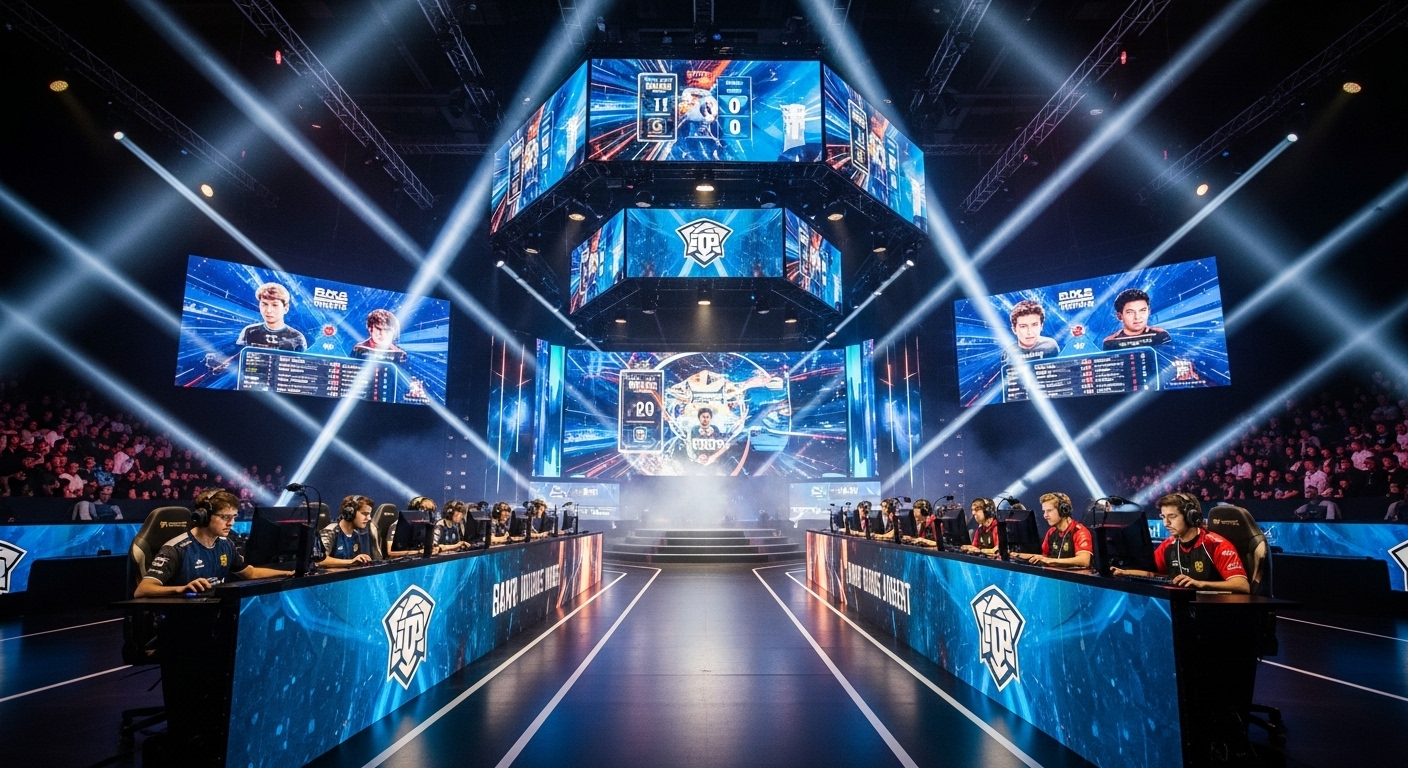
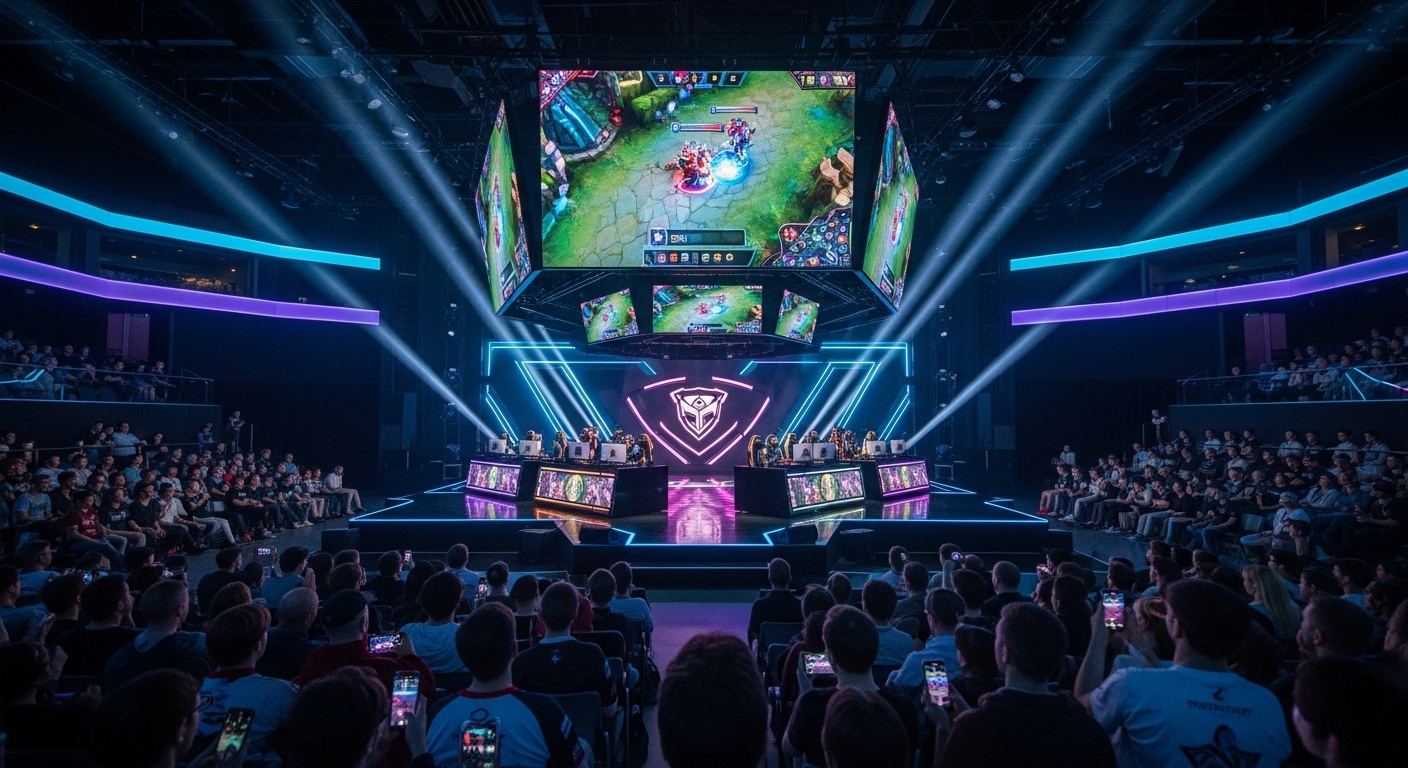
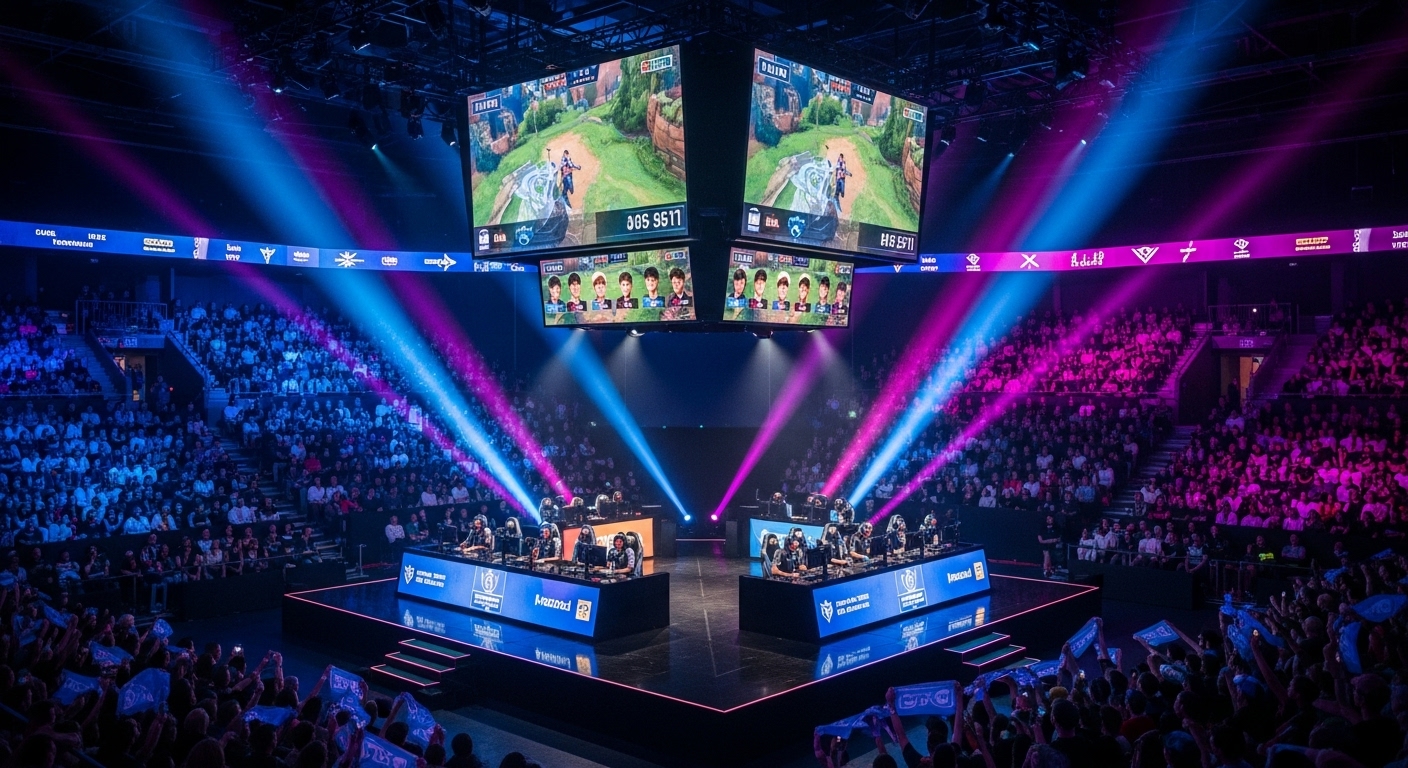
Esports has rapidly transformed from a niche subculture into a global entertainment powerhouse. In just a few decades, competitive gaming has grown from a small community of players gathering for local tournaments to a billion-dollar industry, attracting millions of fans and professional athletes from around the world. This explosive rise has reshaped the landscape of both the gaming world and the broader entertainment industry, giving birth to new forms of competition, entertainment, and business. In this blog, we explore how esports became the cultural and economic force it is today and where it’s headed in the future.
The Early Days: How Competitive Gaming Got Its Start
While the term “esports” may be relatively new, competitive gaming has roots that stretch back to the 1970s. One of the first recorded instances of organized gaming competition was in 1972, when Stanford University hosted the Spacewar Championship, one of the first video games that allowed multiple players to compete against each other. This event, though small, marked the beginning of something that would go on to shape the gaming industry for decades to come.
However, it wasn’t until the 1990s that esports as we know it began to take shape. Online gaming platforms like Battle.net (launched by Blizzard Entertainment in 1996) allowed players from around the world to connect and compete in games like StarCraft and Warcraft. This marked the first real step toward creating a competitive global gaming community. Around the same time, major tournaments like the Cyberathlete Professional League and the World Cyber Games started to appear, offering the first significant platforms for esports athletes to compete for cash prizes and recognition.
The Impact of Streaming: Changing the Esports Landscape
Streaming platforms played a pivotal role in propelling esports from a niche interest into a mainstream phenomenon. Before the rise of streaming, fans had to watch tournaments in person or on television, which limited accessibility. The launch of Twitch in 2011 changed everything. This platform allowed gamers to stream their gameplay live to a global audience, giving fans the ability to watch esports events in real time from anywhere in the world.
Streaming not only made esports more accessible but also more interactive. Fans could now engage with players and commentators through live chats, creating a sense of community that traditional sports lacked. The appeal of watching someone else play professionally became a new form of entertainment, leading to millions of viewers tuning into top-tier esports events. Additionally, Twitch became a breeding ground for esports stars, with many players gaining fame through their live streams, attracting lucrative sponsorships and fanbases of their own.
This shift toward streaming platforms also allowed for the rise of esports as a spectator sport, with tournaments for games like League of Legends, Dota 2, Fortnite, and Counter-Strike: Global Offensive reaching global audiences. These events garnered millions of viewers, surpassing the viewership of some traditional sporting events. Streaming became the lifeblood of esports, bringing players and fans together in a new digital arena.
The Business of Esports: Sponsorships, Prize Money, and Big Money Leagues
As esports grew in popularity, it attracted the attention of major corporations looking to tap into a new, young, tech-savvy audience. Sponsorships from global brands like Coca-Cola, Intel, Mercedes-Benz, and Nike became essential to the financial ecosystem of esports. These companies saw the potential of esports to reach millions of potential consumers and began investing heavily in tournaments, teams, and individual players.
Prize money for major tournaments grew exponentially, with events like The International (Dota 2’s annual tournament) and League of Legends World Championships offering multi-million-dollar prize pools. In 2019, The International‘s prize pool reached over $34 million, a record for esports tournaments. This financial backing not only elevated the status of esports as a legitimate sport but also gave professional players the opportunity to make lucrative careers out of their skills.
In addition to prize money, professional esports teams began to form, with players, coaches, analysts, and managers working together to compete at the highest level. Esports organizations such as Cloud9, Team Liquid, Fnatic, and T1 have established themselves as powerhouses in the competitive scene. These teams sign sponsorship deals, run content channels, and build fanbases, much like traditional sports franchises.
Moreover, the rise of professional leagues has solidified esports as a serious competition. Leagues like the Overwatch League, Call of Duty League, and League of Legends Championship Series (LCS) have created long-term structures for teams and players to compete in, complete with regular seasons, playoffs, and championship events. These leagues mirror the structure of traditional sports leagues, providing players with stable careers, fans with consistent content, and investors with a return on their investment.
Esports as a Career: Professional Players, Coaches, and Content Creators
Esports has become a viable career path for many players, coaches, analysts, and content creators. Professional players dedicate their time to mastering specific games, often spending 12 to 14 hours a day practicing, competing, and refining their skills. The commitment required to reach the highest level of esports is similar to that of traditional athletes, with players enduring intense mental and physical training to stay competitive.
Beyond the players themselves, esports has created a wide array of job opportunities. Coaches, team managers, analysts, and broadcasters play critical roles in ensuring teams perform at their best and that tournaments are conducted smoothly. These roles require expertise in game mechanics, strategy, and communication, making them just as important as the players on the field.
Additionally, content creators who stream their gameplay or offer analysis, commentary, and tutorials are integral to the esports ecosystem. Many streamers have gained massive followings on platforms like Twitch and YouTube, creating lucrative careers through sponsorships, donations, and advertisements. Esports influencers have become celebrities in their own right, with the ability to influence trends, promote products, and shape the culture of competitive gaming.
The Global Appeal of Esports: A Worldwide Phenomenon
One of the most remarkable aspects of esports is its global reach. While traditional sports have regional followings, esports is truly international. Players from every continent compete against each other, and fans from all over the world tune in to watch the action unfold.
Asia, particularly South Korea, has long been at the forefront of the esports scene. South Korea’s government heavily invested in the growth of esports, creating a robust infrastructure that included government-backed training centers and esports academies. South Korean players and teams have dominated games like StarCraft, League of Legends, and Overwatch, helping establish the country as the epicenter of esports.
In recent years, however, North America and Europe have also become major players in the esports scene. Countries like the United States, Canada, and the UK have seen significant growth in both the number of esports events and the quality of competition. China, too, has become a global esports powerhouse, with millions of players and viewers supporting top-tier games like Honor of Kings and League of Legends.
The ability of esports to transcend geographical boundaries is part of what makes it so unique. Unlike traditional sports, where viewership is often limited by location, anyone with an internet connection can watch an esports event. Major tournaments are broadcast in multiple languages, allowing fans from different regions to follow the action and cheer on their favorite teams and players. This global community has fostered a sense of inclusivity and connection, bridging cultures and continents through the shared love of gaming.
Esports and the Future: What Lies Ahead
The future of esports is incredibly promising. As technology continues to advance, esports will become even more immersive, interactive, and accessible. Virtual reality (VR) and augmented reality (AR) have the potential to completely change the way esports events are experienced. With VR headsets, fans could watch a tournament from within the arena, giving them the feeling of being right there with the players.
Additionally, the expansion of 5G technology promises to improve internet speeds, making online gaming and live streaming more reliable. This will allow for smoother broadcasts and less lag during competitive play, enhancing the viewing experience for fans and players alike.
Esports is also expected to continue its integration with traditional sports. The potential for esports to be included in multi-sport events like the Olympics has been discussed for years, and while this is still a work in progress, the idea of esports being considered alongside conventional sports is becoming more likely.
Finally, mobile gaming is expected to play a significant role in the future of esports. Mobile esports has already gained traction in regions like Southeast Asia, where games like PUBG Mobile and Mobile Legends are incredibly popular. As smartphones become more powerful, mobile esports will continue to grow, offering new opportunities for both players and fans.
Conclusion: Esports—A New Era of Entertainment
Esports has undeniably reshaped the way we view both gaming and competitive sports. What was once a fringe activity has grown into a global entertainment powerhouse, attracting millions of fans, players, and investors. With its accessibility, international appeal, and potential for technological innovation, esports is poised to continue its rapid ascent, becoming a major force in the entertainment world.
As esports continues to evolve, it will bring new opportunities, challenges, and experiences for both players and fans. The digital age has given birth to a new form of competition, and as technology advances, the future of esports looks brighter than ever. From humble beginnings to global domination, esports is here to stay, and its influence on the world of sports and entertainment is only just beginning.