Esports, short for electronic sports, has emerged as one of the most dynamic and rapidly growing industries in the world. What started as casual competitive gaming among friends has transformed into a global phenomenon attracting millions of viewers, significant sponsorship deals, and professional players who dedicate their lives to mastering their craft. This blog explores the various dimensions of esports, from its history to its modern-day impact on culture, technology, and entertainment.
A Brief History of Esports
The roots of esports can be traced back to the early 1970s and 1980s when arcade games became widely popular. Events like the 1980 Space Invaders Championship in the United States showcased the competitive potential of video gaming. However, it wasn’t until the 1990s, with the advent of personal computers and networked multiplayer games, that esports began to take shape in the way we recognize it today. Games like StarCraft in South Korea created the first professional gaming scene, giving rise to tournaments, fan followings, and televised broadcasts.
The early 2000s saw the rise of esports leagues and online competitions. Titles such as Counter-Strike, Warcraft III, and Dota became staples of competitive gaming. These games introduced structured tournaments, prize pools, and professional teams. By the 2010s, esports had evolved into a fully-fledged industry with international recognition, fueled by platforms like Twitch and YouTube Gaming that allowed fans to watch live streams of competitions from anywhere in the world.
The Different Genres of Esports
Esports is not limited to one type of game. Various genres have developed their own competitive communities, each with unique mechanics, strategies, and fan bases. Some of the most popular genres include:
Multiplayer Online Battle Arenas (MOBAs)
MOBAs, such as League of Legends and Dota 2, are team-based strategy games where players control a single character with unique abilities and collaborate to defeat the opposing team. These games emphasize teamwork, quick decision-making, and strategic planning. Large tournaments like the League of Legends World Championship draw millions of viewers and award multi-million-dollar prize pools to winning teams.
First-Person Shooters (FPS)
FPS games, such as Counter-Strike: Global Offensive and Call of Duty, focus on precision, reflexes, and tactical execution. Players compete in teams or individually to complete objectives, often involving combat scenarios. Competitive FPS gaming is known for its intense matches, with a combination of mechanical skill and strategic positioning determining the outcomes.
Battle Royale Games
The rise of games like Fortnite, PUBG, and Apex Legends introduced the battle royale genre, where large groups of players fight to be the last person or team standing. The popularity of these games stems from their unpredictable gameplay, where a single match can unfold differently every time. Esports tournaments for battle royale games often feature both individual and team-based competitions, with strategies evolving constantly as the meta changes.
Fighting Games
Fighting games, including Street Fighter, Tekken, and Super Smash Bros., highlight one-on-one competition where precision inputs and character mastery are crucial. Fighting game tournaments often have passionate fanbases and are celebrated for their intense, head-to-head rivalries. These games emphasize personal skill and adaptability, making every match a showcase of individual talent.
Sports Simulations and Racing Games
Simulated sports games like FIFA, NBA 2K, and racing games like Gran Turismo and iRacing bring traditional sports into the digital realm. Players compete virtually but require real-world knowledge, reflexes, and strategic thinking. Leagues for these games often mirror professional sports structures, including seasons, rankings, and championship tournaments.
The Rise of Professional Players
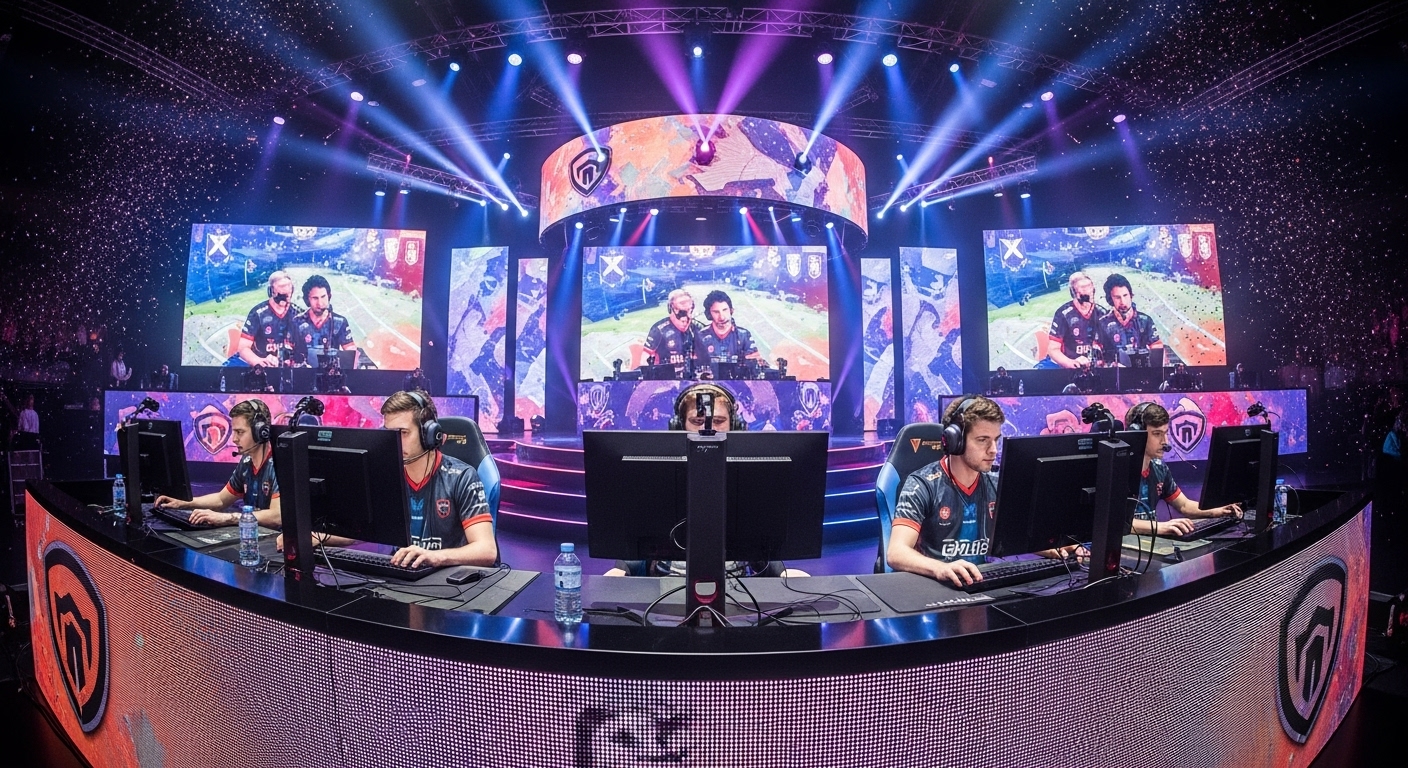
Professional esports players are akin to athletes in traditional sports. They spend countless hours practicing, analyzing opponents, and refining their skills. Unlike casual gamers, professional players treat gaming as a career. Top-tier players are often part of professional teams, receive salaries, and compete in international tournaments.
The life of an esports professional is both rewarding and challenging. While they gain fame, sponsorships, and financial stability, the demands of the profession can be intense. Daily practice routines can last for six to twelve hours, often requiring mental resilience, teamwork, and a deep understanding of game mechanics. In addition, players must maintain physical health, as long hours of gaming can take a toll on posture, eyesight, and general well-being.
Esports Teams and Organizations
Esports teams are central to the industry, acting as the backbone of competitive play. Organizations like Team Liquid, Fnatic, Cloud9, and T1 are household names in the gaming community. These teams recruit the best talent, provide coaching, and manage logistics for tournaments. Many organizations also have partnerships with sponsors, tech companies, and merchandise brands, reflecting the commercial viability of esports.
Team dynamics in esports are critical. Unlike individual competition, team-based games require synergy, communication, and trust. Professional teams often have analysts and strategists who study opponents, create game plans, and optimize strategies for each tournament. The level of preparation and professionalism rivals that of traditional sports teams.
The Spectator Experience
One of the reasons esports has exploded in popularity is its appeal to spectators. Unlike conventional sports, where fans watch physical athleticism, esports viewers are captivated by strategy, skill, and storytelling. Platforms like Twitch, YouTube Gaming, and Facebook Gaming allow millions of fans to watch live tournaments, follow their favorite players, and engage in interactive chat discussions.
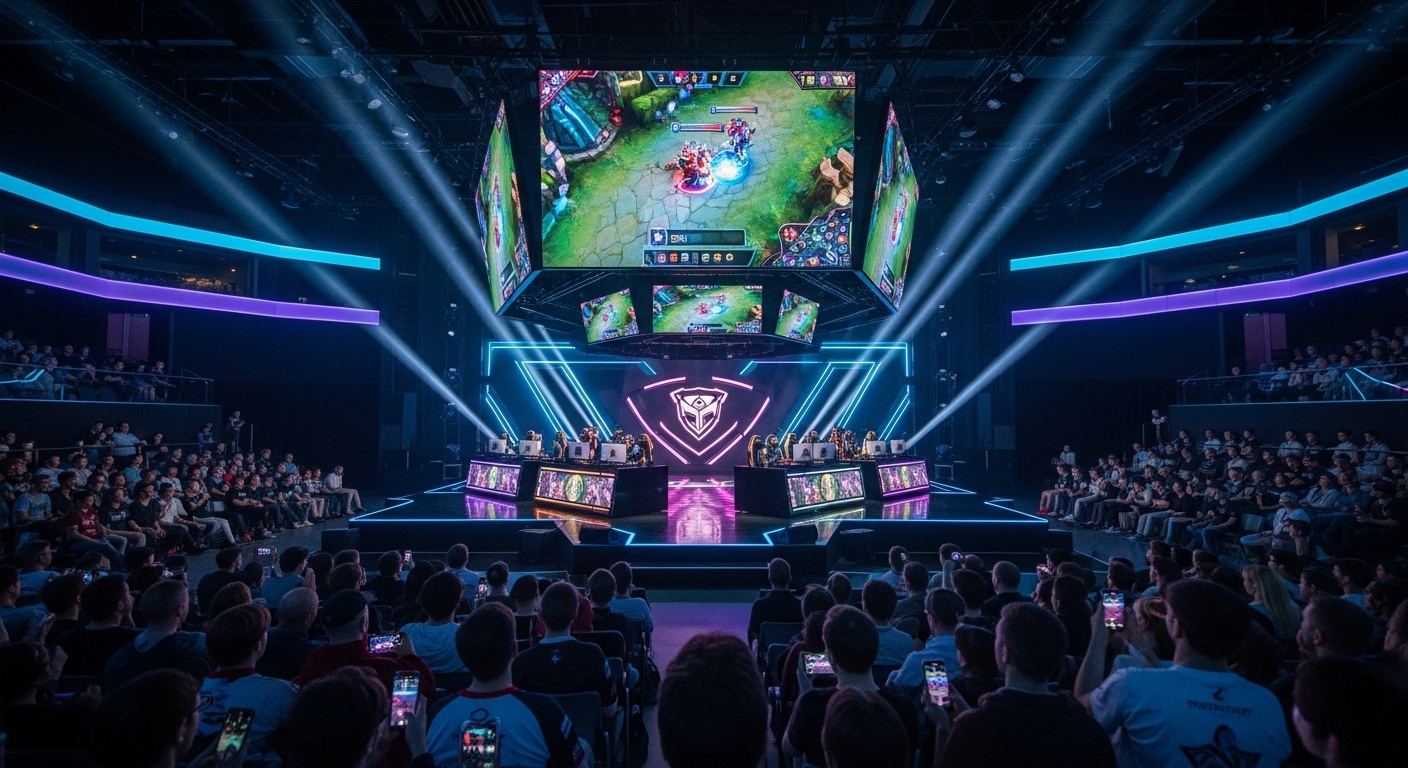
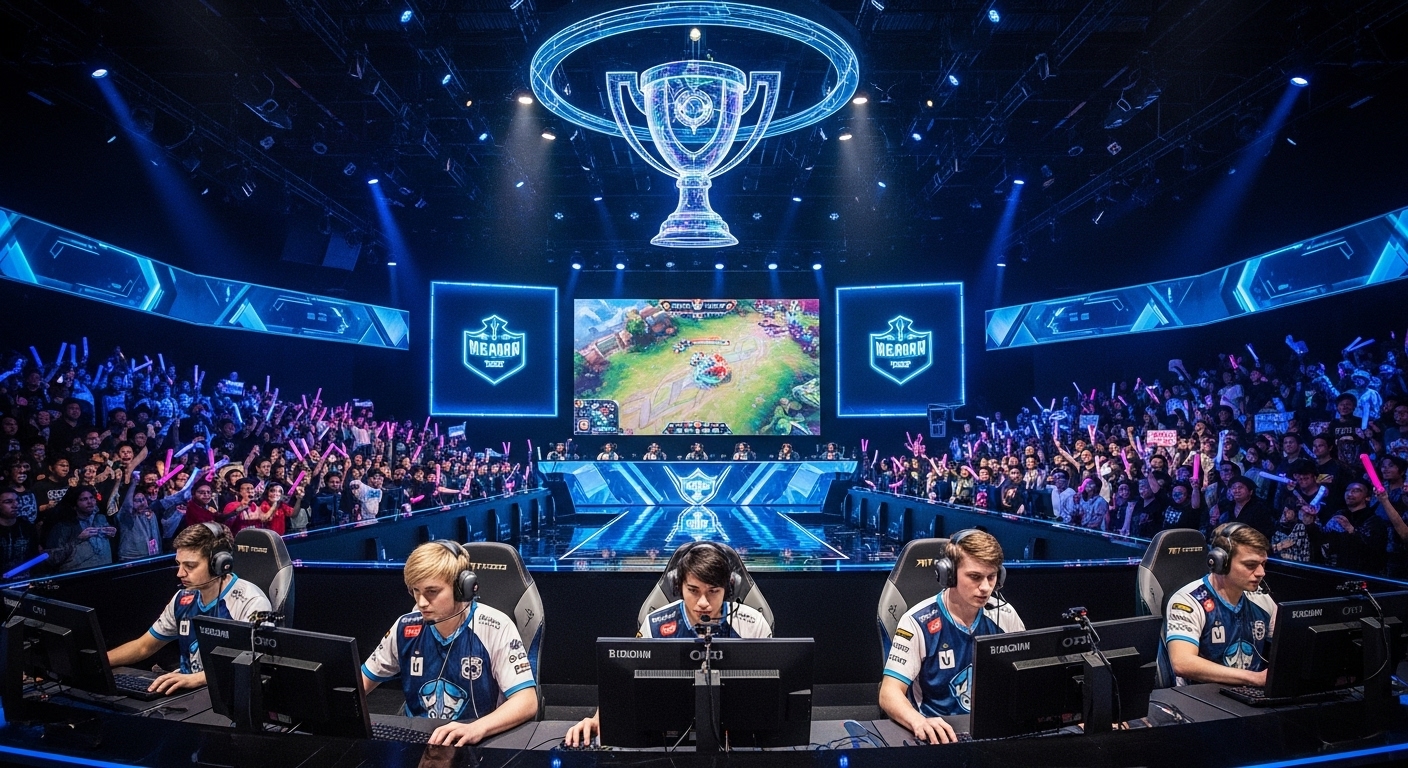
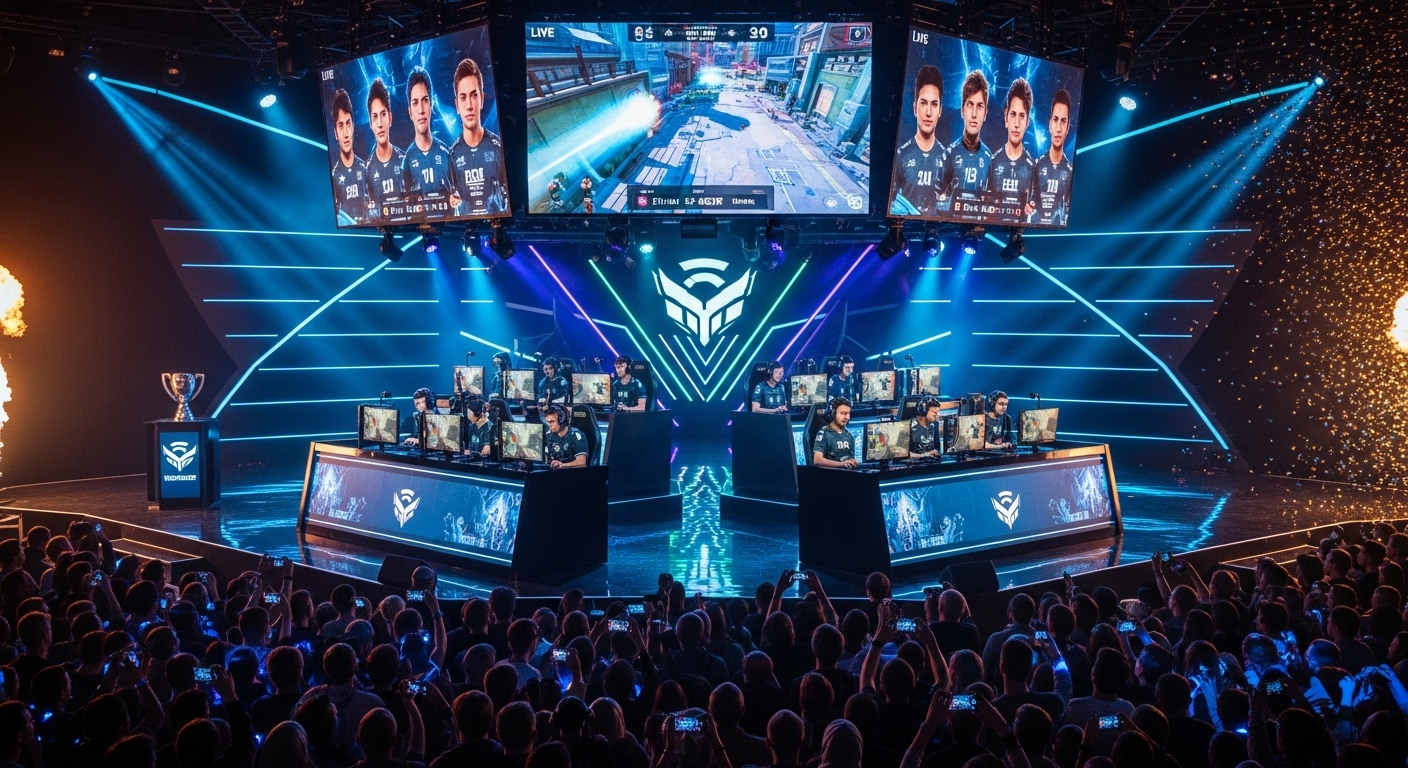
Esports events often mirror traditional sports experiences, with commentators, play-by-play analysis, and live audience participation. The excitement is amplified by digital overlays, instant replays, and audience polls, creating a highly immersive experience. Major tournaments, such as the Dota 2 International or Fortnite World Cup, attract stadium-sized audiences in addition to millions of online viewers, blending digital and physical entertainment seamlessly.
Economic Impact of Esports
Esports has become a multi-billion-dollar industry. Revenue streams include sponsorships, merchandise, advertising, ticket sales, and streaming platforms. Major brands, from tech companies to fast-food chains, are investing in esports as a marketing avenue due to its young, engaged, and tech-savvy audience.
Prize pools for tournaments have also skyrocketed. Some esports competitions award multi-million-dollar prizes, rivaling traditional sports tournaments. The Dota 2 International, for example, is famous for its massive crowdfunded prize pool, which has exceeded thirty million dollars in recent years. This financial growth has created career opportunities not only for players but also for coaches, commentators, event managers, and content creators.
Technological Advancements Driving Esports
Technology has played a crucial role in shaping esports. High-speed internet, powerful gaming hardware, and advanced streaming platforms have enabled global competition and spectating. Virtual reality (VR) and augmented reality (AR) are opening new possibilities for immersive esports experiences, allowing fans to feel as though they are inside the game.
Artificial intelligence (AI) also plays a role in esports, from analyzing player performance to creating adaptive training systems. These technologies help players and teams refine their skills, optimize strategies, and gain competitive advantages. Additionally, AI-generated analytics enhance the spectator experience by providing real-time insights and predictions during matches.
The Cultural Significance of Esports
Esports is more than just a competition; it is a cultural phenomenon. It has influenced fashion, music, and social interactions. Gaming conventions, cosplay events, and esports fan communities create shared experiences that transcend borders. For many, esports represents a sense of belonging and identity.
The rise of female gamers, diversity initiatives, and inclusive tournaments highlight the evolving nature of the esports community. While challenges like toxicity, harassment, and representation remain, the industry continues to push towards inclusivity and accessibility. Esports is becoming a global language, connecting people through shared passions and experiences.
Education and Esports
Educational institutions have recognized esports as a legitimate field of study and career path. Many colleges and universities now offer scholarships, degree programs, and competitive teams for esports. Students can pursue studies in game design, digital media, sports management, and even the psychological aspects of competitive gaming.
Esports education emphasizes critical thinking, teamwork, communication, and strategic planning. These skills are transferable to other fields, demonstrating that gaming can have academic and professional value. The integration of esports into education also helps legitimize gaming as a positive and productive pursuit rather than a purely recreational activity.
The Future of Esports
The future of esports looks promising and full of innovation. With advancements in technology, increasing investment, and growing global audiences, esports is poised to become an even more integral part of mainstream entertainment. Virtual stadiums, AI-driven training, and interactive fan experiences will continue to redefine how people engage with competitive gaming.
Moreover, esports has the potential to merge with traditional sports in new ways. Hybrid events, collaborations between professional leagues and gaming tournaments, and the inclusion of esports in multi-sport competitions could further elevate its status. As accessibility improves worldwide, more players, fans, and professionals will join the community, driving the industry to new heights.
Conclusion
Esports has evolved from a niche hobby to a global powerhouse in entertainment, sports, and culture. Its growth has been fueled by technological innovation, passionate communities, and professional dedication. As the industry continues to expand, esports is not only redefining competition but also shaping the future of media, entertainment, and social interaction.
The rise of esports demonstrates that gaming is not just a pastime—it is a cultural movement, an economic force, and a legitimate career path. Whether you are a player, fan, or industry professional, there has never been a more exciting time to be part of the esports world.