Introduction
Esports, or competitive gaming, has transitioned from a niche hobby into a global entertainment industry. What was once a small community of dedicated players competing in local tournaments has now become a multi-billion-dollar business with millions of fans, professional teams, corporate sponsorships, and massive global events. Whether it’s watching a League of Legends championship or following a Fortnite tournament, the world of esports has captured the attention of people from all walks of life. In this blog post, we will explore how esports has evolved from its humble beginnings into the global powerhouse it is today, and what the future holds for this dynamic industry.
The Birth of Esports
The roots of esports can be traced back to the early days of gaming in the 1970s. During this time, video games like Space Invaders and Pong were gaining popularity, and players began to compete against one another for fun. However, the true beginnings of esports as a competitive, organized activity didn’t emerge until the late 1980s and early 1990s. The first recorded esports tournament was held in 1980 for the game Space Invaders, with a grand prize of $10,000. While this was a small event by today’s standards, it marked the beginning of competitive gaming.
In the following decades, competitive gaming grew alongside the gaming industry itself. In the 1990s, games like Doom, Quake, and Warcraft introduced networked multiplayer, allowing players to compete against each other online. This gave rise to the first real esports leagues, such as the Cyberathlete Professional League (CPL), founded in 1997, and the World Cyber Games (WCG), founded in 2000. These early events were small and regional, but they laid the groundwork for what would become a global esports scene.
The Growth of Esports in the 2000s
By the early 2000s, esports had expanded significantly. The advent of broadband internet and the increasing popularity of online multiplayer games provided the perfect environment for esports to grow. Titles like Counter-Strike, StarCraft, and Warcraft III became staples in the esports scene, with tournaments offering significant prize pools and attracting players from around the world.
One of the most important milestones in the history of esports came from South Korea, where gaming culture became a mainstream activity. In the early 2000s, South Korea saw the rise of professional gaming leagues, particularly for the game StarCraft. The country’s infrastructure supported high-speed internet cafes, where players could practice and compete. StarCraft was so popular that it was broadcast on national television, and players became celebrities in their own right. This helped establish esports as a legitimate career path for talented gamers.
The Korean model of esports would go on to inspire the rest of the world. As games like League of Legends and Dota 2 grew in popularity, other countries began to follow suit, establishing their own professional leagues and creating a more global ecosystem for competitive gaming.
The Explosion of Esports in the 2010s
The real turning point for esports came in the 2010s, when the industry began to experience exponential growth. This period was marked by several factors that propelled esports to the mainstream. One of the most significant was the rise of streaming platforms like Twitch, which allowed fans to watch live esports competitions from anywhere in the world. Before streaming, fans had to either attend events in person or watch highlights on YouTube. With Twitch and similar platforms, fans could watch entire tournaments live and interact with players in real-time via chat, creating an entirely new fan experience.
In 2011, Twitch revolutionized the way esports was consumed by giving fans the ability to watch live events from the comfort of their homes. The platform quickly became the hub for competitive gaming streams, with millions of viewers tuning in to watch professional players battle it out in tournaments. This made it easier for fans to follow their favorite teams and players, and it also helped build esports into a global spectator sport.
The success of games like League of Legends, Dota 2, Counter-Strike: Global Offensive, and Overwatch further contributed to the rapid growth of esports during the 2010s. The League of Legends World Championship, for example, became one of the most-watched events in esports history, with the 2018 final drawing over 100 million viewers. The Dota 2 International tournament, known for its massive prize pools funded by the community, reached a $40 million prize pool in 2021, demonstrating the financial scale esports had achieved.
Additionally, as the popularity of esports grew, so did the number of professional teams and organizations. Esports organizations like Team Liquid, Cloud9, Fnatic, and G2 Esports became household names. These organizations not only fielded top-tier players but also developed dedicated training facilities and coaching staffs to help their players succeed at the highest levels.
The Professionalization of Esports
As esports grew, it became more professionalized. No longer were players simply hobbyists competing for small cash prizes; they were athletes in a rapidly expanding competitive ecosystem. Professional players now train just like athletes in traditional sports, practicing for hours every day to hone their skills. They have coaches, analysts, and managers who help them improve, strategize, and focus on their overall well-being.
Esports players are now treated like traditional athletes, with team contracts, sponsorship deals, and long-term careers. Many players sign contracts with professional organizations, which provide them with salaries, benefits, and resources to help them succeed. The financial rewards have also increased significantly, with top players earning millions of dollars in prize money and sponsorships.
In addition to individual players, entire teams have become brands in their own right. Just as in traditional sports, esports organizations build their own fan bases, merchandise, and media deals. Sponsorships from major companies like Intel, Coca-Cola, and Nike have helped fund the growth of these organizations. Esports teams now have global fanbases, with supporters from countries all over the world.
The Fan Experience: How Esports Engages Viewers
One of the key factors driving the success of esports is its fan experience. Unlike traditional sports, where fans may only have access to games and events on specific dates, esports provides year-round content that fans can engage with at any time. With streaming platforms like Twitch, YouTube, and Facebook Gaming, fans have constant access to their favorite players, tournaments, and content creators.
The interactive nature of esports is another crucial aspect of its fan engagement. Fans can interact with players, coaches, and commentators via live chats, social media, and fan forums. This creates a sense of community and allows fans to feel like they are part of the action. In addition to watching live events, fans can engage with their favorite teams and players through sponsorships, merchandise, and even personal donations.
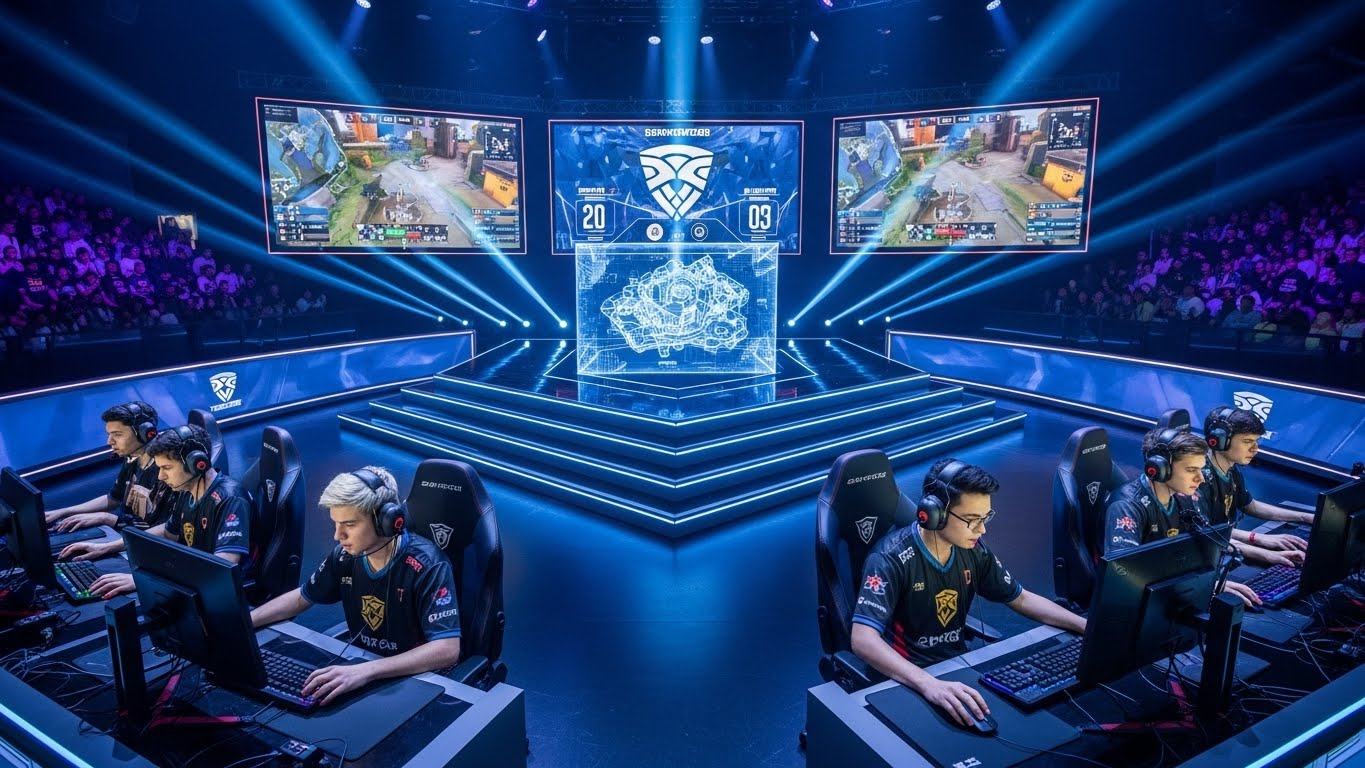
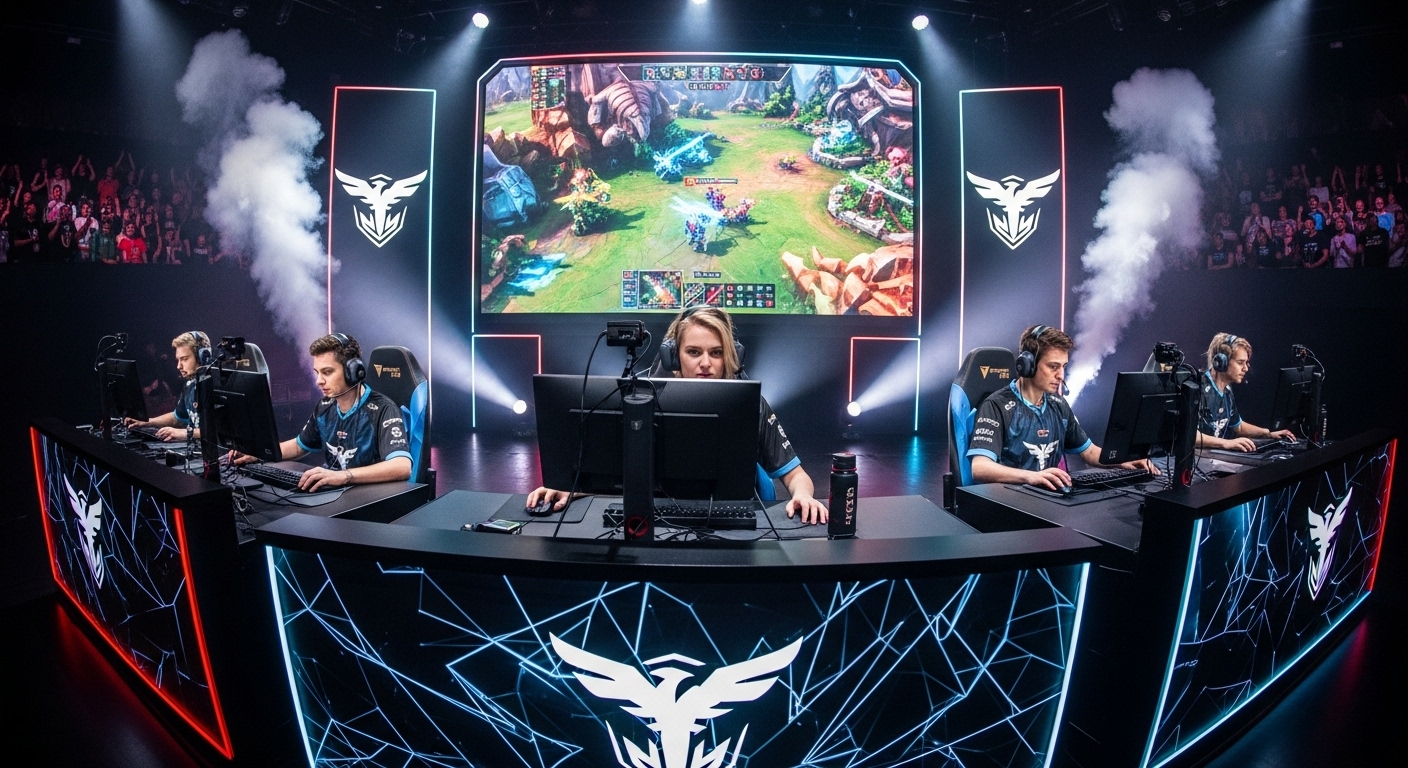
In recent years, live esports events have also started to resemble traditional sports events in terms of production value. Large-scale tournaments are often held in stadiums, with elaborate set designs, commentary booths, and live audiences. Fans attending these events get to experience the action in person, and they can often meet players and watch exclusive content during breaks.
The Business of Esports: Revenue and Sponsorships
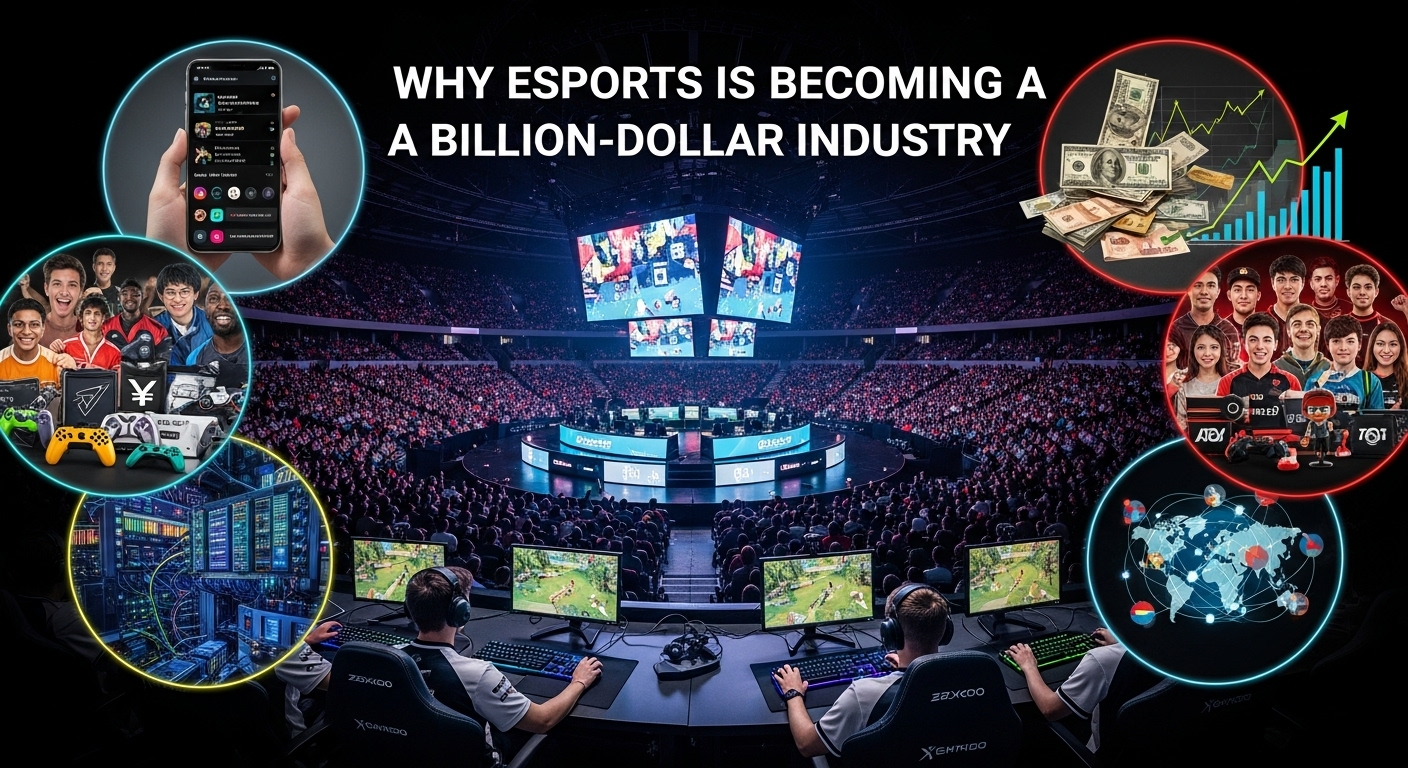
The business of esports is massive. In 2020, the global esports industry was valued at over $1 billion, and it is expected to continue growing in the coming years. One of the primary revenue streams for esports is sponsorships. Brands from various industries, including tech, beverage, and fashion, see esports as an opportunity to reach a young, tech-savvy audience. Companies like Intel, Red Bull, and Coca-Cola have become key sponsors of esports teams, tournaments, and players.
Media rights also represent a significant revenue source for the industry. Major esports leagues and tournaments now sell broadcasting rights to platforms like Twitch and traditional broadcasters. This allows esports events to be viewed by millions of people globally, further driving engagement and generating revenue.
Esports also benefits from ticket sales, merchandise, and advertising. Fans who attend live events can purchase tickets to watch tournaments in person, and they can also buy team merchandise to show their support. Esports companies make money through advertising during live streams, social media promotions, and branded content.
The Future of Esports
The future of esports looks incredibly bright. As technology continues to evolve, we can expect new innovations that will make esports even more immersive and engaging. Virtual reality (VR) and augmented reality (AR) could revolutionize the way fans experience esports, allowing them to interact with the game and the players in new and exciting ways. Imagine watching a match from within the game itself, or stepping into a virtual arena to watch the action unfold from every angle.
Mobile gaming is also expected to play a significant role in the future of esports. With the rise of smartphones and tablets, games like PUBG Mobile and Mobile Legends are already gaining a large following, particularly in regions like Southeast Asia. As mobile gaming continues to grow, mobile esports is poised to become a major segment of the overall esports ecosystem.
Furthermore, the integration of esports into traditional sports leagues is likely to increase. Major sports organizations like the NBA and NFL have already invested in esports, and it’s possible that we will see more collaborations between esports and traditional sports in the future. The Olympics, for example, has expressed interest in including esports in future events, further legitimizing esports as a mainstream sport.