Introduction
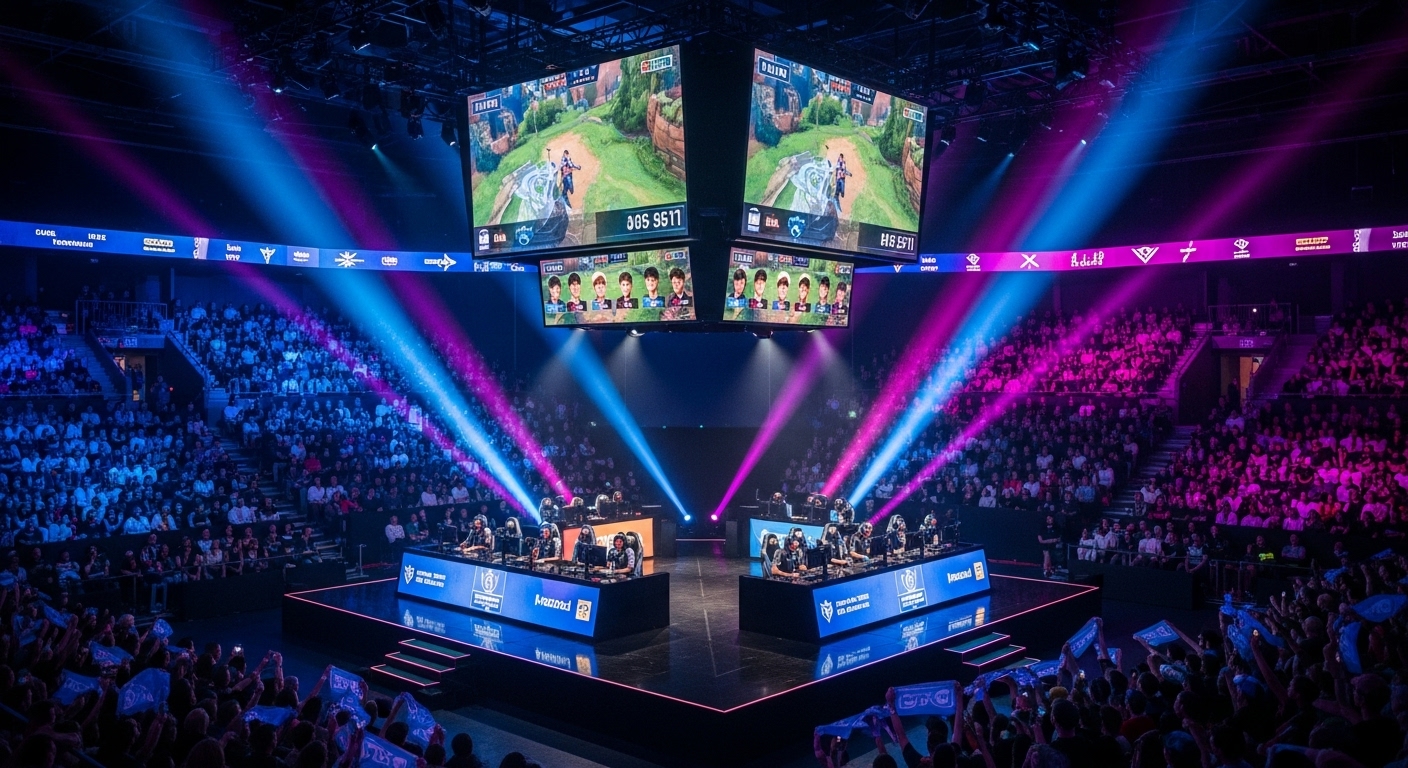
In the 21st century, few industries have experienced growth as rapid and transformative as Esports. Once dismissed as a niche pastime for gamers, Esports has evolved into a multibillion-dollar global industry that rivals traditional sports in popularity, viewership, and revenue. With professional players, international tournaments, and massive fan communities, Esports has become a cornerstone of modern entertainment and youth culture.
This blog explores the history, growth, cultural impact, and future of Esports, examining how it became one of the most influential sectors of the digital age.
The Origins of Esports
Early Beginnings
The concept of competitive gaming can be traced back to the early 1970s, when computer enthusiasts at Stanford University organized a small competition for the game Spacewar!. The prize was modest—a year’s subscription to Rolling Stone magazine—but the event marked the beginning of organized digital competition.
Throughout the 1980s, as arcade gaming became popular, competitions like the Space Invaders Championship attracted thousands of participants, proving that the thrill of gaming could unite players across the world. With games like Pac-Man, Donkey Kong, and Street Fighter, the idea of gaming as a competition started to gain serious attention.
The 1990s: Birth of the Modern Scene
By the 1990s, gaming consoles and personal computers had become more powerful and accessible. LAN (Local Area Network) parties emerged as gamers connected their PCs to compete in multiplayer titles such as Doom, Quake, and StarCraft.
The release of StarCraft in 1998 was particularly pivotal. In South Korea, where internet cafes known as “PC bangs” were booming, the game sparked a national obsession. Televised matches, professional teams, and dedicated fanbases emerged—laying the foundation for what would become a thriving Esports ecosystem.
The Rise of Professional Esports
The 2000s: Global Expansion
The early 2000s marked the formalization of Esports. Games like Counter-Strike, Warcraft III, and Dota drew large online communities. Competitive circuits began forming, supported by sponsors, tech companies, and media outlets.
Major tournaments such as the World Cyber Games (WCG) and the Electronic Sports World Cup (ESWC) introduced global standards and professional recognition. Players began earning salaries, and gaming organizations were established to manage teams and talent.
South Korea led the charge, with professional leagues for StarCraft and League of Legends becoming cultural phenomena. Esports was no longer a hobby—it was a career.
Streaming Revolution and Mainstream Acceptance
The rise of Twitch and other streaming platforms in the 2010s changed everything. For the first time, fans could watch their favorite players live from anywhere in the world. This accessibility propelled Esports into mainstream culture.
Games like League of Legends, Dota 2, and Counter-Strike: Global Offensive became global sensations, with tournaments such as The International offering multimillion-dollar prize pools funded by the gaming community itself.
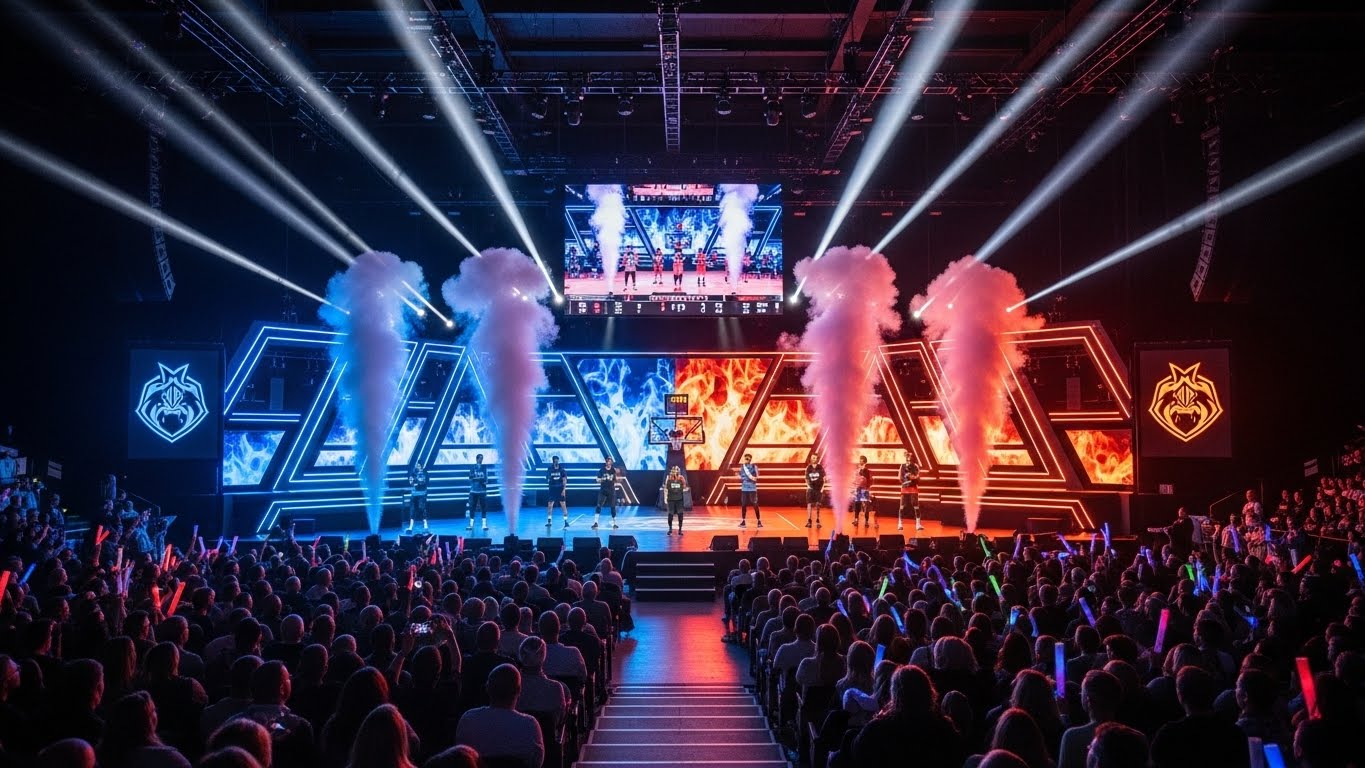
By 2015, Esports was regularly featured on major sports networks and discussed alongside traditional athletics. The idea that gamers could fill stadiums with spectators—both physical and virtual—became a reality.
The Culture of Esports
Community and Fandom
Esports thrives on community. Fans do not merely watch games; they engage in online discussions, create fan art, analyze strategies, and support teams with the same passion seen in traditional sports. Platforms like Discord, Reddit, and Twitter have become digital arenas for Esports culture, where fans from across the world unite through shared enthusiasm.
The sense of belonging within Esports communities is immense. Many young people identify with their favorite teams or players much like football fans do with their clubs. Esports fandom is inclusive, global, and deeply connected through digital channels.
Esports as a Career Path
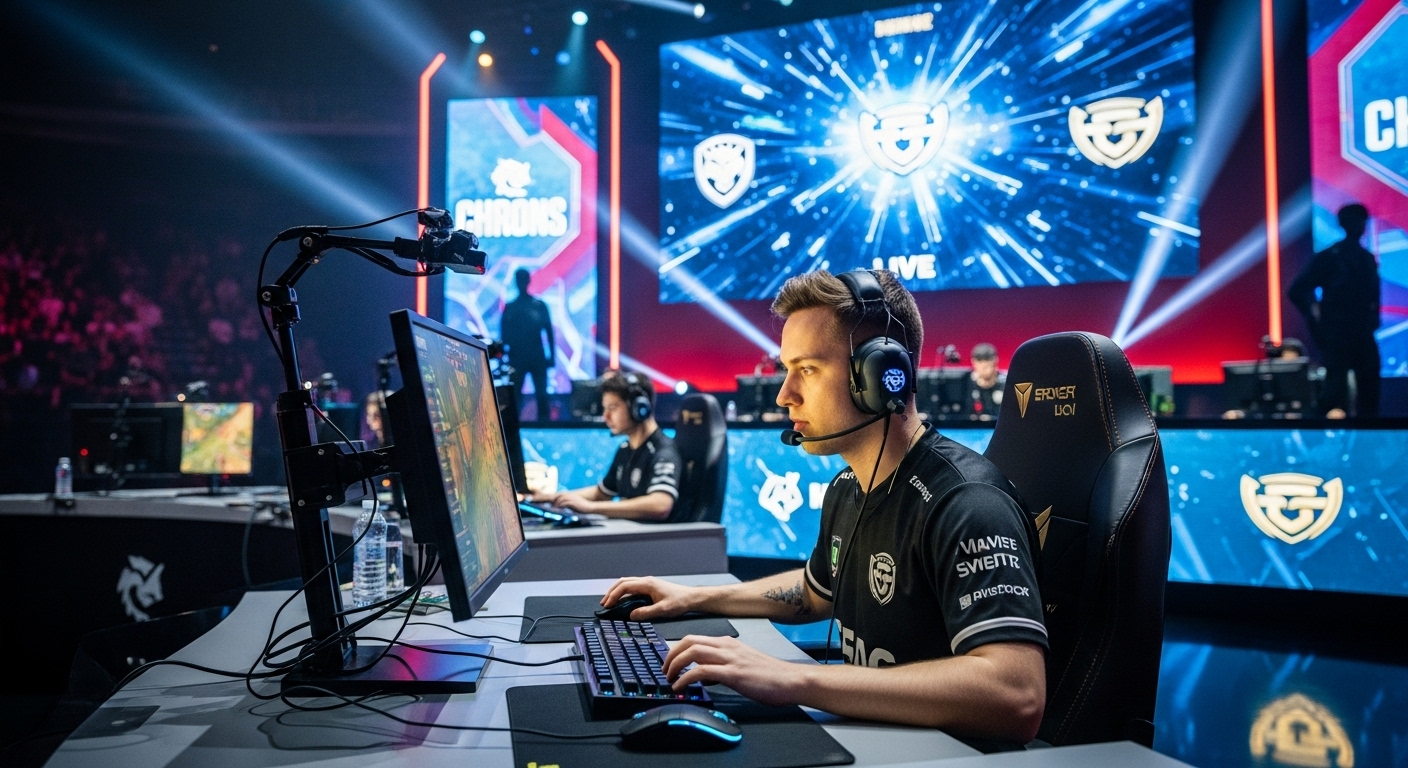
What once seemed impossible is now commonplace: young gamers aspire to become professional Esports athletes. Professional gaming requires immense dedication, mental stamina, and technical precision. Players often train for 8–12 hours daily, mastering strategies, reflexes, and teamwork.
Beyond players, the industry has created countless career opportunities. Coaches, analysts, shoutcasters (commentators), event organizers, marketers, and content creators all form part of the Esports ecosystem. Universities worldwide now offer scholarships and degrees in Esports management, reflecting its legitimacy as a professional field.
The Business of Esports
Sponsorships and Revenue Streams
Esports’ financial model closely mirrors that of traditional sports. Major revenue sources include sponsorships, advertising, media rights, merchandise, and ticket sales. Tech giants, energy drink brands, and automobile companies sponsor teams and tournaments to reach the valuable youth demographic that Esports commands.
According to industry reports, global Esports revenue surpassed $1.5 billion in recent years, with sponsorships accounting for the majority. The rapid expansion of mobile gaming has further widened the audience, especially in regions like Southeast Asia, India, and Latin America.
Tournament Ecosystems
Every major game has its own competitive circuit. For instance, League of Legends hosts regional leagues culminating in the annual World Championship, while Dota 2’s The International remains the pinnacle of Esports spectacle with record-breaking prize pools.
The success of these tournaments depends on intricate ecosystems involving publishers, teams, broadcasters, and fans. The competitive structure ensures long-term engagement, brand loyalty, and massive viewership, often rivaling that of global sporting events like the Super Bowl or the Olympics.
The Global Impact of Esports
Cultural Acceptance and Legitimacy
Esports has redefined what it means to be an athlete. Though some critics still question its classification as a “sport,” professional gaming requires focus, discipline, strategy, and teamwork—qualities identical to those in traditional sports.
The inclusion of Esports in events such as the Asian Games and discussions around its potential entry into the Olympics highlight its growing cultural legitimacy. Governments across Asia, Europe, and North America have begun investing in Esports infrastructure, recognizing its potential as both a cultural and economic force.
Educational and Social Benefits
Esports has also proven valuable in education. Schools and universities now use gaming to teach teamwork, leadership, and problem-solving. Competitive gaming programs encourage students to develop strategic thinking and communication skills.
Moreover, Esports fosters inclusion. Unlike traditional sports, which may require physical attributes or resources, gaming is accessible to anyone with an internet connection and a device. This inclusivity makes Esports a global equalizer, allowing players from any background to compete on the same stage.
The Technology Behind Esports
Hardware and Software Evolution
The growth of Esports is inseparable from technological advancement. High-performance gaming PCs, ultra-fast monitors, and low-latency internet connections have made competitive gaming smoother and more precise.
Game developers design titles with Esports potential in mind, focusing on balance, spectator-friendly interfaces, and competitive modes. Cloud gaming and cross-platform integration continue to expand accessibility, allowing gamers from various devices to compete seamlessly.
Streaming and Broadcasting Innovation
The ability to broadcast live matches with real-time commentary transformed Esports into a media phenomenon. High-quality streams, instant replays, augmented reality overlays, and interactive chat features make viewing Esports a dynamic experience.
Artificial intelligence now enhances viewer engagement by providing automated highlights, data analysis, and player statistics. These technological innovations ensure that Esports remains at the forefront of digital entertainment evolution.
Regional Growth and Diversity
Asia: The Powerhouse of Esports
Asia remains the heart of global Esports. South Korea pioneered professional gaming infrastructure, while China hosts some of the largest Esports arenas and fan bases. Japan, long a gaming hub, has also embraced competitive gaming after years of regulatory barriers.
Countries like Indonesia, Vietnam, and the Philippines have seen explosive growth in mobile Esports, driven by affordable smartphones and widespread internet access. Mobile titles such as Mobile Legends and PUBG Mobile dominate regional tournaments, attracting millions of viewers.
North America and Europe: Professionalization and Innovation
In North America and Europe, Esports has become deeply institutionalized. Franchised leagues like the Overwatch League and Call of Duty League mirror the structure of traditional sports, complete with city-based teams and seasonal play.
Europe, in particular, boasts a diverse Esports ecosystem, from the FIFA eWorld Cup to thriving communities in Rocket League and Valorant. These regions have also led the charge in integrating Esports into mainstream education, with several universities offering Esports degrees and scholarships.
Challenges Facing Esports
Player Burnout and Health
While Esports offers fame and fortune, it also presents physical and mental challenges. The intense training schedules, performance pressure, and online scrutiny can lead to burnout and health issues.
Players often retire young—sometimes before age 25—due to fatigue, injuries such as carpal tunnel syndrome, or mental stress. Organizations are now prioritizing player wellness by employing psychologists, physiotherapists, and nutritionists to ensure holistic care.
Regulation and Integrity
With rapid growth comes the need for regulation. Issues such as match-fixing, doping, and cheating have occasionally tarnished Esports’ reputation. The absence of a universal governing body makes maintaining integrity across different games and regions difficult.
Efforts are underway to standardize rules and promote fair play. Associations like the Esports Integrity Commission (ESIC) work to uphold transparency and ethical competition globally.
Gender and Diversity Challenges
Despite Esports’ inclusivity, gender representation remains a concern. Female gamers and professionals often face harassment and underrepresentation in competitive circuits. However, initiatives promoting women in Esports are gaining momentum.
Events like the Women’s Esports League and organizations advocating diversity have begun reshaping the landscape, ensuring a more equitable and respectful environment for all players.
The Future of Esports
Integration with Virtual Reality and AI
The future of Esports lies at the intersection of technology and entertainment. Virtual Reality (VR) and Augmented Reality (AR) are expected to revolutionize the gaming experience, offering immersive competitive environments where physical movement and digital gameplay merge.
Artificial Intelligence will further personalize viewer experiences, providing real-time analytics, predictions, and adaptive camera angles that respond to audience preferences. These innovations will blur the line between player and spectator, making Esports even more engaging.
Metaverse and Esports Convergence
The rise of the metaverse—a digital universe where people interact in virtual worlds—presents enormous potential for Esports. In the metaverse, tournaments could take place in fully immersive virtual arenas, with fans attending as avatars from across the globe.
This fusion of gaming, social interaction, and digital ownership (through NFTs and blockchain) will redefine how audiences participate and experience Esports.
Sustainability and Longevity
For Esports to sustain its growth, focus must shift toward long-term development. Investment in grassroots programs, youth training, and local leagues will ensure a steady influx of talent.
Additionally, environmental sustainability—reducing the carbon footprint of large-scale tournaments—is becoming a key discussion. As global awareness increases, Esports organizations are exploring eco-friendly solutions for travel, energy use, and event management.
Esports and Society: A Cultural Phenomenon
Redefining Entertainment
Esports is more than competition—it is a new form of entertainment that blends sports, technology, and storytelling. Players are modern-day celebrities, with fan followings rivaling movie stars and musicians. Their personal journeys inspire millions, emphasizing perseverance, skill, and creativity.
The rise of Esports documentaries, reality shows, and movies demonstrates its cultural integration. From the living rooms of casual gamers to packed arenas of thousands, Esports has changed how people interact with media and each other.
Economic Influence
The Esports industry fuels innovation in technology, advertising, and education. Cities are building Esports arenas, job markets are expanding, and new business models are emerging. Governments recognize its potential as a driver of youth engagement, tourism, and technological advancement.
Moreover, Esports creates opportunities in developing countries, where digital infrastructure provides an alternative path for young people to showcase talent and build careers.
Conclusion
Esports has come a long way from the dimly lit arcades and LAN cafes of the past. What began as friendly competitions among enthusiasts has evolved into a global industry that influences technology, culture, and society.
It represents the spirit of modern innovation—where passion meets opportunity, and creativity drives progress. Esports bridges generations, transcends borders, and redefines what it means to play, compete, and connect.
As technology advances and audiences grow, Esports will continue shaping the digital future, standing not just as a form of entertainment but as a global movement that embodies the limitless potential of human imagination.